
Learn how to heal gerd naturally with 7 of the best, proven home remedies. Get amazing, lasting relief from acid reflux today. Millions of people worldwide suffer from Gastroesophageal Reflux Disease (GERD). This condition can really affect daily life. We’re looking into natural remedies to ease symptoms and improve digestive health.
Studies show that ginger and aloe vera might help soothe your stomach and lessen acid reflux. Adding these remedies to your routine, along with better eating habits and ways to handle stress, can help manage GERD.
Key Takeaways
- GERD affects about 20% of the global population, making it a big health issue.
- Natural remedies like ginger and aloe vera might help ease GERD symptoms.
- Making lifestyle changes, like eating better and managing stress, is key to handling GERD.
- Our article looks at 7 proven home remedies to naturally heal GERD.
- Taking a full approach to GERD management can lead to better digestive health and symptom relief.
Understanding GERD: Causes, Symptoms, and Prevalence
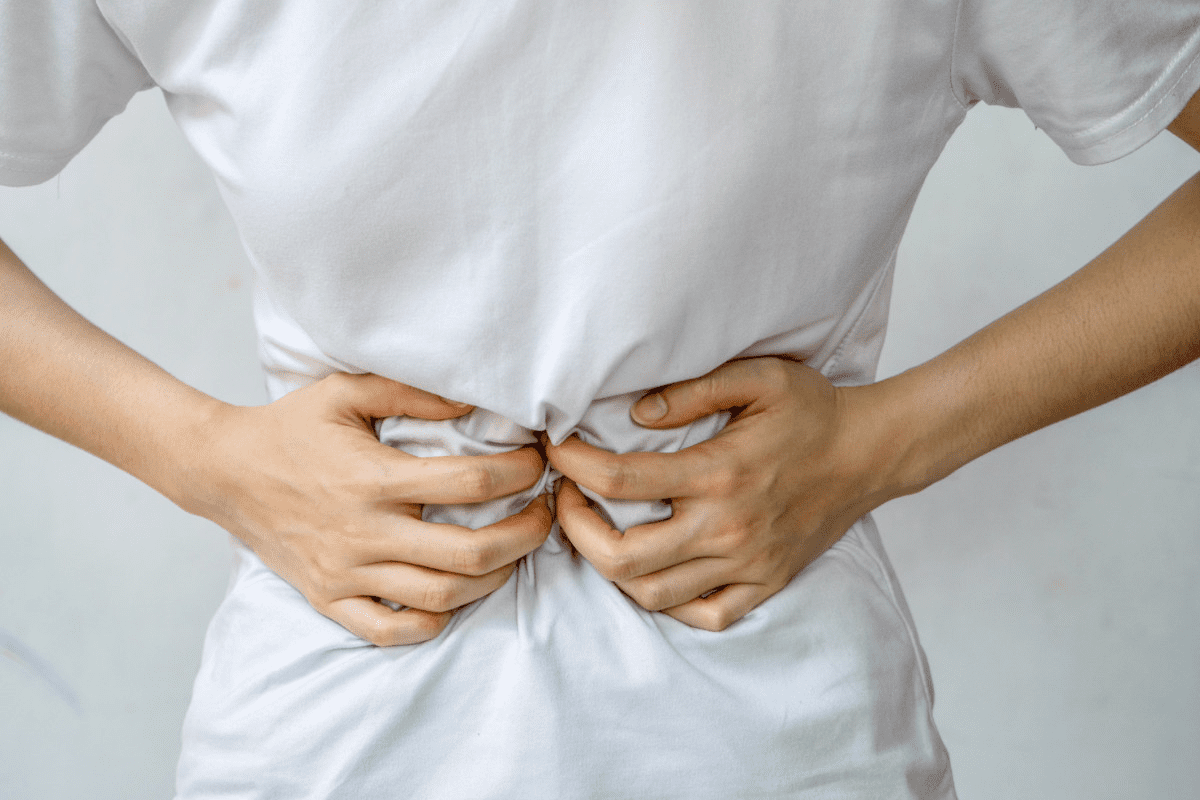
GERD is when stomach acid flows back into the esophagus. This can irritate the esophagus lining, causing discomfort.
What Happens in Your Body During Acid Reflux
During acid reflux, the LES relaxes too much or weakens. This lets stomach contents flow back into the esophagus. This can cause irritation and inflammation, leading to GERD symptoms.
Common Symptoms and Warning Signs
Symptoms of GERD vary but often include heartburn, regurgitation of food, and difficulty swallowing. Other signs are chest pain, chronic cough, and laryngitis. It’s important to recognize these symptoms to get the right treatment.
The 20% Factor: Why So Many Americans Suffer
GERD affects about 20% of Americans. Obesity, dietary habits, and lifestyle choices are big factors. Knowing these can help manage and prevent GERD.
Understanding GERD’s causes, symptoms, and prevalence is key. It helps individuals manage their condition and improve their life quality.
The Scientific Foundation of Natural GERD Treatment
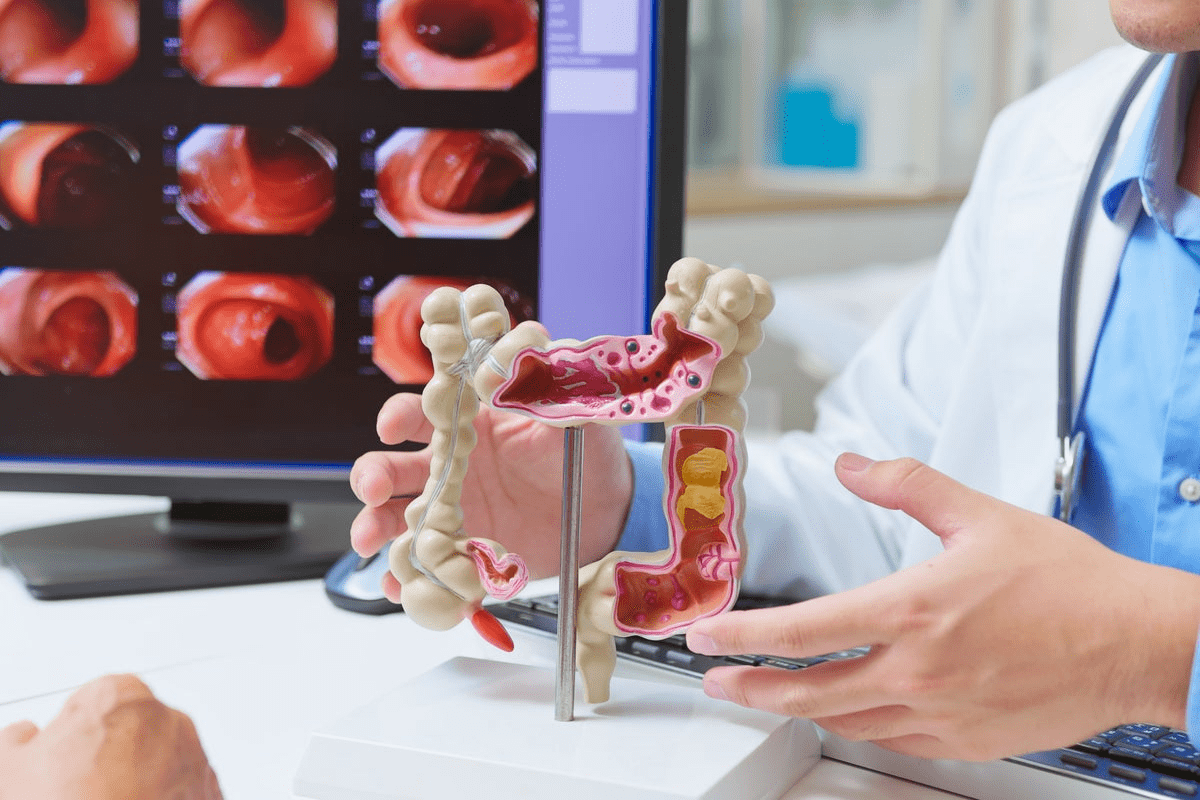
Research shows natural remedies can help with GERD. They offer a good addition to traditional treatments.
Research Supporting Natural Approaches
Many studies have looked into natural remedies for GERD. For example, ginger can reduce inflammation and help with digestion. This makes acid reflux symptoms better. Aloe vera also helps by soothing the esophagus and reducing inflammation.
- Ginger has anti-inflammatory properties that can help reduce GERD symptoms.
- Aloe vera juice may soothe the esophagus and reduce inflammation.
- Dietary changes, such as avoiding trigger foods, can significantly impact GERD management.
How Natural Remedies Complement Medical Treatments
Natural remedies can help by addressing GERD’s root causes. They promote better digestion. For instance, changing your diet can lessen symptoms. Stress management can also reduce acid reflux episodes.
Some key ways natural remedies complement medical treatments include:
- Enhancing digestive health through dietary changes and supplements.
- Reducing inflammation and soothing the esophagus.
- Promoting lifestyle changes that support long-term GERD management.
The Importance of Holistic Management
Managing GERD holistically is key for lasting relief. It means using natural remedies and making big lifestyle changes. This includes keeping a healthy weight, managing stress, and avoiding foods that trigger symptoms.
By mixing natural remedies with medical treatments and lifestyle changes, people can create a full GERD management plan. This plan meets their specific needs and improves their overall health.
Dietary Changes: The First Line of Defense Against GERD
The food we eat greatly affects GERD symptoms. Making dietary changes is key to managing acid reflux. Knowing which foods help or hurt can help manage the condition.
Trigger Foods to Avoid
Some foods can make GERD symptoms worse. They relax the lower esophageal sphincter (LES), increase stomach acid, or irritate the esophagus. Common culprits include:
- Citrus fruits and juices: Their high acidity can irritate the esophagus.
- Tomatoes and tomato-based products: Acidic, they can trigger reflux.
- Caffeine: In coffee, tea, and some soft drinks, it relaxes the LES.
- Chocolate: Contains caffeine and other compounds that can trigger symptoms.
- Spicy foods: Can irritate the esophagus and worsen symptoms.
- Fried and fatty foods: Delay stomach emptying and put pressure on the LES.
Avoiding these foods can lessen GERD symptoms. As Medical Expert, a gastroenterologist, notes, “Dietary adjustments are often the first step in managing GERD, and avoiding trigger foods is key.“
GERD-Friendly Foods to Embrace
Adding foods less likely to trigger symptoms can help manage GERD. These include:
- Lean proteins: Chicken, fish, and turkey are good options.
- Low-fat dairy products: Can help neutralize stomach acid.
- Non-citrus fruits: Bananas, apples, and pears are generally safe.
- Vegetables: Most are GERD-friendly, like green beans, broccoli, and leafy greens.
- Whole grains: Brown rice, oatmeal, and whole wheat bread can be beneficial.
These foods, part of a balanced diet, can ease symptoms and support digestive health.
The Critical Role of Dietary Fiber in Reducing Reflux
Dietary fiber is key in managing GERD symptoms. A high-fiber diet can reduce reflux risk by:
- Promoting a healthy weight: Excess weight can put pressure on the stomach.
- Improving digestion: Fiber helps move food through the digestive system.
- Reducing symptoms: Studies show high fiber intake is linked to lower reflux risk.
Boosting dietary fiber intake can be done by eating more fruits, vegetables, whole grains, and legumes. As
“A high-fiber diet is not only beneficial for heart health but also for reducing the symptoms of GERD,”
highlights the importance of dietary fiber.
Ginger: Nature’s Anti-Inflammatory Agent for Acid Relief
Ginger is known for its anti-inflammatory properties, making it a good choice for GERD symptoms. It has been used for centuries in traditional medicine for its digestive benefits. Recent studies have shown it can help with acid reflux symptoms.
Scientific Evidence Supporting Ginger’s Effectiveness
Ginger has compounds called gingerols and shogaols that fight inflammation. This can help reduce inflammation in the esophagus and ease GERD symptoms. A study in the Journal of Ethnopharmacology found ginger extract reduced inflammation and improved symptoms in GERD patients.
Ginger works in several ways:
- It reduces inflammation in the esophagus.
- It helps food move through the stomach better.
- It blocks harmful chemicals that cause inflammation.
Preparation Methods: Tea, Capsules, and Fresh Root
Ginger can be enjoyed in different ways, each with its own benefits:
- Ginger Tea: Steeping fresh ginger in hot water makes a soothing tea. Drinking it after meals can help with digestion.
- Ginger Capsules: Capsules are a good option if you don’t like the taste of ginger. The usual dose is 250mg to 500mg a day.
- Fresh Ginger Root: Adding fresh ginger to your meals or making tea is easy. It’s full of nutrients and can be used in many dishes.
Recommended Dosage and Possible Contraindications
While ginger is usually safe, there are some things to watch out for:
- Dosage: The best dose for GERD relief isn’t clear. But studies have used 250mg to 2g a day.
- Contraindications: Ginger might affect blood thinners and diabetes meds. Pregnant women should talk to their doctor before taking a lot of ginger.
Always talk to a healthcare professional before starting ginger or any new supplement. They can help figure out the right dose for you.
Soothing Herbal Remedies: Chamomile and Aloe Vera
Looking for relief from GERD? Chamomile tea and aloe vera juice are gentle yet effective options. They have been studied for their ability to ease acid reflux symptoms.
Chamomile Tea: Preparation and Optimal Consumption
Chamomile tea is known for its calming effects. It might also help with GERD symptoms. To make it, steep 3-4 grams of dried chamomile flowers in boiling water for 5-10 minutes.
Drink 1-2 cups a day, best between meals. This helps avoid upsetting your digestion.
Chamomile tea’s benefits include reducing inflammation and soothing your digestive tract. This can lessen GERD symptoms.
Aloe Vera Juice: Research and Application Methods
Aloe vera juice may help with GERD by reducing inflammation in the esophagus. It’s important to pick a product made for drinking.
Start with 10-20 ml before meals. Studies show it can protect the esophagus and reduce inflammation.
Safety Guidelines and Possible Interactions
Chamomile tea and aloe vera juice are usually safe. But, they can interact with some medications. For example, aloe vera might affect blood thinners and diabetes meds.
- Always talk to a healthcare provider before trying new herbal remedies, if you’re on meds.
- Watch how your body reacts and adjust how much you drink.
- Be cautious of allergic reactions, mainly with aloe vera products.
Knowing how to use chamomile tea and aloe vera juice safely can help those with GERD. It lets them make smart choices about adding these herbal remedies to their treatment plan.
How to Heal GERD Naturally with Specialized Supplements
Managing GERD naturally can be helped by certain supplements. It’s important to know how these supplements work and their benefits.
Deglycyrrhizinated Licorice (DGL): Mechanism and Usage
DGL is a type of licorice root that’s safe and effective. It’s made to remove most of its glycyrrhizin content. This makes DGL good for soothing the digestive tract.
DGL stimulates mucus production in the stomach. This protects the esophagus from acid damage. Clinical studies show DGL can treat GERD symptoms by healing and reducing inflammation.
To use DGL, chew the tablets well before meals. This mixes the active compounds with saliva, making them more effective. Take one to two tablets 15-20 minutes before meals, up to three times a day.
Sodium Alginate Formulations: Clinical Evidence
Sodium Alginate is known for easing GERD symptoms. It forms a barrier on top of stomach contents, stopping acid from flowing back into the esophagus. Clinical trials show Sodium Alginate reduces acid reflux symptoms, giving quick relief.
Studies prove Sodium Alginate’s effectiveness in reducing symptoms and improving life quality for GERD patients. It’s available in liquid or tablet form, taken after meals and at bedtime.
Proper Timing and Administration for Maximum Benefit
For maximum benefit, timing and administration are key. Take DGL before meals to coat the stomach lining well. Take Sodium Alginate after meals to keep the protective barrier up all day and night.
Consistency is key when using these supplements. Always talk to a healthcare provider before starting any new supplement, even if you’re already on medication or have health conditions.
Adding these supplements to your GERD management plan can help reduce symptoms and improve digestive health. Always follow the recommended dosages and consult with a healthcare professional to fit the treatment to your needs.
The Gut-GERD Connection: Probiotics and Digestive Balance
It’s important to know how gut health and GERD are connected. Our gut has trillions of microorganisms that help our digestion. Studies show that an imbalance in these microorganisms can make acid reflux worse.
Influence of Gut Flora on Acid Reflux
The gut flora affects acid reflux in several ways. It helps keep the lower esophageal sphincter (LES) strong. This prevents stomach acid from going back up into the esophagus. It also helps digest and absorb nutrients.
An imbalance can lead to poor digestion, making GERD symptoms worse. The gut-brain axis, a network between the gut and brain, also plays a role. It affects digestion and stress responses, both linked to GERD.
Beneficial Probiotic Strains for GERD Management
Probiotics are live microorganisms that are good for us. Some strains can help with GERD symptoms.
- Lactobacillus acidophilus: This strain improves digestion and reduces acid reflux symptoms.
- Bifidobacterium lactis: It can lower the frequency and severity of GERD symptoms.
- Saccharomyces boulardii: This yeast probiotic improves gut barrier function and reduces inflammation.
Prebiotic Foods That Support Gut Health
Prebiotics are fibers that feed good bacteria in the gut. Eating foods rich in prebiotics can help probiotics work better and support gut health.
Prebiotic Food | Benefit |
Asparagus | Rich in inulin, supporting beneficial bacteria growth |
Banana | Contains pectin, which helps feed good bacteria |
Oats | High in beta-glucans, promoting a healthy gut environment |
Creating a Balanced Microbiome Approach
To manage GERD through gut health, a balanced approach is needed. This includes probiotics, prebiotics, and changes in diet and lifestyle.
Understanding the gut-GERD connection and using strategies to support gut health can help. It may reduce the need for medication and improve life quality.
Lifestyle Modifications That Amplify Natural Remedies
Making lifestyle changes can boost the power of natural remedies for GERD. These changes help control symptoms and improve life quality. It’s all about making smart adjustments to your daily routine.
Elevated Sleeping Position Techniques
One simple yet effective change is elevating your bed’s head. This stops stomach acid from flowing back into your esophagus while you sleep. It reduces symptoms at night. You can use bed risers or a wedge under your mattress for this.
Studies show elevating your bed by 6 to 8 inches can cut down GERD symptoms at night. This keeps stomach contents down, reducing reflux.
Stress Management and Relaxation Practices
Stress can trigger GERD symptoms. So, managing stress is key. Meditation, deep breathing, and yoga can help. Regular practice improves symptoms and overall well-being.
Research shows mindfulness can lessen GERD symptoms. It reduces reflux episodes and improves esophageal function.
Weight Management Strategies
Keeping a healthy weight is vital for GERD management. Extra weight, mainly around the belly, puts pressure on the stomach, causing acid reflux. A balanced diet and exercise help maintain a healthy weight, reducing symptoms.
Weight Management Strategy | Benefits for GERD |
Balanced diet | Reduces pressure on the stomach, improves digestion |
Regular exercise | Enhances overall health, aids in weight loss |
Portion control | Prevents overeating, reduces symptoms |
Meal Timing and Portion Control
Changing when and how much you eat can also help. Eating smaller meals less often reduces pressure on the esophagus. Avoid eating close to bedtime and give your body time to digest before sleeping.
Combining these lifestyle changes with natural remedies offers a complete approach to managing GERD. This leads to better symptom control and a higher quality of life.
Conclusion: Building Your Personalized GERD Healing Protocol
We’ve looked at many natural ways and lifestyle changes to help with GERD. By mixing these, you can make a healing plan just for you.
A personalized gerd management plan means changing what you eat and using home remedies. This includes avoiding foods that trigger acid reflux and eating foods that are good for GERD. Using ginger and aloe vera can also help.
To cure gerd permanently, you need to fix the problems that cause acid reflux. This includes taking care of your gut health and managing stress. Adding probiotics, prebiotics, and stress-reducing activities to your day can help.
It’s a good idea to talk to a healthcare professional to make an acidity home remedy plan that fits you. They can help you find the best natural remedies and lifestyle changes for your GERD symptoms. This way, you can live better and feel better too.
By taking a whole-body approach to managing GERD, you can control your symptoms. This leads to a healthier and more balanced life.
FAQ:
What’s a good home remedy for acid reflux?
Try ginger, aloe vera juice, or chamomile tea for acid reflux. These natural remedies soothe the digestive tract with their anti-inflammatory properties.
How to naturally stop acid reflux?
To stop acid reflux naturally, change your diet and avoid trigger foods. Also, increase fiber and manage stress with meditation or yoga. Sleeping higher can help too.
What is the best remedy for acid reflux?
The best remedy for acid reflux varies. But, a mix of diet changes, lifestyle tweaks, and natural remedies like ginger and aloe vera works well.
How to cure gastric acid naturally?
Cure gastric acid naturally by changing your diet and managing stress. Use natural remedies like probiotics and prebiotics to support your gut.
How to get rid of acid reflux quickly?
For quick acid reflux relief, try ginger or aloe vera juice. Also, avoid trigger foods and sleep higher.
What is a quick relief for acid reflux?
For fast acid reflux relief, try chamomile tea or supplements like DGL or sodium alginate.
How to control GERD naturally?
Control GERD naturally by making lasting lifestyle changes. Keep a healthy weight, manage stress, and use natural remedies like probiotics and prebiotics.
How to reduce acid reflux instantly?
Reducing acid reflux instantly is tough. But, try ginger or aloe vera juice and make lifestyle changes like avoiding trigger foods and sleeping higher.
What is a home remedy for GERD disease?
For GERD, try ginger, aloe vera juice, or chamomile tea. Also, change your diet to avoid trigger foods and increase fiber.
Can GERD be cured permanently?
GERD can be managed and alleviated. A cure is possible with a personalized approach that includes natural remedies, lifestyle changes, and diet adjustments.
References:
National Center for Biotechnology Information. Evidence-Based Medical Guidance. Retrieved from https://pmc.ncbi.nlm.nih.gov/articles/PMC10883622/