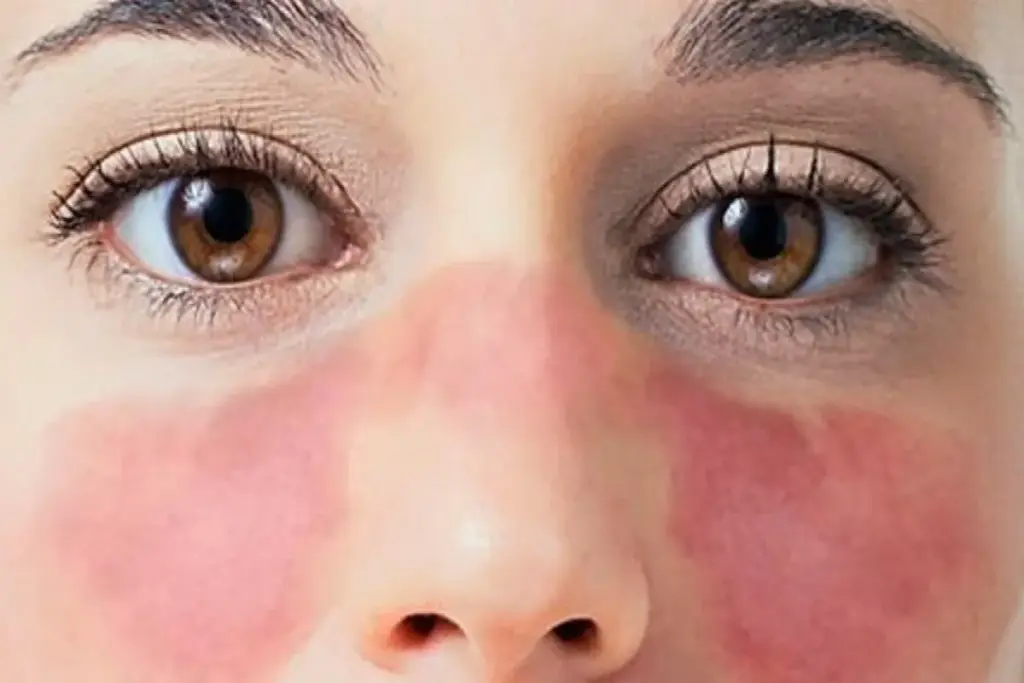
Lupus is a chronic autoimmune disease that mainly hits women, mostly between 15 and 45. It happens when the immune system attacks organs and tissues, causing inflammation. This can affect the skin, joints, blood, and vital organs like the kidneys, lungs, and heart.
Recognizing the symptoms early is key for getting the right treatment. Women often face months or years of unexplained fatigue, joint pain, and mysterious rashes before getting diagnosed. Knowing these early warning signs can greatly improve their health.
The Medical organization says common signs include a butterfly-shaped facial rash, joint pain, and sensitivity to sunlight. Catching it early lets women get the care they need and avoid serious problems.
Key Takeaways
- Lupus is a chronic autoimmune disease that mainly affects women between 15 and 45 years old.
- Early detection is key for managing the disease and avoiding serious issues.
- Common symptoms include fatigue, joint pain, and a distinctive facial rash.
- Understanding these symptoms can lead to timely diagnosis and treatment.
- Women experiencing persistent tiredness, painful swollen joints, or light sensitivity should see a doctor.
Understanding Lupus and Who It Affects
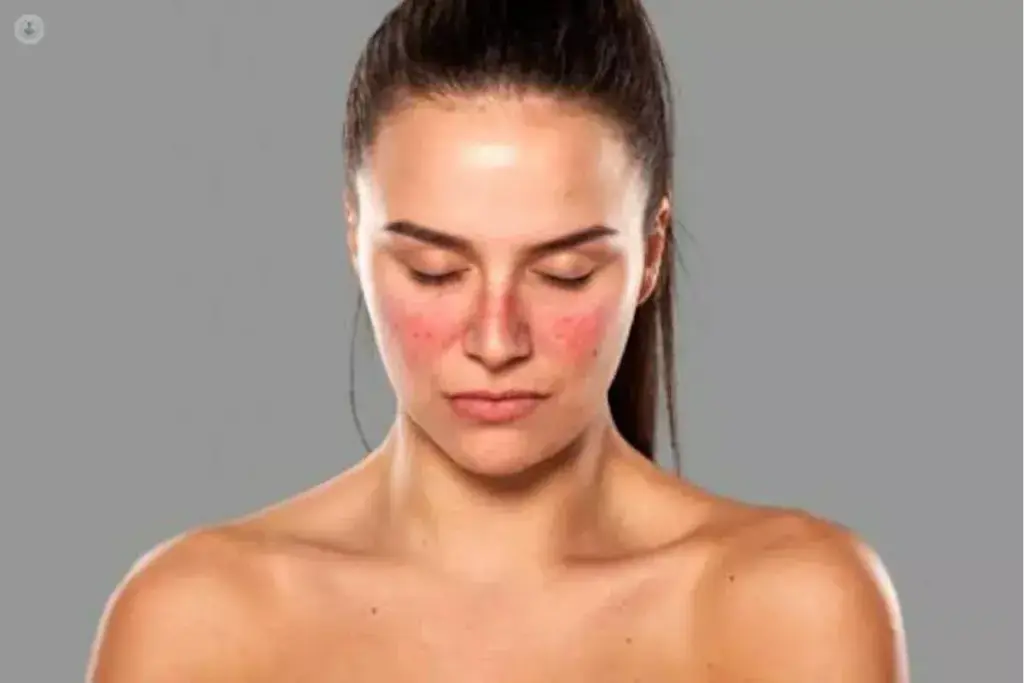
Lupus is a chronic autoimmune condition that is hard to understand because of its unpredictable symptoms. It affects different people in different ways. The body’s immune system attacks healthy tissues, causing a variety of symptoms.
What Is Lupus?
Lupus can harm many parts of the body, like the skin, joints, kidneys, and brain. It has periods of flares and remission, making it hard to diagnose and manage. Understanding lupus is key to spotting early signs and getting the right care.
Demographics: Women at Higher Risk
Women are more likely to get lupus than men. Hormonal factors might play a role in this. Women of childbearing age are at the highest risk, suggesting a link between sex hormones and lupus.
Ethnic Disparities in Lupus Prevalence
Lupus affects different ethnic groups in different ways. African American women are three times more likely to get lupus than white women. Hispanic, Asian, and Native American women also face a higher risk and often have more severe symptoms at a younger age. These differences show the need for targeted awareness and early detection in these communities.
Experts think lupus is caused by genetics and the environment. Some genetic changes might make people more likely to get lupus. Environmental factors can then trigger it. Knowing these factors helps identify who is at risk and might prevent the disease.
Early Signs of Lupus in Females

It’s important for women to know the early signs of lupus. Lupus can show up differently in everyone. But, there are common symptoms women should watch out for.
Persistent Fatigue
Persistent fatigue is a common early sign of lupus in women. It’s not just feeling tired. It’s a deep exhaustion that doesn’t get better with rest. Many women with lupus say they feel tired all the time, even after sleeping well.
Joint Pain and Swelling
Joint pain and swelling are common in women with lupus. This pain is like arthritis, affecting joints like hands, feet, knees, and elbows. The pain can come and go or stay the same, with swelling and stiffness too.
Characteristic Butterfly-Shaped Facial Rash
A key sign of lupus is the butterfly-shaped facial rash. It shows up on the cheeks and nose. Sun exposure can make it worse, so protecting your skin from the sun is key.
Hair Loss
Hair loss is another symptom many women with lupus face. It’s not just how much hair is lost that matters. The pattern of hair loss can be unique. Some women see hair thinning or brittle hair, while others notice patches of hair loss.
Knowing these early signs can help women get medical help sooner. This could improve their outcomes. If you’re experiencing several of these symptoms, seeing a healthcare professional is a must.
Diagnostic Approaches and Challenges
Diagnosing lupus is tricky because its symptoms can look like other diseases. This makes it hard to get a diagnosis on time. It’s important for doctors to be careful and for patients to know when to see a doctor.
Why Early Diagnosis Is Critical
Getting a lupus diagnosis early is key. It lets doctors start treatment right away. This can really help patients live better lives. Without treatment, lupus can cause serious problems like kidney damage and heart disease.
Early diagnosis helps doctors prevent these serious issues.
Common Diagnostic Delays
Even though early diagnosis is important, it often gets delayed. There are a few reasons for this:
- Lupus symptoms can be mistaken for other conditions because they are not specific.
- Some doctors might not know much about lupus.
- Lupus can affect people in different ways, making it hard to diagnose.
To fix these problems, we need to educate patients and doctors more about lupus.
Testing Methods for Lupus
To diagnose lupus, doctors use a few tests. These include:
| Test | Purpose |
| Antinuclear Antibody (ANA) Test | Finds ANA, which is common in lupus patients |
| Complete Blood Count (CBC) | Checks blood cell counts, which lupus can affect |
| Erythrocyte Sedimentation Rate (ESR) or C-Reactive Protein (CRP) | Measures inflammation |
| Urinalysis | Looks for kidney damage |
These tests, along with a physical exam and medical history, help doctors diagnose lupus correctly.
When to See a Doctor
If you have symptoms like joint pain, tiredness, or a butterfly-shaped rash, see a doctor. Getting checked out early can lead to better treatment and outcomes.
Knowing about lupus diagnosis helps both patients and doctors manage the condition better.
Conclusion: Taking Action for Early Detection
It’s vital to spot the early signs of lupus to get a quick diagnosis and manage it well. If you’re always tired, have joint pain, or notice a butterfly-shaped rash on your face, ask yourself if you might have lupus.
The signs of lupus in women can be hard to notice at first. But knowing these symptoms can lead you to see a doctor. Catching lupus early is key to controlling it and getting better.
It’s important to take care of your health. If you notice any lupus signs, see a doctor right away. Getting a diagnosis and treatment early can greatly improve your life with lupus.
By knowing the early signs of lupus and acting fast, you can avoid serious problems. Keep up with your health, watch for symptoms, and see a doctor if you think you might have lupus.
FAQ
What are the early signs of lupus in females?
Early signs of lupus in females include persistent fatigue and joint pain. You might also notice a butterfly-shaped facial rash and hair loss. It’s important to recognize these symptoms early to get medical help.
How do you test for lupus?
Testing for lupus involves a medical history, physical exam, and lab tests. These include antinuclear antibody (ANA) tests and other autoantibody tests.
How can you tell if you have lupus?
Look for symptoms like fatigue, joint pain, and skin rashes. If you notice these, see a healthcare provider for a diagnosis.
What are the signs of lupus in women?
Women with lupus may have a butterfly-shaped rash, be sensitive to sunlight, and experience joint pain and fever. Hair loss is also common.
Why is early diagnosis of lupus critical?
Early diagnosis is key because it starts treatment early. This can reduce complications and improve your quality of life.
What are the common diagnostic delays for lupus?
Lupus can be hard to diagnose early because its symptoms are similar to other diseases. This leads to delays in diagnosis.
When should I see a doctor if I suspect I have lupus?
See a doctor if you have persistent or severe symptoms like joint pain, skin rashes, or fatigue. Early evaluation is important for timely treatment.
How do I know if I have lupus?
To find out if you have lupus, visit a healthcare provider. They will check your symptoms, perform a physical exam, and run lab tests to confirm the diagnosis.
What is the lupus test?
The lupus test usually means the antinuclear antibody (ANA) test. It’s a blood test that looks for ANA, a common autoantibody in lupus patients.
References
National Center for Biotechnology Information. Evidence-Based Medical Guidance. Retrieved from https://pmc.ncbi.nlm.nih.gov/articles/PMC2790280/