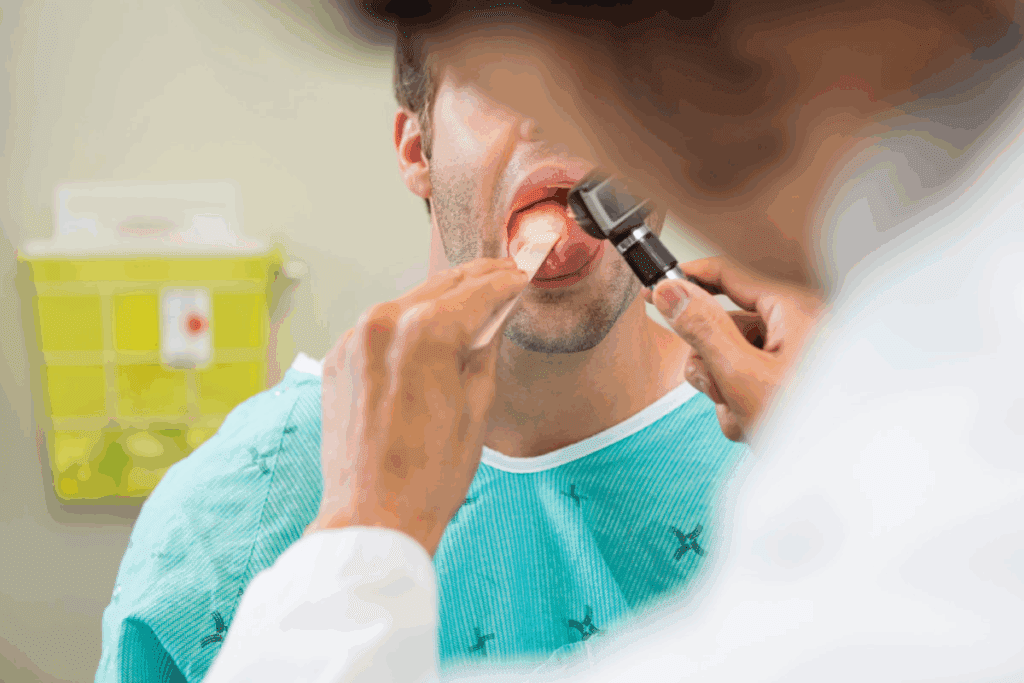
Hard palate cancer is a rare type of cancer that happens in the bony roof of the mouth. It makes up about 1% to 5% of all oral cancers. Every year, around 54,000 cases are found worldwide.
Spotting early signs of this cancer is key to treating it well. The roof of the mouth, or palate, has two parts. The soft part is at the back, and the hard, bony part is at the front. This is where cancer often starts.
At Liv Hospital, we focus on caring for our patients with trust and the latest technology. We work together as a team to find and treat hard palate cancer early.
Key Takeaways
- Hard palate cancer is a rare type of oral cancer.
- Early identification is key for effective treatment.
- The condition affects the bony roof of the mouth.
- Approximately 54,000 cases are diagnosed worldwide each year.
- Liv Hospital offers complete care for hard palate cancer patients.
What Is Hard Palate Cancer?
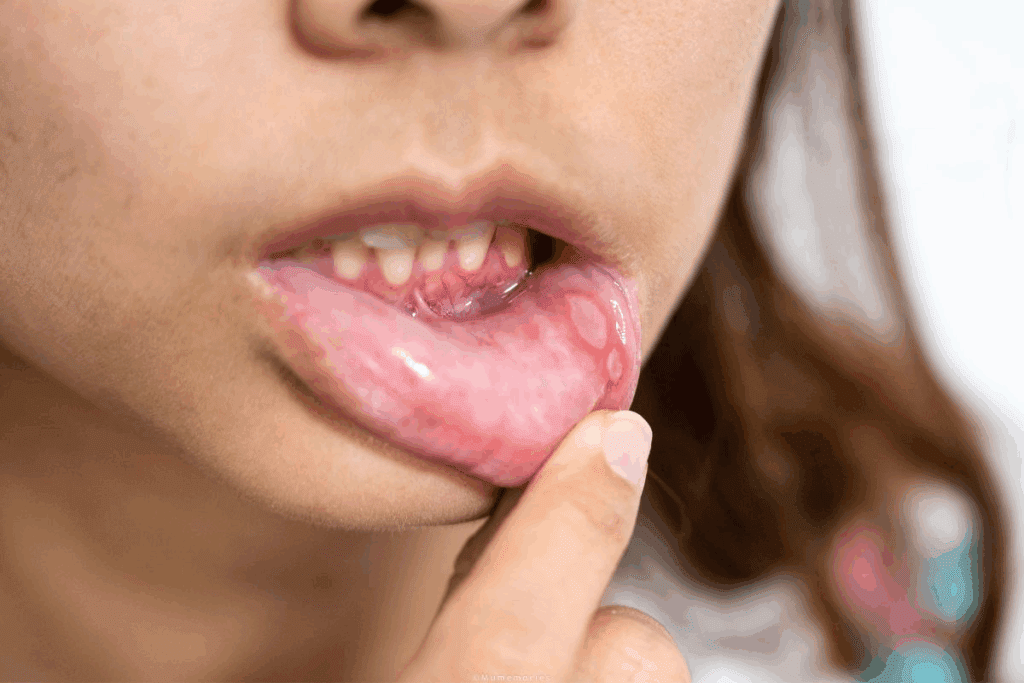
Hard palate cancer is a rare but serious condition. It affects the hard palate, which is the roof of our mouth. This area is important for our mouth’s functions and overall health.
Definition and Anatomy of the Hard Palate
The hard palate is at the front of our mouth’s roof. It’s made of bones and is key for speech, swallowing, and chewing. Hard palate cancer is a type of tumor that grows here.
Prevalence and Epidemiology Statistics
Oral cancer, including hard palate cancer, is a big health problem worldwide. It’s among the top 15 most common cancers globally. Hard palate cancer is rare, making up a small part of oral cancers.
“Oral cancer, also called mouth cancer, forms in the oral cavity, which includes all parts of your mouth that you can see if you open wide and look in the mirror.”
The exact number of cases can change based on where you are and who you are.
| Oral Cancer Type | Prevalence |
|---|---|
| Hard Palate Cancer | Less than 1% of all oral cancers |
| Other Oral Cancers | More than 99% of all oral cancers |
Why Early Detection Matters
Finding hard palate cancer early is key to better treatment. Early detection means better chances of survival. Regular dental visits and self-checks can help spot problems early. Early detection is vital for effective treatment.
Common Types of Hard Palate Cancer
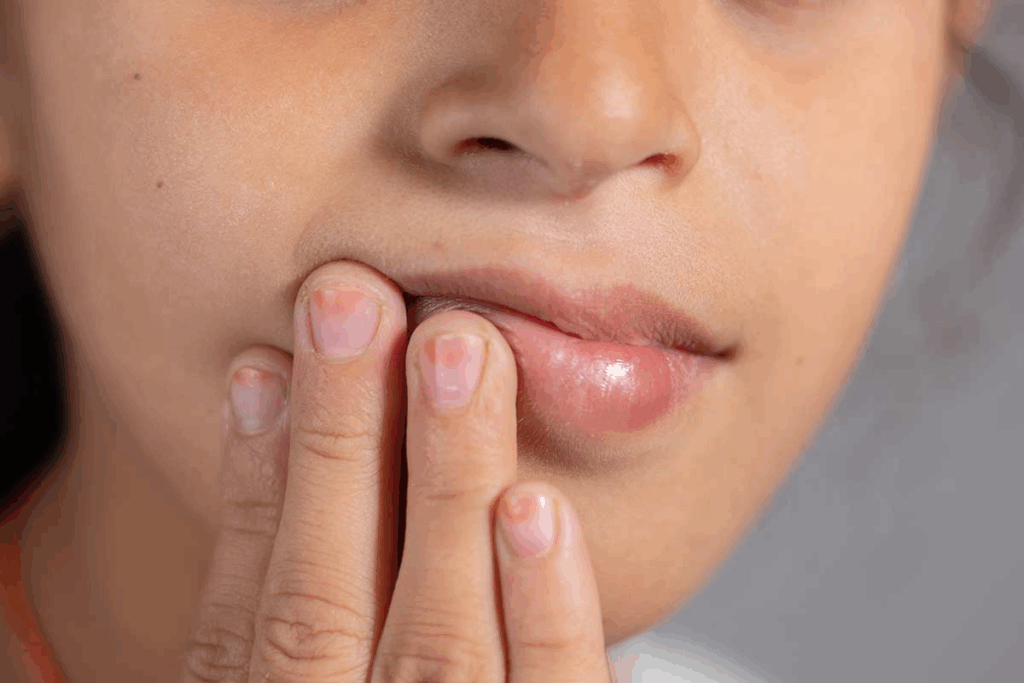
It’s important to know about the different types of hard palate cancer. This knowledge helps in early detection and treatment. The hard palate can be affected by various cancers, each with its own characteristics.
Squamous Cell Carcinoma (Most Common Type)
Squamous cell carcinoma is the most common hard palate cancer, making up about 90% of cases. It starts from the squamous cells on the hard palate. Risk factors include tobacco and alcohol use.
Key Features: This cancer can show up as an ulcer or a mass on the hard palate. Finding it early is key to stop it from spreading.
Minor Salivary Gland Tumors
Minor salivary gland tumors are another common type of hard palate cancer. They come from the minor salivary glands under the hard palate’s mucous membrane. These tumors can be benign or malignant, with adenoid cystic carcinoma being a common malignant type.
Characteristics: These tumors grow slowly and can be diagnosed through detailed histopathological examination. This helps determine if they are malignant.
Other Histological Variants
Other types of hard palate cancer include mucoepidermoid carcinoma and adenocarcinoma. These cancers are less common but important in diagnosing hard palate malignancies.
| Type of Cancer | Origin | Key Characteristics |
|---|---|---|
| Squamous Cell Carcinoma | Squamous cells lining the hard palate | Ulcerative lesion or mass, associated with tobacco and alcohol use |
| Minor Salivary Gland Tumors | Minor salivary glands beneath the mucous membrane | Slow-growing mass, can be benign or malignant |
| Mucoepidermoid Carcinoma | Salivary gland tissue | Varying degrees of malignancy, can present as a mass |
| Adenocarcinoma | Glandular tissue | Can present as a firm mass, varying degrees of differentiation |
Primary Early Signs of Hard Palate Cancer
Spotting the early signs of hard palate cancer early can greatly improve treatment results. We’ll cover the main signs that mean you should see a doctor.
Persistent Ulcers or Bumps (>2 Weeks)
Persistent ulcers or bumps on the hard palate for over two weeks are a common sign. At first, they might not hurt, but they can become painful as they grow.
Watching for any mouth changes is key. Early detection can greatly improve treatment chances.
Unusual Patches (White, Red, or Mixed)
Seeing unusual patches on the palate, which can be white, red, or mixed, is another warning sign. These patches, known as leukoplakia or erythroplakia, could turn into cancer.
Unexplained Bleeding from the Palate
Bleeding from the palate without a reason is a serious symptom that needs quick doctor’s attention. It can happen on its own or when you eat or brush your teeth.
To grasp the early signs and their meanings, here’s a quick summary table:
| Early Sign | Description | Potential Implication |
|---|---|---|
| Persistent Ulcers or Bumps | Lesions lasting more than two weeks | Potential development into cancer |
| Unusual Patches | White, red, or mixed patches on the palate | Possible pre-cancerous lesions |
| Unexplained Bleeding | Bleeding from the palate without clear cause | Possible indication of underlying cancer |
Knowing these early signs can help you get medical help quickly. This could lead to better outcomes for hard palate cancer patients.
Secondary Symptoms That Shouldn’t Be Ignored
As hard palate cancer gets worse, you might notice other symptoms. These can really affect your life and might mean the cancer is more advanced.
Swallowing Difficulties (Dysphagia)
Dysphagia, or trouble swallowing, is a serious sign. It happens when the tumor blocks food or messes with swallowing nerves. Tell your doctor right away if you have trouble swallowing. They can help make sure you get the food you need and avoid problems.
Persistent Bad Breath from Necrotic Tissue
Bad breath, or halitosis, can be a sign of hard palate cancer. This is because dead tissue can smell bad. If bad breath doesn’t go away with brushing and mouthwash, talk to your doctor.
Numbness in Upper Teeth or Cheek
Numbness or weird feelings in the upper teeth, gums, or cheek can happen. This is because the cancer might be affecting nerves. Numbness is not normal and can be a sign of serious conditions, like cancer.
Changes in Speech Patterns
Changes in how you speak, like slurring, can happen if the cancer affects speech areas. If your speech changes, see a doctor to find out why.
Spotting these secondary symptoms early is key to managing hard palate cancer. If you notice any, see your doctor for a check-up.
Visual Identification Guide for Hard Palate Abnormalities
Understanding what’s normal is key to spotting hard palate issues. The hard palate is at the roof of your mouth. It can sometimes show signs of cancer.
Normal Hard Palate Appearance
A healthy hard palate looks smooth and light pink. It might have slight curves or bony spots. But, it should not have ulcers, bumps, or odd patches.
Knowing what’s normal helps spot problems. Check your hard palate often, like when brushing your teeth.
Suspicious Lesions and Their Characteristics
Suspicious hard palate spots can look like ulcers, bumps, or patches. They might be white, red, or mixed. Some can hurt or bleed.
Common signs of suspicious spots include:
- They last more than two weeks
- They have unusual colors
- They have odd shapes
- They bleed or discharge
Differentiating Benign vs. Malignant Lesions
Telling benign from malignant spots is hard without a doctor. Yet, some signs point to cancer.
Malignant spots often:
- Grow fast
- Have odd shapes
- Hurt or feel tender
- Bleed or form ulcers
If you see odd spots on your hard palate, see a doctor. They can check and tell you what it is.
Major Risk Factors for Hard Palate Cancer
Knowing the risk factors for hard palate cancer is key to preventing and catching it early. Several factors can increase your chance of getting this cancer.
Tobacco Use
Tobacco use is a big risk for hard palate cancer. This includes smoking, cigars, or pipes, and using smokeless tobacco. The chemicals in tobacco can cause cancer in the hard palate’s cells.
Health experts say, “If you use any kind of tobacco, you’re at a higher risk.” Quitting tobacco is a big step to lower this risk.
Alcohol Consumption Patterns
Drinking a lot of alcohol is also a risk for hard palate cancer. Alcohol can irritate the mouth’s tissues, including the hard palate, raising cancer risk.
Using tobacco and alcohol together increases the risk even more. This shows how these two factors work together.
Human Papillomavirus (HPV) Connection
Some strains of the human papillomavirus (HPV) are linked to a higher risk of oropharyngeal cancers, including hard palate cancer. HPV-related cancers have different risks and outcomes than those from tobacco and alcohol.
Age, Gender, and Genetic Predisposition
Age is a big risk factor, with most cases in people over 50. Men are more at risk than women, but the gap is getting smaller.
Having a family history of cancer also raises your risk. Some genetic syndromes can make you more likely to get hard palate cancer.
| Risk Factor | Description | Level of Risk |
|---|---|---|
| Tobacco Use | Smoking and smokeless tobacco | High |
| Alcohol Consumption | Heavy drinking | High |
| HPV Infection | Certain strains of HPV | Moderate |
| Age | Over 50 years | Moderate |
| Genetic Predisposition | Family history of cancer | Moderate to High |
How to Perform a Self-Examination of Your Hard Palate
Learning to check your hard palate is key for good oral health. This area, at the roof of your mouth, can show signs of cancer. Doing self-checks often can catch problems early and save lives.
Step-by-Step Examination Technique
Start by standing in front of a mirror with bright light. Tilt your head back to see the roof of your mouth clearly. Use your thumb or index finger to feel the hard palate’s surface.
Start at the front and move back, looking for bumps, ulcers, or color changes. Be thorough and gentle.
Notice any spots that feel or look different. Watch for ulcers or bumps that last more than two weeks. Also, look for white, red, or mixed patches, signs of cancer.
Optimal Lighting and Tools
Good light is essential for checking yourself. Natural light is best, but a bright LED light works too. Don’t use flashlights with weak or colored light, as they can make things look off.
You only need a mirror and your fingers for feeling the surface.
Recommended Frequency for Self-Checks
Do a self-examination of your hard palate once a month. Being regular helps you spot changes. Regular checks help you know what’s normal, making it easier to find any issues.
Documentation of Changes Over Time
Keeping a record of your checks is very useful. Write down or take photos of any changes, and date them. This record can be very helpful if you need to see a doctor. It shows the history of any changes, helping with diagnosis and treatment.
When to Seek Medical Attention for Hard Palate Concerns
Knowing when to see a doctor for hard palate issues is key. The hard palate is vital in our mouths. Any problems here need attention.
If you notice odd symptoms or changes in your hard palate, it’s important to know the red flags. Early detection is key to successful treatment. Being informed helps you act quickly.
Red Flag Symptoms Requiring Immediate Care
Some hard palate symptoms need immediate medical help. These include:
- Persistent ulcers or bumps that don’t heal within three weeks
- Unusual patches on the hard palate, which can be white, red, or mixed
- Unexplained bleeding from the palate
- Difficulty swallowing or changes in speech patterns
- Numbness or pain in the upper teeth or cheek
As one source advises, “If you have a sore or spot that doesn’t go away after three weeks, you should see a dentist or an ear, nose, and throat (ENT) doctor.” This timeframe is critical, as it helps differentiate between temporary issues and more serious conditions.
Which Healthcare Provider to Consult First
If you’re experiencing any of the red flag symptoms, see a dentist or ENT specialist. Both can check hard palate issues and guide you.
Dentists are often the first to see for oral health problems. They can check your hard palate. If needed, they’ll send you to an ENT specialist.
What to Expect at Your Initial Appointment
At your first visit, the healthcare provider will examine your hard palate and nearby areas. They’ll ask about your symptoms, medical history, and risk factors like tobacco use or HPV status.
The exam might include a visual check, feeling for lumps, and possibly a biopsy if needed. Be ready to talk about your symptoms and ask questions.
Knowing what to expect can reduce anxiety. Being proactive about your health is the first step to address hard palate concerns.
Diagnostic Process for Hard Palate Cancer
Finding hard palate cancer needs a detailed check-up. If a patient shows signs of cancer, doctors do a full check to confirm it. They also find out how far the disease has spread.
Initial Clinical Examination Procedures
The first step is a careful check-up. Your doctor or dentist will look closely at any sore spots or white patches on the hard palate. This is key to spotting any cancer signs.
They will also look at your health history. This includes things like smoking, drinking, and past cancers. This helps them guess if you might have cancer and what to do next.
Imaging Tests (CT, MRI, PET Scans)
To see how big the disease is, tests like CT, MRI, and PET scans are used. These scans show detailed pictures of the hard palate and nearby areas. They help find the tumor’s size, where it is, and if it has spread.
- CT scans show detailed cross-sections and help with bone checks.
- MRI gives clear pictures of soft tissues and helps see how deep the tumor goes.
- PET scans spot cancer cells that are active, helping find the main tumor, lymph nodes, and other cancer spots.
Biopsy Types and Procedures
A biopsy is needed to confirm cancer. It takes a tissue sample from the suspicious area for lab tests. There are a few biopsy types:
- Incisional biopsy, where a part of the tumor is taken.
- Excisional biopsy, where the whole tumor is removed.
The biopsy type depends on the tumor’s size, location, and the patient’s health.
Understanding Your Pathology Report
After the biopsy, the sample goes to a lab for tests. The pathology report tells a lot about the cancer, like its type, how aggressive it is, and any genetic changes. Knowing this helps choose the best treatment.
The report includes:
- Tumor type and grade, showing how aggressive the cancer is.
- Margin status, checking if cancer cells are at the biopsy edges.
- Genetic mutations, which can affect treatment choices.
Understanding the diagnostic steps helps patients make better choices about their care.
Treatment Approaches for Early-Stage Hard Palate Cancer
Early-stage hard palate cancer can be treated effectively with a personalized plan. This plan might include surgery, radiation, and chemotherapy. The right treatment depends on the cancer’s stage, location, and the patient’s health.
Surgical Interventions and Reconstruction
Surgery is often the first step in treating early-stage hard palate cancer. The goal is to remove the tumor and some healthy tissue around it. Sometimes, surgery is needed to fix the palate’s shape and function.
Surgical techniques vary based on the tumor’s size and location. For small tumors, a simple removal might work. But for larger ones, more complex surgeries like maxillectomy might be needed.
Radiation Therapy Options
Radiation therapy is another option for early-stage hard palate cancer. It’s used when surgery isn’t possible or to kill any remaining cancer cells after surgery. There are two main types: external beam radiation therapy (EBRT) and brachytherapy.
- EBRT sends radiation from outside the body.
- Brachytherapy places radioactive material close to or in the tumor.
Chemotherapy and Targeted Treatments
Chemotherapy can be used with radiation therapy (chemoradiation) to make it more effective. Targeted therapy, which focuses on specific cancer cell traits, is also being researched as a treatment.
Chemotherapy is key for treating cancer that has spread or is at high risk of spreading. The choice between chemotherapy and targeted therapy depends on the tumor’s specific traits.
Survival Rates by Stage of Detection
Survival rates for hard palate cancer vary a lot based on when it’s found. Finding it early greatly improves the chances of survival.
| Stage at Diagnosis | 5-Year Survival Rate |
|---|---|
| Localized (Stage I) | 80-90% |
| Regional (Stage II-III) | 50-70% |
| Distant (Stage IV) | 20-40% |
Knowing about treatment options and survival rates for hard palate cancer helps patients make informed decisions. It’s important to talk to a healthcare professional to find the best treatment plan.
Prevention and Regular Screening Recommendations
Understanding how to prevent oral cancer can be empowering. Knowing the warning signs is a great first step. To prevent hard palate cancer, you need to make lifestyle changes, get regular screenings, and visit your dentist often.
Lifestyle Modifications to Reduce Risk
Changing your lifestyle can lower your risk of hard palate cancer. Here are some ways to do it:
- Avoid tobacco products, as they are a big risk factor.
- Drink less alcohol, as too much can increase your risk.
- Eat a healthy diet with lots of fruits and vegetables.
- Protect yourself from HPV, as it raises the risk of oral cancers.
Table: Lifestyle Changes and Their Impact on Oral Cancer Risk
| Lifestyle Change | Impact on Oral Cancer Risk |
|---|---|
| Avoiding Tobacco | Reduces risk significantly |
| Limiting Alcohol | Decreases risk |
| Healthy Diet | Supports overall health and reduces risk |
| HPV Protection | Reduces risk of HPV-related oral cancers |
Professional Oral Cancer Screenings
Getting regular oral cancer screenings is key for early detection. These screenings can spot problems before they turn into cancer. Make sure to get a professional screening during your dental check-ups.
Dental Check-ups and Their Importance
Dental check-ups are vital for your oral health and catching problems early. Regular dentist visits can help find hard palate cancer and other issues early. Try to visit your dentist at least twice a year.
By making lifestyle changes, getting regular screenings, and visiting your dentist, you can lower your risk of hard palate cancer. Stay proactive about your health and talk to healthcare professionals if you have concerns.
Conclusion
Understanding hard palate cancer is key for early detection and treatment. We’ve looked at what it is, its types, and early signs. We also discussed risk factors and how to diagnose it.
Early detection is vital for better treatment results. As we’ve seen, “Finding it early makes treatment much more successful.” This shows why it’s important to know the signs and get medical help fast if you notice anything unusual.
In short, we’ve covered the main points about identifying and managing hard palate cancer. Being informed and watchful helps prevent and treat it early. Regular self-checks and doctor visits are key to good oral health.
By staying informed and taking steps to prevent it, we can lower hard palate cancer rates. This summary highlights the importance of awareness and proactive health care.
FAQ
What are the early signs of hard palate cancer?
Early signs include ulcers or bumps lasting over two weeks, unusual patches, and unexplained bleeding. Spotting these symptoms early is key for effective treatment.
How common is hard palate cancer?
Hard palate cancer is less common than other oral cancers. Knowing its prevalence helps understand individual risks.
What are the major risk factors for developing hard palate cancer?
Risk factors include tobacco use, alcohol, HPV infection, and age, gender, and genetics. Changing your lifestyle can lower your risk.
How can I perform a self-examination of my hard palate?
Use good lighting and tools to inspect the hard palate. Look for ulcers, bumps, or patches. Note any changes over time.
What are the treatment options for early-stage hard palate cancer?
Treatments include surgery, radiation, chemotherapy, and targeted treatments. The choice depends on the cancer’s stage and type.
How is hard palate cancer diagnosed?
Diagnosis starts with a clinical exam, followed by imaging tests and a biopsy. Understanding the biopsy report is key for treatment planning.
Can hard palate cancer be prevented?
While prevention is not always possible, avoiding tobacco and alcohol can help. Regular dental check-ups are also important for early detection.
What are the survival rates for hard palate cancer based on the stage of detection?
Survival rates vary by detection stage. Early detection significantly improves chances, making it vital to recognize signs early and seek medical help.
Are there any secondary symptoms that could indicate hard palate cancer?
Yes, symptoms include swallowing difficulties, bad breath, numbness in the upper teeth or cheek, and speech changes. These symptoms need medical attention if they persist.
What should I expect during my initial appointment for hard palate concerns?
Expect a clinical exam, possibly followed by imaging or a biopsy. Discussing symptoms and concerns with your provider is important.
How can I differentiate between benign and malignant lesions on the hard palate?
A clinical exam and biopsy are needed. Lesion size, shape, color, and persistence help determine if it’s benign or malignant.
Is there a connection between human papillomavirus (HPV) and hard palate cancer?
Yes, HPV infection increases the risk of hard palate cancer. Knowing this helps in assessing risk and prevention strategies.
References
Government Health Resource. Hard Palate Cancer: Early Identification and Signs. Retrieved from https://seer.cancer.gov/statfacts/html/oralcav.html