Potassium is an essential mineral that helps our bodies in many ways. It’s key for muscle movement and nerve signals. Yet, many people don’t know they have low potassium levels. This can quietly harm their heart and overall health.how to improve potassiumHow to Stop Palpitations from Alcohol: Effective Steps for Relief
At Liv Hospital, we think it’s important to teach people about potassium. We also want to help them find good food advice. The American Heart Association says we should eat 3,500 mg to 5,000 mg of potassium every day. They suggest getting it from food instead of supplements.
By choosing the right foods every day, we can keep our hearts healthy. We’ll talk about how much potassium we need and give tips on eating foods high in potassium.
Key Takeaways
- Potassium is key for heart health and overall well-being.
- The daily potassium intake should be 3,500 mg to 5,000 mg.
- Eating foods rich in potassium is the best way to get it.
- Good nutrition choices help our hearts stay healthy.
- Eating foods high in potassium can prevent serious health issues.
Understanding Potassium: Essential Mineral for Body Function
The human body needs potassium, a key mineral for many functions. Unlike vitamins, it’s vital for nerve signals and cell work.
The Role of Potassium in the Human Body
Potassium helps control blood pressure by balancing sodium’s effects. It also makes blood vessel walls relax. Plus, it’s important for muscle and nerve health.
Key Functions of Potassium:
- Regulating fluid balance within the body
- Supporting healthy heart function
- Enabling nerve function and muscle contraction
Potassium as a Mineral: Classification and Properties
Potassium is a vital mineral in the alkali metal group. It’s very reactive and important for many body functions.
Recommended Daily Potassium Intake Guidelines
Knowing how much potassium you should eat every day is key to staying healthy. Potassium helps with nerve function, muscle movement, and heart health.
Healthy adults should aim for a certain amount of potassium each day. The amount needed varies based on gender.
General Requirements for Adults
Adults should aim for 2,600 to 3,400 mg of potassium daily. Men need about 3,400 to 3,500 mg, while women should aim for 2,600 mg.
Gender-Specific Requirements: Men vs. Women
Men need more potassium because they have more muscle. The DASH diet, which is high in potassium, is a good guide.
Gender | Recommended Daily Potassium Intake |
Men | 3,400 – 3,500 mg |
Women | 2,600 mg |
Adjusting Intake Based on Activity Level and Health Status
People who are very active or have health issues might need to change their potassium intake. Athletes or those who are very active might need more potassium.
Key Considerations:
- Athletes or highly active individuals may need more potassium.
- People with certain medical conditions (e.g., kidney issues) may need to limit their potassium intake.
- Pregnant or breastfeeding women may have different potassium requirements.
It’s important to talk to a healthcare provider about your potassium needs. They can help based on your health and lifestyle.
Signs and Symptoms of Low Potassium Levels
Knowing the signs of low potassium is key to getting help fast. Many adults don’t get enough potassium, which is needed daily. Not getting enough can cause hypokalemia, leading to muscle weakness, fatigue, and palpitations.
Physical Symptoms of Potassium Deficiency
Potassium deficiency can show in many ways. Some common symptoms include:
- Muscle cramps and spasms
- Fatigue and muscle weakness
- Abnormal heart rhythms (arrhythmias)
- Constipation
- Numbness or tingling sensations
Doctors say it’s important to spot these signs early. Prompt action can lessen the impact of low potassium.
When to Consult a Healthcare Provider
If you’re feeling any of these, see a doctor:
- Severe muscle weakness
- Persistent fatigue
- Heart palpitations or irregular heartbeat
“It’s essential to get your potassium levels checked if you’re experiencing persistent symptoms.”
Regular health checks can catch problems early.
Pay attention to your body’s signals and see a doctor if something feels off. This way, you can keep your potassium levels right and stay healthy.
Top Food Sources to Improve Potassium Levels
To boost your potassium intake, it’s key to know which foods are rich in this vital mineral. Adding these foods to your diet can help keep your potassium levels in check. This supports your overall health and well-being.
Fruits Rich in Potassium
Fruits are a great way to up your potassium levels. Here are some top fruits to consider:
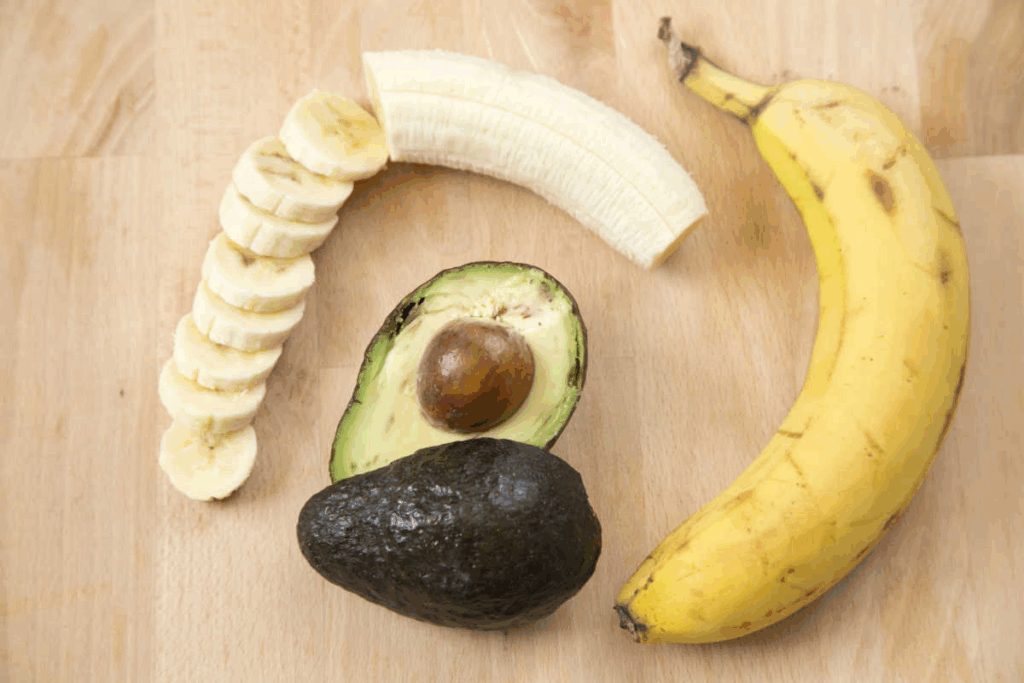
- Bananas: Known for their potassium content.
- Apricots: Fresh or dried, they’re a good source.
- Cantaloupe: Refreshing and rich in potassium.
- Guava: Packed with potassium and other nutrients.
- Avocados: A fruit that’s also a great source of potassium.
Vegetables with High Potassium Content
Vegetables are also key for boosting potassium levels. Here are some high-potassium veggies:
- Spinach: Cooked spinach is very high in potassium.
- Sweet Potatoes: Baked sweet potatoes are tasty and rich in potassium.
- Broccoli: A nutrient-dense veggie that’s good for potassium.
- Mushrooms: Some mushrooms, like shiitake, are good sources of potassium.
Other Potassium-Rich Foods
Other foods can also help with your potassium intake:
Food | Potassium Content per Serving |
Salmon | 534 mg per 3 oz serving |
Beans (white or kidney) | 1128 mg per cup cooked |
Nuts and seeds (almonds, pumpkin seeds) | Varies, but generally a good source |
Medical Expert, a nutrition expert, said, “Eating a variety of whole foods is the best way to get enough potassium and other nutrients.”
How to Improve Potassium Intake Through Daily Diet
To boost your potassium intake, focus on a balanced diet. Include foods rich in potassium. A good meal plan is key to getting enough potassium every day.
Creating a Potassium-Rich Meal Plan
Creating a meal plan rich in potassium means adding foods high in potassium. Choose whole foods over supplements for better nutrition. Make sure to include fruits, vegetables, and legumes in your diet.
- Start your day with a potassium-rich breakfast, such as oatmeal with banana and nuts.
- Incorporate leafy greens like spinach into your meals.
- Choose potassium-rich snacks like dried apricots and yogurt.
Medical Expert, a renowned nutritionist, said, “A diet rich in whole foods can provide adequate potassium and support overall health.”
“The key to a healthy diet is variety and balance. Including a range of potassium-rich foods can help maintain optimal potassium levels.”
Cooking Methods to Preserve Potassium Content
Certain cooking methods can affect the potassium in foods. Steaming is great for veggies, as it keeps potassium levels high. Avoid boiling, as it can wash away a lot of potassium.
- Steam vegetables instead of boiling them.
- Use a steamer basket to keep vegetables out of the water.
- Cook foods quickly to preserve their nutritional content.
Sample Daily Menu for Optimal Potassium Intake
Here’s a daily menu to help you get enough potassium:
Meal | Food | Potassium Content (mg) |
Breakfast | Oatmeal with banana | 422 + 422 = 844 |
Lunch | Spinach salad with avocado | 840 + 708 = 1548 |
Snack | Dried apricots | 1512 |
Dinner | Baked potato with lentils | 748 + 731 = 1479 |
By following this meal plan and using cooking methods that save potassium, you can improve your intake. Remember, a balanced diet is essential for keeping potassium levels right.
Potassium Supplements: Benefits and Limitations
Knowing the good and bad of potassium supplements is key to good health. These supplements help when food alone can’t provide enough potassium. They are a good choice for those who need more potassium.
FDA Regulations on Potassium Supplements
The FDA sets rules for how much potassium is allowed in supplements. The limit is 99 mg per serving. This rule is to keep people safe from too much potassium.
It’s important to talk to a doctor before taking any supplements. They can help you understand the risks and benefits.
“The FDA’s regulation on potassium supplements highlights the need for careful management of potassium intake, specially for individuals with pre-existing health conditions.”
When Supplements May Be Necessary
Some people need potassium supplements for health reasons. For example:
- Those with kidney problems might need supplements to keep potassium levels right.
- People on certain medicines might also need supplements to balance potassium.
- Those on very strict diets could benefit from supplements too.
Different Forms of Potassium Supplements
Potassium supplements come in different types. Each has its own benefits. The most common types are:
- Potassium gluconate: It’s popular in supplements because it’s easily absorbed by the body.
- Potassium citrate: Doctors might prescribe it for people with kidney stones.
- Potassium chloride: It’s often used in hospitals to treat low potassium levels.
Talking to a doctor is important to find the right supplement for you. They can help choose the best type and amount.
Balancing Potassium with Other Electrolytes
Keeping potassium and other electrolytes in balance is key for good health. Electrolytes are minerals that help with nerve function, muscle contraction, and staying hydrated. Potassium works with other electrolytes to keep our body running smoothly.
The Sodium-Potassium Relationship
The link between sodium and potassium is very important. These minerals help keep fluid balance and blood pressure right. Sodium controls water levels, while potassium helps lower sodium’s effects and relaxes blood vessel walls.
It’s vital to balance sodium and potassium for heart health. We should watch our sodium intake, making sure we eat enough potassium-rich foods.
Other Minerals That Affect Potassium Balance
Minerals like magnesium and calcium also play a role in potassium balance. Magnesium helps manage potassium in the body. Calcium works with potassium in muscles and nerves. Not enough magnesium or calcium can upset potassium levels.
- Magnesium helps regulate potassium channels.
- Calcium interacts with potassium in muscle and nerve functions.
- A balanced diet with these minerals is key for good potassium levels.
It’s not just about eating enough potassium. We need to balance it with other important minerals. This ensures our body works well and we stay healthy.
Health Benefits of Adequate Potassium Levels
Having enough potassium is good for your health. It helps your heart and improves how well you move. We’ll look at how it helps you stay healthy.
Blood Pressure Regulation and Heart Health
Potassium helps control blood pressure. It balances out sodium’s effects, keeping blood vessels healthy. This can lower blood pressure in people with high blood pressure.
This is good for your heart health. It can lower the risk of heart disease and stroke. Keeping blood pressure in check is key.
Potassium also keeps your heart rhythm steady. It supports your heart’s function. This can lower the risk of heart disease.
Muscle Function and Exercise Performance
Potassium is key for muscle function and exercise performance. It helps muscles work right during activity. Without enough, you might get muscle cramps or feel tired.
It’s very important for athletes. They need it to perform better and avoid muscle problems.
Nerve Transmission and Brain Function
Potassium is also important for nerve transmission and brain function. It helps nerves send signals. This is important for thinking and moving.
It can also help prevent neurological problems. Getting enough potassium supports your brain and memory.
Special Considerations for Potassium Intake
Potassium is key for everyone, but some groups need more. Life stages or health conditions might require different amounts of potassium to stay healthy.
Potassium Needs During Pregnancy and Breastfeeding
Pregnancy boosts the need for potassium. It helps keep blood pressure in check and supports heart health. The American College of Obstetricians and Gynecologists suggests a diet full of potassium for pregnant women. Breastfeeding moms also need enough potassium to keep their stores up and support milk making.
Pregnant and breastfeeding women should eat foods high in potassium like leafy greens, fruits, and legumes. Getting advice from a healthcare provider is important.
Considerations for Athletes and Highly Active Individuals
Athletes lose potassium through sweat, which is more during hard or long workouts. Replenishing potassium is key to keep muscles working right and avoid cramps. Foods or supplements high in potassium can help athletes meet their needs.
Athletes should eat a balanced diet with foods rich in potassium. Sometimes, a healthcare provider might suggest potassium supplements, mainly for those in high-intensity sports.
Potassium Intake for Older Adults
Older adults face a higher risk of potassium deficiency. This is due to kidney function decline, medication side effects, and diet changes. Getting enough potassium is vital for blood pressure and heart health.
Older adults should eat foods high in potassium like bananas, avocados, and spinach. They should also talk to their healthcare provider about their potassium needs, if they’re on medications that affect potassium levels.
Potential Risks of Excessive Potassium Intake
Too much potassium can be harmful. It’s important to know the risks of too much potassium to stay healthy.
Symptoms of Hyperkalemia
High potassium levels can cause serious problems. Symptoms include nausea and vomiting, irregular heart rate, and cardiac arrest. Spotting these signs early is key to avoiding worse issues.
Other symptoms are fatigue, muscle weakness, and numbness or tingling sensations. If you’re feeling these and have eaten a lot of potassium, see a doctor.
Medical Conditions That Affect Potassium Regulation
Some health issues can mess with potassium levels. For example, kidney disease makes it hard to get rid of extra potassium.
Other problems, like adrenal insufficiency or certain heart conditions, also affect potassium. Knowing about these can help manage potassium better.
Medications That Interact with Potassium
Some drugs can raise potassium levels. Potassium-sparing diuretics and certain blood pressure medications are examples.
People taking these should watch their potassium intake closely. Talking to a doctor can help figure out how to keep potassium levels right.
Understanding the dangers of too much potassium helps keep levels balanced. This is important for staying healthy.
Conclusion: Maintaining Optimal Potassium Levels for Long-Term Health
Keeping potassium levels right is key for good health. Eating foods rich in potassium helps a lot. We talked about how important potassium is, how much we should eat, and the dangers of too much.
Eating foods high in potassium and knowing the risks helps keep you healthy. We suggest making a meal plan with lots of potassium. Also, choose cooking methods that keep potassium in your food.
To keep potassium levels in check, eat well and know what you need. This way, you support your health for the long run.
FAQ
What is the recommended daily intake of potassium?
Adults need about 4,700 mg of potassium each day. This amount changes based on age and sex.
Is 99 mg of potassium too much?
No, 99 mg is a small amount. It’s much less than the daily recommended intake. Always follow the recommended dosage to avoid too much.
What are the signs and symptoms of low potassium levels?
Low potassium can cause muscle weakness and fatigue. It also leads to constipation and heart palpitations. Severe cases can cause muscle paralysis and abnormal heart rhythms.
What are the best food sources to improve potassium levels?
Eat foods like bananas, avocados, and spinach to boost potassium. Sweet potatoes and beans are also good sources.
Can I take potassium supplements to improve my potassium levels?
Potassium supplements can help, but talk to a doctor first. They might interact with your medications or cause problems.
How can I balance potassium with other electrolytes?
Eat a variety of whole foods to balance potassium with sodium, calcium, and magnesium.
Are there any special considerations for potassium intake during pregnancy and breastfeeding?
Yes, pregnant and breastfeeding women need different amounts of potassium. Always check with a healthcare provider for the best advice.
Can excessive potassium intake be harmful?
Yes, too much potassium can cause high levels in the blood. This can lead to heart problems and other issues.
How do I know if I’m at risk for hyperkalemia?
Certain conditions and medications can raise your risk. Talk to a doctor to find out if you’re at risk.
What is the daily recommended dose of potassium for men and women?
Both men and women need about 4,700 mg of potassium daily. But, your needs can change based on your age, sex, and activity level.
How much potassium do I need every day?
Adults need about 4,700 mg of potassium daily. But, your needs can vary based on your age, sex, and health.
What are the health benefits of adequate potassium levels?
Enough potassium helps control blood pressure and supports heart health. It also aids in muscle function and nerve signals.
References
Government Health Resource. Pituitary Gland: Alternative Names and Functions. Retrieved from https://histology.siu.edu/erg/pituit.htm