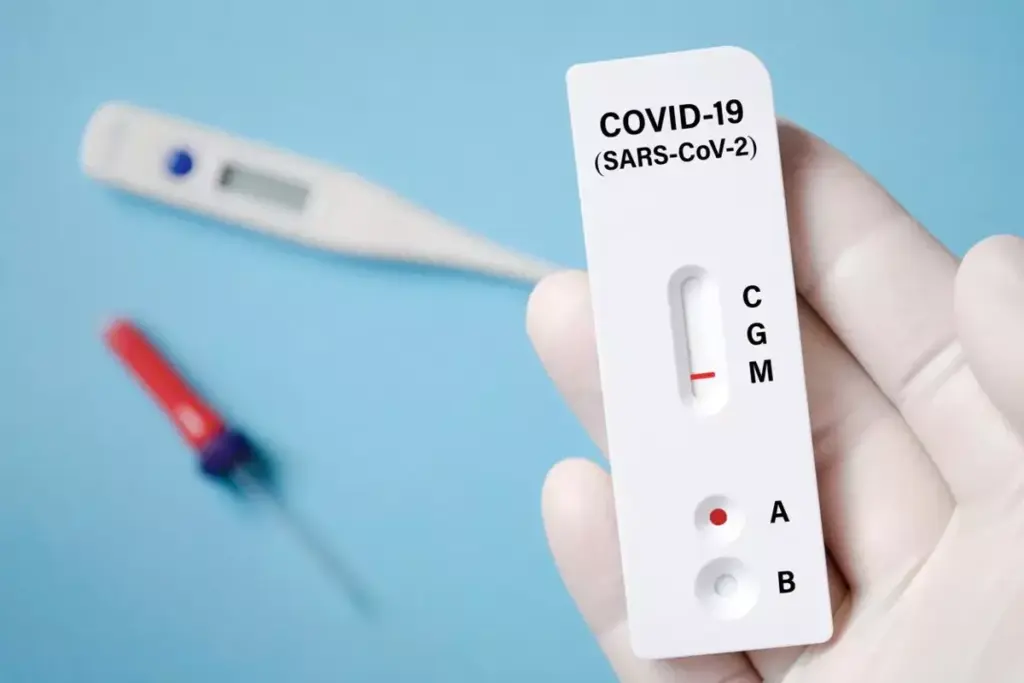
Getting a positive COVID-19 test can be scary. It makes you wonder how to safely isolate and stop the virus from spreading. The Centers for Disease Control and Prevention (CDC) has changed its rules. Now, they don’t just follow a single timeline for everyone.
Before, people were told to stay isolated for five days. But now, the CDC says it’s more important to watch for symptoms and fever. They say you should stay home and avoid others when you’re sick or have COVID-like symptoms, even if they’re mild.
At Liv Hospital, we know how important clear guidance is. We aim to give you reliable, science-backed advice to help you recover safely. By looking at symptom improvement, not just a set time, we can keep those who are most at risk safe and stop the virus from spreading.
Key Takeaways
- Isolation duration is now based on symptom improvement, not just a fixed time.
- You should have mild symptoms that are getting better for at least 24 hours before ending isolation.
- You must not have a fever for 24 hours without using medication to lower it.
- It’s key to watch your symptoms and fever to know when it’s safe to stop isolating.
- Following CDC guidelines helps keep vulnerable people safe and stops the virus from spreading.
Updated CDC COVID Isolation Guidelines

Over 98 percent of the U.S. population now has COVID immunity. This can be from vaccination or past infection. The CDC has updated its isolation rules to match those for other respiratory viruses. This is a big change in how we handle COVID-19.
The new rules started in March 2024. They reflect the changing COVID-19 situation and the growing immunity in the population. Studies show most Americans now have some immunity, either from vaccines or past infections.
The March 2024 Protocol Change
The CDC no longer suggests a specific time for isolation with COVID-19. Now, people can go back to normal when their symptoms get better and they’ve been fever-free for 24 hours. No medication to lower fever is allowed during this time.
Key Considerations:
- Return to normal activities after 24 hours without fever.
- Symptoms should be getting better overall.
- Take precautions to prevent spread, like wearing masks and staying away from others.
Why Guidelines Have Changed
The guidelines changed because of high immunity levels in the U.S. population. Many have been vaccinated or had COVID before. This changes how we see COVID-19. The CDC now treats COVID like other respiratory viruses, like flu and RSV.
The new rules make it easier for the public and healthcare to follow. They also show COVID-19 is now just another common respiratory illness, not a unique pandemic threat.
| Condition | Previous Guideline | Updated Guideline (March 2024) |
| Fever Status | Isolation until fever-free for 48-72 hours | Return to activities after 24 hours fever-free without medication |
| Symptom Consideration | Isolation until symptoms resolve | Return to activities when symptoms are improving overall |
When Are You No Longer Contagious With COVID

Figuring out when you’re no longer contagious with COVID involves understanding various factors. These include symptom progression and fever duration. The Centers for Disease Control and Prevention (CDC) provides guidelines to help individuals determine when they can safely end their isolation period.
Symptom-Based Isolation Timeline
The CDC suggests that individuals can return to their usual activities when their symptoms are improving. They must have been fever-free for at least 24 hours without the use of fever-reducing medication. This guideline emphasizes the importance of monitoring symptom progression.
Key factors to consider include:
- The overall improvement of symptoms
- Being fever-free for at least 24 hours without medication
- Taking additional precautions for five days after leaving isolation, such as wearing a well-fitting mask
It’s essential to note that even after symptoms improve, individuals may be contagious. So, post-isolation precautions are very important.
The 24-Hour Fever-Free Rule
Being fever-free for 24 hours without medication is a critical criterion for determining when you’re no longer contagious. This rule helps ensure that you’ve significantly reduced your viral load. It makes it safer to interact with others.
To apply this rule effectively:
- Monitor your temperature regularly
- Avoid using fever-reducing medications to mask symptoms
- Wait for at least 24 hours after your fever has resolved before ending isolation
Additional Precautions are recommended for five days after isolation ends. This includes wearing a mask, maintaining social distancing, and practicing good hygiene. These steps help minimize transmission risk.
By following these guidelines and taking the necessary precautions, we can reduce the risk of transmitting COVID-19 to others. This is even after we’re no longer in isolation.
Conclusion: Responsible Post-Isolation Practices
Understanding when you’re no longer contagious is key during COVID-19 isolation. The CDC suggests extra steps for five days after you leave isolation. This includes wearing a mask, staying away from others, and keeping clean.
Even after symptoms fade, you might be contagious. This is why we must stay careful to stop COVID-19 and cold viruses from spreading. Knowing you’re contagious when you have a cold is important.
To figure out when you’re safe again, watch your symptoms and follow CDC advice. Usually, you’re contagious until your symptoms go away and you’ve been without a fever for 24 hours. By being careful after isolation, we can keep others safe.
FAQ
How long am I contagious with COVID-19?
The CDC says you’re contagious until you’ve been fever-free for 24 hours. This is without using medicine and your symptoms are getting better.
What is the symptom-based isolation timeline?
The CDC uses a symptom-based approach to decide when you can stop isolating. It depends on how bad your symptoms are and if they’re getting better.
Are you contagious without a fever?
Yes, you can be contagious without a fever. But, being fever-free for 24 hours without medicine is a key sign you’re no longer contagious.
How long is a person contagious after a cold?
A cold makes you contagious a day or two before symptoms show. You can stay contagious for up to two weeks. But, you’re usually most contagious in the first few days.
How can I prevent the spread of COVID-19 to others?
To stop COVID-19 from spreading, follow CDC guidelines for isolation. Wear a mask, keep distance, and wash your hands often.
When are you no longer contagious with COVID-19?
You’re no longer contagious when you’ve been fever-free for 24 hours without medicine. And your symptoms are getting better.
How long is COVID-19 contagious?
How long COVID-19 is contagious varies. It depends on how bad your symptoms are and your overall health. You’re contagious until you meet the CDC’s criteria for ending isolation.
Is fever a sign of being contagious?
Fever can mean you’re contagious, but it’s not the only sign. You can also be contagious without a fever if you’re coughing or sneezing.
How long after fever breaks are you contagious?
The CDC says you’re no longer contagious 24 hours after your fever breaks. This is without medicine, as long as your symptoms are improving.
References
Government Health Resource. Evidence-Based Medical Guidance. Retrieved from https://www.cdc.gov/respiratory-viruses/guidance/faqs.html