
Managing diabetes is more than just taking medicine. It’s about living a healthy lifestyle. This includes eating right and staying active to keep blood sugar levels in check.
Studies show that losing a bit of weight can help a lot. Losing 5-7 percent of your body weight can lower the risk of getting Type 2 diabetes. It can also help those already living with it to better control their condition.
By using these tips and new healthcare options, people can live well with diabetes. They can enjoy life despite their diagnosis.
Key Takeaways
- Modest weight loss can significantly improve diabetes control.
- Continuous glucose monitoring is beneficial for managing Type 2 diabetes.
- Telehealth solutions enhance glycemic outcomes.
- A complete plan includes healthy eating and regular exercise.
- Diabetes Self-Management Education and Support (DSMES) programs improve self-management and patient satisfaction.
1. Building Your Diabetes Knowledge Base
It’s key for patients to know a lot about diabetes to manage their health well. They need to understand the condition, its treatments, and how to use the healthcare system.
Education in diabetes care is very important. It helps people make smart choices about their treatment. Knowing about diabetes lets them manage it better, lowering the chance of problems and improving their life.
Enroll in Diabetes Self-Management Education and Support Programs
Diabetes Self-Management Education and Support (DSMES) programs are very helpful for those with diabetes. They help improve how well people manage their diabetes, make them happier with their care, and keep blood sugar levels in check. Joining a DSMES program gives people the knowledge and confidence to handle their diabetes well.
DSMES programs offer many benefits, including:
- Improved understanding of diabetes and its management
- Enhanced self-management skills
- Better glycemic control
- Increased patient satisfaction
| Program Component | Description | Benefits |
| Diabetes Education | Comprehensive education on diabetes, its complications, and management strategies | Improved understanding and self-management |
| Self-Management Training | Training on self-management techniques, including blood glucose monitoring and medication management | Enhanced self-management skills |
| Ongoing Support | Ongoing support and guidance from healthcare professionals | Increased patient satisfaction and better health outcomes |
Understand Your Specific Diabetes Type and Treatment Plan
Knowing your diabetes type and treatment plan is very important for managing it well. Different types of diabetes need different care plans. Understanding your type helps you make the best choices for your care.
We suggest working closely with your healthcare team to create a care plan that fits you. This plan should consider your needs, lifestyle, and health goals. Following your treatment plan helps you get better health results and enjoy a better life.
2. Core Daily Practices for Living With Diabetes
Managing diabetes well means following a few key daily habits. These habits can greatly improve your life quality. By making these habits part of your daily routine, you can better control your diabetes and lower the risk of serious problems.
Monitor Your Blood Glucose Levels Regularly
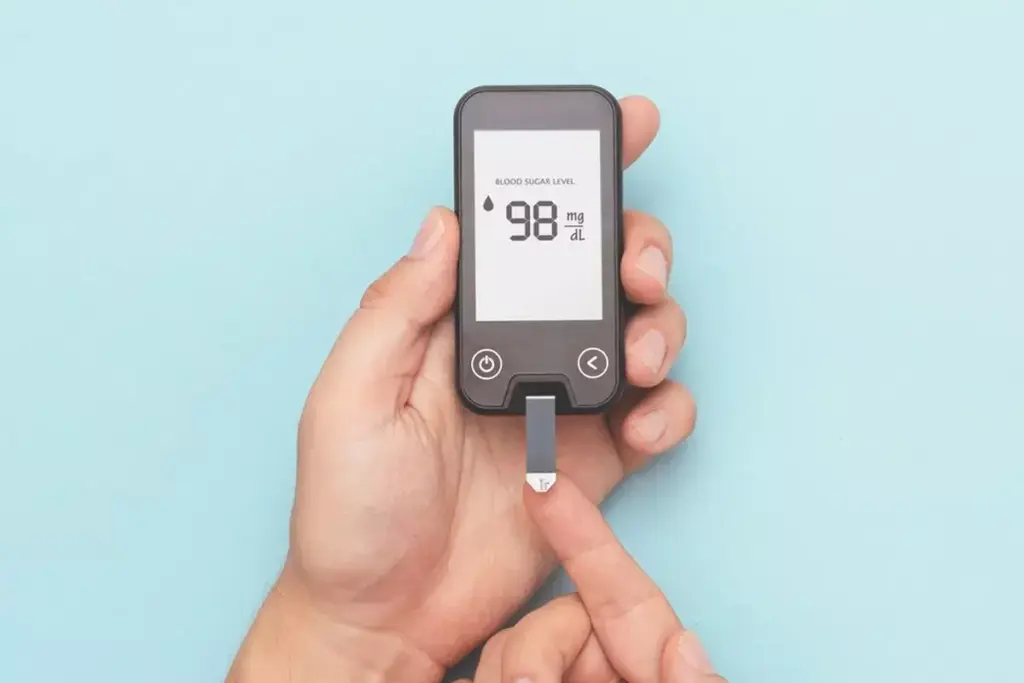
Checking your blood glucose levels often is key to managing diabetes. It shows how food, exercise, and medicine affect your blood sugar. We advise checking your levels at least four times a day, or as your doctor suggests.
Benefits of Regular Monitoring:
- Helps adjust your treatment plan as needed
- Provides insights into how your body responds to different foods and activities
- Enables you to make informed decisions about your diabetes care
Follow a Healthy, Balanced Eating Plan
Eating a healthy, balanced diet is vital for managing diabetes. It keeps your blood sugar levels in check and gives your body the nutrients it needs. We recommend eating whole, unprocessed foods like vegetables, fruits, whole grains, lean proteins, and healthy fats.
| Food Group | Recommended Foods | Benefits |
| Vegetables | Leafy greens, broccoli, carrots | Rich in fiber, vitamins, and minerals |
| Fruits | Apples, berries, citrus fruits | High in antioxidants and fiber |
| Whole Grains | Brown rice, quinoa, whole wheat bread | Good source of fiber and nutrients |
Engage in Regular Physical Activity
Regular exercise is also key to managing diabetes. It helps lower your blood sugar levels and boosts your health. We suggest doing at least 150 minutes of moderate- to vigorous-intensity aerobic exercise each week. Also, include resistance exercises to build muscle.
By regularly checking your blood glucose, eating healthily, and staying active, people with diabetes can manage their condition well. This way, they can live active and healthy lives.
3. Leveraging Technology and Support for Diabetes Management
Technology and support systems are changing how we manage diabetes. They help us deal with the challenges of diabetes care. Technology is key in making our diabetes management better.
Adopting Continuous Glucose Monitoring Systems
Continuous glucose monitoring (CGM) systems have changed how we track blood sugar. They give us real-time data. This lets people with diabetes make better care choices.
CGM systems have many benefits. They alert us to high or low blood sugar. This helps prevent serious diabetes problems.
Utilizing Telehealth and Digital Diabetes Management Tools
Telehealth and digital tools are now key in diabetes care. They make it easier to get care and manage diabetes. This is true for those who can’t easily visit doctors.
Telehealth lets us talk to doctors without going to the office. Digital tools, like apps, help us track our diabetes. They let us set reminders and talk to our healthcare team.
Key Features of Digital Diabetes Management Tools:
- Personalized care plans
- Real-time glucose tracking
- Medication reminders
- Secure messaging with healthcare providers
| Technology | Benefits | Impact on Diabetes Management |
| Continuous Glucose Monitoring | Real-time glucose data, alerts for high/low levels | Improved glycemic control, reduced risk of complications |
| Telehealth Services | Remote consultations, increased accessibility | Enhanced patient engagement, better care coordination |
| Digital Diabetes Management Tools | Comprehensive care planning, tracking, and communication | More personalized and effective diabetes management |
Conclusion
We’ve looked at many ways to manage diabetes, from learning about it to using new technology. Knowing your diabetes type and treatment helps you control it. This improves your life quality.
Managing diabetes means more than just knowing about it. It’s about daily habits like checking blood sugar, eating right, and staying active. Tools like continuous glucose monitors and telehealth help too. They make managing diabetes easier and healthier.
Every person’s journey with diabetes is different. Finding the right care and support is key. By following 7 essential tips, people with diabetes can handle its challenges better. We urge everyone to be active in their care. Work with your healthcare team to create a plan that fits you.
FAQ
What are the essential components of a complete diabetes management plan?
A complete plan for managing Diabetes includes healthy eating, regular physical activity, medication if prescribed, blood glucose monitoring, and routine medical check-ups.
How can Diabetes Self-Management Education and Support (DSMES) programs help individuals with diabetes?
Diabetes Self-Management Education and Support (DSMES) programs teach people practical skills to monitor blood sugar, manage diet, take medications correctly, and prevent complications.
What is the recommended amount of physical activity for individuals with diabetes?
Health guidelines recommend at least 150 minutes of moderate exercise per week for people with Diabetes.
How can technology improve diabetes management?
Digital tools like glucose monitoring apps, wearable devices, and smart insulin pens help track blood sugar and improve daily diabetes management.
What is the significance of monitoring blood glucose levels regularly?
Regular monitoring helps people with Diabetes understand how food, activity, and medications affect their blood sugar levels.
How can individuals with diabetes benefit from telehealth and digital diabetes management tools?
Telehealth and mobile apps allow patients with Diabetes to track data, consult doctors remotely, and receive personalized treatment advice.
What is the impact of modest weight loss on the risk of developing Type 2 diabetes?
Losing even 5–7% of body weight can significantly reduce the risk of developing Type 2 Diabetes.
References
here are three basic approaches to the laboratory measurement of blood glucose concentration: reducing methods, condensation methods, and enzymatichttps://www.ncbi.nlm.nih.gov/books/NBK248/