

Are you having trouble losing weight? Insulin resistance might be the reason. We offer a proven method that combines personalized nutrition with expert advice. This helps you regain control of your metabolism and lose weight for good.
First, you need to understand how insulin resistance leads to weight gain. Studies show that losing just 5 to 7 percent of your body weight can make a big difference. It can improve your insulin sensitivity and lower your risk of diabetes.
Key Takeaways
- Modest weight loss can improve insulin sensitivity.
- Personalized nutrition counseling is key for managing insulin resistance.
- Expert advice and lifestyle changes can lead to lasting weight loss.
- Insulin resistance is a big metabolic challenge affecting millions worldwide.
- Lifestyle changes can greatly improve insulin sensitivity.
Understanding Insulin Resistance and Its Impact on Weight Loss

knowing about insulin resistance is key to losing weight well. It’s when your body’s cells don’t use insulin right. This hormone helps control blood sugar. So, sugar stays in the blood instead of getting into cells, causing health problems.
What Is Insulin Resistance and Why It Causes Weight Gain
Insulin resistance can lead to many health issues, like type 2 diabetes and obesity. Things like your genes, not moving much, and eating too much sugar can make it worse. When your cells resist insulin, you might gain weight, mainly around your belly.
“Insulin resistance makes it hard to lose weight,” says Medical Expert, an endocrinologist. “It’s not just about dieting. It’s about how your body uses insulin and making lifestyle changes.”
The Connection Between Stubborn Weight and Glucose Intolerance
Glucose intolerance, linked to insulin resistance, also makes losing weight tough. It’s when your body can’t handle blood sugar well, leading to more fat and weight gain. This can lead to type 2 diabetes and other metabolic problems.
To tackle glucose intolerance and insulin resistance, eating right is key. Focus on foods like veggies, fruits, whole grains, and lean proteins. These help control blood sugar and improve how well your body uses insulin.
How Losing Just 5-7% of Body Weight Transforms Insulin Sensitivity
Studies show losing 5 to 7 percent of your body weight can really help with insulin sensitivity. This can be done by changing what you eat, moving more, and other lifestyle changes. Losing weight and improving insulin sensitivity can lower your risk of type 2 diabetes and other metabolic issues.
For example, losing 10-14 pounds for someone who weighs 200 pounds can make a big difference. It improves health and helps keep weight off longer.
By understanding insulin resistance, you can start a healthier lifestyle. This means making smart food choices, being more active, and making other lifestyle changes. These steps help improve insulin sensitivity and overall health.
Best Diet for Insulin Resistance: Proven Strategies for Sustainable Weight Loss
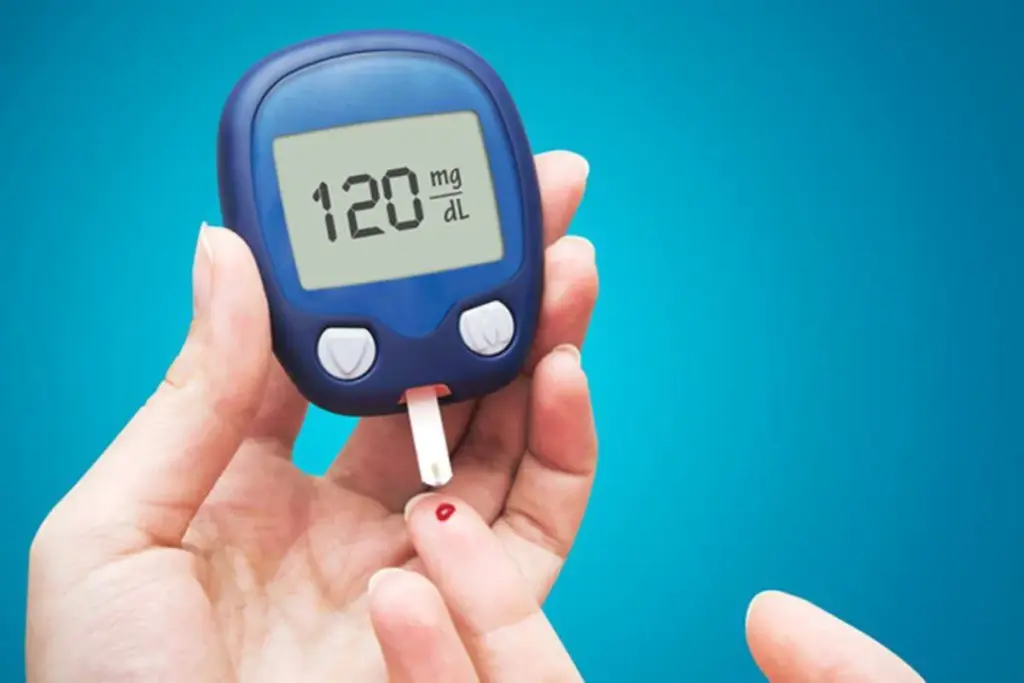
Managing insulin resistance needs a full plan. This includes changing what you eat, staying active, and making lifestyle changes. A complete strategy helps manage the condition and leads to lasting weight loss.
The Low Glycemic Index Approach to Managing Insulin Resistance
The low glycemic index (GI) method is great for insulin resistance. It focuses on eating foods that slowly release glucose. This prevents sudden spikes in blood sugar. Foods like whole grains, non-starchy veggies, and most fruits are good for stable blood sugar.
Adding more low GI foods to your diet boosts insulin sensitivity. It also lowers the risk of health problems linked to insulin resistance.
What to Eat When Insulin Resistant: Building a Balanced Plate
Creating a balanced plate is key when fighting insulin resistance. Fill your plate with nutrient-rich foods like lean proteins, healthy fats, and complex carbs. Eating foods high in fiber, like fruits, veggies, and whole grains, helps control blood sugar and improves insulin sensitivity.
Also, include lean proteins like poultry, fish, and legumes. They keep you full and support your health.
Foods to Limit or Avoid for Better Insulin Control
Knowing what to avoid is as important as knowing what to eat. Foods high in added sugars, saturated fats, and refined carbs worsen insulin resistance. Stay away from processed foods, sugary drinks, and refined grains to improve insulin control and health.
Making smart food choices helps manage insulin resistance. It also lowers the risk of health problems.
Comprehensive Lifestyle Strategies: Combining Diet, Exercise, and Behavioral Changes
A complete lifestyle plan is essential for managing insulin resistance and losing weight. Regular exercise, like walking or swimming, boosts insulin sensitivity and health.
Behavioral changes, like managing stress and eating mindfully, also help. A full approach leads to better insulin control and weight loss.
Conclusion: Your Action Plan for Sustainable Weight Loss with Insulin Resistance
Managing insulin resistance needs a mix of diet changes, more exercise, and lifestyle tweaks. Eating a diet rich in fiber and low in processed foods helps improve insulin sensitivity. This can lead to lasting weight loss.
Research shows losing 7% of body weight can lower the risk of type 2 diabetes by 58%. Adding regular exercise, drinking more water, and managing stress also helps. Losing weight and improving insulin sensitivity takes time, patience, and the right guidance.
Combining a healthy diet, exercise, and stress management can greatly benefit those with insulin resistance. It can improve health and quality of life. We can help you tackle insulin resistance and live a healthier life with a detailed plan.
FAQ
What is insulin resistance and how does it affect weight loss?
Insulin resistance occurs when cells don’t respond properly to insulin, causing higher blood sugar and insulin levels.
Elevated insulin promotes fat storage and makes losing weight more difficult.
How can dietary changes help manage insulin resistance?
Eating high-fiber, low-glycemic foods helps stabilize blood sugar and reduce insulin spikes.
Balanced meals with lean protein and healthy fats improve insulin sensitivity.
What foods should be limited or avoided for better insulin control?
Limit refined carbohydrates, sugary drinks, processed snacks, and trans fats.
These foods cause rapid blood sugar spikes and worsen insulin resistance.
How much weight loss is required to improve insulin sensitivity?
Losing just 5–10% of body weight can significantly improve insulin sensitivity.
Even modest weight reduction lowers insulin levels and improves metabolic health.
What is the best diet for insulin resistance?
A Mediterranean-style or lower-carbohydrate diet rich in whole foods is often recommended.
These approaches emphasize vegetables, lean proteins, healthy fats, and minimal processed sugars.
Can physical activity help manage insulin resistance?
Yes, regular exercise increases glucose uptake by muscles and improves insulin sensitivity.
Both aerobic activity and strength training are effective.
How can stress management and hydration support weight loss with insulin resistance?
Chronic stress raises cortisol, which can increase blood sugar and fat storage.
Proper hydration and stress-reduction techniques help regulate hormones and appetite.
What lifestyle strategies can help individuals with insulin resistance achieve sustainable weight loss?
Prioritize consistent sleep, balanced nutrition, regular exercise, and portion control.
Long-term habits, not extreme dieting, provide the most sustainable results.
References
Dietary therapy with sodium reduction, fat reduction, calorie restriction, and attention to the glycemic index of foodshttps://www.ncbi.nlm.nih.gov/books/NBK507839/