
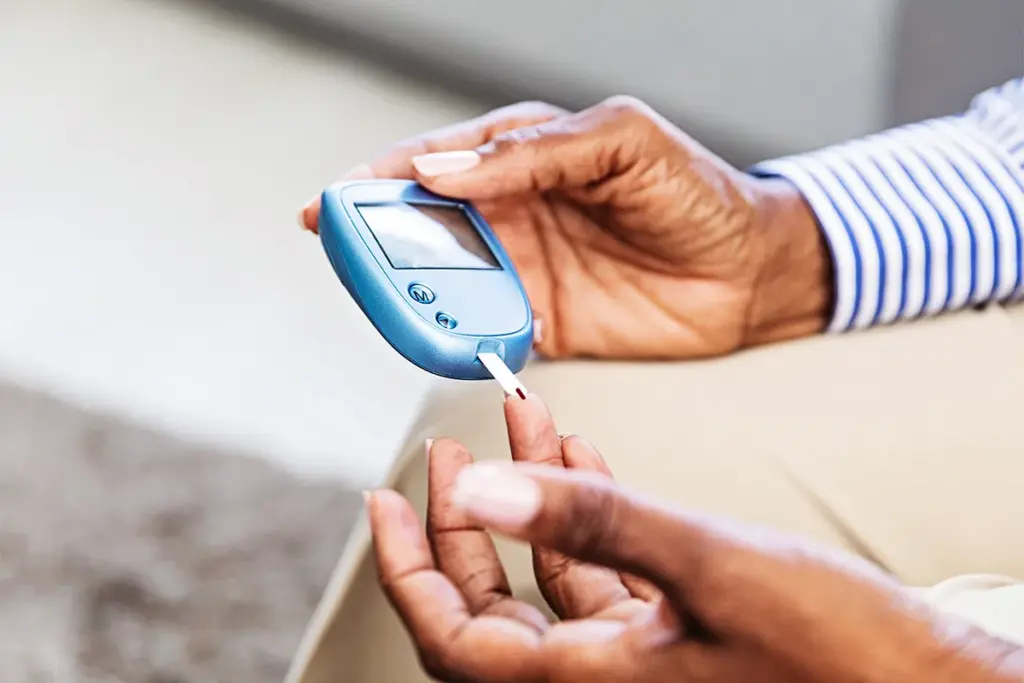
Keeping blood sugar and cholesterol levels in check is key for good health. It’s vital for heart health and preventing diabetes. Making changes to what we eat is a big part of this.
Studies have found that following a Nordic diet pattern can really help. It lowers blood sugar and cholesterol, even if you don’t lose weight. This diet emphasizes healthy fats from fish, nuts, seeds, and rapeseed oil.
By using certain eating habits, people can cut down on heart disease and diabetes risks. Our guide will show you how to do this. It offers real tips and backed-up dietary advice to help you stay healthy.
Key Takeaways
- Adopting a Nordic diet pattern can help lower blood sugar and cholesterol levels.
- Incorporating healthy unsaturated fats from sources like fish and nuts is beneficial.
- Dietary changes play a critical role in managing blood sugar and cholesterol.
- Reducing cardiovascular disease and diabetes risk is achievable through dietary adjustments.
- Evidence-based dietary strategies can empower individuals to maintain optimal metabolic health.
Understanding the Blood Sugar and Cholesterol Connection

The link between blood sugar and cholesterol is key to heart health. High LDL cholesterol can clog arteries, raising heart disease risk. Uncontrolled blood sugar can also harm blood vessels, making heart problems worse.
Why is it important to manage both blood sugar and cholesterol for heart health? Unchecked blood sugar can damage blood vessel linings, making them prone to plaque buildup. This plaque, mainly cholesterol, can cause arteries to narrow and harden.
Why Managing Both Conditions Is Critical for Heart Health
Managing blood sugar and cholesterol is vital because they affect each other. High blood sugar can raise LDL (bad) cholesterol and lower HDL (good) cholesterol. By controlling blood sugar, we can also improve our cholesterol levels.
- Reduced Cardiovascular Risk: Lowering LDL cholesterol reduces the risk of cardiovascular events.
- Improved Vascular Health: Managing blood sugar levels helps maintain healthy blood vessels.
- Enhanced Overall Well-being: Controlling both conditions contributes to better overall health and reduced risk of complications.
The 22% Risk Reduction: What the Statistics Tell Us
Recent studies show that every 1 mmol/L drop in LDL cholesterol cuts major heart events by 22%. This big drop in risk shows how vital it is to manage cholesterol for heart health.
By understanding the blood sugar and cholesterol link and taking action, we can lower heart disease risk. This means not just medication, but also diet and exercise changes.
- Monitor your blood sugar and cholesterol levels regularly.
- Adopt a diet rich in fruits, vegetables, and whole grains.
- Engage in regular physical activity to improve insulin sensitivity and heart health.
By following these steps, we can lower our blood sugar and cholesterol levels. This helps reduce the risk of heart disease.
Essential Dietary Strategies for Lowering Blood Sugar and Cholesterol

Diet is key in managing blood sugar and cholesterol. The right diet can improve health. Focusing on certain foods and nutrients can help lower blood sugar and cholesterol.
Adopt the Nordic Diet Pattern
The Nordic diet is full of whole grains, fruits, veggies, and healthy fats. It’s good for blood sugar and cholesterol. This diet includes:
- Whole grains like oats, barley, and rye
- A variety of fruits and vegetables
- Healthy fats from nuts, seeds, and fatty fish
- Lean proteins, including poultry and fish
Eating these foods can improve blood sugar control and lower LDL cholesterol.
Increase Your Fiber Intake to 25-30 Grams Daily
More fiber can lower LDL cholesterol and help blood sugar. Aim for 25-30 grams of fiber a day with:
- High-fiber fruits like berries, apples, and pears
- Legumes, including beans, lentils, and peas
- Whole grain products, such as whole wheat bread and brown rice
Fiber-rich foods slow sugar absorption and lower cholesterol. They support heart health.
Specific Foods and Practical Implementation Tips
Managing blood sugar and cholesterol levels starts with what we eat. The right foods can help control these health markers. We’ll look at foods that lower blood sugar and cholesterol, and how to add them to your diet.
Incorporate Healthy Unsaturated Fats
Healthy fats are key for better cholesterol and heart health. Foods like avocados, olive oil, nuts, and fatty fish are full of these fats. Adding them to your meals can boost HDL and lower LDL cholesterol.
- Avocados: Rich in monounsaturated fats, avocados can help raise HDL cholesterol.
- Olive Oil: A key component of the Mediterranean diet, olive oil is rich in healthy fats.
- Nuts: Almonds, walnuts, and other nuts are good sources of unsaturated fats.
- Fatty Fish: Salmon, mackerel, and sardines are rich in omega-3 fatty acids.
Choose Lean Proteins and Complex Carbohydrates
It’s important to pick the right proteins and carbs for blood sugar and cholesterol. Lean proteins like poultry, fish, and legumes help control blood sugar. Complex carbs from whole grains, fruits, and veggies give lasting energy and fiber.
| Food Category | Examples | Benefits |
| Lean Proteins | Chicken, Fish, Legumes | Regulate blood sugar, low in saturated fats |
| Complex Carbohydrates | Whole Grains, Fruits, Vegetables | Provide fiber, sustained energy |
Eliminate Added Sugars That Harm LDL and HDL Levels
Too much added sugar can hurt blood sugar and cholesterol. It’s important to cut down on sugary drinks, baked goods, and processed foods with added sugars.
Conclusion
Making smart food choices can greatly lower your risk of heart disease and diabetes. At Liv Hospital, we aim to provide top-notch healthcare. We also offer full support for patients from around the world.
Changing your diet to lower blood sugar and cholesterol is key to staying healthy. By following the tips in this guide, you can manage your health better. This includes eating to reduce cholesterol and sugar levels.
Our team is here to help you with all your health needs. We guide you on how to lower your A1C and cholesterol levels. This way, we help you reach your health goals and live well.
FAQ
What is the best diet to lower blood sugar and cholesterol?
Balanced diets rich in whole foods, fiber, healthy fats, and lean proteins are most effective for lowering both blood sugar and cholesterol. Diet patterns such as the Mediterranean diet and Nordic diet are often recommended because they emphasize vegetables, whole grains, fish, and healthy fats.
How can I lower my LDL cholesterol and blood sugar levels?
You can lower LDL cholesterol and blood sugar by increasing fiber intake, reducing refined carbohydrates and saturated fats, exercising regularly, and maintaining a healthy weight. Limiting sugary foods and processed snacks is also important.
What foods can help lower blood sugar and cholesterol?
Foods such as oats, barley, beans, lentils, leafy greens, nuts, seeds, berries, and fatty fish help improve blood sugar control and reduce cholesterol. These foods are high in fiber, antioxidants, and healthy fats.
How does the Nordic diet pattern help manage blood sugar and cholesterol?
The Nordic diet focuses on whole grains like rye and oats, berries, root vegetables, and fish. This pattern provides high fiber and omega-3 fats that support heart health and better blood sugar control.
What are some practical tips for implementing dietary changes to lower blood sugar and cholesterol?
Start by replacing refined grains with whole grains, increasing vegetable intake, cooking with healthy oils like olive or canola oil, and reducing processed foods. Planning meals and reading nutrition labels can also help maintain healthier choices.
Can dietary changes really make a difference in managing blood sugar and cholesterol?
Yes, consistent dietary changes can significantly improve blood glucose control and lower LDL cholesterol levels. In many cases, lifestyle improvements can reduce the need for medication or enhance its effectiveness.
How can I reduce my risk of cardiovascular disease and diabetes through dietary changes?
Eating a balanced diet rich in vegetables, fruits, whole grains, and healthy fats while limiting sugar, salt, and saturated fat can lower the risk of heart disease and metabolic disorders such as Type 2 diabetes.
What are the benefits of increasing fiber intake for blood sugar and cholesterol management?
Fiber slows the absorption of glucose, helping stabilize blood sugar levels. It also reduces LDL cholesterol by binding to cholesterol in the digestive system and helping remove it from the body.
References
National Center for Biotechnology Information. Evidence-Based Medical Insight. Retrieved from https://pubmed.ncbi.nlm.nih.gov/32692035