
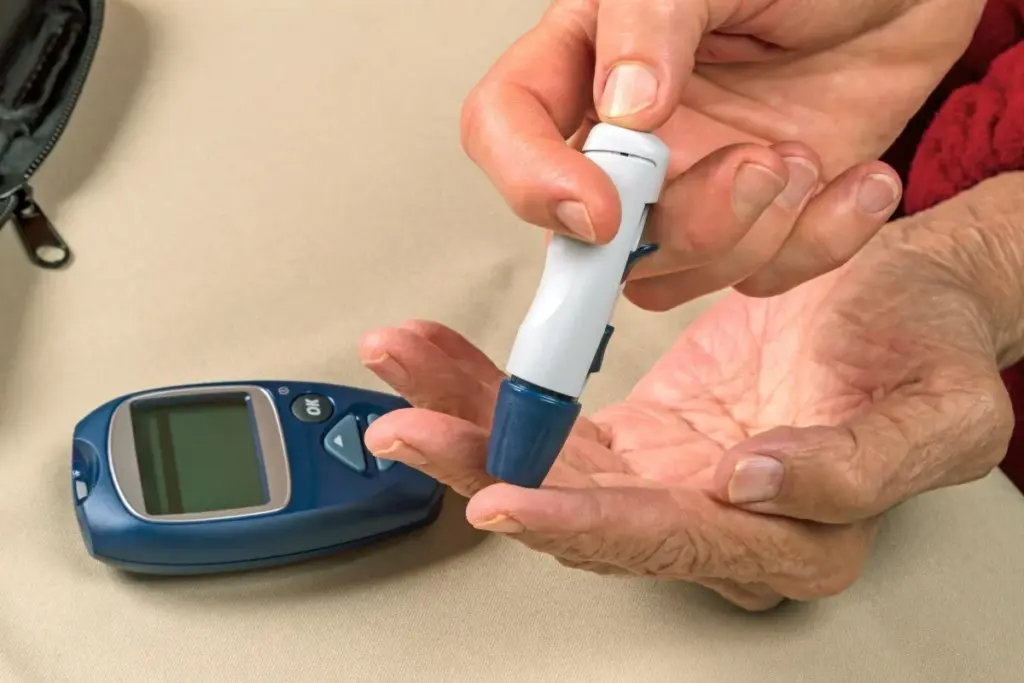
When blood sugar levels hit 700 mg/dL or more, every second is vital. This is a serious medical crisis that can harm organs, affect consciousness, and even be life-threatening. At Liv Hospital, they focus on the patient, giving them quick, proven treatments for this urgent situation.
With about 537 million adults worldwide dealing with diabetes, it’s key to understand the danger of a blood sugar level over 700. It’s a serious condition that needs quick medical help. Acting fast is vital to avoid severe problems.
Key Takeaways
- Recognize the severity of having a blood sugar level over 700 mg/dL as a medical emergency.
- Understand the importance of immediate hospitalization and intensive treatment.
- Know that Liv Hospital offers a patient-centered approach to managing acute hyperglycemic emergencies.
- Be aware that timely medical intervention is critical to prevent serious complications.
- Globally, millions of adults live with diabetes, making awareness and prompt action critical.
Understanding Blood Sugar Level 700: A Life-Threatening Emergency

When blood sugar levels hit 700 mg/dL, it’s a serious situation that needs quick help from doctors. At this high level, the body can’t use glucose for energy. This leads to serious problems.
What Happens When Blood Sugar Reaches 700 mg/dL
A blood sugar level of 700 mg/dL is very dangerous. The body gets very dehydrated and has metabolic acidosis. This can even cause someone to lose consciousness.
The kidneys make more urine because of the high glucose. This can cause dehydration if not treated right away.
The body’s cells can’t use glucose because of a lack of insulin. They start breaking down fat for energy, making ketones. This can cause diabetic ketoacidosis (DKA), a very serious condition.
Diabetic Ketoacidosis (DKA) vs. Hyperglycemic Hyperosmolar State (HHS)
DKA and HHS are both serious problems linked to high blood sugar. DKA has ketones in the blood. It often happens in people with type 1 diabetes, but can also affect those with type 2.
HHS is more common in older adults with type 2 diabetes. It’s marked by very high blood sugar and dehydration, but not much ketosis.
| Condition | Characteristics | Commonly Affects |
| Diabetic Ketoacidosis (DKA) | High blood sugar, ketones in blood, metabolic acidosis | Type 1 diabetes, can occur in type 2 diabetes |
| Hyperglycemic Hyperosmolar State (HHS) | Extremely high blood sugar, severe dehydration, no significant ketosis | Older adults with type 2 diabetes |
Why Blood Sugar Exceeds 700 mg/dL
Blood sugar can go over 700 mg/dL for many reasons. These include infection, insufficient insulin, or certain medicines. Knowing these reasons is key to preventing and treating it.
It’s important to know the signs of high blood sugar, like feeling very thirsty and needing to pee a lot. Getting medical help quickly can stop things from getting worse and prevent serious problems like DKA and HHS.
Immediate Emergency Steps for Blood Sugar Over 700
A blood sugar reading over 700 mg/dL is a serious medical emergency. Knowing the right steps can save your life.
Call 911 Without Delay
If your blood sugar is over 700 mg/dL, call 911 or your local emergency number right away. Do not try to drive yourself to the hospital. Wait for medical help to arrive.
Recognizing Critical Symptoms
It’s important to know the symptoms of dangerously high blood sugar. These include:
- Excessive thirst and dry mouth
- Frequent urination
- Fatigue and weakness
- Nausea and vomiting
- Confusion and disorientation
Spotting these symptoms early can help get timely help.
What NOT to Do at Home
While waiting for help, avoid certain actions:
| Action | Reason to Avoid |
| Taking extra insulin without a doctor’s advice | Can cause low blood sugar or make treatment harder |
| Ignoring symptoms | Can delay getting medical help |
| Drinking sugary drinks to rehydrate | Can make high blood sugar worse |
In summary, a blood sugar level over 700 mg/dL is a serious situation. Calling 911, recognizing symptoms, and avoiding certain actions at home are key. These steps can greatly improve the outcome.
Hospital Treatment Protocol for 700 Blood Sugar
When blood sugar hits 700 mg/dL, quick hospital action is key to avoid serious harm. Hospital plans aim to quickly fix hydration, cut glucose, and keep the patient stable.
Intravenous Fluid Replacement Therapy
Fluid replacement through an IV is a mainstay for treating high blood sugar. Aggressive saline rehydration helps balance fluids, boosts blood flow, and aids in sugar control. This treatment is given in hospitals where doctors can watch closely.
Insulin Administration Through IV
Insulin is key to lowering blood sugar. Giving insulin intravenously lets doctors control doses precisely and quickly. This method works best in hospitals where doctors can keep a close eye on patients.
Electrolyte Replacement and Monitoring
Severe high blood sugar often leads to electrolyte imbalances. Potassium replacement is often needed to prevent dangerous low potassium levels. Keeping an eye on electrolyte levels is key to avoid serious issues.
Continuous Medical Monitoring
Constant medical watch is essential for treating blood sugar over 700 mg/dL in hospitals. Doctors check blood sugar, electrolytes, and vital signs often. Close monitoring lets doctors adjust treatments as needed for the best results.
Conclusion
When blood sugar levels hit 700 mg/dL or higher, acting fast is key to avoid serious problems. It’s important to know the signs of diabetic ketoacidosis (DKA) or hyperglycemic hyperosmolar state (HHS). Getting emergency care is a must.
Handling high blood sugar well means quick medical help, making lifestyle changes, and keeping an eye on your levels. If you see blood sugar level 800 or blood sugar of 600, knowing the dangers and acting early can greatly reduce severe outcomes.
Dealing with diabetes in a full way can lower the risk of serious issues and make life better. Eating right, staying active, and following your doctor’s advice are key. These steps help manage diabetes well.
Teaching people how to handle high blood sugar is essential for keeping levels stable and avoiding emergencies. By taking charge of their health, people with diabetes can face its challenges head-on.
FAQ
What are the immediate steps to take when blood sugar levels exceed 700 mg/dL?
Seek emergency medical care immediately, stay hydrated, and avoid attempting home remedies, as this is a life-threatening situation.
What are the risks associated with having a blood sugar level over 700?
Risks include severe dehydration, organ failure, seizures, coma, and potentially death if not treated promptly.
What is the difference between Diabetic Ketoacidosis (DKA) and Hyperglycemic Hyperosmolar State (HHS)?
DKA involves high blood sugar with ketone production and acidosis, common in type 1 diabetes; HHS has extremely high blood sugar without significant ketones, usually in type 2 diabetes.
How is a blood sugar level over 700 treated in a hospital setting?
Treatment includes intravenous fluids, insulin therapy, electrolyte replacement, and continuous monitoring in an intensive care setting.
What are the symptoms of a blood sugar level over 700 that require immediate medical attention?
Symptoms include extreme thirst, frequent urination, confusion, nausea, vomiting, weakness, rapid breathing, and loss of consciousness.
Can a blood sugar level of 800 mg/dL be treated at home?
No, levels this high are a medical emergency and require hospitalization for safe treatment.
What happens if a blood sugar level over 700 is left untreated?
Untreated, it can lead to coma, organ failure, brain damage, and death.
How can I prevent my blood sugar levels from exceeding 700 mg/dL in the future?
Maintain consistent medication or insulin use, monitor blood sugar regularly, follow a healthy diet, exercise, and manage stress.
What are the long-term management strategies for preventing high blood sugar levels?
Strategies include daily blood glucose monitoring, regular medical check-ups, healthy diet, consistent exercise, and adherence to medications or insulin.
Can a blood sugar level over 600 mg/dL lead to serious complications?
Yes, it can cause severe dehydration, electrolyte imbalances, coma, and life-threatening complications if not treated promptly.
References
National Center for Biotechnology Information. Evidence-Based Medical Insight. Retrieved from https://pmc.ncbi.nlm.nih.gov/articles/PMC8465972/