
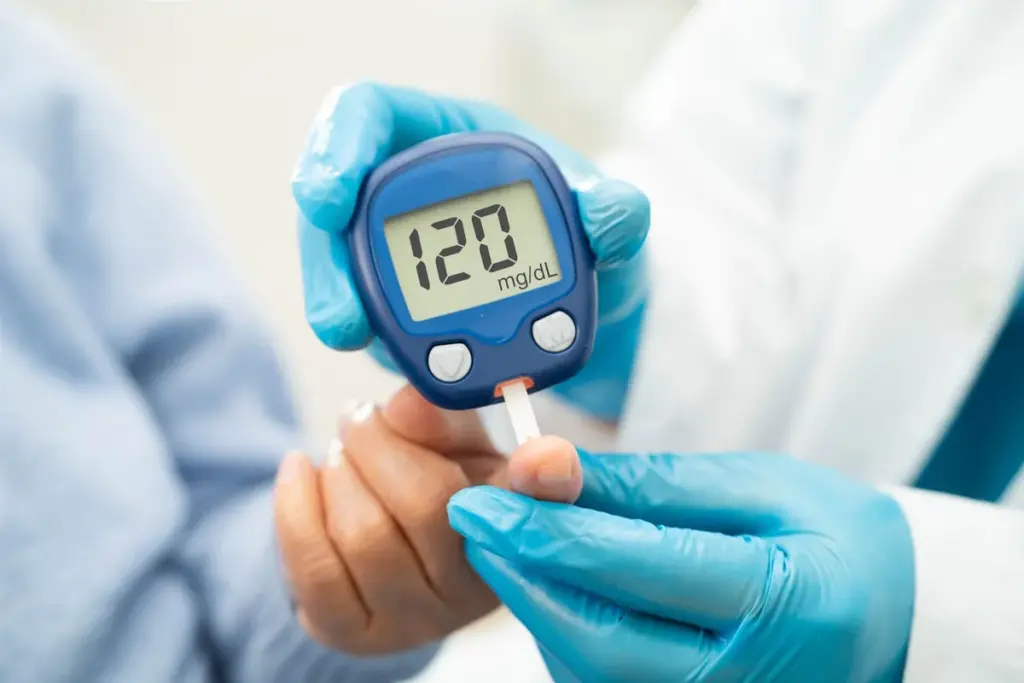
Keeping blood sugar levels in check can be tough. But exercise is a strong ally in this fight.
When you move your body, your muscles work hard. They pull glucose from your blood, using it for energy. This action lowers blood glucose levels right away. The Medical organization says regular exercise makes your body better at using insulin. This helps manage glucose levels over time.
The American Diabetes Association suggests doing at least 150 minutes of moderate exercise each week. Activities like brisk walking, cycling, or swimming are great. They help improve insulin sensitivity and lower blood sugar.
Key Takeaways
- Exercise improves insulin sensitivity, helping manage glucose levels.
- Regular physical activity reduces blood glucose levels naturally.
- Aerobic activities like brisk walking and cycling are recommended.
- At least 150 minutes of moderate-intensity exercise is suggested weekly.
- Exercise enhances the body’s ability to use insulin efficiently.
How Exercise Affects Blood Glucose Levels

Exercise is key in managing blood glucose. It affects both short-term and long-term glucose control. Physical activity helps lower blood sugar and boosts health.
The Science Behind Muscle Glucose Absorption Without Insulin
When we exercise, muscles take in glucose without insulin. This lowers blood sugar right away. Moderate-intensity aerobic exercise is great for reducing high blood sugar and lowering glucose levels over 24 hours.
Immediate Blood Sugar Reduction During Physical Activity
Exercise quickly lowers blood glucose. Muscles absorb glucose from the blood as they work. This is good for people with diabetes, helping control blood sugar spikes.
Regular physical activity also helps in the long run. It improves how the body handles glucose. Studies show that regular exercise can lower A1C levels, showing better blood sugar control over time.
Long-Term Benefits: Enhanced Insulin Sensitivity and Lower A1C
Regular exercise makes the body more sensitive to insulin. This means better glucose use in muscles and lower blood sugar. Both moderate-intensity aerobic exercise and high-intensity interval training can boost insulin sensitivity and lower A1C levels.
For example, 12 weeks of intense interval running can improve blood glucose as much as 150 minutes of moderate exercise each week. This shows that different workouts can help manage blood glucose levels.
Working Out Low Blood Sugar: Proven Exercise Strategies
To manage blood sugar well, it’s key to pick the right exercises. Exercise is a big part of managing diabetes and staying healthy. It offers many benefits that last long after you finish working out.
Moderate-Intensity Aerobic Exercise for Blood Sugar Control
Exercises like brisk walking, cycling, or swimming are great for controlling blood sugar. They help your body use insulin better and lower blood glucose. These activities also boost your heart health and help manage glucose levels.
High-Intensity Interval Training and Glucose Management
High-Intensity Interval Training (HIIT) mixes short, intense workouts with rest. It’s proven to help manage blood sugar and improve insulin use. HIIT can be done in many ways, making it fun and varied.
Post-Workout Blood Sugar Benefits: The 24-Hour Effect
Exercise’s benefits don’t stop when you finish. It can keep blood sugar low for up to 24 hours or more by making your body more sensitive to insulin. This shows how important regular exercise is for keeping blood sugar in check.
| Exercise Type | Impact on Blood Sugar | Duration of Benefits |
| Moderate-Intensity Aerobic Exercise | Improves insulin sensitivity, lowers blood glucose | Up to 24 hours |
| High-Intensity Interval Training (HIIT) | Effective in managing glucose levels, improves insulin sensitivity | Up to 24 hours |
Conclusion
Exercise is a powerful tool for lowering blood sugar. It works through several ways. Regular physical activity makes your body better at using insulin, lowers A1C levels, and reduces blood glucose levels.
By adding both aerobic and resistance training to your routine, you can see big improvements in blood sugar control. This mix helps manage and prevent diabetes.
Exercise has both immediate and long-term benefits for blood glucose. When you exercise, your muscles take in glucose, lowering your blood sugar. This natural process, along with better insulin sensitivity, makes exercise key for managing diabetes.
Knowing how exercise affects blood sugar can help you take charge of your health. By choosing the right physical activities, you can manage your glucose levels better. This improves your overall health and well-being.
Will exercise lower blood sugar? Yes, it does. Regular exercise helps keep your blood sugar levels in check, making your life better.
FAQ
Does exercise help lower blood sugar levels?
Yes, exercise helps muscles use glucose, which lowers blood sugar levels.
What does exercise do to blood sugar?
It reduces blood sugar by increasing glucose uptake and improving insulin sensitivity.
How does exercise affect blood glucose levels?
Exercise lowers blood glucose during and after activity and supports long-term glucose control.
What is the best exercise to lower blood sugar levels?
A combination of aerobic exercise and resistance training is most effective.
How long does exercise lower blood sugar?
Blood sugar can remain lower for 24 to 48 hours after consistent exercise.
Will exercise lower A1C?
Yes, regular exercise helps reduce A1C by improving overall blood sugar control.
Why does exercise lower blood sugar?
Exercise stimulates muscles to absorb glucose independently of insulin.
What type of exercise is best for blood sugar control?
Aerobic activities like walking or cycling combined with strength training work best.
How often should I exercise to lower blood sugar?
Aim for at least 150 minutes of moderate exercise per week, spread over most days.
References
In general, aerobic exercise decreases blood glucose levels if performed during postprandial periods with the usual insulin dose administered at the meal https://pmc.ncbi.nlm.nih.gov/articles/PMC6908414/