

Acute narrow angle glaucoma is a serious eye emergency that needs quick action. It happens when the pressure in the eye goes up too high. This is because the flow of fluid in the eye gets blocked.
This can lead to permanent blindness if not treated right away. It’s a big risk.
Knowing what causes it, spotting the signs, and understanding how to manage it can save your sight. Over 76 million people worldwide have glaucoma. This number is expected to grow to over 110 million by 2040.
So, managing acute angle glaucoma is very important.
Managing it well means using a complete plan. This includes finding out what’s wrong and treating it. By knowing the important steps, you can help keep your eyes healthy.
Key Takeaways
- Understanding the causes of acute narrow angle glaucoma
- Recognizing the symptoms of an acute glaucoma attack
- Knowing the essential management steps through laser iridotomy
- The importance of prompt treatment to prevent permanent blindness
- Global prevalence and projections of glaucoma
Understanding Acute Narrow Angle Glaucoma and Its Impact
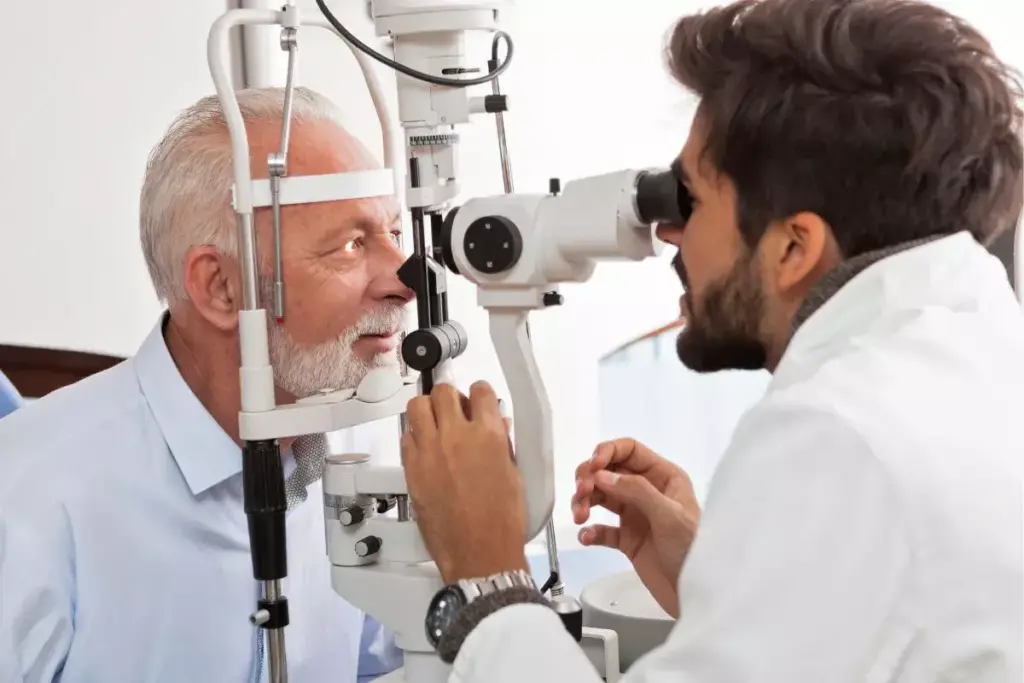
It’s important for both patients and doctors to know about acute angle-closure glaucoma. This condition is a serious eye problem that can hurt your sight. It happens when the pressure in your eye goes up too fast because the angle in the front of your eye closes.
What Is Acute Angle-Closure Glaucoma
Acute angle-closure glaucoma happens when the iris blocks the eye’s drainage angle. This blockage stops the fluid in the eye from draining. As a result, the pressure in the eye goes up quickly, damaging the optic nerve. “This is a serious eye emergency that needs quick help to avoid losing your sight.”
Causes of Acute Angle Closure Glaucoma
There are many reasons why acute angle closure glaucoma happens. Some are because of how the eye is shaped or how it works. Other reasons include certain medicines and things in the environment that can start an attack.
- Anatomical factors: shallow anterior chamber, thickened lens
- Physiological factors: pupillary dilation, lens movement
- Environmental triggers: dim lighting, certain medications
Global Prevalence and High-Risk Populations
Worldwide, about 0.6% of people have acute angle-closure glaucoma. But, the number of cases varies a lot in different places. In Europe, it happens to 2.2 to 4.1 people per 100,000 each year. In Singapore, it’s much higher, at 12.2 cases per 100,000 people over 30.
Older adults, women, and people of East Asian descent are more likely to get it. “Finding out who is at risk helps us screen and prevent it better.”
| Population | Incidence Rate (per 100,000 persons per year) |
| European | 2.2 – 4.1 |
| Singaporean (over age 30) | 12.2 |
Critical Manifestations of Acute Glaucoma
The signs of acute glaucoma are very serious. They include a lot of eye pain, headache, nausea, vomiting, and blurry vision. You might also see halos around lights and your eye might look red. “Seeing these signs means you need to get help right away.”
Knowing about acute narrow angle glaucoma is key to managing it and preventing vision loss. By understanding the causes, knowing who is at risk, and recognizing the symptoms, doctors can give better care to those who need it.
Step-by-Step Management of Acute Narrow Angle Glaucoma
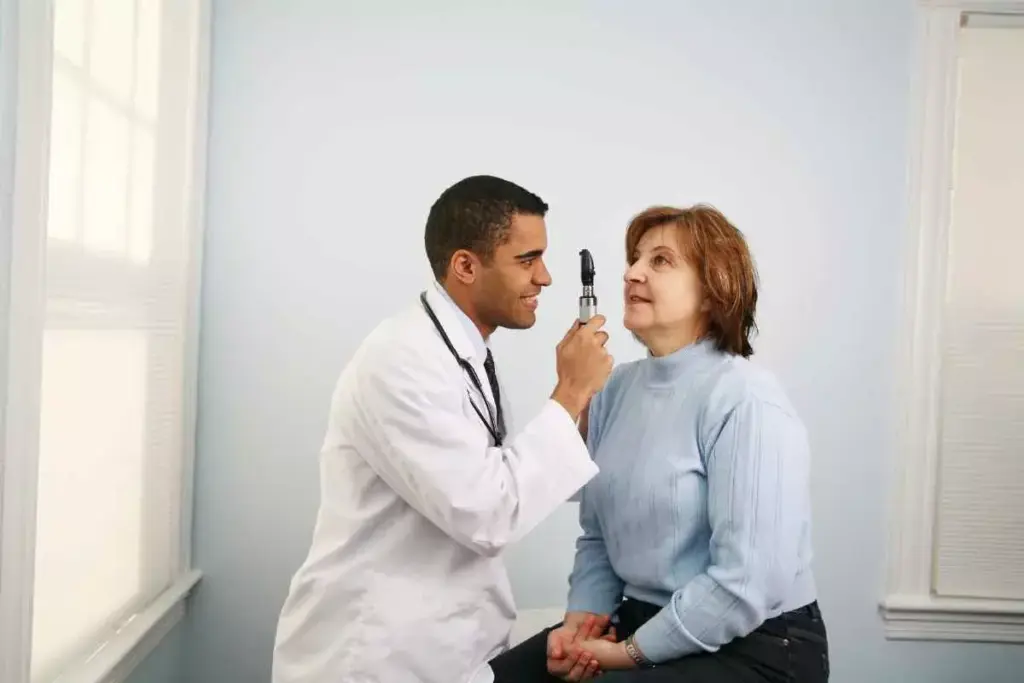
Managing Acute Narrow Angle Glaucoma is urgent. It’s a medical emergency that can cause permanent vision loss if not treated quickly. It requires immediate action and the right treatment.
Step 1: Recognize the Glaucoma Attack Immediately
Spotting a glaucoma attack early is key. Look out for severe eye pain, headaches, nausea, vomiting, and blurry vision. Catching these signs early is vital for timely treatment.
Step 2: Perform Emergency Assessment
When a glaucoma attack is suspected, a quick check is needed. This check measures eye pressure, looks at the angle of the eye, and checks the optic nerve for damage.
Step 3: Initiate Acute Angle Closure Glaucoma Treatment
Starting treatment for Acute Angle Closure Glaucoma is urgent. Doctors use eye drops to lower eye pressure. Sometimes, stronger medicines are needed to control the pressure.
Step 4: Perform Definitive Laser Intervention
Using laser treatment is a key step. Laser Peripheral Iridotomy (LPI) creates a new path for fluid to flow. This helps prevent future attacks.
The table below outlines the main steps and treatments for Acute Narrow Angle Glaucoma:
| Step | Action | Purpose |
| 1 | Recognize Glaucoma Attack | Early identification of symptoms |
| 2 | Emergency Assessment | Confirm diagnosis and assess damage |
| 3 | Initiate Treatment | Reduce intraocular pressure |
| 4 | Laser Intervention | Prevent future glaucoma attacks |
By taking these steps, doctors can manage Acute Narrow Angle Glaucoma well. This helps protect patients’ vision.
Conclusion
Managing acute narrow angle glaucoma is key to keeping your vision and eye health safe. This article has given you a detailed guide on how to handle this condition. It covers everything from spotting a glaucoma attack to using laser treatment.
Knowing how to deal with closed angle glaucoma is vital to avoid losing your sight forever. By acting quickly and following our guide, you can greatly lower the chance of losing your vision. This is due to acute narrow angle glaucoma.
Handling acute narrow angle glaucoma well not only saves your sight but also improves your life quality. It’s important to know the risks and signs early. This way, you can act fast and keep your vision sharp, keeping you independent.
In short, managing acute narrow angle glaucoma needs a proactive and informed strategy. By understanding the condition and taking the right steps, you can protect your vision. This prevents the serious effects of this condition.
FAQ
What is Acute Narrow Angle Glaucoma?
Acute Narrow Angle Glaucoma is a sudden increase in eye pressure caused by a blocked drainage angle, which can rapidly damage the optic nerve.
What are the causes of Acute Angle Closure Glaucoma?
It is caused by anatomical narrow angles, thickened lens, or sudden pupil dilation that blocks fluid drainage in the eye.
Who is at risk of developing Acute Narrow Angle Glaucoma?
Older adults, people with farsightedness, certain ethnicities (East Asian, Inuit), and those with a family history of glaucoma are at higher risk.
What are the symptoms of a glaucoma attack?
Symptoms include sudden eye pain, blurred vision, headache, halos around lights, nausea, and vomiting.
How is Acute Angle Closure Glaucoma diagnosed?
Diagnosis is made using eye exams, measuring intraocular pressure, and gonioscopy to assess the drainage angle.
What is the initial treatment for Acute Angle Closure Glaucoma?
Immediate treatment includes medications to lower eye pressure, such as eye drops, oral drugs, or intravenous therapy.
What is the role of laser intervention in managing Acute Narrow Angle Glaucoma?
Laser peripheral iridotomy creates a small hole in the iris to allow fluid drainage and prevent future attacks.
Can Acute Narrow Angle Glaucoma be prevented?
Yes, regular eye exams and early laser treatment for narrow angles can prevent acute glaucoma attacks.
What are the consequences of delayed treatment for Acute Angle Closure Glaucoma?
Delayed treatment can cause permanent optic nerve damage, severe vision loss, or blindness.
References
National Center for Biotechnology Information. Evidence-Based Medical Insight. Retrieved from https://pmc.ncbi.nlm.nih.gov/articles/PMC8465972/