
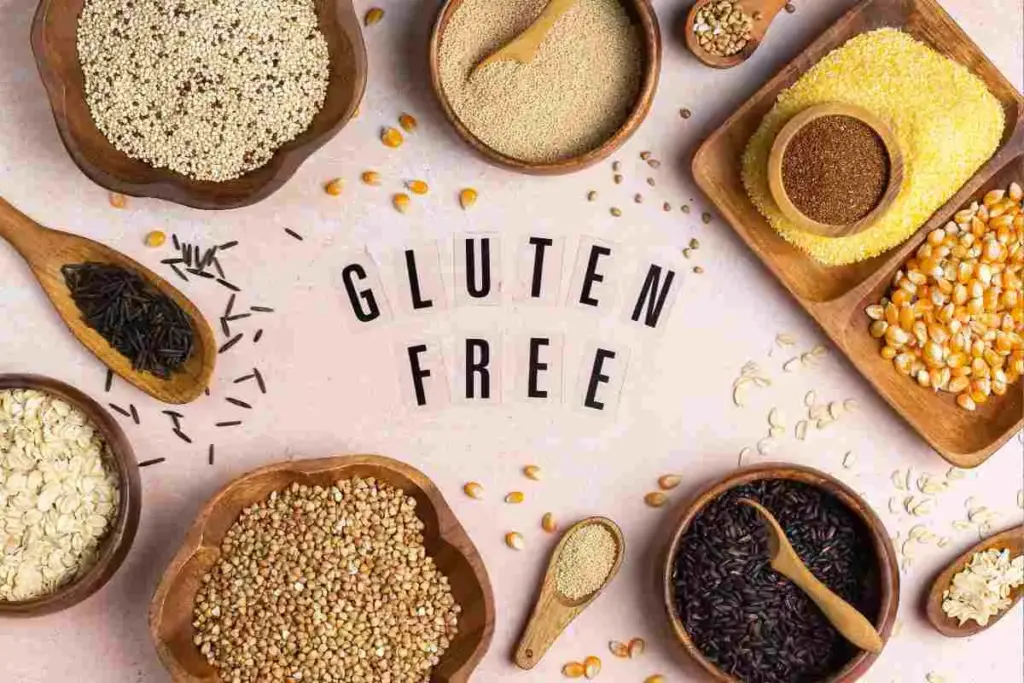
Millions of people deal with diverticulitis and digestive issues. But many don’t know about the link between gluten and these problems. If you’ve had ongoing belly pain or diverticulitis attacks, trying a gluten-free diet might help.
At Liv Hospital, we use the latest medical knowledge and tailor nutrition plans for you. Studies show that a gluten-free diet can ease symptoms of gluten intolerance and diverticulitis. This can make your digestion better overall.
Key Takeaways
- A gluten-free diet may help alleviate symptoms of diverticulitis.
- There’s a connection between gluten intolerance and diverticulitis.
- Liv Hospital offers personalized nutritional counseling for digestive health.
- Adopting a gluten-free diet can improve overall gastrointestinal well-being.
- Cutting-edge medical science is used to manage diverticulitis effectively.
Understanding Diverticulitis and Celiac Disease
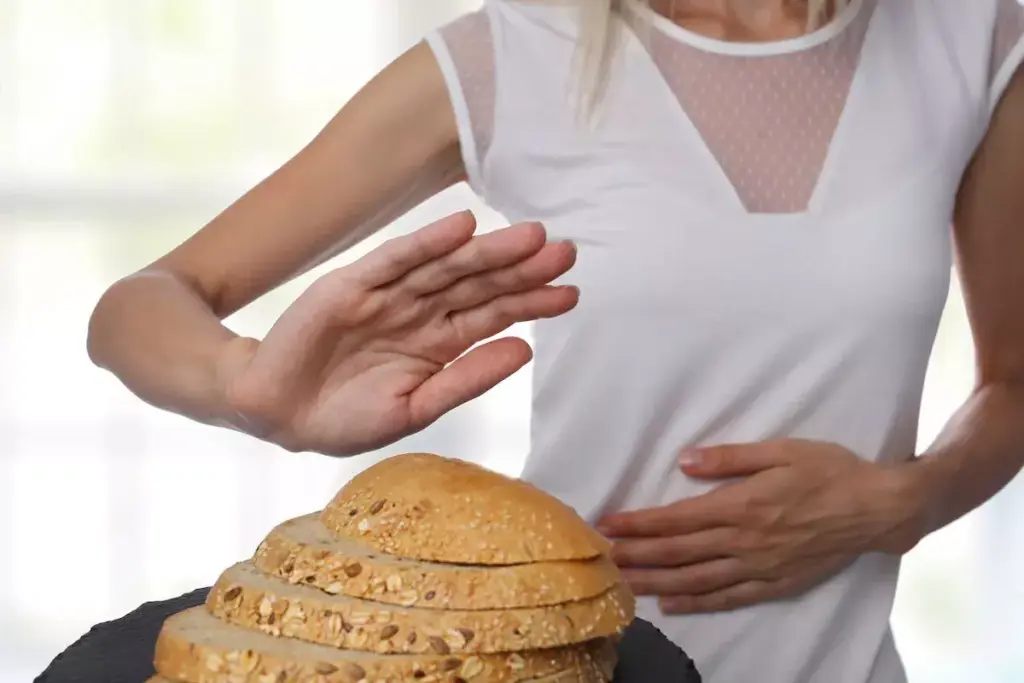
It’s important to understand how diverticulitis and gluten sensitivity are connected. Diverticulitis is when small pouches in the digestive tract get inflamed or infected. This can really affect a person’s life quality. Knowing about diverticulitis and gluten helps us find the best way to care for it.
What is Diverticulitis?
Diverticulitis happens when small pouches in the colon get inflamed or infected. It can be mild or severe. Symptoms include stomach pain, changes in bowel habits, and fever.
Symptoms of diverticulitis can vary but typically include:
- Abdominal pain, usually in the lower left side
- Fever and chills
- Nausea and vomiting
- Changes in bowel habits
The Prevalence of Gluten Sensitivity
Gluten sensitivity, including celiac disease and non-celiac gluten sensitivity (NCGS), is a big health issue. Celiac disease is an autoimmune disorder that reacts to gluten, damaging the small intestine. NCGS has similar symptoms but less damage.
Research shows gluten sensitivity is more common than thought, with up to 6% of people having NCGS. Celiac disease affects about 1% of the world’s population.
“The increasing awareness of gluten-related disorders has led to a significant rise in the diagnosis and management of these conditions.”
How Gluten Affects Gut Inflammation
Gluten can cause inflammation in those with gluten sensitivity or celiac disease. This can make diverticulitis symptoms worse. The immune system reacting to gluten leads to inflammation.
The link between gluten and gut inflammation is complex, affecting the gut microbiome. An imbalance in gut bacteria can make inflammation worse and worsen diverticulitis symptoms.
The Connection Between Gluten and Diverticular Flare-ups

It’s important to know how gluten affects diverticulitis to manage it well. Diverticulitis is when the digestive tract gets inflamed. Gluten can make this worse.
Inflammatory Response to Gluten
Gluten can cause an inflammatory response in some people. This can make diverticulitis symptoms worse. This is true for those with celiac disease and those who are sensitive to gluten but don’t have celiac.
Studies show that gluten can make the gut more inflamed. This can make diverticulitis symptoms worse. Eating a gluten-free diet can help reduce these symptoms.
Research on Gluten-Free Diets and Symptom Reduction
Research on gluten-free diets for diverticulitis shows promising results. A gluten-free diet can reduce inflammation and improve gut health. This can lead to fewer diverticular flare-ups.
Managing diverticulitis is more than just diet. But, a gluten-free diet can be a key part of treatment. It can help reduce flare-ups and improve life quality.
Gut Microbiome Considerations
The gut microbiome is key to digestive health. It can be affected by what we eat, including gluten. A gluten-free diet can change the gut microbiome for the better, reducing inflammation and improving symptoms.
It’s important to understand how gluten, the gut microbiome, and diverticulitis interact. This knowledge helps healthcare providers create better treatment plans for each person.
Implementing a Gluten-Free Diet Plan for Diverticulitis
For those with diverticulitis, a gluten-free diet can really help. It’s not just about avoiding gluten. It’s about eating well to keep your gut healthy.
Foods to Eliminate
First, you need to avoid foods with gluten. Gluten is found in:
- Wheat
- Barley
- Rye
- Some processed foods
Be sure to check food labels for gluten. Look for gluten-free certification to know it’s safe.
Gluten-Free Alternatives
There are many gluten-free options. Here are a few:
| Gluten-Containing Food | Gluten-Free Alternative |
| Wheat bread | Gluten-free bread made from rice or almond flour |
| Barley soup | Vegetable broth with gluten-free grains like quinoa |
| Rye crackers | Gluten-free crackers made from corn or rice flour |
A registered dietitian says, “Eating a variety of gluten-free foods is key for nutrients.”
“A well-planned gluten-free diet can be rich in fiber, vitamins, and minerals, supporting overall health and reducing the risk of diverticulitis flare-ups.”
Meal Planning Strategies
Good meal planning is essential for a gluten-free diet. Here are some tips:
- Focus on gluten-free grains like rice, quinoa, and corn.
- Keep gluten-free staples like canned beans, nuts, and seeds on hand.
- Try new recipes with gluten-free flours and ingredients.
By following these tips, you can manage diverticulitis symptoms and stay healthy.
Conclusion
We’ve looked into how diverticulitis and celiac disease are connected. We found that a gluten-free diet can help manage diverticulitis symptoms. Studies show it’s good for those with gluten intolerance or celiac disease.
Knowing the link between gluten intolerance and diverticulitis helps people make better diet choices. A gluten-free diet can lessen symptoms and boost gut health. It’s key to tailor diets to each person’s needs.
For those with celiac disease or gluten sensitivity, a gluten-free diet can be a game-changer. It helps cut down on diverticulitis flare-ups. By avoiding gluten and choosing gluten-free foods, symptoms can be lessened.
FAQ
What is the relationship between gluten and diverticulitis?
Gluten can make diverticulitis symptoms worse by causing inflammation. Eating gluten-free might help reduce this inflammation and ease symptoms.
How does gluten affect gut inflammation in diverticulitis?
Gluten can start an immune response in people with diverticulitis. This can lead to more inflammation and make symptoms worse.
What foods should I eliminate on a gluten-free diet for diverticulitis?
You should avoid foods with gluten like wheat, barley, and rye. Also, stay away from processed foods that might have hidden gluten.
What are some gluten-free alternatives for managing diverticulitis?
Good alternatives include rice, quinoa, corn, and gluten-free flours. You can also eat fruits, vegetables, and lean proteins that don’t have gluten.
Can a gluten-free diet cure diverticulitis?
A gluten-free diet can help with symptoms, but it won’t cure diverticulitis. A full treatment plan includes diet, lifestyle changes, and sometimes medicine.
How can I plan meals on a gluten-free diet for diverticulitis?
Plan meals with whole, gluten-free foods like fruits, veggies, lean proteins, and whole grains. Use strategies like batch cooking and prep-ahead meals.
Is a gluten-free diet suitable for everyone with diverticulitis?
A gluten-free diet might help those with diverticulitis and gluten intolerance or sensitivity. Always talk to a healthcare professional or dietitian to find the right diet for you.
Can diverticulosis be managed with a gluten-free diet?
Diverticulosis is different from diverticulitis, but some studies suggest a gluten-free diet can help. More research is needed to confirm this.
How does gluten intolerance affect diverticulitis symptoms?
Gluten intolerance can make diverticulitis symptoms worse by causing more inflammation. This can lead to more severe symptoms.
References
https://www.healthline.com/health/diverticulitis-diet-list-of-foods-to-avoid