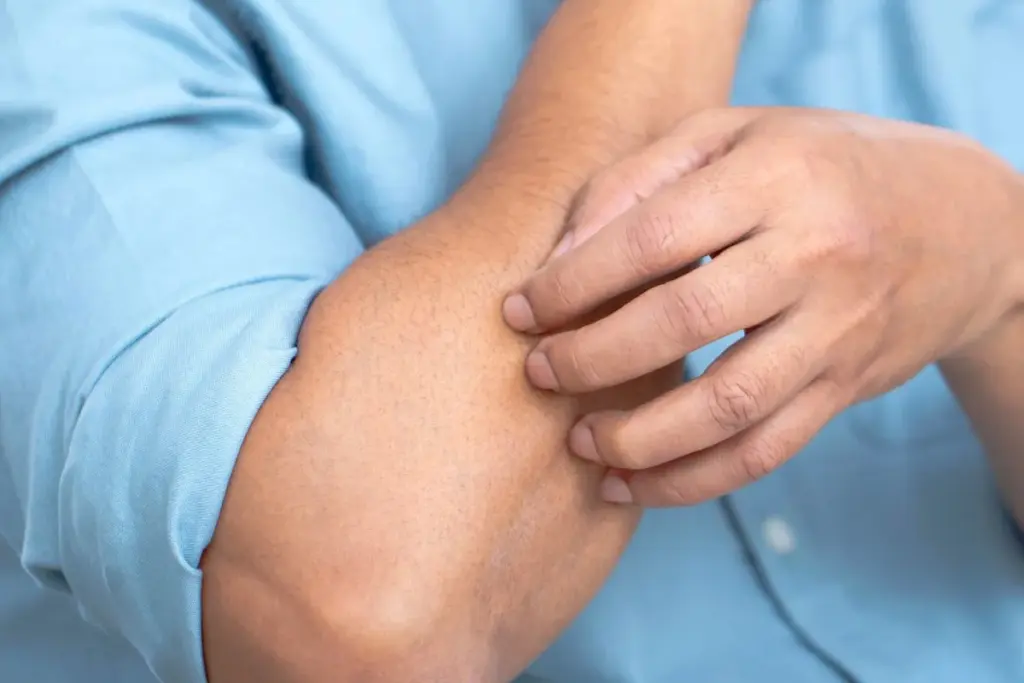
Thyroid problems can really affect your skin, causing many issues. Persistent skin changes, like dryness and itchiness, might show you have a thyroid problem. Many people see dermatologists because their skin issues won’t go away. They don’t know these problems could be related to their thyroid.
Thyroid hormones are important for your skin. They help with cell turnover, keeping your skin moist, and controlling temperature. Both too little and too much thyroid hormone can make your skin dry and itchy. Knowing how your thyroid affects your skin is key to fixing these problems.
Key Takeaways
- Thyroid disorders can cause a range of skin issues, including dryness and itchiness.
- Skin symptoms can be early signs of thyroid dysfunction.
- Thyroid hormones regulate skin health, including cell turnover and moisture retention.
- Both hypothyroidism and hyperthyroidism can lead to distinct dermatological changes.
- Understanding the link between thyroid health and skin symptoms is key to effective management.
Understanding the Connection Between Thyroid and Skin Health
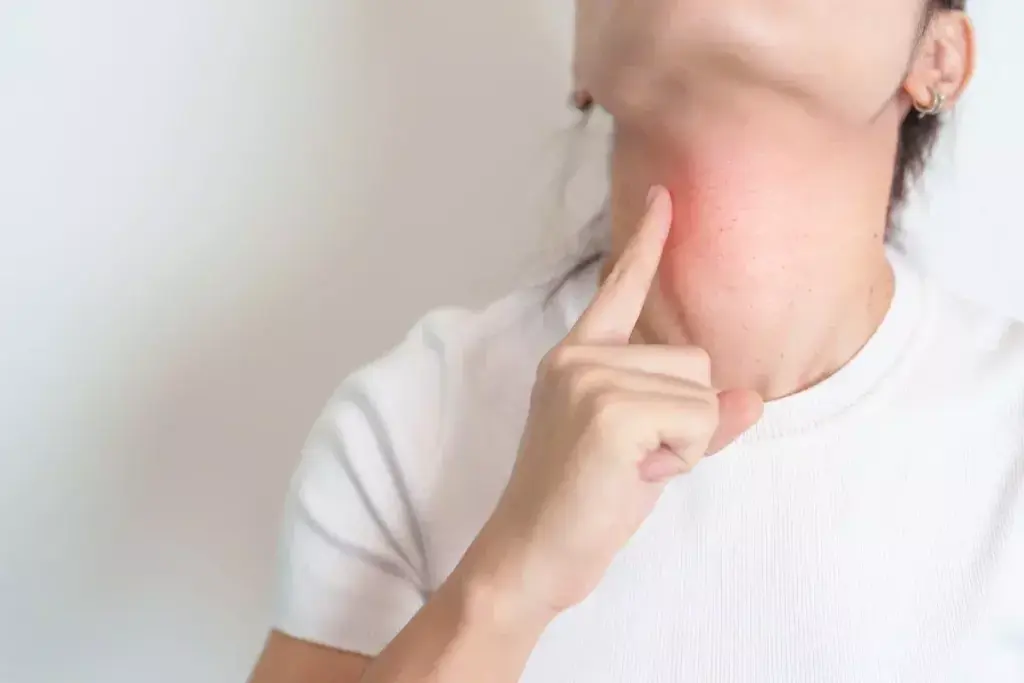
Thyroid hormones play a big role in skin health. They help with cell growth and keeping skin moist. When these hormones are off balance, skin problems can arise.
How Thyroid Hormones Affect Your Skin
Thyroid hormones are key for healthy skin. They control how fast skin cells grow. This affects how well skin holds moisture and how fast hair and nails grow.
Proper thyroid function is essential for maintaining skin elasticity and hydration.
To learn more about how thyroid conditions affect your skin, visit this resource. It explains the link between thyroid health and skin issues.
Early Skin Signs of Thyroid Dysfunction
Thyroid problems can show up in different ways on your skin. Early signs include dry skin, changes in skin texture, and nail issues. Dry skin is common in hypothyroidism, making skin dry and scaly.
| Skin Symptom | Hypothyroidism | Hyperthyroidism |
| Skin Texture | Dry, rough, scaly | Warm, moist, flushed |
| Nail Health | Brittle nails | Nail thinning or brittleness |
| Hair Growth | Slow hair growth | Rapid hair loss |
Spotting these early signs can help catch thyroid issues early. If you notice lasting skin changes, see a doctor for a check-up and treatment.
Identifying Itchy Shins Thyroid and Other Skin Manifestations
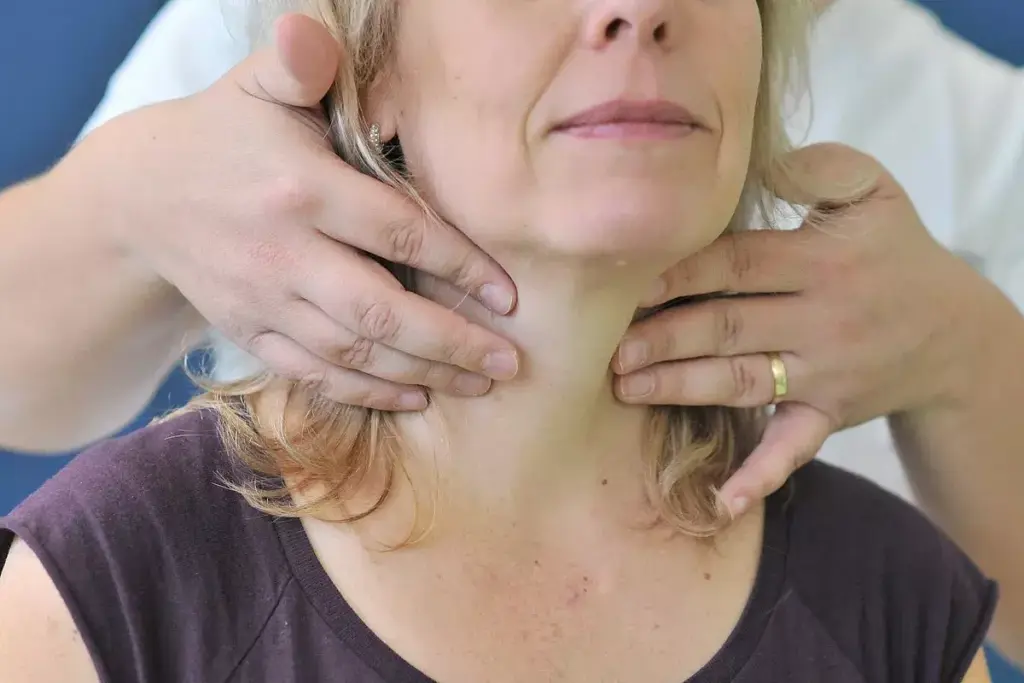
Thyroid health and skin conditions are closely linked. Both hypothyroidism and hyperthyroidism show different skin symptoms. Itchy shins are a key symptom of thyroid disorders, along with other skin changes.
Hypothyroidism Skin Symptoms
Hypothyroidism causes several skin problems. The skin may feel cool, dry, and pale, with a rough texture. Dry skin is common, often causing itching. This dryness can result in scaly patches, mainly on the shins and lower legs.
Hair changes are also common, like coarse hair and hair loss. Fingernails can become brittle. These changes happen because of a slower metabolic rate and hormone level changes in hypothyroidism.
| Skin Symptom | Description |
| Dry Skin | Cool, dry, and pale skin with a rough texture |
| Itching | Often associated with dry skin, can be severe |
| Hair Changes | Coarse hair, possible hair loss |
Hyperthyroidism Skin Changes
Hyperthyroidism causes different skin symptoms. The skin may feel warm and moist, with more sweating. Pretibial myxedema, a condition where mucinous material builds up in the skin, can occur. It often affects the lower legs.
Other symptoms include thinning hair and potentially itchy skin all over the body, not just the shins. The fast metabolic rate and hormonal imbalance lead to these skin changes.
Effective Treatment Strategies for Thyroid-Related Skin Issues
Dealing with thyroid-related skin problems needs a mix of medical treatments and daily skincare. Fixing the thyroid issue is key to solving skin problems. Once hormone levels are right, many skin issues get better.
Medical Approaches to Restore Thyroid Balance
Fixing thyroid balance is key to easing skin symptoms. For low thyroid, thyroid hormone replacement therapy is the main treatment. It helps balance hormone levels and improves skin health. For high thyroid, antithyroid medications cut down hormone production.
It’s important to work with a doctor to find the right medicine and dose. Keeping an eye on thyroid hormone levels is also key to adjust treatment as needed.
| Treatment Approach | Condition | Purpose |
| Thyroid Hormone Replacement | Hypothyroidism | Normalize hormone levels |
| Antithyroid Medications | Hyperthyroidism | Reduce thyroid hormone production |
Daily Skincare Routine for Affected Areas
A gentle skincare routine is essential for thyroid skin issues. Using moisturizing creams and gentle cleansers helps with dryness and itching. Choose products without fragrances and are hypoallergenic to avoid irritation.
For itchy shins, apply a rich moisturizer right after bathing to keep moisture in. Also, avoid harsh soaps and extreme water temperatures to soothe the skin.
Targeted Relief Methods for Itchy Shins
For itchy shins, several methods can help. Topical treatments like corticosteroid creams can reduce inflammation and itching. Oral antihistamines might be suggested for severe itching.
Keep the area moisturized and avoid scratching to prevent more irritation. Wearing loose, breathable clothes can also help reduce irritation.
Conclusion
We’ve looked into how thyroid health affects the skin, showing why it’s key to spot thyroid-related skin problems. To handle itchy shins and other skin issues, we need to tackle the thyroid problem first.
There’s a clear link between thyroid health and skin problems. For example, hypothyroid can cause neck skin discoloration. Knowing this helps people find the right treatment and live better.
Fixing thyroid-related skin issues needs both medical help and good skincare habits. Keeping skin healthy is vital, even more so when dealing with neck discoloration.
By taking a full approach to manage itchy shins and other thyroid skin issues, people can feel much better. We’re dedicated to top-notch healthcare for international patients. We help them understand and manage thyroid health and skin problems.
FAQ:
What are the common skin symptoms of hypothyroidism?
Hypothyroidism can make your skin dry and rough. It can also cause your hair to become coarse and fall out. Some people might notice brittle nails and changes in their nail texture too.
How does hyperthyroidism affect the skin?
Hyperthyroidism makes your skin feel warm and moist. It can also lead to pretibial myxedema. This is a condition where your skin thickens and swells, often on your shins.
What is the connection between thyroid health and itchy shins?
Thyroid problems, like Graves’ disease, can cause itchy shins. Pretibial myxedema, linked to Graves’, can make your shins itch and swell.
How can I manage dry skin caused by thyroid problems?
Use moisturizing creams and gentle cleansers to fight dry skin. Avoid harsh soaps that take away your skin’s natural oils. Keeping a regular skincare routine can help reduce dryness and itchiness.
Can thyroid hormone replacement therapy improve skin symptoms?
Yes, it can. Thyroid hormone replacement therapy can help with dry skin and hair changes by balancing your thyroid hormone levels.
Are there any targeted relief methods for itchy shins?
Yes, there are. Topical creams and ointments can help with itchy shins. Sometimes, you might need medical treatment for conditions like pretibial myxedema.
How can I prevent skin issues related to thyroid disorders?
Keep your skin healthy with good skincare, a balanced diet, and managing your thyroid hormone levels. Regular check-ups with your healthcare provider can help spot and treat any skin problems related to your thyroid.
Can hyperthyroidism cause eczema or other skin rashes?
Hyperthyroidism itself doesn’t cause eczema. But, it can lead to skin changes that might irritate your skin or cause rashes.
What are the effects of hypothyroidism on nail health?
Hypothyroidism can make your nails brittle and change their texture. It can also affect your nail health in other ways. Taking thyroid hormone replacement therapy can help improve these symptoms.
References:
National Center for Biotechnology Information. Evidence-Based Medical Guidance. Retrieved from https://pubmed.ncbi.nlm.nih.gov/34785599/