
Respiratory issues affect millions worldwide, putting a big strain on healthcare. Lower respiratory infections cause a lot of sickness and death globally. It’s key to manage lung medical conditions well to keep people safe and healthy.
At Liv Hospital, we stress the need for prevention. This includes keeping up with vaccines, washing hands often, and making the air cleaner. These steps can help a lot in avoiding pulmonary diseases. For tips on keeping lungs healthy, check out the American Lung Association’s guide.
Key Takeaways
- Stay up to date with recommended immunizations to prevent respiratory illnesses.
- Practice good hygiene to reduce the risk of respiratory infections.
- Take steps to improve indoor and outdoor air quality.
- Adopt a healthy lifestyle, including regular exercise and a balanced diet.
- Get screened for lung cancer if you’re at high risk.
Understanding Common Respiratory Concerns and Their Impact
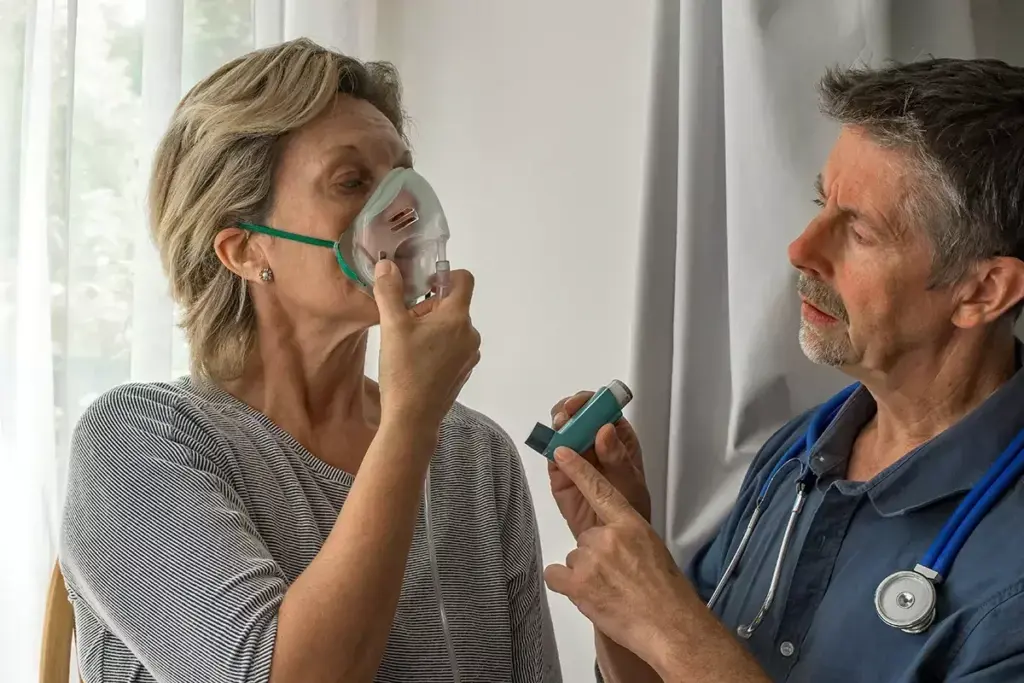
It’s important to know how respiratory issues affect us. These infections are a big problem worldwide, causing a lot of sickness and death. We’ll look at how widespread they are, the latest trends in virus seasons, and who’s most at risk.
The Global Burden of Respiratory Infections
COVID-19, flu, and RSV are big health problems globally. The 2024-2025 virus season showed a high number of hospitalizations. This shows we need to stay alert and find better ways to manage these issues.
Common respiratory infections include:
- Influenza
- Respiratory Syncytial Virus (RSV)
- COVID-19
- Pneumonia
- Bronchitis
These infections can be very serious, hitting the hardest in those who are most vulnerable. They are among the top reasons for hospital stays and deaths around the world.
Current Trends in Respiratory Virus Seasons
How bad virus seasons are can change from year to year. Health groups like the CDC watch these changes closely. They help plan how to keep people safe.
Some important trends are:
- More hospital visits during peak times
- Changes in who gets sick
- New virus variants
Vulnerable Populations at Higher Risk
Some groups face a bigger risk from these infections. Kids under five and adults over 65 are more likely to get very sick. It’s key to know how to help these groups stay safe.
| Vulnerable Population | Risk Factors | Prevention Strategies |
| Children under 5 | Immature immune system, exposure in daycare settings | RSV prophylaxis, vaccination against influenza and COVID-19 |
| Adults over 65 | Weakened immune system, underlying health conditions | Vaccination against influenza, COVID-19, and pneumococcal disease |
Knowing about the global impact, current trends, and who’s most at risk helps us fight respiratory issues better. We can do this by pushing for more vaccinations, improving how we prevent infections, and making sure people get the right medical care on time.
Effective Prevention and Management Strategies

Managing respiratory issues needs a full plan. This includes vaccinations, infection control, and quick medical help. We’ll dive into these steps to keep lungs healthy and handle respiratory diseases and disorders well.
Vaccination and Immunization Protocols
Vaccines are key in stopping pulmonary system diseases. Getting vaccinated lowers the chance of catching lung infections. It’s important to keep up with vaccination advice to protect against pulmonary conditions.
Regular doctor visits are also key for lung health. These visits can spot problems early. This allows for quick treatment and care.
Infection Control Measures
Controlling infections is vital for respiratory diseases and disorders. Simple steps like staying home when sick and wearing masks help. Physical distancing also cuts down on virus spread.
Good air flow in buildings is also important. It lowers the amount of airborne germs. These steps help make a safer space, lowering the chance of getting sick.
Medical Interventions and When to Seek Help
Knowing when to see a doctor is key for diseases of the lung. If symptoms get worse or don’t go away, see a doctor. Quick action can greatly improve health for those with lung issues.
It’s important to know when to get medical help right away. This ensures the right care is given to manage the condition.
Conclusion
Respiratory issues are a big problem worldwide. Many factors cause lung problems and breathing disorders. It’s important to manage these issues well to keep our lungs healthy.
Knowing about different lung diseases helps us stay safe. We can lower our risk of getting sick by following prevention tips. This way, we can fight off respiratory viruses and protect those who are most at risk.
Respiratory infections are a big worry globally. We must focus on keeping our respiratory health strong. Using cleaner technologies can help reduce lung diseases and improve our overall health.
FAQ
What are the most common respiratory medical conditions?
Common respiratory issues include COPD, pneumonia, and asthma. Also, bronchitis and pulmonary hypertension are common. These can greatly affect your life and need proper care.
How can I reduce my risk of developing respiratory problems?
To lower your risk, get vaccinated against flu and pneumococcal disease. Practice good hygiene like washing your hands often. Avoid air pollutants too.
Also, eat well and exercise regularly. These habits support your lung health.
What are some effective infection control measures for preventing respiratory illnesses?
To prevent respiratory illnesses, stay home when sick. Use masks and improve indoor air. Clean and disinfect surfaces often, too.
What are the benefits of vaccination in preventing respiratory concerns?
Vaccines help prevent respiratory issues by fighting specific viruses. They reduce the risk of severe illnesses and complications.
How can I manage my respiratory condition effectively?
Work with your doctor to create a treatment plan. This might include medication and lifestyle changes. Regular check-ups are also key.Knowing your condition and its triggers helps you manage better.
What are some common pulmonary diseases and disorders?
Common pulmonary issues include COPD, asthma, and pulmonary fibrosis. Cystic fibrosis is another. These can cause serious symptoms and affect your life.
How can I improve indoor air quality to reduce respiratory concerns?
Improve indoor air by reducing pollutants like tobacco smoke and dust. Use air purifiers and clean regularly. Good ventilation is also important.
Chapter 6: Respiratory alterations. In Health alterations [Internet]. Open Resources for Nursing (Open RN). Chippewa Valley Technical College. https://www.ncbi.nlm.nih.gov/books/NBK613070/