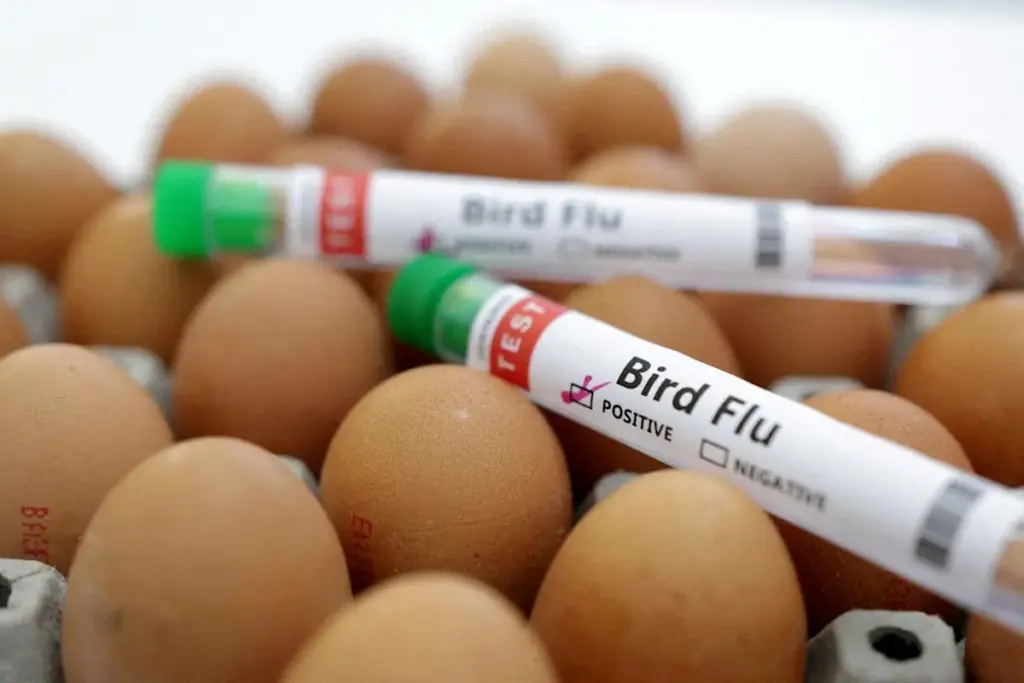
The H5N1 bird flu is spreading worldwide, affecting wild birds, livestock, and humans. It’s more important than ever to know how to protect yourself and your family. We aim to provide you with reliable medical advice to keep you safe.
Preventing bird flu needs a complete plan. The best defense is to stay away from sources of the virus. This means avoiding sick or dead birds, poultry, and other animals. Also, steer clear of contaminated areas. The CDC’s guidelines say wearing the right protective gear is key when dealing with possibly infected animals or surfaces.
Knowing the risks and taking steps to prevent them can lower your chance of getting sick. We’ll look at the key steps to avoid bird flu. This includes keeping clean and using protective gear.
Key Takeaways
- Avoid direct contact with sick or dead birds, poultry, and other animals.
- Wear personal protective equipment (PPE) when handling potentially infected animals or surfaces.
- Practice good hygiene, including frequent handwashing.
- Avoid consuming raw or undercooked poultry and unpasteurized milk.
- Report sick or dead birds to state or federal authorities.
Understanding Bird Flu and Current Risks
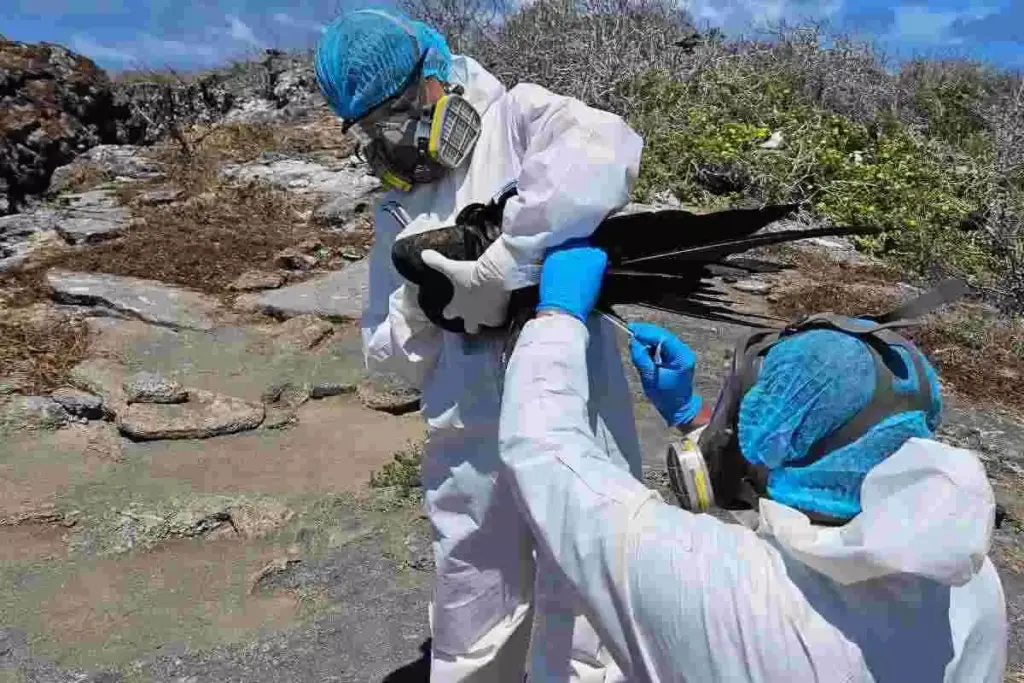
Understanding the H5N1 bird flu virus is key to stopping it. Recent outbreaks show we need to be aware and ready.
What is H5N1 Bird Flu and Why It’s Concerning
The H5N1 bird flu is a type of avian influenza. It mainly affects birds but can also infect humans and other animals. The worry is its high death rate in birds and the chance it could spread between people.
Key characteristics of H5N1 include:
- High pathogenicity in birds, leading to significant mortality
- Potential for zoonotic transmission (transmission from animals to humans)
- Risk of mutation into a more transmissible form among humans
Current Outbreak Status in the United States (2024-2025)
In 2024-2025, the U.S. is facing a big H5N1 bird flu outbreak. Health officials are watching it closely. It has infected millions of birds and has also affected dairy and farm workers.
The current status is as follows:
- Multiple states affected across the U.S.
- Significant number of bird deaths and culling of infected flocks
- Human cases reported, mainly among those in direct contact with infected animals
By January 14, 2025, one human death from H5N1 was reported in the U.S. Health measures are being taken to stop the outbreak and prevent more cases.
Primary Transmission Routes and High-Risk Activities
Knowing how H5N1 spreads is important for prevention. The main way it reaches humans is through direct or close contact with infected birds or contaminated places.
High-risk activities include:
- Handling infected or dead birds
- Working in poultry farms or processing plants without proper protective equipment
- Consuming unpasteurized dairy products from infected animals
By knowing these risks, we can take steps to stop H5N1. This helps protect both people and animals.
Vaccination and Medical Approaches to Bird Flu Prevention
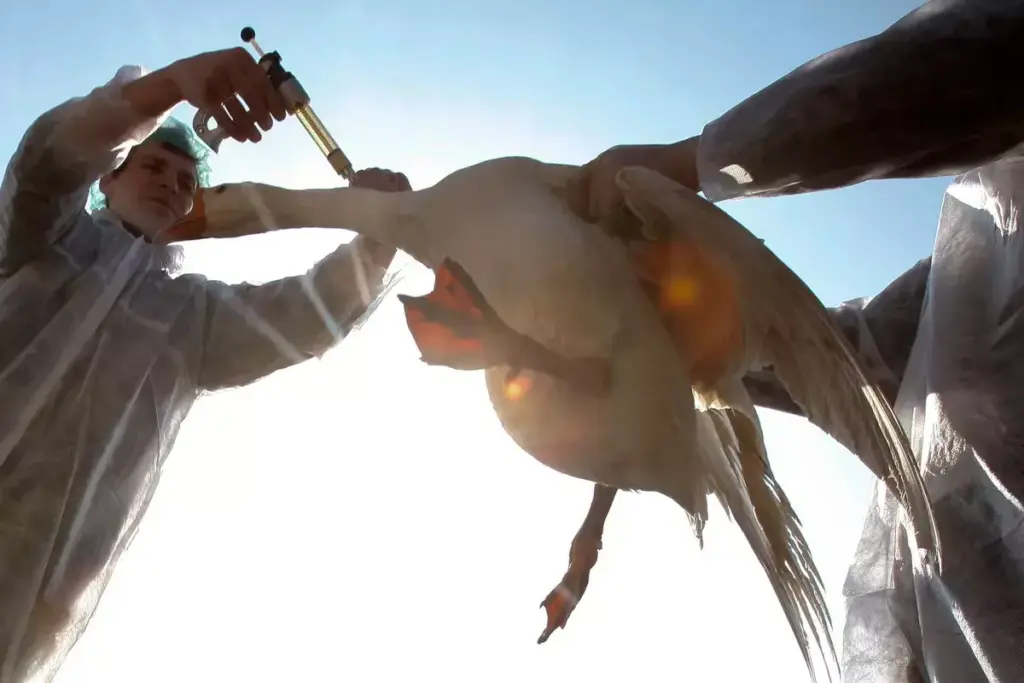
Vaccination is key in fighting bird flu. Making and sharing effective vaccines is vital. It helps control outbreaks and stops the disease from spreading.
Available H5N1 Vaccines: Arepanrix, Audenz, Aflunov, and Celldemic
Several vaccines protect against H5N1 bird flu. These include Arepanrix, Audenz, Aflunov, and Celldemic. They work well against current strains. They also offer protection against the clade 2.3.4.4b variant.
Vaccine Options:
| Vaccine Name | Description | Effectiveness |
| Arepanrix | Adjuvanted vaccine for H5N1 | Highly effective against H5N1 strains |
| Audenz | Monovalent vaccine for H5N1 | Provides immunity against H5N1 virus |
| Aflunov | Adjuvanted vaccine for H5N1 | Effective in eliciting immune response |
| Celldemic | Cell-based vaccine for H5N1 | Offers protection against H5N1 |
CDC Vaccination Guidelines and Recommendations
The CDC has guidelines for H5N1 bird flu vaccination. They advise travelers to countries with outbreaks to be cautious. This includes avoiding sick or dead birds and livestock.
How Seasonal Flu Shots Help Prevent Pandemic
Seasonal flu shots help prevent pandemics. They reduce the flu’s overall impact. Even though they mainly target seasonal flu, they also help against other viruses.
By getting many people vaccinated against seasonal flu, we can lower the chance of co-infections. This reduces the risk of new pandemic viruses emerging.
Essential Protection Steps Against Bird Flu
To prevent bird flu, we need to follow several steps. These include keeping clean, handling poultry safely, and knowing where the virus can spread. By doing these things, we can lower our chances of getting sick and spreading the virus.
Personal Hygiene and Protective Equipment
Good personal hygiene is key to stopping bird flu. Wash your hands often with soap and water, after touching birds or their places. Wear masks, gloves, and eye protection to protect yourself from infected materials.
People who work with poultry or might get exposed to the virus need to use personal protective equipment (PPE) right. This means wearing coveralls, boots, and making sure all tools are clean.
Food Safety Practices for Poultry Products
Handling and cooking poultry safely is important to stop bird flu. Cook poultry and eggs well to 165°F (74°C) to kill viruses. Also, keep raw poultry away from cooked and ready-to-eat foods to avoid mixing viruses.
| Food Safety Practice | Description | Benefit |
| Cooking Poultry Thoroughly | Cook to an internal temperature of 165°F (74°C) | Kills viruses |
| Avoiding Cross-Contamination | Keep raw poultry separate from cooked foods | Lessens transmission risk |
| Proper Handling | Use separate tools and boards for raw poultry | Reduces virus exposure |
Special Precautions for Dairy and Poultry Workers
People in dairy and poultry jobs face a higher risk of bird flu. Watch your health closely, report any symptoms fast, and follow strict hygiene and safety rules. They should also learn about risks and how to prevent them through training.
For more info on bird flu and human health, check out the Public Health Agency of Canada.
When to Seek Medical Attention
If you have fever, cough, or trouble breathing within 10 days of being near sick birds, see a doctor right away. Stay away from others at home and don’t go to work or school until you’re clear of the virus.
Quick action and treatment are key to fighting bird flu. Doctors can help with testing and treatment plans based on your situation.
Conclusion
As we face the dangers of bird flu, protecting ourselves and our communities is key. We must understand the risks and take action. This way, we can lower the chance of getting sick.
To stay safe from bird flu, it’s important to follow health guidelines. This means eating pasteurized dairy and avoiding birds and sick animals. The CDC says these steps help keep us safe from the virus.
Getting a flu shot is also very important. It helps stop flu viruses from spreading, including bird flu. Even though the risk is low, it’s smart to stay informed and follow safety tips.
At our healthcare institution, we’re dedicated to top-notch care for international patients. We all need to be careful and follow bird flu guidelines. This includes knowing how flu shots help and taking steps to stay safe.
FAQ
What is the most effective way to prevent bird flu in humans?
To prevent bird flu, avoid places where birds might be sick. Wash your hands often. Wear protective gear when touching poultry or dairy.
How can I avoid getting bird flu?
Stay away from sick birds. Wear protective gear when handling poultry or dairy. Wash your hands a lot.
Is there a bird flu shot available?
Yes, vaccines like Arepanrix and Audenz protect against bird flu. Talk to a doctor about getting vaccinated.
Does the flu shot prevent bird flu?
The flu shot doesn’t directly fight bird flu. But, it can help by reducing flu cases. Get a flu shot to protect against other flu strains.
What precautions should dairy and poultry workers take to prevent bird flu?
Workers should wear protective gear and wash hands often. Avoid touching sick birds to prevent bird flu.
How can I protect myself from bird flu when handling poultry products?
Handle poultry safely and cook it well. Keep good hygiene to protect yourself from bird flu.
When should I seek medical attention if I suspect I have bird flu?
If you have fever, cough, or trouble breathing after being near birds, see a doctor right away.
Can the H5N1 vaccine prevent the spread of bird flu?
The H5N1 vaccine can stop bird flu by giving immunity. Talk to a doctor about getting vaccinated.
What are the CDC guidelines for H5N1 vaccination?
The CDC has rules for H5N1 shots, like for those at risk, like dairy and poultry workers. Talk to a doctor about vaccination.
How can I stay safe from bird flu during an outbreak?
Stay updated on outbreaks. Avoid places with sick birds. Practice good hygiene and food safety.
Strategies for controlling avian influenza in birds and mammals. In The threat of pandemic influenza: Are we ready? Workshop summary. National Academies Press (US). https://www.ncbi.nlm.nih.gov/books/NBK22152/