Oral cancer is a big health problem worldwide. In the United States, about 3% of cancers are oral cancer. Research shows oral cancer cases might jump by 65% by 2050. So, preventing it is very important. Learn how to prevent oral cancer with 7 of the best, proven steps. This essential guide covers lifestyle changes and vital screening tips.
Making healthy lifestyle choices can really help lower the risk of oral cancer. The Medical organization says not using tobacco, eating well, and staying active are key steps.
At Liv Hospital, we stress the need for preventive care. We use trusted medical knowledge and new ways to help people avoid oral cancer. Knowing about it and catching it early are vital in fighting this disease.
Key Takeaways
- Oral cancer is a significant global health concern.
- Lifestyle changes can significantly reduce the risk of oral cancer.
- Avoiding tobacco and maintaining a healthy diet are key.
- Early detection is key to preventing oral cancer.
- Preventive care is essential in reducing the risk of oral cancer.
The Growing Threat of Oral Cancer
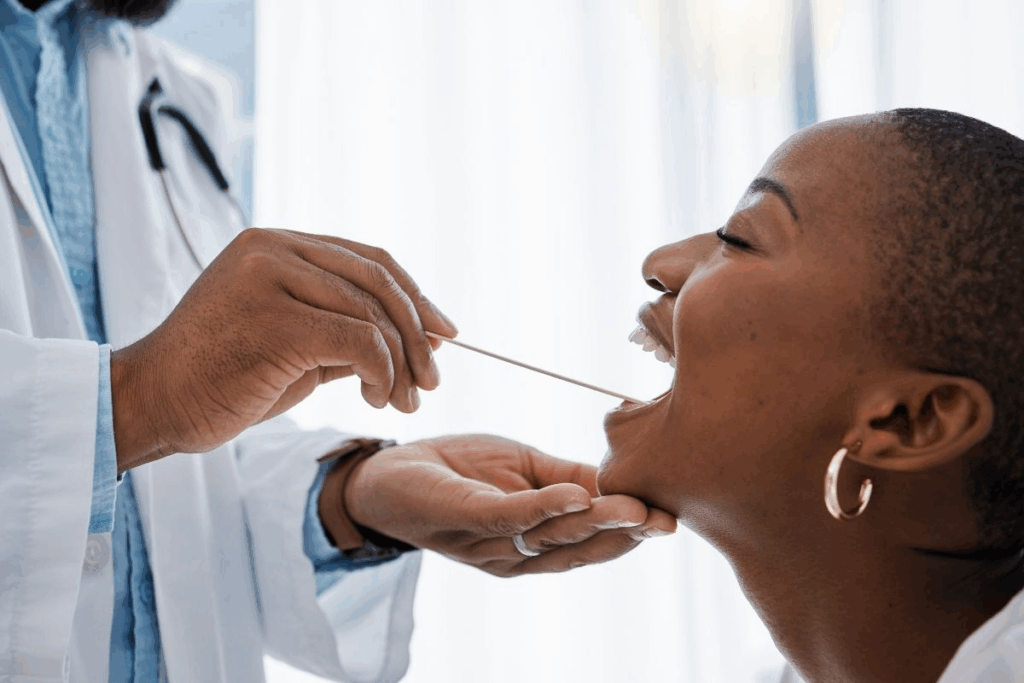
Oral cancer is a serious health issue that affects many parts of the mouth. It includes cancers of the lips, tongue, cheeks, and more. This disease is a big concern for public health because it can lead to severe illness and death.
Current Statistics and Prevalence
Oral cancer is a major global health problem. Every year, hundreds of thousands of new cases are diagnosed worldwide. In the United States, thousands of new cases are reported each year, leading to many deaths.
Key Statistics:
- Global incidence: Over 350,000 new cases annually
- U.S. incidence: Approximately 50,000 new cases per year
- Mortality rate: High, with a significant number of deaths attributed to oral cancer
The Projected 65% Surge by 2050
Experts predict a worrying trend: a 65% increase in oral cancer cases by 2050. This increase is due to changes in demographics, lifestyle, and the rise of risk factors like tobacco and alcohol use.
The anticipated rise highlights the need for better prevention and early detection.
Why Oral Cancer Has Poor Prognosis
Oral cancer often has a poor prognosis because it is often diagnosed late. The disease may not show symptoms until it’s too late, making treatment harder.
Reasons for Poor Prognosis:
- Late-stage diagnosis due to lack of early symptoms
- Aggressive nature of some oral cancers
- Limited awareness among the general public about oral cancer risk factors and symptoms
Understanding Oral Cancer Risk Factors

Many factors increase the chance of getting oral cancer. Knowing these can help prevent it. It’s key to understanding these risks to fight oral cancer well.
Tobacco Use
Tobacco is a big risk for oral cancer, causing about 85% of cases. Smoking raises the risk of oral and throat cancers by 4 to 5 times.
Tobacco Use Statistics:
Risk Factor | Increased Risk |
Tobacco Use | 4-5x |
Smokeless Tobacco | Similar to smoking |
Alcohol Consumption
Drinking too much alcohol also raises oral cancer risk. The risk goes up 2 to 6 times based on how much and how often you drink.
Combined Tobacco and Alcohol
Using both tobacco and alcohol together increases oral cancer risk even more. This risk is 5 to 14 times higher than not using either.
HPV Infection
HPV, type 16, is linked to throat cancer risk. People with HPV have a 15 times higher risk.
Knowing these risks helps people lower their oral cancer chance. Avoid tobacco, drink less alcohol, get HPV vaccinated, and keep your mouth clean.
Step 1: Eliminate Tobacco Products
Tobacco use is a major cause of oral cancer. Stopping it is the first step in prevention. Tobacco is linked to a lot of oral cancer cases.
The Cigarette-Oral Cancer Connection
Cigarette smoking is a big risk for oral cancer. Tobacco smoke’s carcinogens harm oral cells’ DNA, causing cancer. Smokers face a higher risk of mouth, tongue, and lip cancers.
Quitting smoking can greatly lower this risk. The American Cancer Society says quitting can cut the risk of oral cancer by 50% in 5 years.
Dangers of Smokeless Tobacco Products
Smokeless tobacco, like chewing tobacco and snuff, is not safe. It has carcinogens that can lead to oral cancer, mainly where it’s held in the mouth.
“The use of smokeless tobacco is a significant risk factor for oral cancer, and its dangers should not be underestimated.”
Effective Strategies for Quitting
Quitting tobacco is tough, but there are ways to help. Nicotine replacement therapy (NRT) and prescription drugs like Varenicline (Champix) can help with withdrawal and cravings.
- Nicotine gum or lozenges
- Nicotine patches
- Prescription medications
- Counseling and support groups
Resources and Support Systems
Quitting tobacco is easier with the right support. Counseling, support groups, and mobile apps can offer the needed encouragement and guidance.
We understand quitting tobacco is a journey, and we’re here to support you every step of the way.
Step 2: Limit Alcohol Consumption
To lower the risk of oral cancer, it’s key to watch your alcohol intake. Drinking too much alcohol is a known risk factor for oral cancer, even more so when you also smoke.
How Alcohol Damages Oral Tissues
Alcohol can harm oral tissues in several ways. It can irritate and inflame tissues, making them more likely to develop cancer. Chronic alcohol use also depletes important nutrients and hampers DNA repair.
The Synergistic Effect with Smoking
Drinking alcohol and smoking together greatly ups the risk of oral cancer. Alcohol and tobacco work together, creating a synergistic effect. This means their combined risk is higher than each one alone. Both substances can damage cells in similar ways, making their effects worse together.
Guidelines for Moderate Drinking
To cut down on oral cancer risk, follow moderate drinking guidelines. The Centers for Disease Control and Prevention (CDC) say women should have up to one drink a day, and men up to two. But, some people might need to drink less based on their health and other risks.
Gender | Moderate Drinking Guidelines |
Women | Up to 1 drink per day |
Men | Up to 2 drinks per day |
Alcohol-Free Alternatives
If cutting down on alcohol is hard, there are alcohol-free alternatives. Try mocktails, virgin cocktails, or non-alcoholic beers. Drinking water, green tea, or low-sugar juices can also help reduce alcohol intake.
Knowing the risks of alcohol and trying to limit it can greatly lower your chance of getting oral cancer.
Step 3: Get Vaccinated Against HPV
Preventing oral cancer starts with getting vaccinated against HPV. HPV is a big risk for oropharyngeal cancer, a type of oral cancer. We’ll look at why HPV vaccination is key, how well it works, and who should get it.
HPV Type 16 and Oropharyngeal Cancer
HPV type 16 is closely linked to oropharyngeal cancer. Getting infected with HPV type 16 raises your risk of oropharyngeal cancer by about 15 times. The HPV vaccine (Gardasil 9) protects against HPV type 16 and other strains that cause cancer, including oropharyngeal cancer.
Vaccination Guidelines by Age Group
The CDC says pre-teens should get the HPV vaccine. They recommend it for kids at ages 11 or 12, finishing by 13. If you missed out on it earlier, you can get vaccinated up to age 26. People 27 to 45 should talk to their doctor about getting vaccinated.
Age Group | Recommended HPV Vaccination Schedule |
11-12 years | 2 doses, 6-12 months apart |
13-26 years (if not fully vaccinated earlier) | 2-3 doses, depending on age at first dose |
27-45 years | Discuss with healthcare provider |
Effectiveness in Cancer Prevention
The HPV vaccine is very good at stopping HPV infections, including those that cause oral and other cancers. Research shows it greatly lowers the risk of oropharyngeal cancer.
“HPV vaccination has the power to stop thousands of cases of oropharyngeal and other HPV-related cancers each year.”
Common Questions About HPV Vaccination
Many people wonder about the HPV vaccine. They worry about its safety and how well it works. The vaccine has been tested a lot and is safe and effective. Most side effects are mild, like pain, redness, or swelling where you got the shot.
Talking to a healthcare provider can help answer any questions you have about the HPV vaccine.
Step 4: Practice Complete Oral Hygiene
Good oral hygiene is more than a healthy smile. It’s also key to preventing oral cancer. By keeping your mouth clean, you lower the risk of oral cancer.
Daily Oral Care Routine
Keeping up with a daily oral care routine is essential. This means brushing your teeth at least twice a day with fluoride toothpaste. Also, flossing daily to get rid of plaque and food bits. An antibacterial mouthwash can cut down on mouth bacteria.
“Good oral hygiene is the base of a healthy mouth,” says a top dental health expert. “It’s vital for stopping oral diseases, including oral cancer.”
Professional Dental Cleanings
Regular dental cleanings are key for removing tartar and plaque. We suggest going to your dentist every six months for a deep clean and check-up. This keeps your mouth healthy and catches problems early.
Addressing Chronic Irritation
Chronic mouth irritation, often from rough teeth or dental gear, ups oral cancer risk. It’s important to fix any irritation fast by seeing your dentist. They can smooth out rough spots or tweak dental gear.
Products That Support Oral Health
Using the right oral health products can boost your routine. Look for items with the American Dental Association (ADA) Seal of Acceptance. This means they meet dental health standards. These include toothpaste, mouthwashes, and floss for a healthy mouth.
By focusing on complete oral hygiene, we can lower our risk of oral cancer. It’s a simple yet powerful way to live a healthier life.
Step 5: Protect Your Lips from Sun Exposure
Sun exposure is a big risk for lip cancer. It’s important to protect your lips. Without protection, the sun can cause lip cancer, a common skin cancer.
UV Radiation and Lip Cancer Risk
UV radiation from the sun or tanning beds harms skin cells, including lip cells. This damage can cause cancer over time. The lips are extra vulnerable because they have thin skin that doesn’t protect well against UV rays.
Key Facts About UV Radiation and Lip Cancer:
- The lower lip gets more sun than the upper lip, making it more at risk.
- Fair skin, sunburn history, or spending lots of time outside increase your risk.
- UV rays are strongest from 10 am to 4 pm. They can bounce off water, sand, and snow too.
Choosing Effective Lip Protection
Using lip balm with SPF is a simple way to protect your lips. Look for lip balm that protects against UVA and UVB rays. Make sure it has an SPF of at least 30.
- Apply lip balm with SPF before going outside. Reapply every two hours or after eating or drinking.
- Choose lip balms that are “broad-spectrum” and have an SPF of 30 or higher.
- Look for lip balms with moisturizers to keep your lips hydrated.
Year-Round Sun Safety Practices
Sun safety is important all year, not just in summer. UV rays are always present, even on cloudy days. Staying safe from the sun all year can lower your risk of lip cancer.
Year-Round Sun Safety Tips:
- Wear protective clothing, like a wide-brimmed hat, when outside.
- Seek shade, mainly during peak sun hours.
- Watch out for reflective surfaces that can increase UV exposure.
By following these tips every day, you can enjoy the outdoors safely. Protect your lips from sun damage.
Step 6: Adopt a Cancer-Fighting Diet
Choosing a diet that fights cancer is key to lowering your risk of oral cancer. Eating lots of fruits, vegetables, and antioxidants helps. These foods give your body important nutrients and boost your immune system.
Antioxidant-Rich Foods
Antioxidants are important in fighting cancer-causing free radicals. Foods rich in antioxidants include:
- Citrus fruits like oranges and lemons
- Berries such as strawberries and blueberries
- Leafy greens like spinach and kale
- Nuts and seeds, including almonds and sunflower seeds
The Role of Fruits and Vegetables
Fruits and vegetables are full of vitamins, minerals, and antioxidants. They keep your mouth healthy and lower oral cancer risk. Eating a variety of colors ensures you get all the nutrients you need.
Nutrients That Support Oral Health
Some nutrients are great for your mouth, including:
Nutrient | Food Sources | Benefit |
Vitamin C | Citrus fruits, strawberries | Boosts immune system |
Vitamin A | Carrots, sweet potatoes | Maintains healthy oral tissues |
Folate | Leafy greens, legumes | Supports cell growth and repair |
Foods and Habits to Avoid
Some foods can raise your risk of oral cancer. We suggest avoiding:
- Processed meats, which have been linked to an increased cancer risk
- Foods high in sugar, which can contribute to tooth decay and gum disease
- Very hot foods and drinks, which can cause irritation and increase cancer risk
By choosing the right foods, we can lower our risk of oral cancer and stay healthy.
Step 7: Schedule Regular Oral Cancer Screenings
Regular oral cancer screenings can greatly improve treatment success. Early detection of oral cancer leads to better treatment results. It’s a key part of keeping your mouth healthy.
Recommended Screening Frequency
How often you need oral cancer screenings depends on your risk. Dentists suggest screenings every six months during routine dental visits. But, if you use tobacco or alcohol, or have HPV, you might need more frequent checks.
What Happens During a Screening
A dentist or healthcare provider will check your mouth, lips, tongue, and throat during a screening. They look for any unusual spots. They might use special tests to find areas that are hard to see.
Self-Examination Techniques
You can also check your mouth yourself. Look for lumps, sores, or color changes. Early detection is key, and knowing your mouth can help catch problems early.
Early Warning Signs to Watch For
Knowing the early signs of oral cancer is important. Look out for:
- Persistent mouth sores or ulcers
- Unexplained bleeding in the mouth
- Numbness or pain in the mouth or lips
- Difficulty swallowing or chewing
- A lump or thickening in the cheek or tongue
If you see any of these signs, see your dentist or healthcare provider right away. Early detection and treatment can significantly improve outcomes.
How to Prevent Oral Cancer Through Lifestyle Modifications
Making smart lifestyle choices can help prevent oral cancer. By living healthily, you can lower your risk of getting oral cancer. We’ll look at how to make these changes.
Stress Management and Immune Function
Too much stress can weaken your immune system, making you more likely to get cancer. It’s key to manage stress well. Stress reduction methods like meditation, yoga, and deep breathing can help.
- Meditation and mindfulness practices
- Yoga and tai chi exercises
- Deep breathing techniques
- Regular relaxation and leisure activities
Adding these stress management techniques to your daily routine can boost your immune system. This might lower your risk of oral cancer.
Physical Activity Benefits
Regular exercise is also important for preventing oral cancer. Exercise boosts your immune system and reduces inflammation.
“Regular physical activity is a cornerstone of a healthy lifestyle and can play a significant role in cancer prevention.”
Doing moderate exercise like brisk walking, cycling, or swimming for 150 minutes a week can improve your health. It can also lower your risk of oral cancer.
Managing Chronic Health Conditions
Some chronic health issues, like diabetes and high blood pressure, raise your risk of oral cancer. It’s important to manage these conditions well.
- Monitoring and controlling blood sugar levels
- Managing blood pressure through diet and exercise
- Maintaining a healthy weight
- Adhering to prescribed medication regimens
By managing these conditions, you can lower your cancer risk, including oral cancer.
Creating a Prevention-Focused Lifestyle
Living a prevention-focused lifestyle means making smart choices about diet, exercise, and stress. It’s about creating a holistic approach to health that includes healthy habits and reduces risks.
By making these lifestyle changes, you can greatly reduce your risk of oral cancer. It’s a way to take charge of your health.
Conclusion: Taking Control of Your Oral Cancer Risk
We can lower our risk of oral cancer by making smart choices and healthy habits. Preventing oral cancer means being proactive. This includes making lifestyle changes, getting regular check-ups, and knowing the disease’s risks.
There are seven key steps to prevent oral cancer. First, stop using tobacco and drink less alcohol. Also, get vaccinated against HPV and keep your mouth clean. Protect your lips from the sun and eat foods that fight cancer. Lastly, get regular screenings for oral cancer.
Reducing our risk of oral cancer is a journey that needs commitment. By knowing the risks and taking action, we can avoid oral cancer and stay healthy. Let’s all work together to make a healthier future by focusing on oral cancer prevention.
FAQ
What are the main risk factors for oral cancer?
Main risks for oral cancer include tobacco use, alcohol, HPV infection, and UV radiation. Tobacco use raises the risk 4-5 times. Alcohol increases it 2-6 times. Tobacco and alcohol together raise it 5-14 times. HPV type 16 is linked to oropharyngeal cancer.
How can I reduce my risk of getting oral cancer?
To lower your risk, stop using tobacco and drink less alcohol. Get vaccinated against HPV. Practice good oral hygiene and protect your lips from the sun. Eat foods that fight cancer and get regular screenings.
Manage stress, stay active, and control health issues. This helps prevent oral cancer.
What is the role of HPV vaccination in preventing oral cancer?
HPV vaccination is key in preventing oral cancer, mainly oropharyngeal cancer from HPV type 16. It’s most effective before exposure, for those 11 to 26. Guidelines may vary based on age and health.
How often should I have an oral cancer screening?
Screening frequency depends on your risk and health history. Regular dental check-ups, every six months, are recommended. High-risk individuals may need more frequent screenings.
What are the early warning signs of oral cancer?
Early signs include persistent sores, red or white patches, swelling, and difficulty swallowing. Regular self-exams and professional screenings are key for early detection.
Can diet really help prevent oral cancer?
Yes, a diet rich in antioxidants, fruits, and vegetables supports oral health and may lower oral cancer risk. Nutrients like vitamin C and D are important. Avoid foods and habits that irritate your mouth.
How does smoking contribute to oral cancer?
Smoking exposes oral tissues to carcinogens, increasing cancer risk. Tobacco use can lead to cancerous lesions. Quitting smoking is essential to reduce this risk.
Is there a link between alcohol consumption and oral cancer?
Yes, alcohol increases oral cancer risk. This risk grows when combined with tobacco use. Limiting alcohol or choosing alternatives can help reduce this risk.
How can I protect my lips from the sun to prevent lip cancer?
Use lip balm with SPF, wear protective clothing, and seek shade outdoors. Sun safety is important all year, as UV radiation can damage even on cloudy days.
References
National Center for Biotechnology Information. Evidence-Based Medical Guidance. Retrieved from https://www.ncbi.nlm.nih.gov/books/NBK563268/