
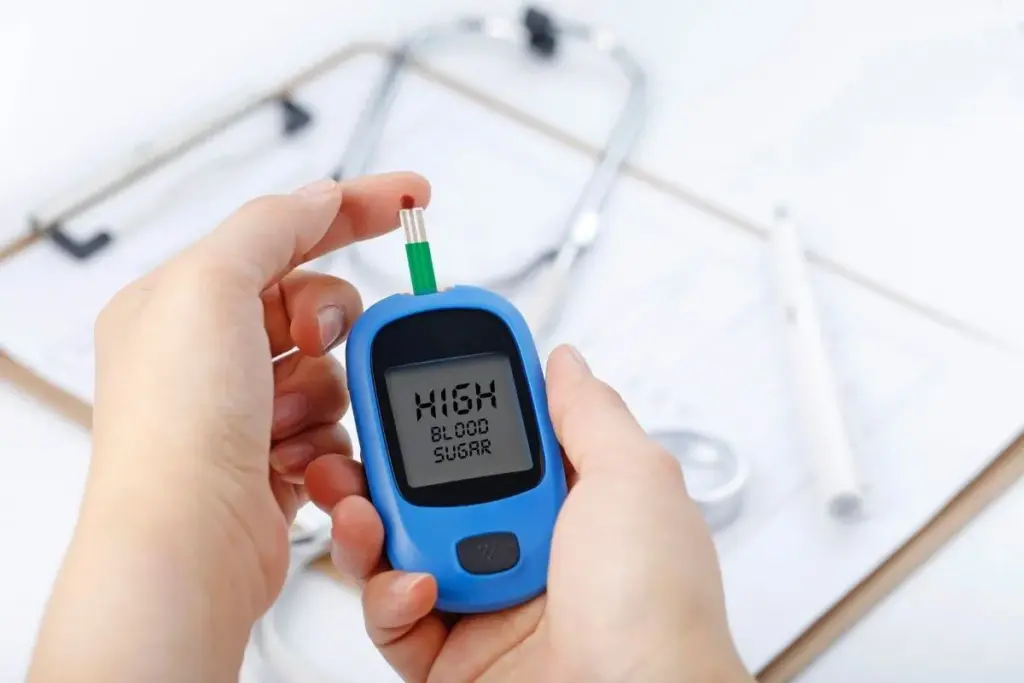
Managing diabetes and keeping your body healthy means knowing your blood glucose levels. Normal fasting glucose is between 70 to 100 mg/dL. After eating, your glucose should be under 140 mg/dL for 2 to 3 hours. Checking these levels is key to avoiding diabetes-related problems.
A printable blood glucose chart is great for tracking your health. Our guide shows you how to use these charts. It covers normal ranges for everyone and target ranges for people with diabetes.
Key Takeaways
- Knowing your fasting and postprandial glucose levels is vital for diabetes management.
- A printable blood sugar chart is a useful tool for daily tracking.
- Monitoring your glucose levels can prevent serious health issues.
- Our guide offers a detailed look at reading and understanding blood glucose charts.
- Keeping your metabolic health in check requires watching and managing your glucose levels.
Understanding Blood Glucose Level Chart Printable Formats and Components

It’s important to know about blood glucose charts for managing diabetes. These charts help track glucose levels all day. They show how diet, exercise, and medicine affect blood sugar.
What Blood Glucose Charts Display
Blood glucose charts show levels in milligrams per deciliter (mg/dL). They are divided by when the reading was taken. Knowing these times and what’s normal is key to understanding the charts.
Key Measurements: mg/dL Explained
The unit for blood glucose is milligrams per deciliter (mg/dL). It shows how much glucose is in the blood. For example, 120 mg/dL means there are 120 milligrams of glucose in each deciliter of blood. Knowing this helps you read the charts right.
Time-Based Reading Categories
Blood glucose readings are sorted by when they were taken. The main categories are:
- Fasting: Readings after waking up.
- Pre-meal: Readings before eating a meal.
- Post-meal: Readings after eating, usually 1-2 hours later.
- Random: Readings at any time, not tied to meals.
Knowing these categories helps you understand blood glucose charts. It’s key for managing diabetes well.
| Time of Measurement | Normal Range (mg/dL) | Target Range for Diabetics (mg/dL) |
| Fasting | 70-99 | 80-130 |
| 1 hour after meal | <180 | <180 |
| 2 hours after meal | <140 | <140 |
By grasping the parts and types of blood glucose charts, you can manage diabetes better. This knowledge helps you make smart choices for your care.
Identifying Normal and Target Blood Glucose Ranges

To manage diabetes well, knowing normal and target blood glucose ranges is key. These ranges help those with diabetes and doctors make better treatment plans and lifestyle changes.
Normal Ranges for Non-Diabetics
People without diabetes usually have fasting blood glucose levels between 70-100 mg/dL. This shows their body is handling blood sugar well when fasting, like overnight. Keeping levels in this range is important for health and avoiding diabetes problems.
After meals, glucose levels should be under 140 mg/dL, 2 hours later. This means the body is handling the meal’s glucose well.
Type 2 Diabetes Target Ranges
For type 2 diabetes, target ranges are a bit different. The American Diabetes Association suggests fasting glucose should be 80-130 mg/dL. This range gives some flexibility while keeping blood sugar in check.
After meals, type 2 diabetes patients should aim for glucose under 180 mg/dL, 2 hours later. Staying within these targets can prevent complications and improve health.
Understanding Blood Glucose 3 Hours After Eating
Knowing blood glucose 3 hours after eating is important. It shows how well the body handles glucose after a meal. For non-diabetics, levels should be close to normal in 2-3 hours. For diabetics, it might take longer.
Tracking glucose 3 hours after eating helps spot patterns. This info can guide meal plans, exercise, and medication to better manage blood sugar.
By keeping blood glucose in normal and target ranges, diabetes management improves. A type 2 diabetes printable blood sugar chart can help track and manage glucose levels over time.
Interpreting Elevated Readings and Prediabetic Ranges
It’s important to know about high blood glucose readings early. These readings are higher than normal but not diabetes levels.
Let’s look at what certain glucose levels mean, like 3 hours after eating. Glucose levels of 154 and 165 mg/dL are high after meals. They show how well the body handles blood sugar after eating.
What Glucose Levels of 154 and 165 mg/dL Mean
Glucose levels of 154 and 165 mg/dL, 3 hours after eating, mean the body struggles with blood sugar. These levels are higher than normal but not diabetes.
Prediabetic Range: 140-199 mg/dL
Levels between 140 and 199 mg/dL are prediabetic, 2 hours after eating, says the American Diabetes Association. Our focus is on 3 hours, but this range shows diabetes risk.
| Glucose Level (mg/dL) | Interpretation |
| Below 140 | Normal |
| 140-199 | Prediabetic Range |
| 200 or above | Diabetic Range |
3 Hours Post-Meal Blood Sugar Interpretation
Understanding blood sugar 3 hours after eating is key. A reading of 154 or 165 mg/dL means it’s time to check your diet. You might need to change it to control blood sugar better.
Individual Factors Affecting Glucose Response
Many things can change how we respond to glucose. For example, what we eat and our metabolism play big roles. Foods with simple carbs raise blood sugar fast, while complex carbs and fiber do not.
Knowing these factors helps us make better food choices. This way, we can manage our blood sugar levels better.
Using Printable Blood Sugar Charts for Daily Monitoring
Printable blood sugar charts are a great way to keep track of your diabetes. They help you see how your body reacts to food, exercise, and medicine. This makes managing your diabetes easier.
Setting Up Your Printable Chart System
To use a blood sugar chart well, start by setting it up right. Pick a chart that fits your needs, like a daily log or a weekly tracker. Make sure it lets you record blood sugar at different times, like before and after meals.
Key components of a good chart include:
- Date and time of measurement
- Blood glucose reading
- Notes on food and activities
- Space for comments
Recording Multiple Time Points Throughout the Day
Measuring blood sugar at different times gives a full picture of glucose management. It’s key to check levels before and after meals. This shows how food impacts your blood sugar.
For example, checking 1 hour post meal blood sugar or 3 hours after eating is helpful. It helps you see how meals affect your blood sugar.
Tracking Patterns Over Time
Printable charts are great for spotting patterns in your blood sugar. By tracking regularly, you can see trends. This helps you make better choices for managing your diabetes.
You might find that your blood sugar goes up at certain times or after certain foods. Knowing this can help you adjust your diet or medicine.
| Time | Blood Glucose Level | Notes |
| Before Breakfast | 120 mg/dL | Low carb breakfast |
| 1 Hour After Lunch | 180 mg/dL | High carb lunch |
| 3 Hours After Dinner | 150 mg/dL | Balanced dinner |
When Your Numbers Require Medical Attention
It’s important to know when to seek medical help for your blood sugar. High or low levels often mean you need to change your plan. Always talk to your doctor if you see these signs.
Using blood sugar charts and understanding them helps you manage your diabetes better. It lets you make smart choices and improve your health.
Conclusion
Understanding and using blood glucose level charts is key for those with diabetes. A blood glucose level chart printable helps you track your progress. This way, you can make better decisions about your care.
It’s important to check your blood sugar levels at different times. This includes knowing what your blood sugar should be 3 hours after eating. This helps spot patterns and issues, so you can change your treatment plan if needed.
Using printable blood sugar charts is a proactive step in managing diabetes. Regular checks and lifestyle or medication changes can greatly improve your health over time.
We suggest starting to use a blood glucose level chart printable. It will help you track your progress. Work closely with your healthcare provider to keep your glucose levels in check.
FAQ
What is a normal blood glucose level 3 hours after eating?
A normal level 3 hours post-meal is usually less than 120 mg/dL, as glucose should start returning to baseline.
What does a glucose level of 154 mg/dL indicate?
A level of 154 mg/dL is slightly elevated, suggesting your body is still processing the meal; monitor trends for patterns.
Is a blood glucose level of 165 mg/dL considered high?
Yes, 165 mg/dL 1–2 hours after eating is above normal postprandial levels and may indicate impaired glucose tolerance.
What is the prediabetic range for blood glucose levels?
Fasting: 100–125 mg/dL; 2 hours post-meal: 140–199 mg/dL indicates prediabetes.
How do I interpret my blood sugar levels 3 hours post-meal?
By 3 hours, blood sugar should be near fasting levels; persistent elevation may signal insulin resistance or delayed glucose clearance.
What factors can affect glucose response?
Meal composition, portion size, stress, activity, medications, and sleep all influence post-meal glucose levels.
How can I use a printable blood sugar chart for daily monitoring?
Record pre- and post-meal readings on the chart to track trends, identify spikes, and share with your healthcare provider.
When should I seek medical attention based on my blood glucose readings?
Seek help if levels are consistently above 180 mg/dL post-meal, below 70 mg/dL, or if you experience symptoms like dizziness or confusion.
What should my blood sugar be 3 hours after eating?
Ideally, it should be close to fasting levels, usually under 120 mg/dL, indicating proper glucose regulation.
References
The test should be done in the morning, after a 10- to 14-hour fast in which the patient is permitted only water. Patients are not allowed to smoke during the https://www.ncbi.nlm.nih.gov/books/NBK248/