
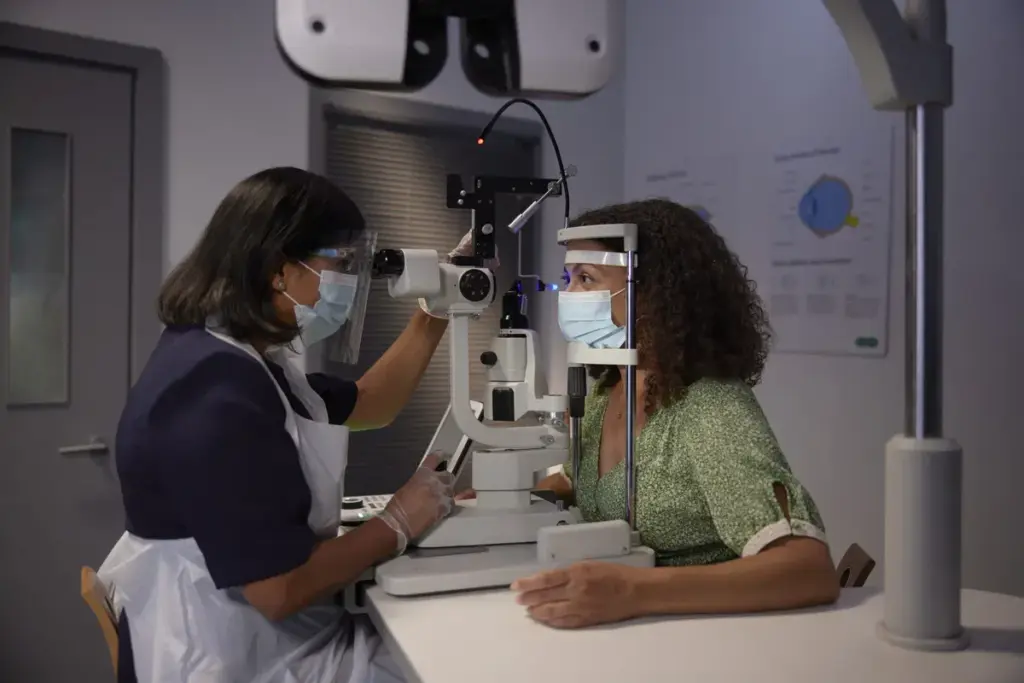
Glaucoma is often called the “silent thief of sight.” It can lead to permanent blindness if not caught early. We know how vital it is to spot glaucoma symptoms early to save your vision.
Glaucoma is the second biggest cause of blindness globally. It affects millions but goes unnoticed in over half of the cases. At Liv Hospital, we aim to help you recognize the early signs of glaucoma vision loss pattern. This way, we can act quickly when it’s most important.
Key Takeaways
- Glaucoma is a leading cause of irreversible blindness worldwide.
- Early detection of glaucoma is key as it often shows no symptoms.
- Spotting early glaucoma vision loss patterns is key to saving your sight.
- Liv Hospital offers trusted, patient-focused help for understanding glaucoma symptoms.
- Acting fast is vital to protect your vision.
Understanding Glaucoma as the Silent Thief of Sight
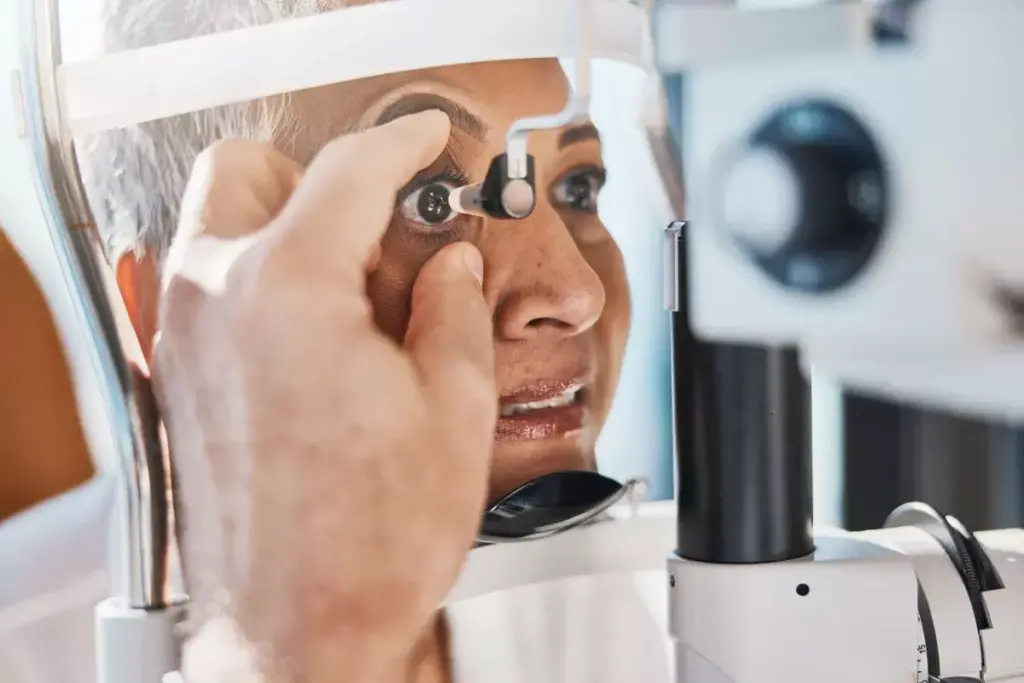
Glaucoma is called the “silent thief of sight” because it can cause permanent vision loss without symptoms. It slowly damages the eyes, often without anyone noticing until it’s too late.
Glaucoma’s silent progression is a big worry. It can cause severe vision loss if not caught early. People may not know they’re losing their vision until it’s too late.
The Scale of Undetected Glaucoma in America
More than half of glaucoma cases worldwide are not found, with nearly half of the 4.22 million cases in America not diagnosed. This shows how important it is to get regular eye exams to catch glaucoma early.
The number of people with undetected glaucoma in America is a big health issue. Many people are diagnosed only when they notice a big change in their vision. This makes it clear how important it is to screen for glaucoma early.
Why Early Vision Changes Go Unnoticed
Early signs of glaucoma often go unnoticed because they happen slowly. They usually start with losing vision on the sides. This slow change makes it hard for people to notice until it’s too late.
Also, the brain tries to make up for these vision losses, making it even harder to notice them. Getting regular eye exams is key to catching glaucoma before it causes too much damage.
Identifying the Glaucoma Vision Loss Pattern in Early Stages

Managing glaucoma starts with spotting its early signs. We’ll look at how it affects vision at first, focusing on losing side vision and changes in the center of your vision.
Peripheral Vision Loss: The First Warning Sign
Glaucoma often starts by taking away your side vision. This happens because it damages the optic nerve. The optic nerve sends visual info to your brain.
As glaucoma gets worse, you might find it hard to move around or see things on the sides.
Peripheral vision loss is often hard to notice at first. But it’s very important to get your eyes checked regularly to catch it early.
Central Visual Field Changes Between 10 to 20 Degrees
Glaucoma also affects your central vision, between 10 to 20 degrees from the center. This makes it tough to do things that need you to focus, like reading or driving.
Changes in central vision are more noticeable and might make you want to see a doctor. But by then, some damage might already be done, showing why catching it early is key.
How Visual Field Testing Reveals Hidden Patterns
Visual field tests are key for finding glaucoma’s early signs. They check how sensitive your retina is in different spots. This helps find where your vision is getting lost.
Doctors use these tests to spot hidden patterns of vision loss that you might not see. This info is vital for catching glaucoma early and tracking how it changes.
| Test Type | Purpose | Frequency |
| Visual Field Testing | Detects glaucoma vision loss patterns | At least annually |
| Optic Nerve Head Imaging | Monitors changes in the optic nerve | Every 1-2 years |
| Gonioscopy | Examines the drainage angle of the eye | During initial diagnosis |
Spotting glaucoma’s early signs is key to managing it well and keeping your vision. Regular eye exams and special tests are very important for this.
Conclusion
Spotting early signs of glaucoma is key to managing and treating it. Glaucoma can quietly damage your vision, leading to permanent loss if not caught early. It’s vital to detect it early to slow its progress.
Early treatment can help most people keep their vision. Knowing the signs, like losing peripheral vision, helps you act fast. Regular eye exams are essential for catching glaucoma early.
Being aware and proactive is critical in fighting glaucoma. Regular eye checks can help protect your vision and quality of life. Starting treatment early is the best way to save your sight.
FAQ
What is glaucoma and how does it affect vision?
Glaucoma is an eye disease that damages the optic nerve, leading to gradual vision loss, often starting with peripheral vision.
Why is glaucoma called the “silent thief of sight”?
Because it often progresses without noticeable symptoms until significant vision loss occurs.
How common is undiagnosed glaucoma in America?
A large portion of glaucoma cases—up to 50%—remain undiagnosed, especially in early stages.
What are the early signs of glaucoma vision loss?
Subtle peripheral vision loss or difficulty seeing in low light, often unnoticed by the patient.
How is glaucoma vision loss detected?
Through eye exams, optic nerve imaging, and visual field testing.
Can glaucoma treatment help preserve vision?
Yes, early treatment with medications, laser, or surgery can slow progression and protect remaining vision.
How often should I have my eyes checked for glaucoma?
Eye exams are recommended every 1–2 years, or more frequently for high-risk individuals.
What is the role of visual field testing in glaucoma management?
It detects and monitors peripheral vision loss to assess disease progression and treatment effectiveness.
References
Glaucoma. In StatPearls (Internet). StatPearls Publishing. https://www.ncbi.nlm.nih.gov/books/NBK538217/