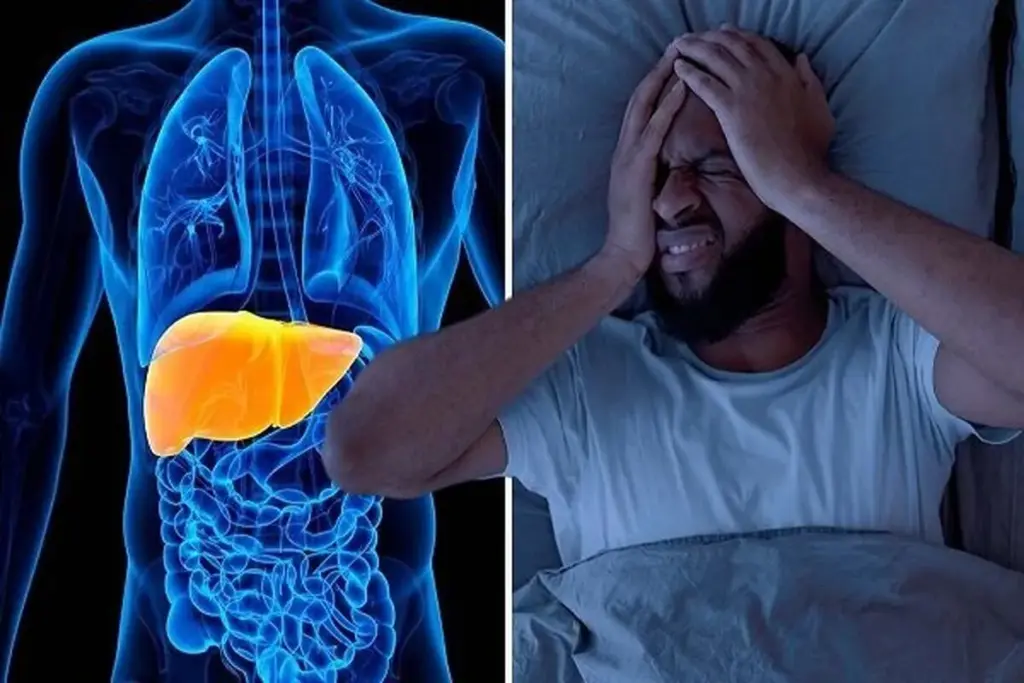
Alcohol-related liver disease (ARLD) is a big health problem worldwide. Silent but serious, liver damage often progresses without obvious symptoms until significant harm has occurred. It’s important to spot early warning signs to prevent more damage.
The liver deals with everything we eat, including toxins. But too much alcohol can cause inflammation and scarring. At Liv Hospital, we help our patients take charge of their health. We treat ARLD early to avoid lasting damage.
Key Takeaways
- ARLD represents a spectrum of liver conditions ranging from fatty liver to cirrhosis.
- Approximately 90 percent of people who drink heavily develop fatty liver disease.
- Early signs of liver damage include unexplained fatigue, abdominal discomfort, and skin changes.
- Liv Hospital’s patient-centered approach helps identify and treat ARLD before irreversible cirrhosis develops.
- Understanding the stages of liver disease is key for prevention and treatment.
Understanding Alcohol-Related Liver Disease (ARLD)
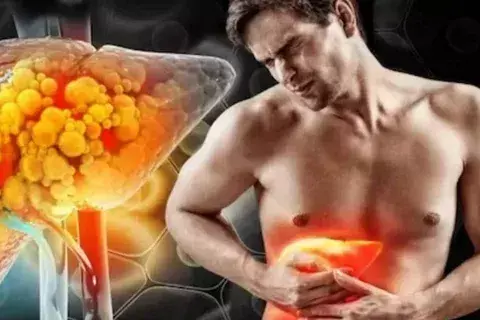
Alcohol-Related Liver Disease (ARLD) is a condition caused by too much alcohol. It damages the liver in different ways. We will look at the stages of ARLD and what causes it.
The Spectrum from Fatty Liver to Cirrhosis
ARLD starts with fatty liver, where fat builds up in liver cells. Fatty liver disease can get better if you stop drinking. But, drinking too much can lead to alcoholic hepatitis, which hurts liver cells.
Drinking heavily for a long time can cause cirrhosis. This is when the liver gets very scarred and can fail.
“The risk of alcoholic hepatitis comes from how much and how long a person drinks.” This shows how important it is to know how much you drink and its effect on your liver.
Risk Factors and Development Timeline
Drinking 30 to 50 grams of alcohol daily for five years can lead to liver disease. Cirrhosis happens in 30 percent of people who drink more than 40 grams daily. Risk factors include how much and for how long you drink, your genes, and other health issues.
| Stage of ARLD | Description | Reversibility |
| Fatty Liver | Accumulation of fat in liver cells | Reversible with abstinence |
| Alcoholic Hepatitis | Inflammatory condition causing liver cell damage | Partially reversible; depends on severity |
| Cirrhosis | Severe scarring of the liver | Irreversible; management focuses on preventing further damage |
Knowing about ARLD’s stages and risk factors helps prevent it. It also tells you when to see a doctor.
Early Warning Signs of Alcohol Liver Damage
It’s important to know the early signs of alcohol liver damage. This helps in getting help early and avoiding serious problems. We will look at the first signs of alcohol-related liver disease (ARLD). This way, people can get medical help before things get worse.
Silent Symptoms and Why They’re Often Missed
In the early stages, ARLD might not show any symptoms. But, there are silent signs that can mean liver damage. These include:
- Constant Fatigue: Feeling very tired or weak, even after resting.
- Loss of Appetite: Eating less, which can cause weight loss.
- Nausea: Feeling sick or queasy, often after drinking alcohol.
These signs are often ignored or blamed on other things. It’s key to know about them and see a doctor if they don’t go away.
Initial Physical Manifestations
As ARLD gets worse, you might start to notice physical signs. These can be:
- Upper Right Abdominal Pain: Pain or discomfort in the upper right belly, where the liver is.
- Unexplained Weight Loss: Losing weight without a clear reason, which can mean liver problems.
- Enlarged Liver: The liver gets bigger and can feel tender, found during a check-up.
Knowing these signs early can help find liver damage quickly. If you or someone you know has these symptoms, see a doctor right away.
Alcohol Rash Liver and Advanced Symptoms
ARLD in its advanced stages can cause serious skin problems and other health issues. As the liver gets more damaged, many complications can happen. These affect not just the liver but the whole body’s health.
Skin Changes and Vascular Signs
Advanced ARLD shows through skin changes and vascular signs. Spider angiomas look like spider webs on the skin. They are seen on the face, neck, and upper body. People may also have palmar erythema, which makes the palms red.
Jaundice is another sign, making the skin and eyes yellow. This happens when the liver can’t handle bilirubin. Some may also get nosebleeds because of high pressure in the portal vein.
Systemic Manifestations
ARLD’s advanced stages also bring systemic symptoms. Ascites is fluid buildup in the belly, causing discomfort and breathing trouble. People may also feel fever and tiredness as their body reacts to the liver damage.
Doctors say early detection and treatment are key. Knowing these symptoms is important for getting help on time.
“The liver is a vital organ that performs a multitude of critical functions. When damaged by alcohol, it can lead to a cascade of health issues that require extensive care.”
Spotting signs like jaundice, ascites, and vascular changes is key to managing ARLD. We urge those with these symptoms to get medical help to tackle complications early.
Recovery Potencial and Next Steps
Knowing how to recover from Alcohol-Related Liver Disease (ARLD) is key. If you have ARLD, stopping alcohol is the first step. The liver can fix early damage in just six weeks without alcohol.
To figure out if you’ve harmed your liver, watch for signs like jaundice, fatigue, and swelling. If you see these symptoms, get medical help right away.
With the right treatment and lifestyle changes, some liver damage can be undone. For severe cases, doctors might use corticosteroids and nutrition support. In the worst cases, a liver transplant might be needed.
It’s important to talk to a doctor about your treatment options. They can help you understand your recovery chances. Taking action can improve your liver health and overall health.
FAQ
What are the early signs of liver damage from alcohol?
Early signs of liver damage from alcohol can be subtle. They may include fatigue, loss of appetite, and nausea. As the condition worsens, symptoms like jaundice, dark urine, and abdominal swelling become more noticeable.
How do I know if I have liver damage from drinking?
Look out for symptoms like persistent fatigue, loss of appetite, and changes in urine or stool color. If you notice these signs, it’s important to see a healthcare professional for a proper evaluation and diagnosis.
What are the symptoms of alcoholic liver disease?
Symptoms of alcoholic liver disease vary by stage. Early stages may have few or no symptoms. Advanced stages can cause jaundice, abdominal pain, and swelling in the legs and abdomen.
Can you reverse liver damage caused by alcohol?
In some cases, liver damage from alcohol can be reversed. This happens with abstinence and lifestyle changes. The extent of reversal depends on the damage’s severity and your overall health.
What are the signs of liver failure from alcohol?
Signs of liver failure from alcohol include severe jaundice, confusion, and bleeding disorders. Advanced cases can lead to life-threatening complications like hepatic encephalopathy and variceal bleeding.
How long does it take for liver damage to occur from drinking?
The time it takes for liver damage to occur from drinking varies. It depends on the amount and frequency of alcohol, genetics, and overall health. Generally, heavy drinking over several years can cause significant damage.
What are the skin symptoms of alcoholic liver disease?
Skin symptoms of alcoholic liver disease include jaundice, spider angiomas, and palmar erythema. Some people may also experience itching or rashes due to bile duct obstruction or other related conditions.
Can you have liver damage without knowing it?
Yes, it’s possible to have liver damage without noticeable symptoms, even in the early stages. Regular check-ups and screenings can help detect liver damage early, even if you’re not experiencing symptoms.
What are the systemic manifestations of advanced alcoholic liver disease?
Advanced alcoholic liver disease can cause fatigue, weight loss, and edema. In severe cases, individuals may experience cognitive impairment, confusion, and other neurological symptoms due to hepatic encephalopathy.
How does alcohol-related liver disease affect the body?
Alcohol-related liver disease can impair liver function, cause inflammation and scarring, and increase the risk of infections and other complications.
References
National Center for Biotechnology Information. Evidence-Based Medical Guidance. Retrieved from https://www.ncbi.nlm.nih.gov/pmc/articles/PMC6833790/