
At Liv Hospital, we know how worried people are about brain health and tumors. Eating well and being active can really help lower your risk. Our team says a balanced diet and regular physical activity are key to fighting cancer.
Choosing wisely for your health can cut down your tumor risk. Drinking less alcohol and not using tobacco are big steps. We’re here to offer top-notch care and help you make these healthy choices.
Key Takeaways
- Maintain a balanced diet to reduce overall cancer risk
- Stay physically active to minimize tumor risk
- Limit alcohol consumption and avoid tobacco
- Make informed decisions about your health
- Seek support from healthcare professionals
Understanding Brain Tumors and Their Impact
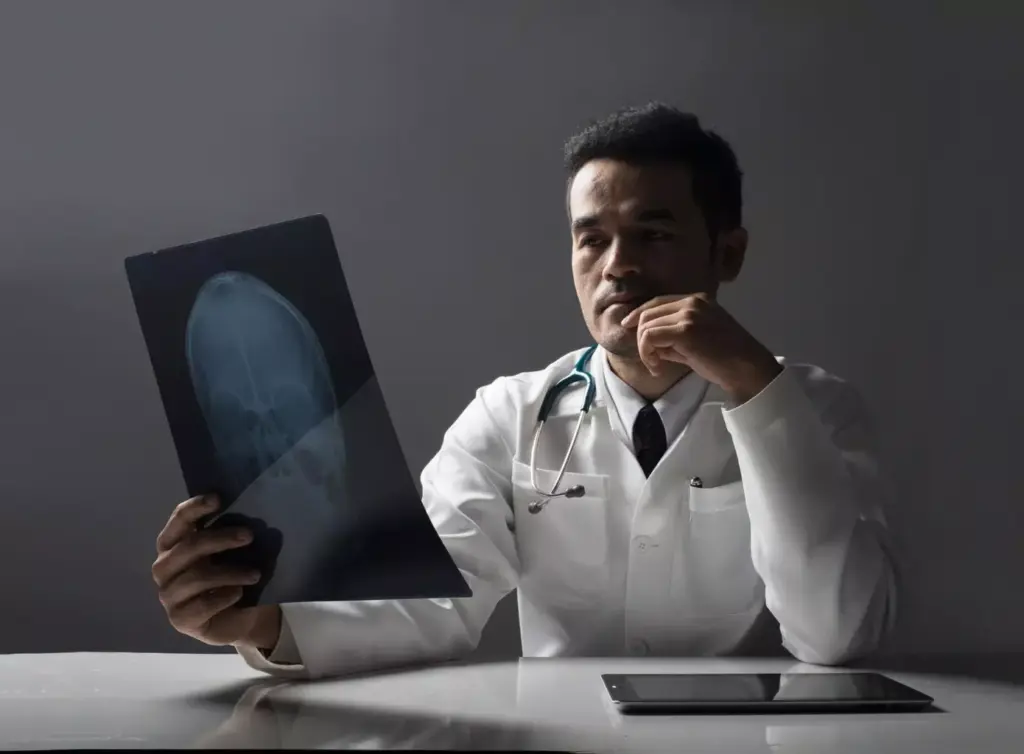
Exploring brain tumors shows us that knowing a lot helps fight these serious conditions. Whether they are benign or malignant, brain tumors are a big health risk. They need a full plan for prevention and treatment.
Types of Brain Tumors and Their Characteristics
Brain tumors fall into two main groups: primary and metastatic. Primary tumors start in the brain, while metastatic ones spread from other parts. There are over 100 types of brain tumors, each with its own challenges.
Common types of primary brain tumors include:
- Gliomas: These tumors come from the brain’s glial cells and can be low-grade or high-grade.
- Meningiomas: Usually benign, these tumors grow in the meninges, the brain and spinal cord’s protective membranes.
- Acoustic neuromas: Benign tumors that grow on the nerve from the inner ear to the brain.
Knowing the type of brain tumor is key for the right treatment and care.
Prevalence and Statistics in the United States
Brain tumors are a big health issue in the U.S., with thousands diagnosed each year. Over 700,000 Americans live with a primary brain tumor. About 86,000 new cases are expected annually.
Key statistics include:
- Primary brain tumors make up about 2% of all new cancer cases.
- Some brain tumors are more common in certain age groups, like children or adults.
- Survival rates depend on the tumor type, grade, and the patient’s health.
The Importance of Preventative Approaches
While we can’t prevent all brain tumors, making lifestyle changes and knowing risk factors can help. Preventive steps include avoiding radiation, eating healthy, and staying away from toxins.
Key preventative measures include:
- Reducing ionizing radiation from medical scans and other sources.
- Eating lots of fruits, veggies, and omega-3s.
- Staying away from chemicals and toxins in the environment and work.
By understanding brain tumors, we can take steps to lower risk and improve outcomes for those affected.
Brain Tumor Risk Factors: What You Need to Know

Knowing the risk factors for brain tumors is key to prevention. We’ll look at what increases the chance of getting a brain tumor. This knowledge helps you make better health choices.
Genetic Predisposition and Family History
Genetics are a big part of brain tumor risk. People with a family history of brain tumors or certain genetic syndromes face a higher risk. If you have a family history, talk to your doctor about your risk and what steps you can take.
Environmental Risk Factors
Some environmental factors can raise your risk of brain tumors. For example, being exposed to ionizing radiation is a known risk. We talk more about this in Section 4. It’s important to understand and avoid these risks.
Who Is at Risk for Glioblastoma
Glioblastoma is a very aggressive brain tumor. While we don’t know all the causes, some factors increase your risk. These include age, with most cases in people over 65, and radiation exposure. Knowing these risks helps with early detection and management.
Being aware of these risks lets you take steps to lower your chance of getting a brain tumor. Regular health checks and staying up-to-date with research are important. They help in managing and possibly reducing brain tumor risk.
The Role of Radiation Exposure in Brain Tumor Development
The link between radiation and brain tumors is a key area of research. It helps us find ways to prevent these tumors. Ionizing radiation is a known risk factor for brain tumors. Knowing where radiation comes from and how to avoid it is key to lowering the risk.
High-Dose Ionizing Radiation Risks
High-dose ionizing radiation raises the risk of brain tumors. This radiation can damage DNA, leading to cancer. Sources include medical treatments, some industrial settings, and nuclear accidents.
Examples of high-dose ionizing radiation sources:
- Radiation therapy for cancer treatment
- Industrial radiation sources used in certain manufacturing processes
- Nuclear power plant accidents
Everyday Radiation Sources to Be Aware Of
Even low levels of radiation are important to watch. Common sources include:
- X-rays and CT scans
- Air travel and cosmic radiation
- Certain consumer products
Protective Measures Against Unnecessary Radiation
To lower radiation exposure and brain tumor risk, take these steps:
| Protective Measure | Description |
|---|---|
| Limiting Medical Radiation | Make sure medical imaging uses the least amount of radiation needed. |
| Avoiding Unnecessary Scans | Talk to your doctor to avoid scans that aren’t needed. |
| Using Shielding | Use shields during procedures to protect other areas. |
Knowing where radiation comes from and how to avoid it can help prevent brain tumors. Always follow health advice to stay safe.
How to Prevent Brain Tumor Through Dietary Choices
Eating the right foods can help keep your brain healthy. It might even lower the risk of brain tumors. A diet full of nutrients and antioxidants protects the brain from damage.
Antioxidant-Rich Foods That Support Brain Health
Antioxidants are key to keeping the brain healthy. They fight off free radicals that harm cells. Foods high in antioxidants include:
- Berries: Blueberries, strawberries, and raspberries are full of antioxidants like anthocyanins and vitamin C.
- Nuts and Seeds: Walnuts, almonds, and chia seeds are rich in antioxidants and healthy fats.
- Leafy Greens: Spinach, kale, and collard greens are packed with antioxidants like lutein and zeaxanthin.
- Other Foods: Tomatoes, turmeric, and green tea are also rich in antioxidants.
Eating these foods can boost brain health. For example, eating berries regularly can improve thinking skills and lower disease risk.
Foods to Avoid for Brain Tumor Prevention
Some foods can harm brain health and increase tumor risk. It’s best to limit or avoid:
- Processed Meats: Foods like bacon, sausages, and processed deli meats contain nitrates and nitrites that can be harmful.
- Sugary Drinks and Foods: High sugar intake can lead to inflammation and oxidative stress.
- Foods High in Saturated and Trans Fats: These can contribute to inflammation and negatively impact overall health.
Staying away from these foods can help prevent brain tumors and support overall health.
Developing a Brain-Healthy Eating Plan
Creating a brain-healthy eating plan means adding antioxidant-rich foods and cutting out processed and sugary foods. Here’s a simple guide to get you started:
| Meal | Foods to Include | Foods to Limit or Avoid |
|---|---|---|
| Breakfast | Oatmeal with berries, nuts, and seeds | Sugary cereals, processed meats |
| Lunch | Grilled chicken or fish with leafy greens and whole grains | Processed meats, sugary drinks |
| Dinner | Vegetable stir-fry with turmeric, lean proteins, and brown rice | Foods high in saturated and trans fats |
| Snacks | Nuts, seeds, fruits, and carrot sticks with hummus | Sugary snacks, processed chips |
By following this eating plan and staying hydrated, you can support your brain health and potentially reduce the risk of brain tumors.
Physical Activity and Its Role in Reducing Brain Tumor Risk
Regular physical activity is key for good health. It helps lower the risk of brain tumors. We’ll look at how exercise boosts brain health and share tips for staying active.
Exercise does more than keep us fit. It also helps fight off some cancers, including brain tumors. Scientists are studying how this works.
Exercise Recommendations for Brain Health
To keep your brain healthy, exercise regularly. Aim for 150 minutes of moderate exercise or 75 minutes of vigorous exercise weekly. Also, do strength training two or more times a week.
Sample Exercise Routine:
| Day | Activity | Duration |
|---|---|---|
| Monday | Brisk Walking | 30 minutes |
| Tuesday | Strength Training | 45 minutes |
| Wednesday | Rest Day | – |
| Thursday | Swimming | 45 minutes |
| Friday | Cycling | 30 minutes |
How Physical Activity Impacts Overall Cancer Risk
Exercise is good for cancer risk. It helps keep weight in check, lowers inflammation, and boosts the immune system. These factors can lower the risk of brain tumors and other cancers.
Incorporating Movement into Daily Life
Making physical activity a part of daily life is easy and fun. Start with small changes like taking the stairs or walking to work. Find activities you enjoy and fit them into your routine.
By prioritizing exercise, we can lower our risk of brain tumors and improve our health.
Environmental Toxins: Identification and Avoidance Strategies
It’s important to know about environmental toxins to lower brain tumor risks. We’re surrounded by harmful substances. Knowing them is the first step to stay safe.
Common Neurotoxins in the Environment
Neurotoxins can harm or kill nerve cells, leading to health issues like brain tumors. Pesticides, heavy metals like lead and mercury, and industrial chemicals are common neurotoxins.
Pesticides have been linked to brain cancer in some studies. We can avoid them by choosing organic food and not using pesticides at home.
Workplace Exposures That May Increase Risk
Some jobs expose people to more neurotoxins. Workers in the chemical industry, those using pesticides in agriculture, and those handling heavy metals are at higher risk.
Employers should give proper gear and training for handling dangerous substances. Workers can also follow safety rules and report any concerns to their bosses.
| Workplace | Potential Toxins | Protective Measures |
|---|---|---|
| Chemical Industry | Industrial chemicals, solvents | Gloves, masks, ventilation systems |
| Agriculture | Pesticides, herbicides | Protective clothing, masks, safe handling practices |
| Metal Processing | Heavy metals (lead, mercury) | Gloves, masks, regular health check-ups |
Creating a Safer Home Environment
We can make our homes safer by using non-toxic cleaners and avoiding plastics with BPA or phthalates. Good ventilation also helps.
Using fewer pesticides and herbicides in our gardens is another step. We can adopt natural pest control methods instead.
By choosing the right products and maintaining our homes wisely, we can reduce harmful substance exposure. This lowers our risk of brain tumors.
Lifestyle Modifications to Lower Brain Tumor Risk
We can lower our risk of brain tumors by making smart lifestyle choices. By choosing healthier habits and avoiding harmful things, we can greatly reduce our chance of getting brain cancer.
Tobacco and Alcohol: The Connection to Brain Cancer
Using tobacco and drinking too much alcohol can increase the risk of brain tumors. Avoiding tobacco products is a key way to lower cancer risk. Also, drinking less alcohol can stop cancer cells from growing.
“The International Agency for Research on Cancer has classified tobacco as ‘carcinogenic to humans,’ and there’s evidence suggesting that it may increase the risk of brain tumors.”
Quitting smoking and drinking less are important steps to lower brain tumor risk. There are many resources like counseling and support groups to help.
Stress Management Techniques
Chronic stress can harm our health, including our brain. Using stress management techniques like meditation, yoga, or deep breathing can help. These activities not only reduce stress but also boost our overall well-being.
Regular exercise and a healthy work-life balance are also key to managing stress. By adding these habits to our daily lives, we can become more resilient to stress.
Sleep Quality and Brain Health
Good sleep is vital for brain health, allowing for brain cell repair and regeneration. Restorative sleep supports brain function and may prevent neurodegenerative diseases.
To get better sleep, keep a regular sleep schedule, create a sleep-friendly environment, and avoid stimulants before bed. By focusing on sleep, we can take a big step towards lowering our risk of brain tumors.
Protective Measures for High-Risk Activities
When we push our limits in sports and fun activities, keeping our brains safe is key. High-risk activities, like contact sports or extreme fun, need us to know how to protect our heads. This helps avoid head injuries and brain tumors.
Head Injury Prevention and Brain Tumor Risk
Head injuries, often from contact sports or big impacts, can lead to brain tumors. Preventing head injuries is vital. It keeps our brains healthy for a long time. Using safety gear and following safety rules can really help.
Studies show that protective headgear can lessen the harm from head injuries. This is very important for athletes in contact sports, where crashes happen a lot. It’s key to make sure the headgear fits right and is worn correctly.
Choosing and Using Protective Headgear
Picking the right headgear is a big step in avoiding head injuries. The right gear depends on the activity. For example, bike helmets are not the same as football helmets.
- Make sure the headgear fits well and is comfy.
- Choose gear that meets safety standards.
- Check the headgear often for damage and replace it when needed.
Safety Protocols for Contact Sports and Recreational Activities
Having safety protocols is essential for safe play in contact sports and fun activities. This includes learning safe moves, following rules, and getting medical help fast if hurt.
Coaches, trainers, and players need to know about head injuries, like concussions. They should know how to act if someone gets hurt. Concussion protocols are important. They say to take someone out of play if they show concussion signs and get a doctor’s check-up.
By wearing protective headgear and following safety rules, we can have fun in risky activities safely. This way, we can enjoy ourselves without worrying about head injuries or brain health problems later.
Monitoring and Early Detection Approaches
Early detection is key in fighting brain tumors. We’ll look at how to save lives. Knowing the signs and symptoms can greatly improve treatment chances.
When Brain Cancer Screening Is Recommended
Screening for brain cancer isn’t common for everyone. But, it’s advised for those at high risk. This includes people with a family history or radiation exposure. Early detection through screenings can lead to better treatment outcomes.
Talk to your doctor about your risk. They can tell you if screening is right for you. They’ll explain the benefits and risks of the tests.
Recognizing Early Warning Signs
Knowing the early signs of brain tumors is important. Common symptoms include:
- Headaches that worsen over time
- Seizures or convulsions
- Nausea or vomiting
- Vision problems or changes in speech
- Weakness or numbness in the arms or legs
These symptoms can also mean other things. But, if they last, see a doctor. They can check what’s going on.
Regular Health Check-ups for High-Risk Individuals
Regular check-ups are vital for those at high risk. They help keep an eye on brain health. High-risk people should work with their doctors to create a monitoring plan.
Check-ups might include neurological exams and imaging tests. Your doctor will recommend what you need. Sticking to the schedule is key for early detection.
By being informed and proactive, you can help detect brain tumors early. We urge everyone, but high-risk individuals, to focus on brain health. If you notice anything odd, get medical help right away.
Conclusion: Creating Your Brain Tumor Prevention Plan
To lower brain tumor risk, we need a plan that covers many areas. This includes healthy lifestyle choices and staying active about our health. Knowing the risks and how to avoid them can greatly reduce the chance of getting brain tumors.
Creating a plan to prevent brain tumors means making smart choices about what we eat, how much we move, and what we’re exposed to. Eating foods high in antioxidants, staying away from harmful chemicals, and exercising regularly are key. These actions help keep our brains healthy.
By following these tips, we can all play a big part in preventing brain cancer. We suggest talking to doctors to make a plan that fits our own needs and risks.
Being in charge of our health is a big step towards avoiding brain tumors. We aim to offer top-notch care and support. This helps people make smart choices for their health.
What are the most effective ways to reduce brain tumor risk?
To lower your risk, try a balanced diet full of antioxidants. Also, stay active and avoid harmful toxins. Being proactive and informed can help a lot.
How does genetic predisposition affect brain tumor risk?
Genetic factors can greatly influence your risk. If your family has a history of brain tumors, talk to your doctor. They might suggest genetic testing.
What are the risks associated with radiation exposure and brain tumor development?
High doses of radiation can raise your risk of brain tumors. Be mindful of radiation from tests and take precautions when needed.
What foods support brain health and can help prevent brain tumors?
Eat foods rich in antioxidants like fruits, veggies, and whole grains. A balanced diet can help protect your brain.
How does physical activity impact brain tumor risk?
Exercise is key for health and can lower brain tumor risk. Aim for 30 minutes of moderate activity daily.
What are some common environmental toxins that can increase brain tumor risk?
Pesticides, heavy metals, and certain chemicals are risks. Use protective gear and make your home safer to reduce exposure.
How can lifestyle modifications lower brain tumor risk?
Avoid smoking, drink less alcohol, manage stress, and get enough sleep. These habits can help lower your risk.
What protective measures can be taken during high-risk activities to minimize brain tumor risk?
Wear protective gear, follow safety rules, and prevent head injuries in sports and activities.
When is brain cancer screening recommended?
High-risk people, like those with a family history, should get screened. Talk to your doctor about when to start.
What are the early warning signs of brain tumors?
Watch for headaches, seizures, or changes in thinking. If symptoms last or are unusual, see a doctor.
How can I create a personalized brain tumor prevention plan?
Work with your doctor to understand your risk. Then, create a plan with lifestyle changes, safety steps, and regular check-ups.
References
- Brain and Spine Tumors Prevention. Winship Cancer Institute of Emory University. https://winshipcancer.emory.edu/cancer-types-and-treatments/brain-and-spine-tumors/prevention.php
- Brain and Spinal Cord Tumors in Adults: Prevention. American Cancer Society. https://www.cancer.org/cancer/types/brain-spinal-cord-tumors-adults/causes-risks-prevention/prevention.html
- How to Prevent Brain Tumors: What Science Tells Us. https://shareing-careing.org/how-to-prevent-brain-tumors-what-science-tells-us
- PMC2863297. National Center for Biotechnology Information. https://pmc.ncbi.nlm.nih.gov/articles/PMC2863297