
Elevated intraocular pressure (IOP) is a silent threat that affects millions worldwide. It often progresses without noticeable symptoms until vision loss occurs. Glaucoma, a leading cause of irreversible blindness, is a significant concern for those with high IOP.
Liv Hospital brings together world-class expertise and patient-centered care. They guide you through proven natural techniques to lower intraocular pressure and promote overall eye health.
By combining stress management techniques, dietary modifications, and regular exercise, individuals can take a proactive approach. This approach helps manage eye pressure and reduces the risk of vision loss.
Key Takeaways
- Elevated IOP affects millions globally, with glaucoma being a leading cause of irreversible blindness.
- Natural methods, including stress management and dietary changes, can help lower intraocular pressure.
- Liv Hospital offers world-class expertise and patient-centered care for eye health.
- Regular exercise is essential for overall eye health and managing eye pressure.
- A proactive approach to eye health can reduce the risk of vision loss.
Understanding Intraocular Pressure and Why It Matters
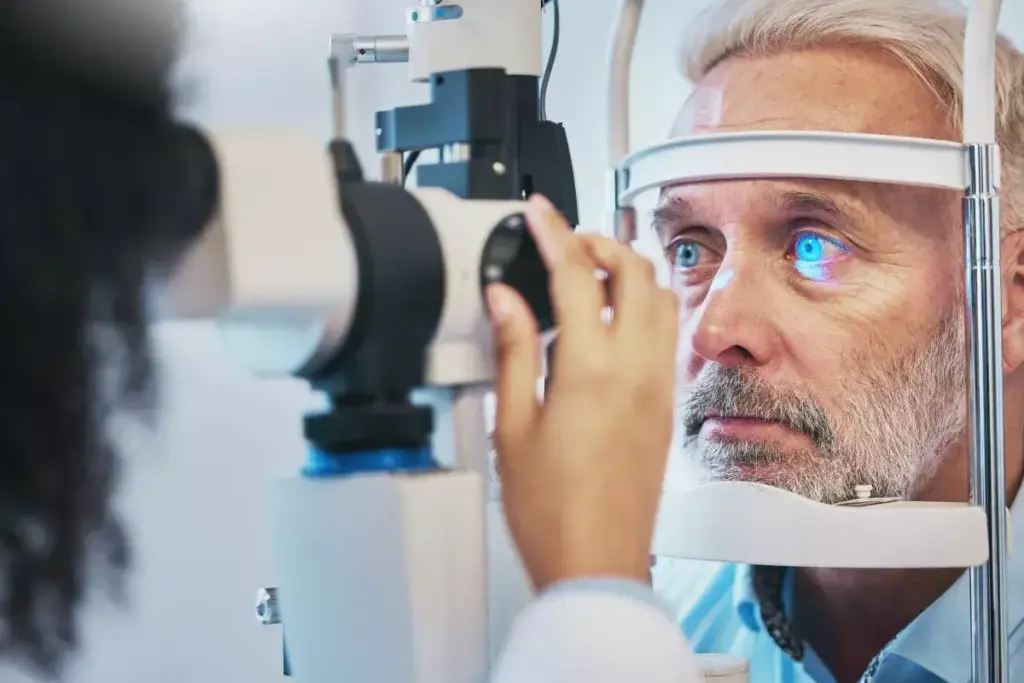
Knowing about intraocular pressure is vital for your eye health. It’s the fluid pressure inside your eyes. This pressure is key to keeping your vision healthy.
Normal Eye Pressure Range and Glaucoma Risk
Eye pressure should be between 10 to 21 millimeters of mercury (mm Hg). If it’s higher, it’s called ocular hypertension. This is a big risk for glaucoma, which can harm your optic nerve and lead to vision loss.
Glaucoma Risk Factors include high eye pressure, family history, age, and some medical conditions. Knowing these helps catch and manage glaucoma early.
| IOP Range (mm Hg) | Classification | Risk Level |
| 10-21 | Normal | Low |
| 22-24 | Borderline | Moderate |
| 25 and above | Elevated | High |
How Elevated IOP Damages Your Vision
High eye pressure can harm the optic nerve, leading to glaucoma. This damage can’t be reversed and may cause vision loss if not treated quickly. The pressure can compress the nerve fibers, stopping visual signals from reaching the brain.
Lowering IOP is key to managing glaucoma and saving vision. This can be done with medicine, lifestyle changes, or surgery. It’s important for those at risk to understand IOP and how to manage it.
By knowing the risks of high eye pressure and acting early, people can lower their glaucoma risk. This helps protect their vision.
How to Reduce Eye Pressure Instantly
There are many natural ways to lower eye pressure quickly. These include deep breathing exercises and specific yoga poses. Adding these to your daily routine can help lower eye pressure and improve eye health.
Deep Breathing and Meditation Techniques
Deep breathing and meditation can help reduce stress, which raises eye pressure. Deep breathing exercises calm your mind and body, lowering eye pressure. Start by sitting comfortably, closing your eyes, and breathing in deeply through your nose.
Hold your breath for a few seconds, then exhale slowly through your mouth. Do this several times, focusing on your breath.
Meditation also helps manage stress. It can lower eye pressure by promoting relaxation. Start with guided meditation, using calming phrases or visualizations to relax.
Stress Management Exercises for Immediate Relief
Managing stress is key to keeping eye pressure healthy. Activities like yoga, tai chi, or progressive muscle relaxation can reduce stress and promote relaxation. These can be done even when you’re busy, providing quick stress relief.
- Progressive muscle relaxation involves tensing and relaxing different muscle groups in your body, starting from your toes and moving up to your head.
- Tai chi and yoga combine physical movement with deep breathing and meditation techniques, promoting overall relaxation and well-being.
Yoga Poses That Lower Intraocular Pressure
Some yoga poses are great for lowering eye pressure. These poses improve blood flow and relaxation, helping to lower eye pressure. Effective poses include:
- Downward-facing dog: This pose improves circulation and can help reduce eye pressure.
- Legs up the wall pose: This inversion can help reduce stress and promote relaxation.
- Child’s pose: A resting pose that promotes relaxation and reduces overall stress.
Dietary Changes to Decrease Eye Pressure Naturally
Making dietary changes can also help lower eye pressure. Eating foods rich in antioxidants, vitamins C and E, omega-3 fatty acids, and zinc supports eye health and lowers eye pressure. Good foods include:
- Leafy greens like spinach and kale, which are rich in antioxidants.
- Fatty fish such as salmon, which is high in omega-3 fatty acids.
- Nuts and seeds, which are good sources of vitamin E and zinc.
By adding these natural methods to your daily routine, you can effectively reduce eye pressure and improve eye health.
Conclusion
Reducing eye pressure naturally is possible with stress management, diet changes, and exercise. Deep breathing, meditation, and yoga can lower intraocular pressure. They also promote eye health.
Eating a balanced diet full of nutrients is key. It helps reduce eye pressure naturally. Making smart lifestyle choices can lower the risk of glaucoma and other eye problems.
Learning how to naturally lower eye pressure is a proactive step for healthy vision. The right techniques can reduce eye pressure instantly. By adding these practices to your daily routine, you’ll see long-term benefits for your eyes.
Using a holistic approach to eye care is essential. It includes natural methods for reducing eye pressure. This approach can lead to a lifetime of healthy vision and overall well-being. By focusing on natural methods, you can achieve radiant, healthy eyes.
FAQ
What is considered normal eye pressure?
Normal intraocular pressure ranges from 10 to 21 mmHg in most healthy adults.
How can stress affect intraocular pressure?
Stress can temporarily raise eye pressure by triggering hormonal changes that affect fluid dynamics in the eye.
Are there specific foods that can help lower eye pressure?
Foods rich in antioxidants, omega-3 fatty acids, and leafy greens may support eye health and help maintain normal eye pressure.
Can exercise help reduce intraocular pressure?
Regular aerobic exercise can help lower eye pressure by improving blood flow and reducing intraocular fluid buildup.
How quickly can natural methods reduce eye pressure?
Effects vary, but consistent lifestyle changes like diet, exercise, and stress management may gradually reduce eye pressure over weeks to months.
Can yoga really help lower intraocular pressure?
Certain yoga practices, especially gentle inversions and breathing exercises, may help lower eye pressure, but some poses could increase it, so guidance is needed.
Are there any lifestyle changes that can help manage eye pressure?
Maintaining a healthy weight, exercising regularly, reducing caffeine, and managing stress can all support stable eye pressure.
How often should I practice stress management techniques to see a benefit in eye pressure?
Daily stress management practices like meditation, deep breathing, or mindfulness are recommended to see measurable benefits in eye pressure.
References
National Center for Biotechnology Information. Evidence-Based Medical Insight. Retrieved from https://pmc.ncbi.nlm.nih.gov/articles/PMC8465972/