
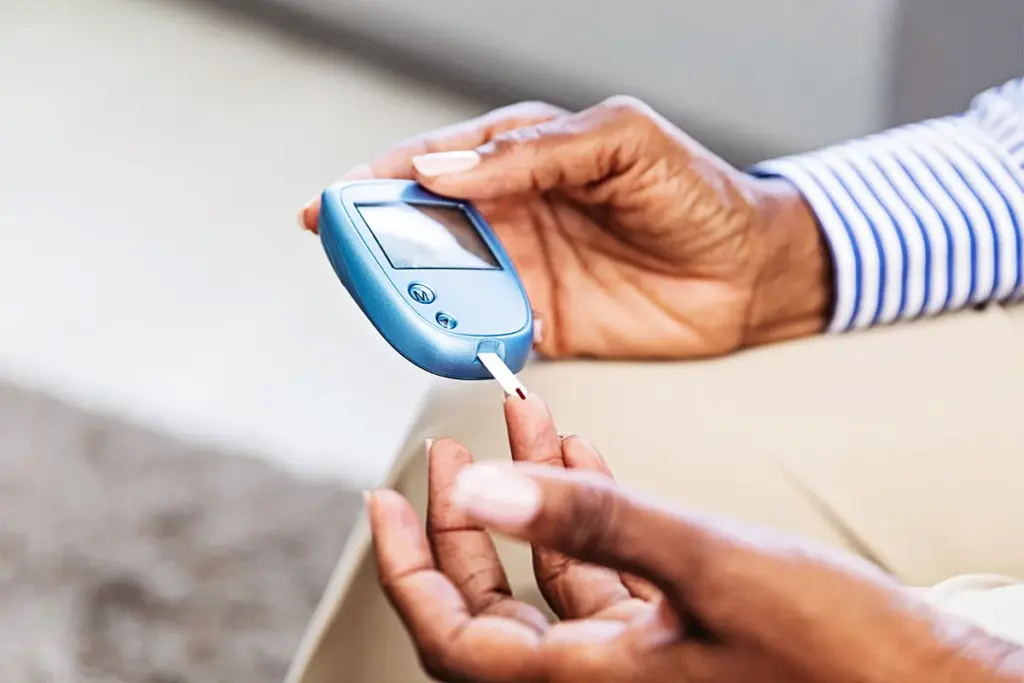
Keeping glucose levels in check is key for good health. About 1 in 10 Americans have diabetes. Effective glucose management needs a mix of proven strategies.
We know how vital it is to keep blood sugar levels right. Simple yet effective ways can make a big difference. Our method uses the latest medical knowledge and focuses on the patient, helping them control their glucose levels naturally and fast.
Key Takeaways
- Understand the importance of glucose management for overall health.
- Learn 7 clinically-supported methods to lower blood sugar levels.
- Discover the role of hydration, exercise, and targeted nutrition in glucose control.
- Explore a patient-centered approach to managing glucose levels.
- Find out how to implement these strategies effectively.
Why Fast Glucose Reduction Matters for Your Health
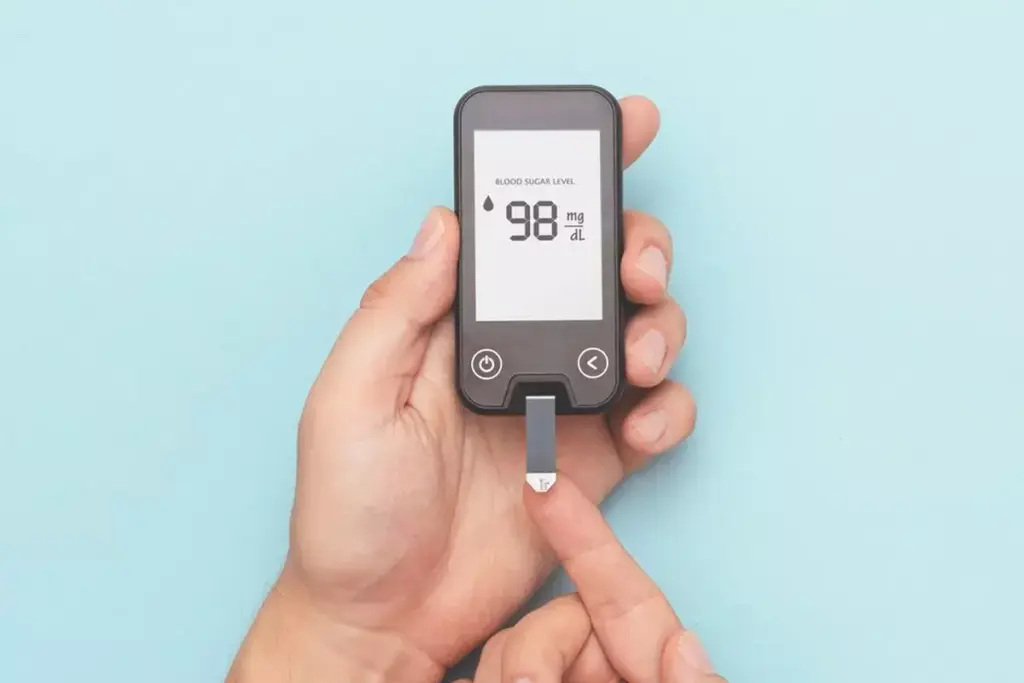
Keeping glucose levels healthy is key for your overall health. High blood sugar can harm tiny blood vessels. This can lead to heart disease, kidney damage, and vision problems. We’ll look at the dangers of high blood sugar and the benefits of controlling it.
Regular exercise is vital for lowering glucose levels. Muscles use glucose for energy. This not only lowers glucose but also boosts insulin sensitivity. Exercise is a top way to manage and reduce glucose levels.
High blood sugar poses many risks. It can damage blood vessels and nerves. It also increases the risk of heart disease and stroke. Kidney damage and vision problems are also possible.
- Damage to blood vessels and nerves
- Increased risk of heart disease and stroke
- Kidney damage and possible kidney failure
- Vision problems and possible blindness
Lowering glucose levels has many benefits. It can improve energy levels and reduce the risk of long-term health issues. Effective glucose control is essential for good health.
Research highlights the need to manage glucose levels. Studies show that healthy glucose levels can lower the risk of complications. This is achieved through diet, exercise, and lifestyle changes.
How to Reduce Glucose Levels: 7 Evidence-Based Strategies
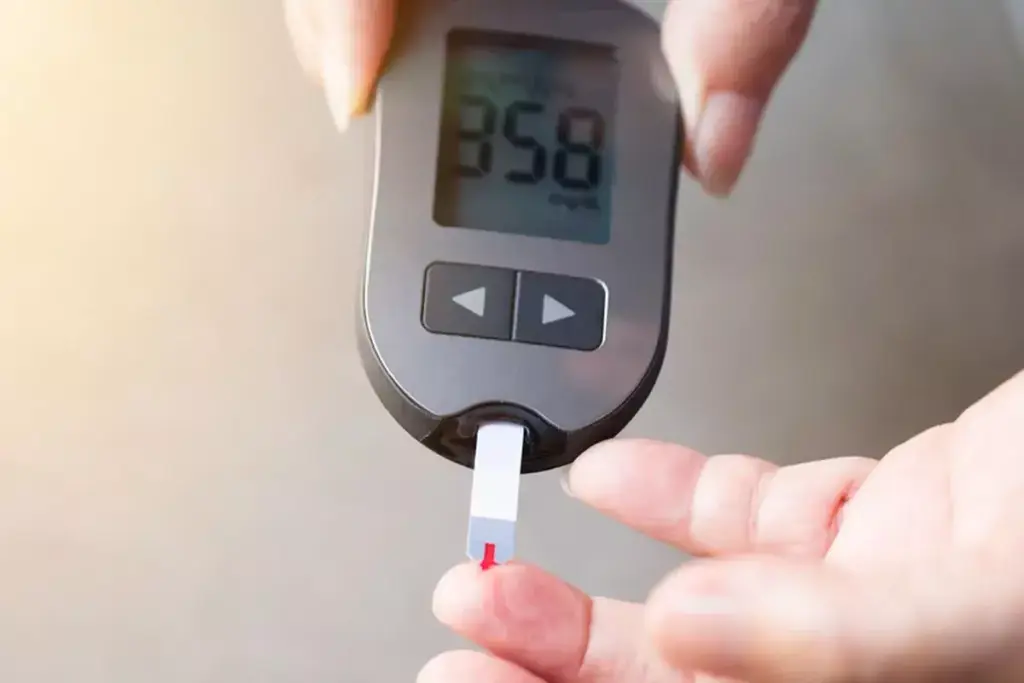
To manage glucose levels well, you need a mix of physical activity, staying hydrated, and changing your diet. These steps can greatly help control your glucose and boost your health.
1. Engage in Physical Exercise to Burn Glucose Immediately
Exercise is a great way to lower glucose levels. When you move, your muscles take glucose from your blood, reducing sugar levels. Regular exercise also improves insulin sensitivity, helping glucose get into your cells more easily. Aim for 150 minutes of moderate exercise, 75 minutes of vigorous exercise, or a mix of both each week.
2. Increase Water Intake to Flush Out Excess Sugar
Drinking enough water is key for glucose control. Water helps your kidneys remove excess sugar through urine. Aim for at least eight glasses of water a day, adjusting based on your activity and climate. Drinking more water can also cut down on sugary drink cravings.
3. Reduce Carbohydrate Consumption Strategically
Lowering carb intake is a smart move for glucose management. Fewer carbs mean less glucose in your blood. Eat more whole foods like veggies, lean proteins, and whole grains. Limit refined carbs like white bread and sugary snacks.
4. Increase Dietary Fiber to 25-30 Grams Daily
Fiber is vital for glucose control by slowing sugar absorption. It also keeps you full, preventing overeating. Aim for 25-30 grams of fiber daily from fruits, veggies, legumes, and whole grains. A fiber-rich diet also supports healthy gut bacteria.
| Dietary Change | Effect on Glucose Levels | Recommended Daily Intake |
| Increase Fiber Intake | Slows down sugar absorption | 25-30 grams |
| Reduce Carbohydrate Intake | Less glucose enters bloodstream | Varies based on individual needs |
| Stay Hydrated | Flushes out excess sugar | At least 8 glasses |
By using these proven strategies, you can lower your glucose levels and enhance your health. Remember, sticking to these habits is important. Always talk to a healthcare professional before making big changes to your lifestyle or diet.
Conclusion
Managing glucose levels is key to good health. Using the 7 proven methods from this article can greatly improve your well-being. By adding physical activity, smart food choices, and lifestyle changes, you can see the benefits of controlling glucose.
Eating foods high in magnesium and chromium helps regulate glucose naturally. This keeps your glucose levels healthy. A mix of diet, exercise, and lifestyle changes is vital for the best glucose control.
By following these proven strategies, you can enjoy better health and lower the risk of glucose problems. We stress the need for a balanced approach to keep glucose levels in check. This empowers you to manage your glucose effectively.
FAQ
How can I lower my blood sugar levels quickly?
People with Diabetes can lower blood sugar quickly by staying hydrated, engaging in light physical activity, and following prescribed medications.
Can drinking water help lower blood sugar levels?
Yes, drinking water helps the kidneys flush excess glucose from the body through urine, supporting better blood sugar control.
What dietary changes can help reduce glucose levels?
Eating a balanced diet with high fiber, whole grains, lean proteins, and fewer refined sugars helps maintain stable blood glucose levels.
How does physical exercise help reduce glucose levels?
Regular physical activity improves the body’s response to Insulin and helps muscles use glucose for energy, lowering blood sugar levels.
Are there any other lifestyle modifications that can help reduce glucose levels?
Managing stress, getting enough sleep, maintaining a healthy weight, and monitoring blood sugar regularly can improve glucose control.
How can I bring down my blood sugar levels naturally?
Healthy eating, regular exercise, hydration, and weight management can naturally help control blood glucose levels in Diabetes.
Does water flush out sugar?
Yes, drinking enough water helps the kidneys remove excess glucose from the bloodstream through urine.
How to control blood sugar level immediately?
Light exercise, hydration, and following doctor-prescribed medication or Insulin therapy can help bring down high blood sugar levels.
What is the best way to lower blood glucose levels?
The most effective approach is a combination of healthy diet, regular exercise, medication if prescribed, and consistent monitoring of blood glucose levels.
References
here are three basic approaches to the laboratory measurement of blood glucose concentration: reducing methods, condensation methods, and enzymatichttps://www.ncbi.nlm.nih.gov/books/NBK248/