
Excess weight is a big problem worldwide, leading to many chronic diseases. The good news is that exercise is a proven tool for weight reduction. Studies show that regular physical activity, along with good nutrition, leads to weight loss. It also boosts heart health and improves life quality.Learn how to reduce weight by exercise. Our simple guide gives you the best, proven workouts and powerful tips for fast results.
Regular exercise not only burns calories but also boosts overall health. To lose weight, aim for at least 300 minutes of moderately intense activity each week. We will look at the most effective exercises for weight loss. These are backed by science, giving you a detailed guide on reducing weight through exercise.
Key Takeaways
- Regular exercise is key for weight loss and better health.
- Aim for at least 300 minutes of moderately intense activity weekly.
- Combining physical activity with proper nutrition guidance enhances weight loss.
- Consistent exercise improves cardiovascular health and metabolic function.
- Effective weight loss exercises are backed by scientific research.
The Science Behind Exercise and Weight Loss
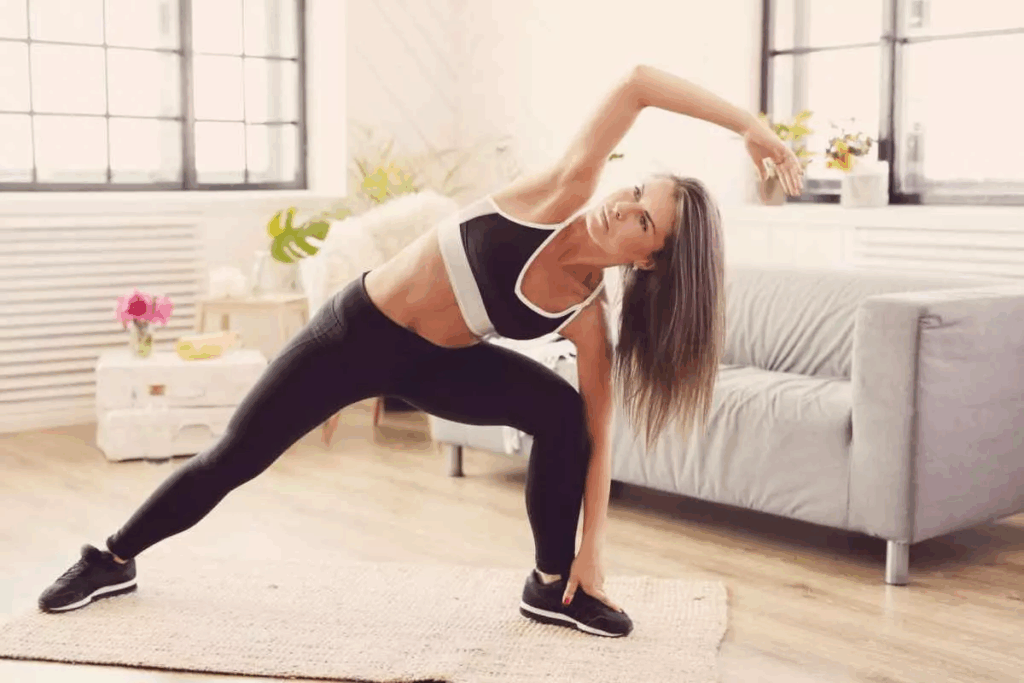
It’s important to know how exercise helps with weight loss. Exercise does more than just burn calories. It affects our body in many ways.
How Exercise Creates a Caloric Deficit
Exercise helps us lose weight by creating a caloric deficit. When we move, our body uses calories. This can happen through different types of exercise, like cardio, strength training, and HIIT.
- Aerobic exercises, such as running or cycling, burn calories during the activity.
- Strength training builds muscle mass, which can increase resting metabolic rate.
- HIIT combines elements of both, giving a strong calorie burn during and after exercise.
Metabolic Changes During and After Workouts
Exercise leads to big metabolic changes that help with weight loss. When we exercise, our body’s metabolism goes up. This helps us burn more calories.
After we exercise, our body keeps burning more calories. This is called excess post-exercise oxygen consumption (EPOC). It’s because our body is fixing muscles and refilling energy stores. This means we burn more energy overall.
Research-Backed Evidence on Exercise Effectiveness
Many studies show that exercise is great for losing weight. A big study looked at 116 trials with 6880 adults. It found that more exercise led to less body weight, waist size, and body fat.
The NHS says we should do 150 minutes of moderate activity or 75 minutes of vigorous activity weekly. Knowing how exercise works helps us make our workouts better. This way, we can reach our weight loss goals.
Understanding Your Body’s Response to Different Exercises
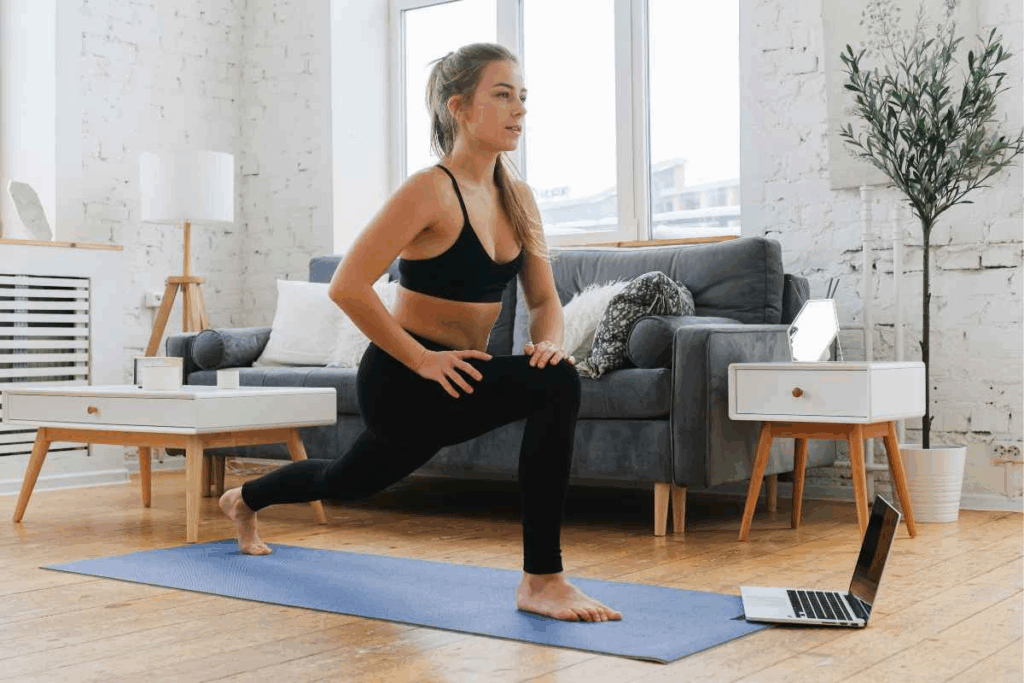
The human body reacts differently to various exercises. It’s key to understand these differences for effective weight loss. Each exercise has its own impact on the body, affecting weight loss in unique ways.
Cardio vs. Strength Training for Fat Loss
Cardio exercises, like running or cycling, burn calories during the activity. Strength training, on the other hand, builds muscle. This can raise your resting metabolic rate.
Medical Expert,
“Exercise is a celebration of what your body can do, not a punishment for what you ate.”
Studies show that mixing cardio and strength training is best for fat loss. A study in the Journal of Strength and Conditioning Research found that those doing both lost more fat than those doing only one.
The Role of Intensity in Weight Loss Results
Exercise intensity greatly affects weight loss. Higher intensity burns more calories and boosts metabolism after exercise.
High-Intensity Interval Training (HIIT) is a great example. It involves short, intense exercise followed by brief rest periods.
Individual Factors Affecting Exercise Outcomes
Individual factors, like fitness level and health, impact exercise results. For example, people with certain health issues might need to adjust their routine.
Choosing exercises you enjoy is also important. Fun activities lead to better long-term results. As the saying goes,
“You don’t have to be great to start, but you have to start to be great.”
Finding a fun exercise is the first step to a successful weight loss journey.
How to Reduce Weight by Exercise: Evidence-Based Approaches
Recent studies have shown the best ways to lose weight through exercise. Exercise is key for managing weight. Knowing the best methods can help you reach your weight loss goals.
Optimal Exercise Duration for Weight Loss
The length of your workout matters for losing weight. The NHS says you need at least 150 minutes of moderate activity or 75 minutes of vigorous activity each week. You can do this in 30 minutes a day, five days a week.
Longer workouts can lead to more weight loss. But, the type and intensity of your workout also play a big role. For example, high-intensity interval training (HIIT) can be effective even with shorter sessions.
Progressive Intensity Techniques
Increasing the intensity of your workouts is important for losing weight. You can do this by adding more weight to strength training or making cardio workouts more intense. These techniques keep your body challenged and help you avoid plateaus.
For strength training, lift heavier weights over time. For cardio, add intervals or increase your speed. These changes will help you keep improving.
Combining Multiple Exercise Modalities
Mixing different exercises, like cardio and strength training, is a good way to lose weight. This approach burns calories during and after your workout. It also helps build muscle, which boosts your metabolism.
A routine that includes HIIT for cardio and strength training is very effective. It burns calories during and after your workout. This is thanks to the excess post-exercise oxygen consumption (EPOC) effect.
High-Intensity Interval Training (HIIT) for Maximum Fat Burn
High-Intensity Interval Training (HIIT) is a top choice for burning fat and boosting heart health. It mixes short, intense workouts with brief breaks. This method is loved for being quick and effective.
The Science Behind HIIT’s Effectiveness
HIIT works well for fat loss due to how it affects your body. It raises your metabolic rate, even after you stop exercising. This is called excess post-exercise oxygen consumption (EPOC).
HIIT also helps your body use fat for energy better. It makes your body more efficient at burning fat. This can lead to less body fat and better health.
Sample HIIT Workouts for Beginners
Beginners should start with easy HIIT workouts and get more intense over time. A simple workout could be:
- 30 seconds of sprinting or jogging in place
- 30 seconds of rest or walking
- Repeat for 15-20 minutes
You can also try bodyweight exercises like burpees or jump squats for 30 seconds, then rest for 30 seconds. The goal is to push yourself hard during the active parts.
Advanced HIIT Protocols for Experienced Exercisers
For those who’ve done HIIT before, it’s important to keep pushing yourself. Advanced workouts might include:
- Increasing the duration of work intervals
- Decreasing rest periods
- Incorporating more complex exercises or movements
Try a Tabata protocol for a challenge. It’s 20 seconds of full effort followed by 10 seconds of rest. Repeat for 4-6 cycles. You can use it with various exercises like sprints or burpees.
Adding HIIT to your routine can greatly improve your fitness. It’s great for both beginners and seasoned athletes. HIIT is flexible and can be adjusted to fit your goals and level.
Strength Training Workouts That Accelerate Weight Loss
Strength training is a great way to lose weight and get healthier. It helps you build muscle, which boosts your metabolism. This means your body burns more calories even when you’re not working out.
To lose weight effectively with strength training, focus on the best exercises. We’ll look at compound movements, circuit training, and how to keep getting stronger.
Compound Movements for Maximum Calorie Burn
Compound movements work many muscles at once. They’re great for losing weight because they use lots of muscle fibers. This burns more calories.
- Squats: Works the quadriceps, hamstrings, glutes, and core muscles.
- Deadlifts: Engages the back, glutes, hamstrings, and core.
- Bench Press: Targets the chest, shoulders, and triceps.
- Pull-ups: Works the back, shoulders, and arms.
These exercises not only burn calories during the workout. They also help build muscle, which raises your metabolism.
Circuit Training for Strength and Cardio Benefits
Circuit training mixes strength exercises with cardio. It’s a full-body workout that burns calories and boosts heart health. It keeps your heart rate up by not letting you rest much.
A typical circuit training routine might include:
- Burpees
- Mountain climbers
- Dumbbell squats
- Push-ups
- Plank hold
Do each exercise for 30 seconds to 1 minute. Then, rest briefly before starting the next one.
Progressive Overload Principles for Continued Results
Progressive overload means you get stronger by lifting more weight over time. It’s key to keep losing weight and getting stronger.
Progressive Overload Method | Description | Example |
Increasing Weight | Gradually add more weight to your lifts. | Increase dumbbell weight from 10kg to 12kg. |
Increasing Repetitions | Perform more repetitions with the same weight. | Increase squat reps from 10 to 12. |
Decreasing Rest Time | Reduce the rest period between sets. | Reduce rest from 60 seconds to 45 seconds. |
By using progressive overload, you keep challenging your muscles. This leads to ongoing weight loss and better fitness.
Effective Cardio Workouts for Different Fitness Levels
Cardio workouts are key for losing weight and keeping your heart healthy. We’ll look at different cardio options for all fitness levels. From easy exercises for beginners to tough ones for those who want more challenge.
Low-Impact Options for Beginners
For newbies, low-impact cardio is a great place to start. These exercises are gentle on your joints, lowering injury risk. Here are some examples:
- Brisk walking
- Swimming
- Cycling
- Elliptical trainer workouts
The American Heart Association says, “Regular aerobic exercise can help lower blood pressure and improve overall cardiovascular health.”
“At least 150 minutes of moderate-intensity aerobic activity or 75 minutes of vigorous-intensity aerobic activity or a combination of both, per week, is recommended for optimal cardiovascular health.”
Moderate-Intensity Steady State (MISS) Cardio
After getting started, try Moderate-Intensity Steady State (MISS) cardio. It’s about doing cardio at a steady, moderate pace for a long time. Here are some examples:
- Jogging or running at a steady pace
- Swimming laps at a consistent pace
- Cycling on a stationary bike or outdoors at a moderate resistance
MISS cardio boosts your heart health and burns more calories. The National Academy of Sports Medicine says, “MISS cardio is effective for improving cardiovascular fitness and promoting weight loss.”
Advanced Cardio Protocols for Plateau Breaking
If you’ve hit a plateau, try advanced cardio. These include:
- High-Intensity Interval Training (HIIT)
- Tabata protocol
- Fartlek training
These advanced methods not only burn more calories during the workout. They also increase your metabolism after you’re done. A study in the Journal of Strength and Conditioning Research found, “HIIT protocols can significantly improve cardiovascular fitness and increase fat loss.”
At-Home Workout Routines for Consistent Weight Loss
At-home workouts are easy and flexible. They help you reach your fitness goals without a gym. You can lose weight effectively at home.
Equipment-Free Bodyweight Circuits
Start with bodyweight exercises for your at-home routine. They need no equipment and can be done anywhere. They’re great for building strength and burning calories.
Choose 5-7 bodyweight exercises for your circuit. Do them one after another with little rest. For example, push-ups, squats, lunges, and planks. Rest for 1-2 minutes between circuits. Aim for 3-4 circuits per session.
Minimal Equipment Options
Adding minimal equipment like resistance bands or dumbbells can mix up your workouts. Resistance bands are light, portable, and effective. Dumbbells are versatile and good for strength and cardio.
Use resistance bands for banded squats, lunges, or rows. Dumbbells are great for chest presses, rows, or HIIT workouts with quick swings.
Creating an Effective Home Workout Space
Make your workout space effective at home. Clear a dedicated area without distractions. Make sure it’s well-ventilated. Use a good yoga or exercise mat for comfort and grip.
Adding mirrors helps with form and technique. Keep a water bottle and towel nearby. Store minimal equipment where you can easily use it to stay consistent.
With these tips, you can create a great at-home workout routine. Use bodyweight circuits, minimal equipment, or both. The key is to stay consistent and keep challenging yourself.
Building a Sustainable Exercise Plan for Long-Term Results
Creating a lasting exercise plan is more than picking the right workouts. It’s about planning and growing your routine. Staying consistent is key to lasting weight loss. A good exercise plan and healthy eating are essential for keeping weight off.
Weekly Workout Scheduling for Optimal Recovery
It’s important to plan your workouts for the best recovery. You need to balance workout intensity and frequency to avoid injury and burnout.
Make a weekly schedule with a mix of cardio, strength training, and flexibility. For example, spend three days on strength training, two on cardio, and one on flexibility and rest.
Day | Workout Type | Intensity |
Monday | Strength Training | High |
Tuesday | Cardio | Moderate |
Wednesday | Rest/Recovery | Low |
Thursday | Strength Training | High |
Friday | Cardio | Moderate |
Saturday | Flexibility | Low |
Sunday | Rest/Recovery | Low |
Progression Strategies as Fitness Improves
As you get fitter, your workouts need to get harder. You can do this by making your workouts more intense, longer, or more frequent.
For strength training, add more weight, reps, or sets. For cardio, try longer sessions or add intervals. This keeps your body challenged and results coming.
Combining Exercise Types for Complete Fitness
It’s important to mix different exercises for full fitness. A good routine should have cardio, strength training, and flexibility. This boosts your health and fitness.
By mixing up your exercises, you challenge your body in new ways. This improves your fitness and lowers injury risks.
Key Takeaways:
- Create a balanced weekly workout schedule that includes cardio, strength training, and flexibility exercises.
- Progress your workouts over time by increasing intensity, duration, or frequency.
- Combine different types of exercises to achieve complete fitness and avoid plateaus.
Conclusion: Maintaining Weight Loss Through Consistent Exercise
Keeping weight off needs a long-term effort in exercise. We’ve talked about good exercises and tips for losing weight. It’s key to make a calorie deficit and enjoy the perks of different workouts.
Regular exercise is vital for keeping weight off. Adding weight loss exercises to your daily routine helps you stay healthy. It’s not just about quick weight loss; it’s about living a healthy, fit life.
To keep weight off, stick to a balanced workout plan. Include cardio, strength training, and flexibility exercises. This keeps your weight stable and boosts your health.
Stay dedicated to regular exercise and a healthy lifestyle. This way, you can enjoy lasting weight loss benefits and stay healthy for many years.
FAQ
What are the best exercises for weight loss?
The best exercises for losing weight mix cardio and strength training. Running, cycling, and swimming burn calories. Squats, lunges, and deadlifts build muscle and boost your metabolism.
How often should I work out to lose weight?
Aim to work out at least 150 minutes a week. Mix in moderate and high-intensity exercises. Strength training 2-3 times a week helps build muscle and boosts metabolism.
What is HIIT, and is it effective for weight loss?
HIIT means short, intense exercise followed by rest. It’s great for losing weight because it burns lots of calories quickly. It also raises your metabolism after exercise.
Can I lose weight with bodyweight exercises?
Yes, bodyweight exercises like push-ups and squats can help you lose weight. They work best with a healthy diet and regular cardio. Adding bodyweight circuits to your routine can make workouts more challenging and effective.
How do I create a sustainable exercise plan for long-term weight loss?
Create a sustainable plan by scheduling workouts for recovery. Progress your workouts as you get fitter. Mix different exercises for complete fitness. Listen to your body to avoid injury and burnout.
What are some effective at-home workout routines for weight loss?
Good at-home routines include bodyweight circuits and resistance band exercises. Dumbbell workouts and HIIT are also effective. These routines can be challenging and help you lose weight.
How can I progress my workouts as my fitness level improves?
Increase the intensity, duration, or frequency of your workouts. Try more challenging exercises or add weight to your routine. Always listen to your body to avoid injury and burnout.
What are the benefits of combining different types of exercises for weight loss?
Mixing cardio, strength training, and HIIT helps achieve a balanced fitness level. It enhances weight loss and prevents plateaus. It also keeps workouts interesting and challenging.
How can I maintain weight loss through consistent exercise?
Keep exercising regularly and make healthy lifestyle choices. Try new exercises and challenges to keep workouts interesting. This helps prevent plateaus and maintain weight loss.
What are some good weight loss exercises for beginners?
Beginners can start with low-impact cardio like walking or jogging. Bodyweight exercises like push-ups and squats are also good. Adding resistance band exercises and dumbbell workouts can make routines more challenging and varied.
References
National Center for Biotechnology Information. Evidence-Based Medical Guidance. Retrieved from https://www.ncbi.nlm.nih.gov/pmc/articles/PMC5841547/