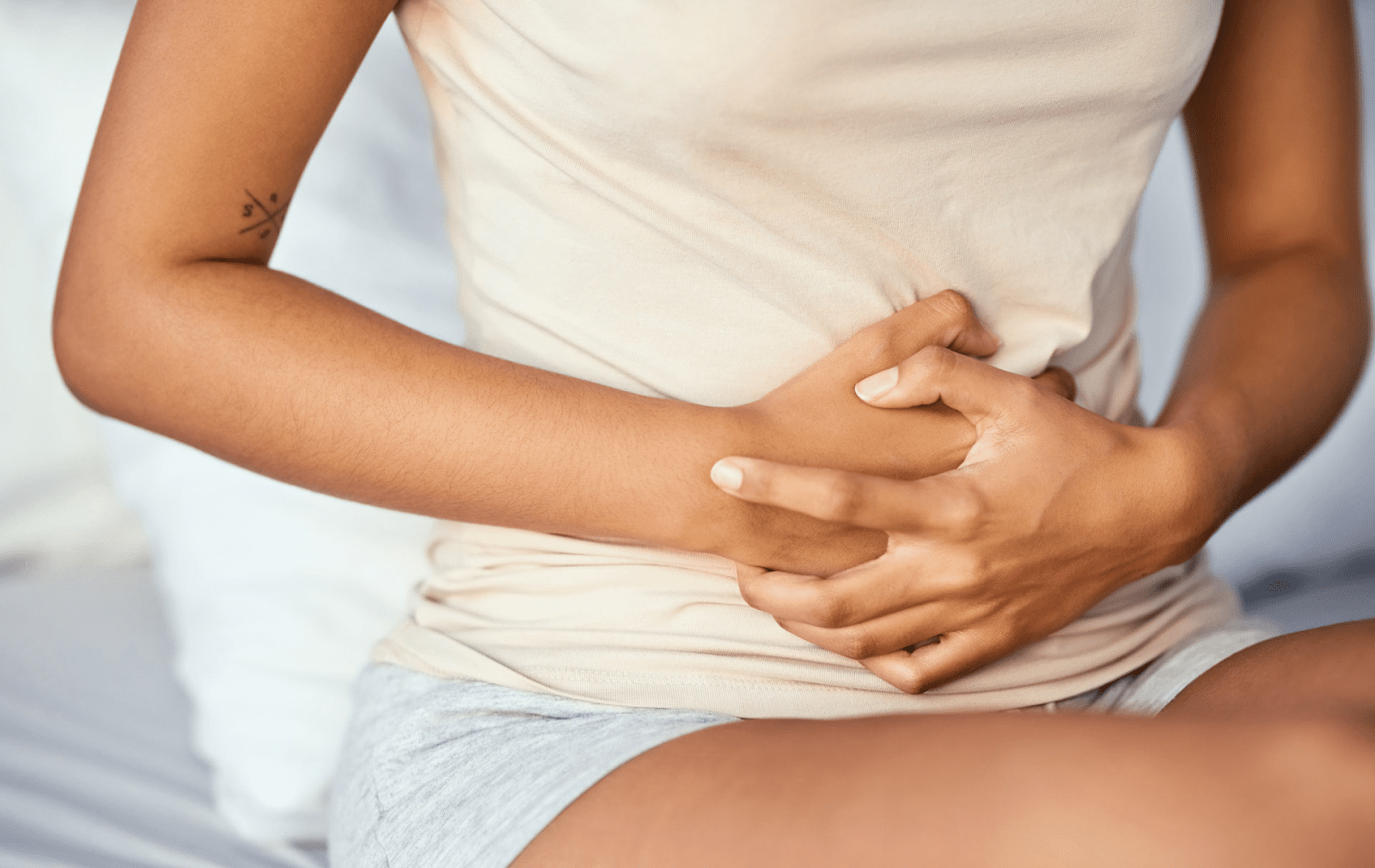
Constipation affects about 16 percent of adults in the United States. It often causes debilitating abdominal pain that really impacts daily life. At Liv Hospital, we know how important it is to tackle this condition. We offer effective relief options.
Learn how to relieve abdominal pain from constipation fast with 7 of the best, proven fixes. This ultimate guide helps you stop cramps and pain.
Treatment for constipation starts with diet and lifestyle changes. We aim to restore digestive wellness and ease discomfort. Our approach combines medical protocols with personalized care. This helps you find lasting relief.
We know that constipation cramps and lower abdominal discomfort are tough to manage. Our goal is to give you a detailed guide on managing constipation and its pain.
Key Takeaways
- Constipation is a common condition affecting a significant portion of the adult population.
- Diet and lifestyle changes are often the first line of treatment for constipation.
- A patient-centered approach can help individuals find lasting relief from constipation and associated abdominal pain.
- Effective management of constipation requires a thorough understanding of its causes and symptoms.
- Liv Hospital is committed to providing personalized care and evidence-based medical protocols.
Understanding Constipation and Abdominal Pain

It’s important to understand how constipation and abdominal pain are connected. Constipation is a common problem that causes discomfort and pain. It affects many people.
The Prevalence of Constipation in America
Constipation is a big issue in the United States. It affects millions of people. The National Institute of Diabetes and Digestive and Kidney Diseases says it’s a common problem. It’s more common in older adults and women.
Constipation can cause more than just discomfort. It can lead to problems like hemorrhoids and fecal impaction. Knowing about this helps doctors and patients find ways to manage it better.
How Constipation Leads to Abdominal Discomfort
Constipation happens when bowel movements slow down and stool gets hard. This makes it hard to pass stool. It can cause pain and discomfort in the abdomen.
The pain from constipation can feel different to everyone. Some feel a dull ache, while others feel sharp pains. The pain can be in the lower abdomen or spread out, depending on the person and their constipation.
Where is Pain from Constipation Located?

Knowing where constipation pain is located is key to managing it. Constipation can cause pain in different parts of the abdomen. Recognizing these spots helps in diagnosing and treating it.
Common Pain Locations in the Abdomen
Constipation pain usually shows up in the lower abdomen. This is because of stool buildup in the intestines, leading to cramps and discomfort.
The pain can also feel deep inside the abdomen. It might spread to other areas. This pain is linked to stool movement in the intestines and can change in how bad it feels.
How Pain Distribution May Vary Between Individuals
The way pain from constipation is felt can differ a lot from person to person. Things like how bad the constipation is, gut health, and how well someone can handle pain affect where and how pain is felt.
Characteristics | Typical Pain Location | Variations in Pain Distribution |
Lower Abdomen | Cramping, discomfort | Radiates to other areas |
Deep Abdominal Pain | Associated with stool movement | Varies in intensity |
Individual Factors | Severity of constipation | Gut health, pain tolerance |
Understanding these differences and common pain spots helps people identify their symptoms. They can then find the right ways to feel better.
What Do Constipation Cram
Constipation cramps can feel from mild to very painful. They can really affect how well you live your life. These cramps are common in people with constipation and can show up in different ways.
Characteristics of Constipation-Related Pain
Pain from constipation can feel like sharp cramps or a feeling of being bloated. Studies show that the pain can vary a lot. Some people might feel sharp, stabbing pains, while others might have a dull, persistent discomfort.
There are a few main types of pain from constipation:
- Cramping sensations that come and go
- A feeling of bloating or discomfort in the abdomen
- Sharp pains that can be severe
- A sensation of incomplete bowel evacuation
Knowing these types of pain is key to figuring out if your symptoms are from constipation or something else.
Distinguishing Constipation Pain from Other Conditions
It’s important to tell constipation pain apart from other belly issues to get the right treatment. Pain from constipation often comes with bloating, gas, and trouble passing stools.
Symptom | Constipation | Other Conditions |
Pain Characteristics | Cramping, sharp, or dull pain | Varies (e.g., constant pain in appendicitis) |
Bloating and Gas | Common | Can occur, but not always |
Difficulty Passing Stools | Yes | Not typically a primary symptom |
By knowing what constipation pain feels like and comparing it to other possible causes, you can better understand your symptoms. This helps you find the right medical care if needed.
We hope this info helps you grasp what constipation cramps feel like and how to tell them apart from other issues. If you’re dealing with ongoing or severe belly pain, seeing a doctor is a must for the right diagnosis and treatment.
Can Constipation Cause Severe Abdominal Pain?
Constipation and abdominal pain are closely linked. But, severe pain is a big worry for many. We’ll look at how bad the pain can get and when it’s really intense.
Understanding the Severity Spectrum
Constipation can cause pain that ranges from mild to very severe. The pain’s intensity depends on things like diet, hydration, and medication. Knowing these factors helps manage pain from constipation.
Constipation pain varies, and fixing the cause is key to feeling better. The severity can be influenced by:
- Dietary habits
- Hydration levels
- Physical activity
- Underlying medical conditions
When Constipation Pain Becomes Intense
Pain from constipation gets worse if the cause isn’t fixed. This leads to sharp pain or cramping due to constipation. It’s important to know when pain is severe, like:
Signs | Description |
Severe cramping | Cramping that is intense and may be accompanied by vomiting or fever |
Persistent pain | Pain that lasts for an extended period or worsens over time |
Bloating and discomfort | Significant bloating and discomfort that interferes with daily activities |
It’s key to know when constipation pain is severe and act fast. By fixing the cause and watching for signs of intense pain, you can get the help you need.
Common Causes of Constipation Cramps
Knowing what causes constipation cramps is key to feeling better. These cramps can come from many things, like what we eat, how we live, and some medicines.
Dietary Factors
What we eat affects our bowel health. Eating foods low in fiber can cause constipation. Fiber makes stool softer and easier to pass.
Eating more fruits, veggies, and whole grains helps avoid constipation. But, foods high in processed stuff and dairy can make it worse for some.
Adding more fiber to your diet is a good move. Foods like leafy greens, beans, and whole-grain bread are full of fiber. But, don’t jump too high on fiber too fast, as it can cause gas and bloating.
Lifestyle Contributors
Our lifestyle also plays a part in constipation cramps. Not moving enough is a big risk, as exercise helps move things along. Also, ignoring the urge to go can make stool harder and drier.
Stress and changes in our routine, like traveling, can mess with our bowel habits. Having a regular routine and finding ways to relax can help.
Medications That May Cause Constipation
Some medicines can slow down bowel movements and cause cramps. Opioids are known to do this. Some antidepressants and antacids with aluminum or calcium can too. Iron supplements can also cause constipation in some.
If you’re on meds and have constipation cramps, talk to your doctor. They can check if your meds are the problem. They might suggest other treatments or changes to your meds.
When to Seek Medical Attention for Constipation Pain
If you’re dealing with constipation pain, knowing when to seek medical help is key. Sometimes, constipation is just a minor issue that can be fixed with simple changes or over-the-counter meds. But, other times, the pain or other symptoms mean you need to see a doctor.
Red Flags That Require Immediate Care
Some symptoms with constipation pain mean you should get help right away. Look out for these red flags:
- Severe abdominal pain that is sudden or intense
- indicating a possible serious underlying condition.
- Bleeding from the rectum or blood in the stool
- Vomiting, specially if it’s ongoing or has blood
- Fever above 101.5°F (38.6°C)
- Abdominal tenderness or swelling
These signs could mean a serious issue that needs quick medical care.
Chronic Constipation Concerns
For those with chronic constipation, knowing the risks is important. Chronic constipation can lead to serious problems like:
Complication | Description |
Hemorrhoids | Swollen veins in the rectum or anus that can cause pain or bleeding |
Fecal Impaction | A condition where stool becomes stuck in the colon or rectum |
Rectal Prolapse | A condition where the rectum loses its normal attachments inside the body, allowing it to protrude out |
Knowing these risks can help you get medical help sooner.
Diagnostic Approaches for Persistent Pain
When constipation pain doesn’t go away, doctors use different ways to find the cause. They might:
- Medical History: Look at your medical history to find any underlying issues.
- Physical Examination: Check for any abnormalities or tenderness in the abdomen.
- Imaging Tests: Use X-rays, CT scans, or other tests to see the intestines and find any problems.
- Colonoscopy: Examine the inside of the colon for any issues.
Finding the cause of persistent constipation pain is key to treating it effectively.
Knowing the signs that mean you need medical help and understanding the risks of chronic constipation can help you manage your condition better. This can improve your overall health.
How to Relieve Abdominal Pain from Constipation: Immediate Solutions
Constipation can cause severe abdominal pain. But, there are quick ways to ease this discomfort. Finding fast relief is key to managing constipation and its pain.
Over-the-Counter Medications
OTC medications can quickly help with constipation and pain. Laxatives are used to make bowel movements easier. They come in different types, like stimulant and osmotic laxatives. Always follow the package instructions and talk to a doctor if you’re unsure.
Pain relievers like acetaminophen or ibuprofen can also help with cramps. But, use them as directed and talk to a doctor if the pain doesn’t go away.
Physical Techniques for Quick Relief
There are physical ways to ease constipation pain. Abdominal massage can help stimulate bowel movements. Gentle stretching exercises can also relax the muscles and help with bowel movements.
The “knee-to-chest stretch” is another technique. Lie on your back, bring one knee to your chest, and hold for a few seconds. This can help with trapped gas and bowel movements.
Heat Therapy and Other Comfort Measures
Heat therapy can relax the muscles and reduce cramps. A warm bath or heating pad on the abdomen works well. Drinking plenty of water can also help soften stool.
Staying in a comfortable position can help too. Try lying down or sitting comfortably. Avoid foods that make constipation worse, like dairy or processed foods.
By using these quick solutions, you can manage constipation pain and feel better.
How to Ease Stomach Pain from Constipation Through Diet
Diet changes are key in managing constipation and stomach pain. Eating the right foods and avoiding others can help. This way, we can feel better and have regular bowel movements.
High-Fiber Foods to Include
A diet full of fiber is vital for preventing and treating constipation. High-fiber foods make stool softer and help with regular bowel movements. Good sources of fiber include:
- Fresh fruits like apples, bananas, and berries
- Vegetables such as broccoli, carrots, and leafy greens
- Legumes, including beans, lentils, and peas
- Whole grains like brown rice, quinoa, and whole-wheat bread
- Nuts and seeds, such as almonds and chia seeds
Start adding more fiber slowly to let your gut adjust. Also, drink lots of water to help fiber move through your system.
Foods to Avoid When Constipated
Some foods can make constipation worse. It’s wise to limit or avoid:
- Dairy products, which can be constipating for some individuals
- Processed foods that are low in fiber and high in sugar and salt
- Red meat, which can be difficult to digest
- Foods high in fat, as they can slow down digestion
Knowing how different foods affect you can help you make better choices. This way, you can manage constipation better.
Meal Planning for Regular Bowel Movements
Plan your meals to include lots of high-fiber foods. This can help keep your bowel movements regular. Here’s what we suggest:
- Start with a fiber-rich breakfast, like oatmeal with fruit
- Add a variety of vegetables to your meals
- Snack on fruits, nuts, and seeds during the day
- Choose whole grains over refined ones
By making these changes, you can ease stomach pain from constipation. You’ll also improve your overall digestive health.
Hydration Strategies for Constipation Relief
Drinking enough water is key to avoiding and treating constipation. It makes stool softer, making it easier to pass. This also lowers the chance of stomach pain from constipation.
Optimal Daily Water Intake
It’s important to drink enough water for healthy bowel movements. The usual advice is to drink eight glasses a day. But, your needs can change based on your age, sex, weight, and how active you are.
For most adults, 8-10 glasses of water a day is a good start. But, listen to your body and adjust as needed. If you’re very active or live in a hot place, you might need more water to stay hydrated.
Activity Level | Recommended Daily Water Intake |
Sedentary | 8 glasses |
Moderately Active | 8-10 glasses |
Very Active | 10-12 glasses |
Beneficial Beverages Beyond Water
While water is best for staying hydrated, other drinks can help too. Herbal teas like peppermint or chamomile can soothe your stomach. Prune juice is also good because it has sorbitol, which helps move your bowels.
Other beneficial beverages include:
- Clear broths
- Electrolyte-rich beverages (for those who are dehydrated or experiencing excessive fluid loss)
- Low-sugar fruit juices (in moderation)
Avoiding Dehydrating Substances
Some things can make dehydration worse and make constipation worse. It’s important to limit or avoid:
- Caffeine-containing beverages (in excess)
- Alcohol
- Sugary drinks
Moderation is key when drinking these. Too much can cause dehydration and harm your bowel habits.
Physical Activity to Relieve Constipation Cramps
Regular exercise can help manage bowel movements and ease constipation cramps. It makes the muscles in the intestines work better, helping stool move through the digestive system. We suggest mixing simple exercises, yoga poses, and a regular routine to tackle constipation well.
Simple Exercises to Stimulate Bowel Movement
Simple exercises can really help get things moving. Walking, jogging, or cycling can boost gut motility. Even stretching or light cardio can make a big difference.
- Brisk Walking: A 10-minute brisk walk after meals can help stimulate bowel movements.
- Leg Raises: Lying on your back and raising your legs can help stimulate the abdominal muscles.
- Bicycle Crunches: This exercise targets the abdominal muscles and can help improve digestion.
Yoga Poses for Digestive Relief
Yoga is great for digestive health. Certain poses can help relieve constipation by gently pressing on the abdominal organs.
Yoga Pose | Benefits |
Pawanmuktasana (Wind-Relieving Pose) | Relieves gas and bloating, stimulates bowel movements |
Bhujangasana (Cobra Pose) | Stretches the abdomen, improves digestion |
Paschimottanasana (Seated Forward Fold) | Stretches the entire back, stimulates abdominal organs |
Creating a Regular Exercise Routine
Being consistent with exercise is key for constipation relief. Start with small, achievable goals. Then, slowly increase the intensity and duration of your workouts.
- Start Slow: Begin with short sessions (10-15 minutes) and gradually increase the duration.
- Mix It Up: Combine different types of exercises to keep the routine interesting and prevent boredom.
- Schedule It: Treat exercise as a non-negotiable part of your daily routine, just like brushing your teeth or taking a shower.
Adding physical activity to your daily life can greatly reduce constipation cramps. It also improves your overall digestive health.
Long-Term Prevention of Constipation and Related Pain
To avoid the pain of constipation, it’s key to focus on gut health. This means making lifestyle changes, eating right, and sometimes using probiotics.
Lifestyle Modifications for Gut Health
One big step is to add physical activity to your day. Exercise helps move your bowels. Health experts say it’s vital for a healthy lifestyle and preventing constipation. Try to do at least 30 minutes of moderate exercise daily.
Managing stress is also key. High stress can hurt your digestion. Try meditation, deep breathing, or yoga to help. Stress management boosts your overall health and gut health too.
Preventive Dietary Practices
Eating foods high in fiber is key to avoiding constipation. Include fruits, veggies, whole grains, and legumes in your diet. Start slowly to let your gut adjust. Drinking lots of water helps fiber work better.
- Add a variety of fruits and veggies to your meals.
- Opt for whole grains over refined ones.
- Legumes, like beans and lentils, are great for fiber.
When to Consider Probiotics and Supplements
For some, probiotics or supplements can help keep the gut healthy and prevent constipation. Probiotics are good bacteria and yeasts that aid digestion. They keep your gut in check.
Research shows probiotics can also make bowel movements regular. This makes them a good long-term option for constipation. But, always talk to a doctor before starting any supplements.
Conclusion
As we wrap up our talk on easing abdominal pain from constipation, it’s clear a full plan is key. Knowing what causes constipation and pain is the first step to managing it.
We’ve looked at ways to help with constipation, like changing what you eat, drinking more water, staying active, and using certain medicines. These steps can help ease pain and make bowel movements regular.
But, if pain doesn’t get better or gets worse, you should see a doctor. We suggest getting help from a healthcare expert if these methods don’t work. With a doctor’s help, you can create a plan that works for you to manage constipation and find lasting relief from pain.
FAQ
Where is pain from constipation located?
Pain from constipation usually hits the lower abdomen. But, it can also feel deep inside. Everyone’s pain is different, so getting a personal diagnosis is key.
What do constipation cramps feel like?
Constipation cramps can feel sharp or like gas pains. They might also make you feel like your belly is stretched too far. Knowing these feelings helps in treating them right.
Can constipation cause severe abdominal pain?
Yes, constipation can lead to severe pain in the belly. The pain can be mild or very intense. Things like diet and health conditions play a big role in how bad it gets.
What are the common causes of constipation cramps?
Diet, like not eating enough fiber, and not being active are common causes. Some medicines can also cause constipation. Knowing these can help you avoid or manage it.
When should I seek medical attention for constipation pain?
See a doctor if you have severe pain, vomit, or see blood in your stool. Also, if constipation lasts a long time or hurts a lot, get help from a doctor.
How can I relieve abdominal pain from constipation immediately?
Quick fixes include taking over-the-counter meds, trying massage or stretching, and using heat. Drinking water and avoiding bad foods can also help fast.
How can I ease stomach pain from constipation through diet?
Eating foods high in fiber helps. Avoid foods that make constipation worse. Planning your meals can also help keep your bowels regular and ease pain.
What role does hydration play in managing constipation?
Drinking enough water is key to managing constipation. Drinking the right amount of water and avoiding things that dry you out can help prevent constipation and ease pain.
Can physical activity help relieve constipation cramps?
Yes, exercise can help with constipation cramps. Simple exercises, yoga poses, and a regular workout routine can help your gut and ease symptoms.
How can I prevent constipation and related pain in the long term?
To prevent constipation and pain long-term, make lifestyle changes that help your gut. Eat right, consider probiotics or supplements if needed. A full plan can keep your bowels regular and your gut healthy.
References:
Government Health Resource. Relieving Constipation-Related Abdominal Pain: A Practical Guide. Retrieved from https://www.niddk.nih.gov/health-information/digestive-diseases/constipation/definition-facts