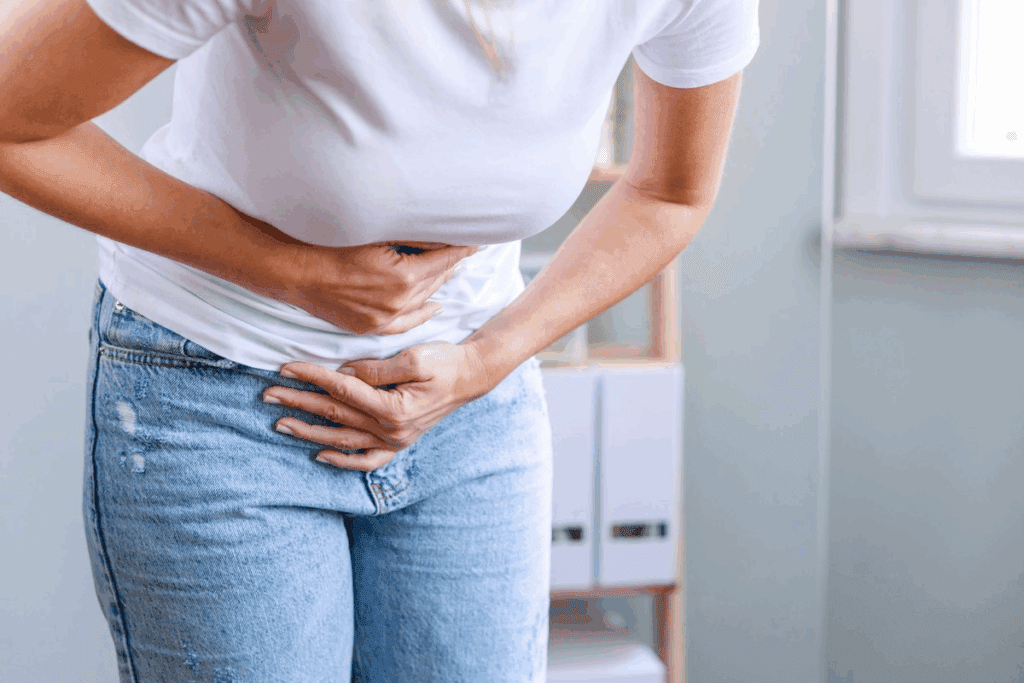
Bloating is a common problem that affects nearly one in seven Americans every week. It causes uncomfortable fullness and visible swelling in the belly. This issue can really disrupt your daily life, whether it’s because of what you eat, food intolerances, or digestive problems.
Relieving bloating quickly is possible with simple changes in your lifestyle. There are also evidence-based herbal remedies and specific physical activities that can help. A 2023 study in Clinical Gastroenterology and Hepatology found that many people experience bloating. This highlights the need for effective solutions.
We will look at seven proven methods to fix bloat fast. You’ll get practical tips to help you feel better and more comfortable.
Learnhow to relieve bloating quickly with 7 of the best, proven tips. This guide offers fast, effective fixes for gas and pressure.
Key Takeaways
- Understand the causes of bloating and its triggers.
- Discover simple lifestyle adjustments to reduce bloating.
- Learn about evidence-based herbal remedies for debloating.
- Explore targeted physical activities to alleviate bloating.
- Implement quick and effective ways to debloat and feel more comfortable.
What Causes Bloating? Understanding the Science
Bloating happens for many reasons, like gas buildup, fluid retention, and slow digestion. Knowing these causes is key to fixing bloating.
Gas Buildup in the Digestive Tract
Gas buildup is a big reason for bloating. It happens when our body can’t digest some foods well. Foods like beans, cabbage, and broccoli are often to blame.
When these foods aren’t digested, bacteria in our gut ferment them. This makes gas. Lessening these foods or using digestive enzymes can help.
Fluid Retention and Hormonal Influences
Fluid retention also causes bloating. Hormonal changes, like in PMS or menopause, can make us hold more water. Changes in estrogen levels make us swell and feel uncomfortable. Knowing about these hormonal shifts helps manage fluid retention.
Constipation and Slow Digestion
Constipation and slow digestion also lead to bloating. When digestion is slow, food stays in the gut longer. This means more gas is made. Eating more fiber, drinking water, and exercising can help move things along and reduce bloating.
Understanding these causes helps us find ways to stop bloating. Everyone’s experience with bloating is different. So, it’s important to tackle the specific reasons for it.
The Prevalence of Bloating: Who It Affects
It’s important to know who gets bloating to find good ways to feel better. Bloating can really hurt how well someone lives their life.
Many people around the world deal with bloating. Studies show that 10% to 25% of healthy folks sometimes feel bloated. And up to 75% say their bloating is pretty bad.
Recent Research and Statistics
New studies have shown who gets bloating more often. A big review of medical data found that many people who see gastroenterologists complain about bloating.
| Population Group | Prevalence of Bloating |
|---|---|
| General Population | 10-25% |
| Gastroenterology Patients | Up to 75% |
| Individuals with IBS | 80-90% |
This information shows how big of a problem bloating is. It’s really tough for people with irritable bowel syndrome (IBS).
Common Risk Factors for Bloating
Some things make bloating more likely. These include what you eat, changes in hormones, and certain gut problems.
- Dietary Factors: Foods with a lot of sugar, dairy, or gluten can cause bloating in some people.
- Hormonal Changes: Changes in estrogen, like during the menstrual cycle, can also cause bloating.
- Gastrointestinal Conditions: Issues like IBS, gastroparesis, and SIBO can make bloating worse.
How to Identify if You’re Bloated vs. Other Digestive Issues
It’s important to know if you’re bloated or have another digestive problem. Bloating can be mixed up with other stomach issues. So, it’s key to spot its specific signs.
Typical Bloating Symptoms
Bloating makes your belly feel full, tight, or swollen. You might also see it bulge out. Common signs include:
- Visible distension of the abdomen
- Gas and discomfort
- Sharp pains or cramps in the abdominal area
- A feeling of being uncomfortably full or tight
These symptoms can change in how bad they are. They might also come with other issues like constipation or diarrhea. Spotting these signs right is vital for handling bloating well.
When to Consult a Healthcare Provider
While some bloating is normal, long-lasting or bad bloating might mean a health issue. See a doctor if you have:
- Severe abdominal pain
- Vomiting or fever with bloating
- Blood in the stool or black, tarry stools
- Unintentional weight loss
It’s always safer to be careful with your health. If you’re not sure why you’re bloated or if it’s affecting your daily life, get professional help.
How to Relieve Bloating Quickly: The Science-Backed Approach
Relieving bloating quickly needs a mix of knowing its causes and using proven methods. Bloating is common and can be very uncomfortable. But, with the right steps, you can find quick relief.
Timing is key when dealing with bloating. Acting fast helps you feel better sooner. This is because bloating often comes from gas, fluid, or slow digestion. These can be fixed with the right actions.
Why Fast Intervention Works
Fast action works because it tackles bloating’s main causes early. For example, a 10-minute walk after eating can help. This helps digestion and gets rid of trapped gas.
A study found that even a little exercise can boost digestion. This shows quick action can bring fast relief from bloating.
Setting Realistic Expectations for Relief Timing
While fast action is good, knowing when relief comes is also key. How fast you feel better depends on you and how bad your symptoms are. Usually, you’ll start feeling better in 30 minutes to an hour.
Drinking warm peppermint tea or taking peppermint oil capsules can help in this time. Knowing this helps manage your hopes and choose the best relief methods.
In summary, quick relief from bloating is possible with the right knowledge and methods. Early action and realistic hopes help manage and ease bloating.
Tip #1: Take a 10-Minute Walk After Meals
For quick relief from bloating, try a 10-minute walk after eating. This easy activity can help by making your digestive muscles work better.
Research shows walking, even for a short time, can ease bloating. Walking helps gas move through your system, making you feel better.
Research Evidence on Movement and Gas Reduction
Studies confirm that moving, like walking, can cut down on gas in your stomach. A study in a well-known medical journal found that walking after meals greatly reduced bloating. This was compared to staying seated.
The reason for this relief is how walking makes your digestive muscles work. Walking helps food move through your system better, which means less gas.
| Study Findings | Results |
|---|---|
| Reduction in Bloating Symptoms | Significant decrease in discomfort |
| Improvement in Digestion | Efficient movement of food through the digestive system |
Optimal Walking Techniques for Maximum Relief
To get the most from walking to ease bloating, use the right method. Here are some tips:
- Walk at a good pace to help digestion.
- Stand up straight to expand your lungs and diaphragm better.
- Don’t use your phone while walking to focus on your walk.
Adding a 10-minute walk after meals to your routine can help with bloating. This simple action, supported by research, is a great way to manage bloating.
Tip #2: Use Peppermint Oil for Immediate Digestive Relief
Peppermint oil is a top natural remedy for bloating. Adding it to your daily routine can greatly lessen bloating symptoms.
How Peppermint Oil Relaxes Intestinal Muscles
Peppermint oil has menthol, which relaxes intestinal muscles. This relaxation reduces spasms and eases bloating symptoms. Research shows peppermint oil capsules can help bloating by letting gas move through the digestive tract more easily.
Peppermint oil works by easing intestinal muscle tension. This makes it easier for gas to pass, giving quick relief from bloating.
Application Methods: Capsules, Tea, and Topical Use
There are many ways to use peppermint oil for bloating relief. Peppermint oil capsules are a favorite because they’re easy to use and effective. Drinking peppermint tea can also soothe and calm your digestive system.
For topical use, mix peppermint oil with a carrier oil and apply it to your abdomen. This method offers quick relief by relaxing intestinal muscles locally. Always dilute peppermint oil with a carrier oil because it’s very strong.
- Peppermint oil capsules: Convenient and effective for internal relief.
- Peppermint tea: Soothing and calming for the digestive system.
- Topical application: Provides localized relief when mixed with a carrier oil.
Tip #3: Brew Anti-Bloating Herbal Teas
Brewing anti-bloating herbal teas is a great natural remedy for bloating. These teas can quickly help by getting rid of excess gas and easing stomach tension.
Chamomile, Ginger, and Fennel: The Carminative Trio
Chamomile, ginger, and fennel are known for their digestive benefits. Chamomile soothes the stomach, reducing inflammation. Ginger fights inflammation and helps with nausea and digestion. Fennel seeds relax the stomach and reduce gas.
Together, these herbs offer relief from bloating. Chamomile and ginger work together to ease digestion. Fennel helps get rid of trapped gas.
Brewing Instructions for Maximum Effectiveness
To get the most out of these teas, follow these brewing tips:
- Use one teaspoon of dried herb (or tea bag) per cup of boiling water.
- Steep for 5-10 minutes, depending on your desired strength.
- Strain the tea before drinking, or remove the tea bag.
- Drink the tea warm, as soon as possible after brewing.
For an even stronger effect, mix these herbs. A mix of chamomile, ginger, and fennel is very effective. You can adjust the amounts based on your taste.
Making anti-bloating herbal teas is a simple way to ease bloating. Adding these teas to your daily routine can make digestion more comfortable.
Tip #4: Practice Targeted Abdominal Massage Techniques
Massaging your abdomen is a simple yet effective way to reduce bloating and discomfort. It stimulates digestion and helps move gas through your digestive system. We’ll show you how to do it and highlight key pressure points for better digestion.
Step-by-Step Massage for Gas Movement
To use abdominal massage for bloating relief, follow these steps:
- Lie down in a comfortable position, with your knees bent to relax your abdominal muscles.
- Place your hands on your abdomen, with your fingers together and your palms gently pressing down.
- Start with gentle circular motions, gradually increasing the pressure as needed.
- Massage in an clockwise direction to follow the natural path of the intestines.
- Continue for 10-15 minutes to help stimulate digestion and move gas.
Pressure Points That Stimulate Digestion
Certain pressure points on the abdomen can help stimulate digestion and relieve bloating. Applying gentle pressure to these points can make a significant difference:
- The area just below the belly button is a key point for stimulating intestinal movement.
- Gentle pressure on the lower right abdomen can help relieve gas trapped in the intestines.
- Massaging the upper abdomen, just below the ribcage, can help stimulate the stomach and improve digestion.
Health experts say, “Abdominal massage can be a valuable tool in managing bloating and improving digestive health.”
“Massage therapy has been shown to reduce symptoms of bloating and improve quality of life in individuals with digestive disorders.”
By adding targeted abdominal massage techniques to your routine, you can feel a big relief from bloating. Be gentle and patient, as your body will respond to the massage.
Tip #5: Make Strategic Dietary Adjustments
Making changes to your diet can help with bloating. Knowing which foods make it worse and which help can guide your choices. This way, you can better manage your symptoms.
Foods That Cause Bloating: What to Temporarily Avoid
Some foods can make bloating worse. High FODMAP foods like beans, cabbage, and broccoli are often culprits. These foods can be tough for some people to digest.
- Beans and legumes
- Cruciferous vegetables like cabbage and broccoli
- Wheat and other gluten-containing products
- Dairy products, specially for those with lactose intolerance
Staying away from these foods can help. It’s key to find out which foods bother you the most. Everyone reacts differently to different foods.
Quick-Fix Foods That Reduce Bloating Fast
Adding certain foods to your diet can ease bloating. Low FODMAP fruits like bananas and berries are good. So are veggies like cucumbers and carrots.
| Food Category | Examples | Benefits |
|---|---|---|
| Fruits | Bananas, Berries | Low in FODMAPs, easy to digest |
| Vegetables | Cucumbers, Carrots | Low in gas-producing compounds |
| Proteins | Lean meats, Fish | Easy to digest, less likely to cause bloating |
Along with avoiding bad foods, adding these quick-fix foods can help fast. Planning your meals and eating habits can also prevent bloating.
Tip #6: Perform Specific Yoga Poses for Gas Relief
Looking for quick relief from bloating? Certain yoga poses can help. They relax your abdominal muscles and ease gas by stretching your digestive tract.
Wind-Relieving Pose and Other Effective Positions
Some yoga poses are great for gas relief. The wind-relieving pose (Pawanmuktasana) is one. It helps release trapped gas and cuts down on bloating.
To do this pose, lie on your back and bring one knee to your chest. Gently hug it with your hands. This action releases gas. You can do it on the other side too.
Other poses that help with bloating include:
- Child’s Pose (Balasana): Stretches your back and relieves gas.
- Seated Twist (Bharadvajasana): Stimulates digestion and eases bloating.
- Downward-Facing Dog (Adho Mukha Svanasana): Relieves gas and boosts digestion.
5-Minute Emergency Debloating Yoga Sequence
For sudden bloating, a quick yoga routine can help. Here’s a 5-minute sequence:
- Begin with 1 minute of deep breathing to calm your stomach.
- Do the wind-relieving pose for 30 seconds on each side.
- Then, relax in child’s pose for 1 minute, stretching your arms and relaxing your belly.
- Next, do a seated twist for 30 seconds on each side to get digestion going.
- End with downward-facing dog for 1 minute to ease gas and improve blood flow.
Adding these yoga poses to your routine can quickly ease bloating and gas. Regular practice can also lessen how often and how bad bloating gets.
Tip #7: Hydrate Strategically with Debloating Drinks
Drinking the right fluids can help get rid of bloating fast. It can also reduce gas and make digestion smoother. Try adding certain drinks to your daily routine to fight bloating.
Lemon Water, Cucumber, and Ginger Infusions
Some drinks are better than others for debloating. Lemon water can kickstart digestion and clear out toxins. Just squeeze a lemon slice into warm water.
Cucumber infusions are also good. Cucumbers are anti-inflammatory and full of water, helping to hydrate and reduce bloating. Slice a cucumber thinly and let it infuse in water in the fridge for hours.
Ginger infusions are very effective too. Ginger has been used for ages to help with digestion and nausea. Slice fresh ginger and steep it in boiling water for 5-10 minutes. These drinks not only ease bloating but also boost digestive health.
“Hydration is key to maintaining a healthy digestive system. Drinking enough water helps prevent constipation and reduces the risk of bloating.”
Beverages to Avoid When Feeling Bloated
Some drinks can make bloating worse. Stay away from carbonated beverages as they can cause more gas. Also, avoid drinks high in sugar as they can upset gut bacteria. Limit caffeine and alcohol as they can irritate your stomach and make bloating worse.
Choosing what you drink wisely can help reduce bloating. Add debloting drinks to your routine and avoid those that can make bloating worse. This is a smart way to keep your digestive system healthy.
How to Debloat in One Hour: Emergency Protocol
When bloating hits out of nowhere, having a quick fix can be a big help. We know how uncomfortable and upsetting sudden bloating can be. Here, we’ll show you how to feel better in just one hour with some fast relief methods.
Combining Multiple Techniques for Rapid Relief
To get quick relief from bloating, mixing different methods is key. Our plan includes exercise, changing your diet, and using natural remedies. Here are some steps to take:
- Take a 10-minute walk after meals to help digestion and cut down gas.
- Use peppermint oil capsules or apply it to relax your intestines and ease cramps.
- Brew anti-bloating herbal teas like chamomile, ginger, or fennel to calm your stomach.
By using these methods together, you should start feeling better in about 60 minutes.
What to Expect in the First 60 Minutes
In the first 60 minutes of our emergency debloating plan, you’ll likely notice some good changes. You might feel less discomfort as your body reacts to the treatments. Here’s what you might see:
- Initial 10-15 minutes: You might feel a bit less bloated as your body starts to respond to the peppermint oil or herbal tea.
- 30 minutes: The walk and herbal tea will start to show their effects, making you feel less uncomfortable.
- 60 minutes: You should feel much better, with less bloating and better digestion.
By sticking to this emergency plan, you can quickly get relief from bloating. While these methods offer fast relief, it’s important to keep up a long-term plan to avoid bloating in the future.
Overnight Debloating: Steps to Wake Up Feeling Better
Reducing bloating overnight is possible with the right evening routine and sleeping strategies. By following a few simple steps before bed, you can wake up feeling better and less bloated.
Evening Routine for Reduced Morning Bloating
Your evening routine is key to how you’ll feel in the morning. To cut down on bloating, try these steps:
- Avoid heavy meals close to bedtime.
- Opt for a relaxing tea, such as chamomile or peppermint, to aid digestion.
- Engage in gentle stretching or yoga to help release trapped gas.
Also, keeping a food diary can help spot foods that cause bloating.
| Evening Routine | Benefits |
|---|---|
| Avoiding heavy meals before bed | Reduces strain on the digestive system |
| Drinking herbal tea | Aids digestion and relaxation |
| Gentle stretching or yoga | Releases trapped gas and improves digestion |
Sleeping Positions That Aid Digestion
The way you sleep can affect your digestion and bloating. Some sleeping positions can help ease discomfort and support digestive health.
Sleeping on your left side is often suggested. It helps prevent stomach acid from flowing up into the esophagus. Also, bending your knees towards your chest can ease gas and discomfort.
Preventing Future Bloating: Long-Term Strategies
To prevent bloating long-term, we need to make changes in our diet and daily habits. These changes can help us avoid bloating more often.
Daily Habits That Minimize Bloating Risk
Our daily habits are key in preventing bloating. Regular exercise helps our digestion and lowers stress, which can cause bloating. Also, eating mindfully by chewing slowly can cut down on swallowed air and bloating.
Health experts say, “A balanced lifestyle with exercise and stress management boosts digestive health.”
“Regular physical activity stimulates the digestive system and improves gut motility, reducing the risk of bloating.”
Meal Planning and Eating Patterns for Prevention
Planning our meals is also important for avoiding bloating. We should know which foods trigger bloating and avoid them. Eating foods like bananas and rice, which are easy to digest, can help too.
- Keep a food diary to track trigger foods.
- Eat smaller, more frequent meals to ease digestion.
- Avoid foods high in salt and sugar.
By sticking to these long-term strategies, we can stop bloating from happening in the future. This will make our lives better overall.
Conclusion: Your Personalized Quick Debloating Action Plan
Understanding bloating causes and using the tips from this article can help manage it. We’ve looked at ways to quickly relieve bloating, like walking after meals and abdominal massage.
To make a quick debloating action plan that fits you, mix the best techniques. Try anti-bloating teas, change your diet, and do certain yoga poses. These can be part of your daily routine for personalized bloating relief.
Adding these tips to your life can reduce bloating and make digestion easier. Try different methods to see what works for you. This way, you can create a plan that works well for your body.
FAQ:
What are the most effective ways to relieve bloating quickly?
To quickly relieve bloating, try a few things. Take a short walk after eating. Use peppermint oil or drink anti-bloating teas. Also, do some targeted massage and make smart diet choices.
Try specific yoga poses and stay hydrated. These methods can help you feel better fast.
How can I debloat in one hour?
Debloating in an hour is possible. Start with a 10-minute walk. Then, drink a warm herbal tea.Do a quick abdominal massage. Or, try a 5-minute emergency yoga sequence. These steps can help you feel better quickly.
What causes bloating and how can I prevent it?
Bloating often comes from gas, fluid, and constipation. To avoid it, eat well and drink plenty of water. Also, exercise and manage stress daily.These habits can help keep bloating away.
Are there any specific foods that can help reduce bloating?
Yes, some foods can help. Ginger, fennel, and cucumber are good for reducing bloating. Add them to your meals or make infusions for quick relief.
How does peppermint oil help with bloating?
Peppermint oil relaxes your intestines. This helps release gas and reduce bloating. You can take it in capsules, use it on your skin, or add it to tea.
Can yoga help with bloating, and if so, what poses are most effective?
Yes, yoga can help with bloating. Try poses like the wind-relieving pose. A 5-minute emergency yoga sequence can also offer quick relief.
What are some strategic dietary adjustments I can make to manage bloating?
To manage bloating, avoid foods like beans and cabbage. Instead, eat bananas and yogurt. Meal planning and eating patterns are also important.
How important is hydration in managing bloating?
Staying hydrated is key to managing bloating. Drink lemon water and ginger infusions. Avoid carbonated drinks and caffeine to help symptoms.
What are some long-term strategies for preventing bloating?
For long-term prevention, make daily habits like exercise and stress management part of your routine. Eat a balanced diet and plan your meals well.
When should I consult a healthcare provider about my bloating?
If bloating persists or is severe, see a healthcare provider. They can check for underlying conditions that need medical attention.
References:
National Center for Biotechnology Information. Evidence-Based Medical Guidance. Retrieved from https://pmc.ncbi.nlm.nih.gov/articles/PMC7753204/)