
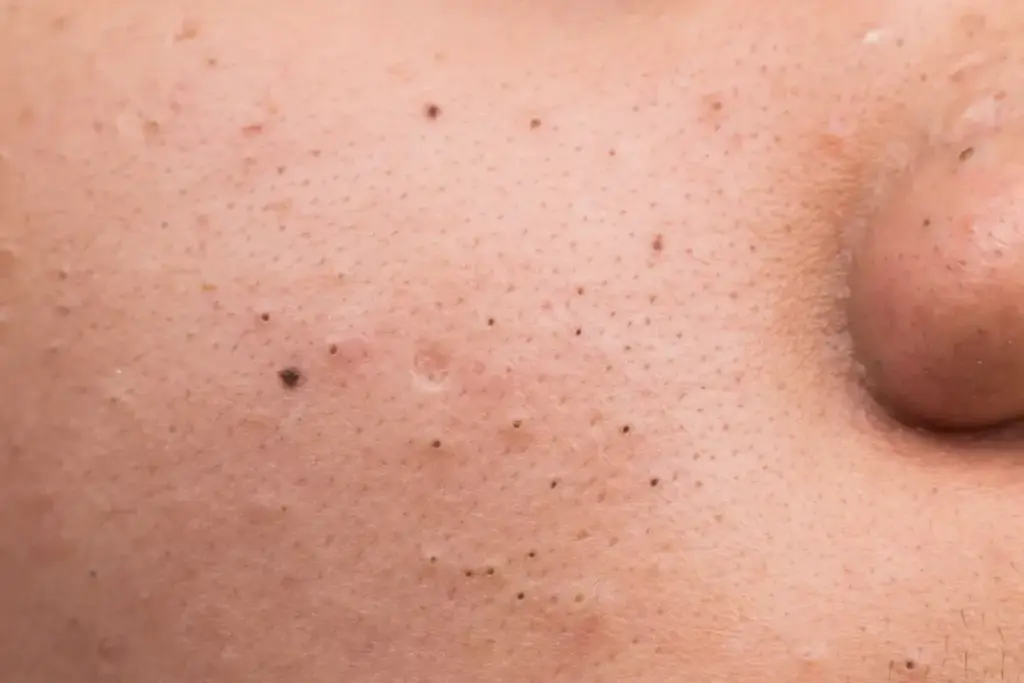
Dealing with skin problems that don’t go away with daily cleaning can be really tough. Some blackheads need more than just regular products. They need special care to keep your skin healthy and safe.
It’s key to know how to get rid of deep blackheads right. They happen when oils and dead skin cells block pores. Using strong exfoliants like retinoids or salicylic acid can clear these blockages well.
We aim to help you find the best treatments for clear skin. Professional methods protect your skin from infections. Let’s look at safe ways to tackle deep blackheads under skin with care.
Key Takeaways
- Skin clogs result from a buildup of sebum and dead cells.
- Professional extraction prevents scarring and the risk of infection.
- Retinoids and salicylic acid are effective for exfoliating clogged pores.
- Advanced dermatological care is necessary for stubborn, embedded cases.
- Regular surface routines often fail to reach deeper impurities.
- Medical-grade treatments ensure a safer and much clearer complexion.
Understanding Deep Blackheads and Why They Require Special Treatment
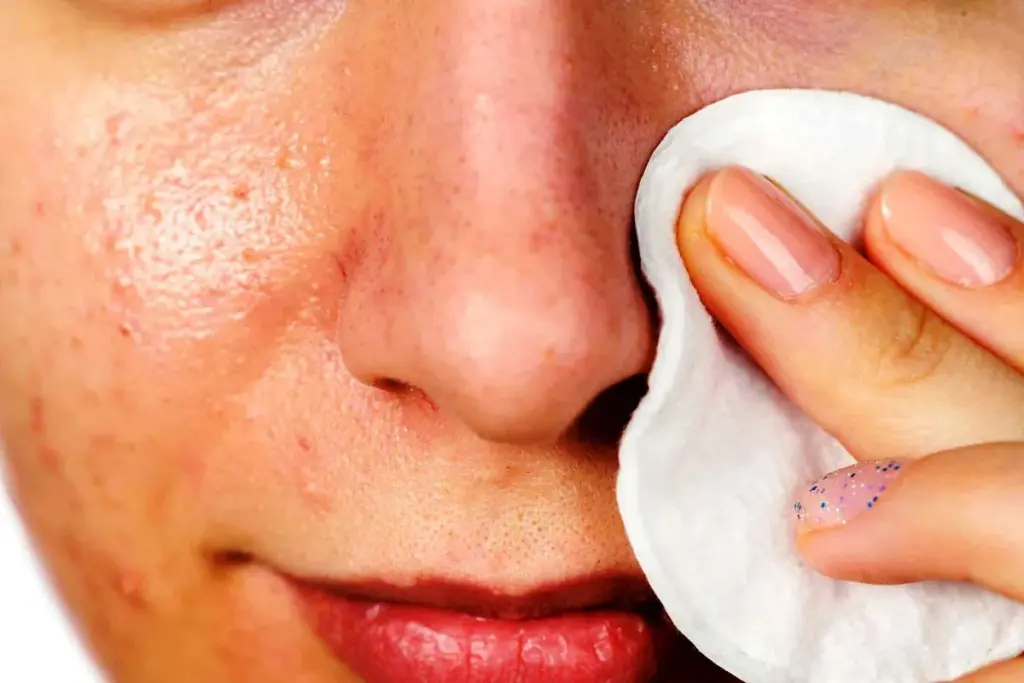
Deep blackheads are a serious skin issue that needs special care. They form when pores get blocked with dead skin, oil, and other stuff. This blockage is different from surface blackheads.
Deep blackheads are hidden and harder to treat than surface ones.
What Makes Deep Blackheads Different from Surface Blackheads
Deep blackheads are formed deeper in the skin than surface ones. Surface blackheads are open and turn black when they oxidize. But deep blackheads are hidden and harder to get to.
Why Standard Skincare Routines Fail on Embedded Comedones
Regular skincare doesn’t work well on deep blackheads. It’s designed for surface issues.
Deep blackheads need a stronger approach. Over-the-counter products and simple exfoliation can’t reach them.
Risks of DIY Extraction: Scarring and Infection
Trying to remove deep blackheads yourself can be risky. It can cause scarring and infections.
When you squeeze or pop them, you push bacteria deeper. This can lead to inflammation and scarring.
Also, wrong techniques can push bacteria into the pore. This can cause infections.
When to Seek Professional Dermatological Care
It’s important to know when to see a dermatologist for deep blackheads. They are hard to treat and can be risky.
If you have persistent or severe deep blackheads, or if treatments don’t work, see a dermatologist. They can offer safe and effective solutions.
Professional Methods to Remove Deep Blackheads Safely
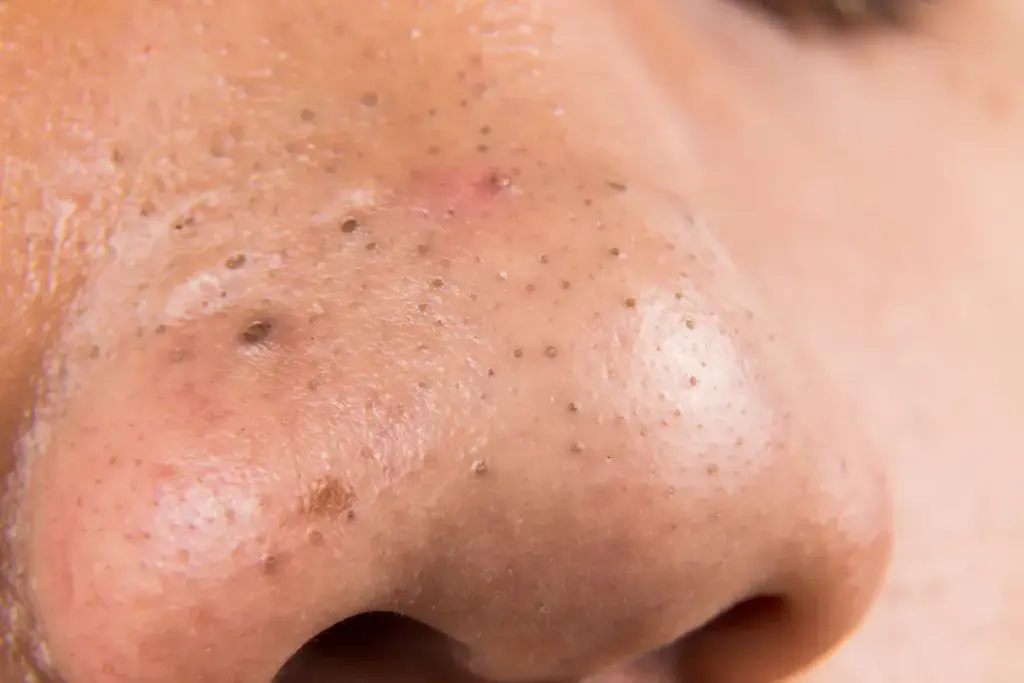
Getting deep blackheads removed safely often needs a dermatologist’s help. These experts offer effective solutions. They also reduce the risk of scarring and infection that DIY methods can cause.
Preparing Your Skin Before Professional Extraction
Before a professional extraction, it’s important to get your skin ready. Start with a deep clean and maybe a gentle exfoliation. This helps loosen the blackhead, making the extraction safer and more effective.
Dermatologist Extraction Procedures
Dermatologists use a sterile tool to carefully remove deep blackheads. They do this after preparing and numbing the skin to avoid pain. The process involves carefully squeezing out the blackhead, being careful not to harm the skin around it.
Key steps in dermatologist extraction procedures include:
- Exfoliating the skin to remove dead skin cells
- Using a sterile metal tool for extraction
- Applying post-extraction care to prevent infection
Advanced Dermatological Treatment Options
For tough or deep blackheads, advanced treatments might be suggested. Options include microdermabrasion, chemical peels, hydrafacials, or laser therapy. Each targets blackhead formation in different ways, fitting various skin types and needs.
Post-Treatment Care and Healing Protocol
After treatment, it’s key to follow a proper care routine. This includes sticking to a skincare routine, not picking at the skin, and using sunscreen. These steps help the skin heal and prevent future blackheads.
By using these professional methods and following care instructions, you can safely remove deep blackheads. This keeps your skin healthy and clear.
Conclusion
We’ve looked into deep blackheads and why they need professional help to get rid of them. They are tricky because they are hidden under the skin. This makes them hard to treat at home.
For blackheads under the skin, seeing a dermatologist is a good idea. They can use special treatments to remove them. Keeping your skin clean and not using too many products helps prevent them.
Following these tips can help you get rid of big blackheads. It’s also important to know how to safely remove huge blackheads. With the right care, your skin can look better.
Learning how to deal with deep blackheads can really help your skin. If you have deep blackheads, talking to a dermatologist is a smart move. They can give you advice tailored to your needs.
FAQ
How can I get rid of deep blackheads that refuse to surface?
Deep blackheads often require professional treatments like manual extraction, chemical exfoliation with salicylic or glycolic acid, retinoids, or laser therapy to safely bring them to the surface.
How to remove blackheads under skin safely without scarring?
Use professional extraction under sterile conditions, avoid squeezing at home, and combine with topical treatments like retinoids and exfoliating acids to minimize trauma.
Why is removing huge blackheads more difficult than standard ones?
Large or deep blackheads have more compacted debris and thicker follicular walls, making them resistant to surface treatments and more prone to scarring if removed improperly.
How to get a stubborn blackhead out when it feels “stuck”?
Stubborn blackheads respond best to warm compresses to soften the pore, professional extraction, or chemical exfoliation rather than forceful squeezing.
How to get rid of blackhead under skin through advanced treatments?
Advanced options include microdermabrasion, laser therapy, chemical peels, and professional comedone extraction by a dermatologist.
How do I get rid of deep blackheads and prevent them from returning?
Consistently cleanse, exfoliate with acids or retinoids, avoid heavy comedogenic products, and maintain professional treatments as needed to keep pores clear.
What are the primary risks when removing blackheads deep at home?
Risks include infection, scarring, hyperpigmentation, and worsening inflammation from improper pressure or unsterile techniques.
How can I distinguish between a regular blemish and a deep blackhead under skin?
A deep blackhead is usually firm, non-red, and feels like a hard plug under the skin, whereas a regular blemish may be inflamed, soft, and tender to touch.
References
National Center for Biotechnology Information. Evidence-Based Medical Insight. Retrieved from https://pubmed.ncbi.nlm.nih.gov/19852524/



 Departments
 Related Videos
 Our Doctors
 News
News