

Darkened skin patches affect millions worldwide. These marks can be more than just a beauty issue. They might signal underlying health concerns like vein disease. Knowing the difference is key for your health.
Liv Hospital combines medical knowledge with caring support. Our team uses the latest tools for a skin discoloration treatment that fits you. We make sure each patient gets care that matches their lifestyle and health needs.
Learning how to remove hyperpigmentation on legs begins with finding the cause. This could be sun damage, past injuries, or hyperpigmentation in lower legs from circulatory problems. We aim to clear your skin with expert care and tests.
Key Takeaways
- Distinguish between cosmetic marks and possible circulatory health issues.
- A professional diagnosis is key for safe and effective results.
- Sun exposure, hormones, and inflammation can cause skin darkening.
- Liv Hospital uses advanced technology for personalized care plans.
- Dealing with the root cause stops skin discoloration from coming back.
- Modern medical treatments aim for both health and beauty improvements.
Understanding the Causes of Hyperpigmentation on Legs
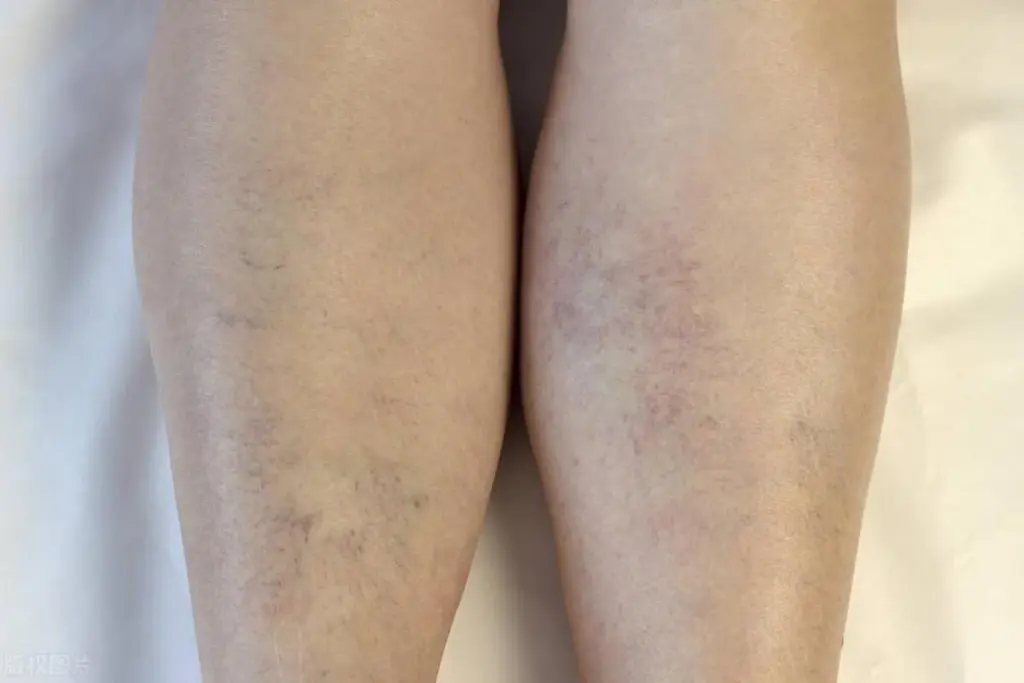
Knowing why hyperpigmentation happens on legs is key to treating it. It shows up as dark spots or patches. At Liv Hospital, we focus on finding the cause to treat it right.
What Causes Dark Spots and Discoloration on Your Legs
Many things can cause dark spots and discoloration on legs. These include healing from injuries, certain medicines, and skin or hair products that irritate the skin. Hormonal changes, like during pregnancy, can also cause it.
Some common reasons include:
- Post-inflammatory hyperpigmentation (PIH)
- Sun damage and environmental factors
- Venous insufficiency
Post Inflammatory Hyperpigmentation from Injuries and Scarring
Post-inflammatory hyperpigmentation (PIH) happens after skin inflammation or injury. It’s a big reason for hyperpigmented scars on legs. When skin gets hurt, it makes more melanin, causing dark spots.
Sun Damage and Environmental Factors
Sun exposure and environmental factors can also lead to hyperpigmentation. UV rays make melanin, darkening the skin. Pollution and smoking also play a part.
Venous Insufficiency: The Hidden Medical Cause
Venous insufficiency is when veins can’t return blood to the heart properly. It’s a big reason for legs hyperpigmentation that’s often missed.
| Cause | Description | Common Areas Affected |
| Post-inflammatory hyperpigmentation | Occurs after skin inflammation or injury | Any area that has experienced trauma |
| Sun damage | UV exposure leading to increased melanin production | Exposed areas like legs |
| Venous insufficiency | Poor blood circulation due to vein problems | Around ankles and lower legs |
How to Remove Hyperpigmentation on Legs: Diagnosis and Treatment Options

At Liv Hospital, we tackle hyperpigmentation on legs with a thorough diagnosis followed by personalized treatment plans. Our team uses advanced technology and patient-centered care. We identify the cause of your leg discoloration and create a tailored approach to address it.
“Understanding the root cause of hyperpigmentation is key for effective treatment,” says our lead dermatologist. This is why we start with a detailed evaluation.
Step 1: Get a Professional Medical Evaluation
The first step in treating hyperpigmentation on legs is a professional medical evaluation. At Liv Hospital, we use advanced tools to find the cause of the discoloration. This may include a detailed medical history, physical exam, and further tests to rule out conditions like venous insufficiency.
Step 2: Medical Treatments for Severe Hyperpigmentation
Depending on the diagnosis, various medical treatments can be used for severe hyperpigmentation on legs. These may include:
- Topical treatments containing azelaic acid, glycolic acid, kojic acid, retinoid, or vitamin C
- Professional interventions like chemical peels and laser therapy
Our dermatologists work closely with patients to find the most effective treatment. As our clinical guidelines say, “effective treatment for dark spots and patches starts with sunscreen,” including tinted sunscreen with iron oxide, alongside other protective measures.
Step 3: At-Home Care and Preventive Strategies
Alongside medical treatments, at-home care and preventive strategies are key in managing hyperpigmentation on legs. We teach our patients the importance of:
- Using protective clothing and seeking shade
- Applying broad-spectrum sunscreen regularly
- Maintaining a consistent skincare routine
By combining these strategies with medical treatments, patients can achieve the best results.
Creating Your Personalized Treatment Plan
At Liv Hospital, we create a personalized treatment plan tailored to each patient’s specific needs. We understand the unique causes of hyperpigmentation on your legs and address both the appearance and any underlying health factors. This ensures effective care that meets your individual requirements.
“Our goal is to not only improve the appearance of hyperpigmentation but also to address any underlying health issues,” highlights our commitment to complete care.
Conclusion
Treating hyperpigmentation of legs is possible with the right steps and knowledge. At Liv Hospital, we focus on treating post inflammatory hyperpigmentation and other scars on legs. We create personalized plans for each patient.
We use advanced technology to understand and treat hyperpigmentation. This helps our patients get clearer, more even-toned legs. For severe cases, we offer medical treatments. We also teach how to care for your skin at home to prevent future issues.
Keeping your skin healthy long-term is key. We work with our patients to ensure they get the care they need. With proper treatment, people can feel confident and have healthier skin.
FAQ
What are the primary causes of hyperpigmentation on legs?
Hyperpigmentation on legs can result from sun exposure, post-inflammatory changes from cuts or insect bites, friction, hormonal changes, or certain medical conditions.
How to get rid of hyperpigmentation on legs effectively?
Effective treatments include topical lightening agents (like vitamin C, niacinamide, or hydroquinone), chemical peels, laser therapy, and consistent sun protection.
Can you treat hyperpigmented scars on legs from old injuries?
Yes, older scars can improve over time with treatments such as silicone gels, laser therapy, microneedling, and gentle exfoliation, though complete removal may not always be possible.
What is the recommended treatment for severe hyperpigmentation on legs?
Severe hyperpigmentation often requires a combination of professional procedures like fractional laser treatment, chemical peels, and prescription-strength topical agents.
How to remove pigmentation from legs safely at home?
Use gentle exfoliation, moisturizing, and natural lightening agents like aloe vera, licorice extract, or vitamin C serums, while avoiding harsh chemicals or excessive sun exposure.
Why is a professional diagnosis important for hyperpigmentation of legs?
A professional diagnosis ensures the pigmentation isn’t caused by an underlying medical condition and helps select the most effective and safe treatment.
References
National Center for Biotechnology Information. Evidence-Based Medical Insight. Retrieved from https://pmc.ncbi.nlm.nih.gov/articles/PMC2921758/



 Departments
 Related Videos
 Our Doctors
 News
News