

Glaucoma surgery is a key step in managing eye pressure and stopping vision loss. The recovery process focuses on safe sleep positions and detailed care after surgery.
It’s important to sleep safely after eye surgery to protect the healing eye. Doctors often tell patients to avoid lying on the operated side. This helps keep eye pressure stable and aids in recovery.
Choosing the right sleep habits can greatly help in recovery. It’s key to sleep in a way that supports a smooth and safe healing process.
Key Takeaways
- Proper sleep positioning is key after glaucoma surgery.
- Avoid lying on the operated side to prevent issues.
- Safe sleep habits can improve recovery outcomes.
- Comprehensive postoperative care is vital for healing.
- Managing intraocular pressure is critical during recovery.
Why Sleep Position Matters After Glaucoma Surgery
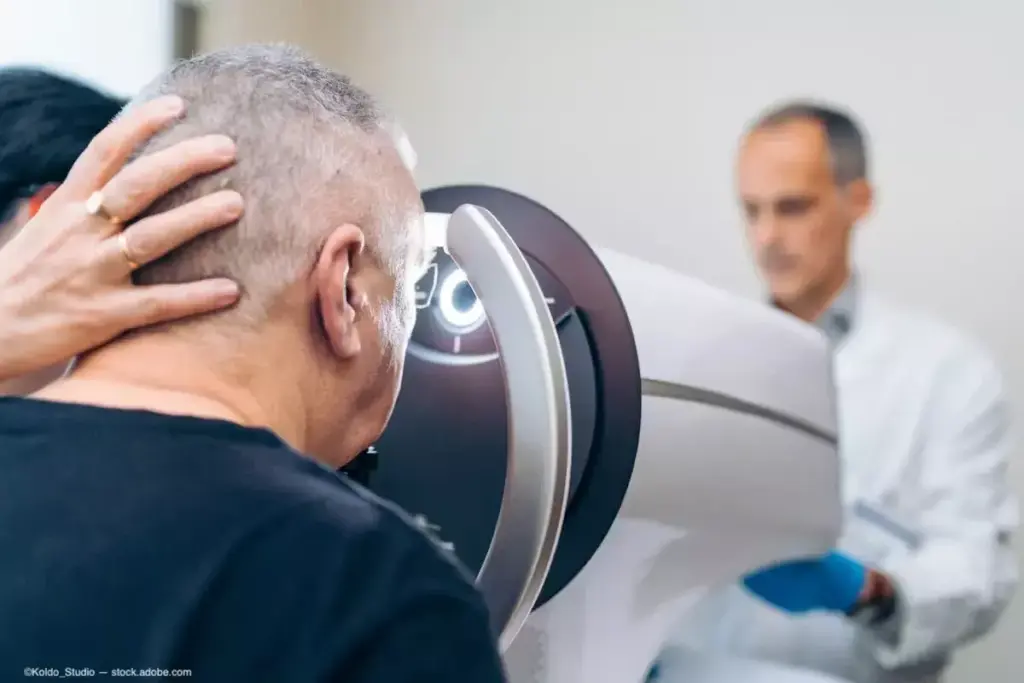
The way you sleep after glaucoma surgery is key to your healing. Your body repairs and heals while you sleep. This is a big part of getting better.
The Impact of Sleep on Intraocular Pressure
Studies show that lying flat can raise eye pressure. This is bad news after glaucoma surgery. Sleeping on your back or the other side can lower pressure on the operated eye. This helps avoid problems.
Protecting the Surgical Site During Recovery
After surgery, your eye is very sensitive. Keeping pressure off the eye is vital to avoid pain and infection. Eye shields at night can add extra protection.
Sleep Quality and Healing Process
Good sleep is important for healing. A clean and calm sleep area helps too. Try to sleep at the same time every night and relax before bed.
Knowing how to sleep right can help you recover faster after glaucoma surgery. It’s all about protecting your eye and getting quality sleep.
How to Sleep After Glaucoma Surgery: Step-by-Step Positioning Guide
Proper sleep positioning is key to a successful recovery after glaucoma surgery. The right sleep habits can greatly impact your healing. They can also help avoid complications. Here, we’ll guide you through safe and effective sleep positioning after surgery.
Sleep on Your Unaffected Side
To avoid pressure on the operated eye, sleep on your unaffected side or back. This reduces the risk of complications and promotes proper drainage.
Elevate Your Head at Least 30 Degrees
Use firm pillows to elevate your head at least 30 degrees. This reduces swelling and promotes drainage. Elevating your head is key to minimizing inflammation and ensuring a stable sleep posture.
Use Protective Eye Shields During Sleep
Wear a protective eye shield or patch while sleeping, at least in the first week. This prevents accidental rubbing or pressure on the eye. It’s a simple step that can greatly reduce complications.
Avoid Positions That Increase Eye Pressure
Avoid sleeping face-down or on the operated side. These positions can increase eye pressure and harm the surgical site. By avoiding these, you support a smooth and uncomplicated recovery.
| Guideline | Benefit |
| Sleep on your unaffected side or back | Reduces pressure on the operated eye |
| Elevate your head at least 30 degrees | Reduces swelling and promotes drainage |
| Use protective eye shields during sleep | Prevents accidental rubbing or pressure on the eye |
| Avoid sleeping face-down or on the operated side | Reduces the risk of increased eye pressure |
By following these guidelines, you can minimize complications and support a smooth recovery. Remember, proper sleep positioning is vital for healing and avoiding post-operative issues.
Conclusion
Healing after eye surgery is more than just what happens in the clinic. It’s also about how you take care of your eyes at home. By sleeping on your unaffected side and following your doctor’s instructions, you can improve your recovery. It’s also important to use protective eye shields at night.
Knowing how to treat glaucoma after surgery is key for good eye health. It’s important to know how long it will take to recover and plan your return to work. Always talk to your doctor about when you can go back to work. Learning to sleep comfortably with these precautions can also help a lot.
By following these tips and keeping your sleep area healing-friendly, you support your body’s recovery. We aim to provide top-notch healthcare and support for patients from around the world. We want to help you get the best care for your vision.
FAQ
What is the best sleeping position after glaucoma surgery?
Sleeping on your back with your head elevated is usually recommended to reduce pressure on the eye and support healing.
Why is it important to elevate my head while sleeping after glaucoma surgery?
Elevating your head helps decrease intraocular pressure, reduces swelling, and promotes proper fluid drainage from the eye.
Should I use a protective eye shield during sleep after glaucoma surgery?
Yes, a protective eye shield prevents accidental rubbing or pressure on the eye while you sleep.
Can I sleep on my side after glaucoma surgery?
Side sleeping may be allowed if it does not put pressure on the operated eye, but back sleeping is generally safest in the early recovery period.
How long does it take to recover from glaucoma surgery?
Initial recovery typically takes a few weeks, though full healing and stabilization of eye pressure may take several months.
What are the possible complications of glaucoma surgery?
Complications can include infection, bleeding, vision changes, eye pressure spikes, and scarring that may affect surgery success.
Can I sleep face-down after glaucoma surgery?
Face-down sleeping is not recommended as it can increase pressure on the eye and disrupt healing.
How can I promote a smooth recovery after glaucoma surgery?
Follow post-op instructions, use prescribed eye drops, avoid rubbing the eye, attend follow-up appointments, and maintain proper sleeping positions.
References
National Center for Biotechnology Information. Evidence-Based Medical Insight. Retrieved from https://pmc.ncbi.nlm.nih.gov/articles/PMC11497646/