Did you know nearly 900,000 people in the United States get blood clots each year? Many face serious health risks. Your sleeping position can affect your risk of getting blood clots.Find out how to sleep with blood clots in the lung safely, the best positions for comfort, and ways to reduce serious risks.
People with deep vein thrombosis (DVT) or pulmonary embolism need to know the best sleeping positions. We’ll look at how to sleep to lower blood clot risks.
Key Takeaways
- Sleeping positions can significantly impact blood circulation and clot risk.
- Elevating the legs during sleep can help reduce swelling and improve circulation.
- Certain sleeping positions can help prevent blood clots in individuals with DVT or pulmonary embolism.
- Awareness of optimal sleeping positions is key for those at risk of blood clots.
- Choosing a comfortable sleeping position can lower blood clot risks.
Understanding Blood Clots and Their Risks
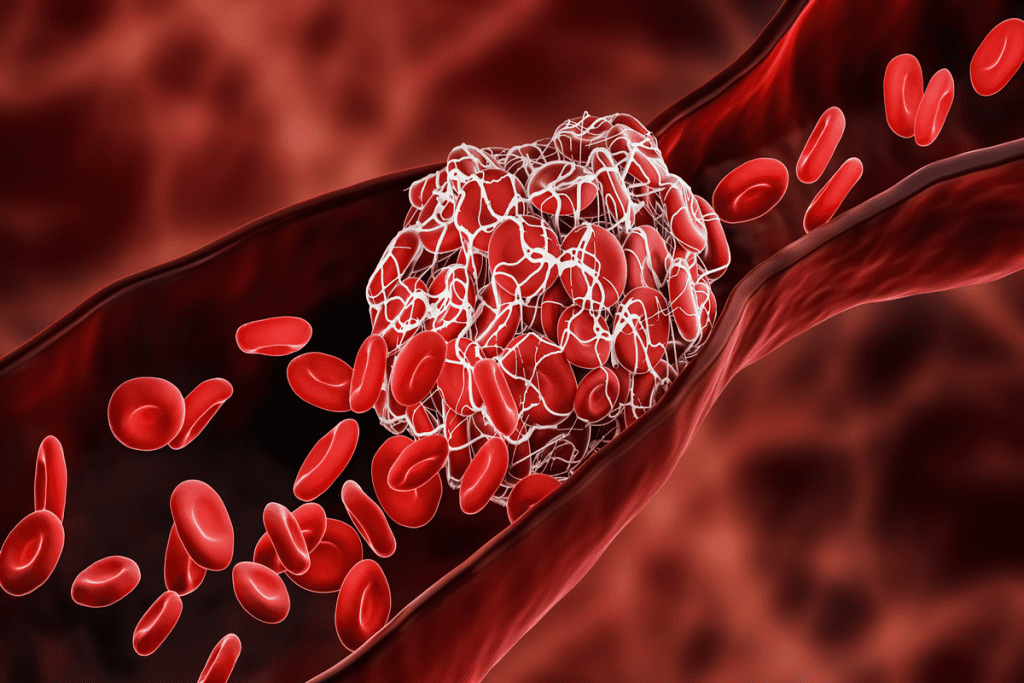
To understand blood clot risks, we must know how they form and what causes them. Blood clots are like gel-like clumps of blood. They can form in the body for many reasons.
What Are Blood Clots and How Do They Form?
Blood clots form when the body’s clotting process is triggered too early. This can happen from injury, too much sitting, or certain health issues. The clotting process involves platelets and clotting factors coming together to form a fibrin clot.
Normally, blood clotting helps stop bleeding when we get hurt. But, when clots form too early or don’t dissolve, they can be very dangerous.
Risk Factors for Developing Blood Clots
Many factors can increase the risk of blood clots. These include:
- Prolonged Immobility: Sitting or lying down for too long, like on long flights or in bed, raises the risk.
- Genetic Predispositions: Having a family history of blood clots or clotting disorders can also increase risk.
- Certain Medical Conditions: Conditions like cancer, heart disease, and clotting disorders can make blood clot more easily.
Types of Blood Clots and Their Locations
Blood clots can form in different parts of the body, leading to various conditions. The two most common types are:
- Deep Vein Thrombosis (DVT): Clots that form in the deep veins, usually in the legs.
- Pulmonary Embolism (PE): Clots that break loose and travel to the lungs, which can be very dangerous.
Knowing about these blood clot types is key to understanding risks and how to prevent them.
The Connection Between Sleep Positions and Blood Circulation
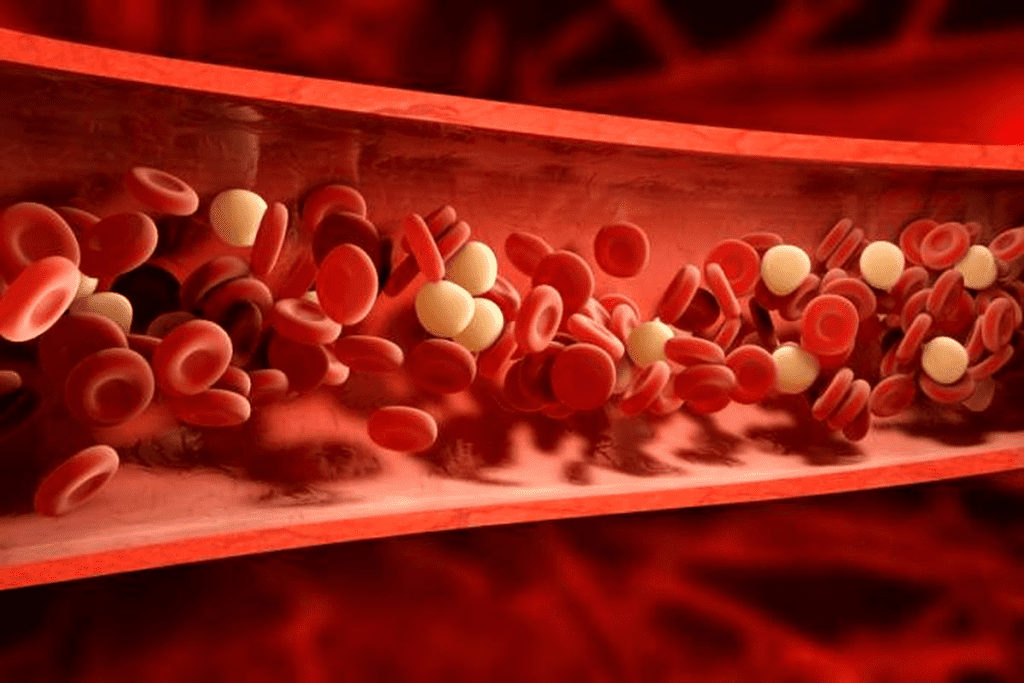
The way we sleep can greatly affect our blood circulation. Research shows that some sleep positions can help or hurt blood flow. It’s key to know how sleep and circulation are linked for good health.
When we think about sleep positions, we must consider their impact on blood flow. For example, raising our legs can help blood flow back to the heart. But, some positions can squeeze blood vessels, making it harder for blood to move.
How Sleep Position Affects Blood Flow
Our sleep position can change how blood reaches our body’s ends. Raising our legs can boost circulation, while some positions can block it. Studies found that raising legs by 6-12 inches can really help blood flow.
The Science Behind Circulation During Sleep
Even when we sleep, our body’s blood system keeps working, but slower. The parasympathetic nervous system makes our heart rate and blood pressure drop. Yet, sleep positions can either help or hurt this process, affecting blood flow.
Gravity’s Role in Circulation During Sleep
Gravity is very important for blood flow when we sleep. Knowing how it works can help us choose better sleep positions.
How to Sleep with Blood Clots in the Lung

For those with pulmonary embolism, a blood clot in the lungs, sleep is hard. It can cause pain, trouble breathing, and worry. We’ll look at how to sleep better with these challenges.
Unique Challenges of Pulmonary Embolism
Pulmonary embolism can really affect your sleep. It leads to shortness of breath, chest pain, and anxiety. These symptoms make it tough to sleep well.
Recommended Sleeping Arrangements
Some sleeping setups can help with pulmonary embolism. Elevating your bed by 30-40 degrees can help your breathing. A wedge pillow or adjusting your bed can be very helpful.
Managing Breathing Difficulties
It’s key to manage breathing issues with pulmonary embolism. Deep breathing, using a humidifier, and not eating heavy before bed can help. These steps can improve your sleep quality.
| Technique | Description | Benefit |
| Deep Breathing Exercises | Slow, deep breaths to calm the body | Reduces anxiety and improves oxygenation |
| Humidifier Use | Adds moisture to the air | Eases congestion and soothes the respiratory tract |
| Avoiding Heavy Meals Before Bed | Eating a light dinner or having an early meal | Reduces discomfort and promotes better sleep |
Best Sleeping Position to Prevent Blood Clots
Sleeping in the right position can help prevent blood clots. The way we sleep affects blood circulation. This is key to stopping clots from forming.
Elevated Position Benefits
Elevating your legs while sleeping can help prevent blood clots. This position boosts circulation by lowering venous pressure in your legs.
Benefits of Elevated Sleeping Position:
- Reduces swelling in the legs
- Improves venous circulation
- Decreases pain associated with DVT
Side Sleeping Considerations
Side sleeping can help prevent blood clots if done right. It’s important not to put too much pressure on one side of your body.
Tips for Side Sleepers:
- Switch sides periodically
- Use a supportive pillow between the knees
- Avoid curling up too tightly
Back Sleeping Pros and Cons
Back sleeping can be good for circulation if you use a pillow under your knees. But, it can cause poor circulation if your legs aren’t elevated.
| Pros | Cons |
| Can improve circulation with leg elevation | May lead to snoring and sleep apnea |
| Reduces pressure on the spine | Can cause strain on the lower back if not supported |
Positions to Completely Avoid
Some sleeping positions can raise your risk of blood clots. Avoid positions that make your legs crossed or bent for a long time.
Positions to Avoid:
- Crossing the legs or ankles
- Sleeping with the legs bent up towards the chest
- Sleeping on the stomach with the legs twisted
Sleeping with DVT in the Leg
Deep Vein Thrombosis (DVT) is a serious condition that needs careful management, even when sleeping. It’s important to know how to sleep comfortably with DVT to ease pain and discomfort.
Elevating the Affected Leg
Elevating the affected leg is a good way to lessen swelling and pain from DVT. You can do this by placing a few pillows under the leg. This improves blood flow and reduces pressure on the affected area.
- Use a wedge pillow to support the leg
- Place a few pillows under the leg to elevate it
- Adjust the bed to a comfortable position
Positioning Techniques for Comfort
Finding a comfortable position is key to managing DVT symptoms at night. Try different positions to find what works best for you.
Pulmonary Embolism Sleeping Positions
When you have pulmonary embolism, it’s key to sleep in ways that help you breathe better. We know it’s tough, but making a few changes can really help you sleep better.
Optimal Positions for Breathing Comfort
To make breathing easier while sleeping, try these positions:
- Elevated Position: Sleeping with your upper body a bit higher can ease breathing. You can use extra pillows or a wedge pillow for this.
- Side Sleeping: Sleeping on your side is good, but don’t put too much pressure on your heart. A pillow between your knees can help keep your body aligned and reduce strain.
Positions to Avoid with Pulmonary Embolism
Some sleeping positions can make pulmonary embolism symptoms worse. It’s best to avoid:
- Flat on Your Back: Lying flat can put too much pressure on your heart and lungs, making symptoms worse.
- Curled Up Position: This position can make it harder for your lungs to expand, making breathing more difficult.
Using Pillows for Support with PE
Pillows can be very helpful when you have pulmonary embolism. Here’s how to use them:
- Under the Knees: A pillow under your knees can ease pressure on your lower back and improve blood flow.
- Between the Knees: This can help keep your hips aligned and reduce heart strain.
- For Elevation: Pillows can help elevate your upper body or legs, making breathing easier and reducing swelling.
By using these tips, people with pulmonary embolism can find better sleeping positions. This can help improve their sleep quality and manage symptoms better.
Sleeping with May-Thurner Syndrome
Sleeping with May-Thurner Syndrome requires careful planning to reduce its effects on blood flow. This condition compresses the left iliac vein, which can cause blood clots and circulation problems. It’s important to learn how to sleep in a way that helps manage symptoms and improves comfort.
Understanding May-Thurner Syndrome
May-Thurner Syndrome happens when the right iliac artery presses on the left iliac vein. This can block blood flow from the left leg to the heart. It can cause pain, swelling, and even blood clots. Knowing how this affects blood flow is vital for finding the right sleep strategies.
Specialized Sleeping Recommendations
People with May-Thurner Syndrome should sleep on their back with a pillow under their knees. This can help ease the pressure on the affected vein. Sleeping on the side with a pillow between the knees is also a good option. It’s important to avoid positions that could worsen the compression or block blood flow.
Recommended Sleeping Positions:
- Sleeping on the back with a pillow under the knees
- Sleeping on the side with a pillow between the knees
Managing Compression Therapy at Night
Compression therapy helps with May-Thurner Syndrome by improving blood flow. It’s important to follow your doctor’s advice on using compression stockings or devices at night. Some might need to wear them at night, while others only during the day. Proper use of compression therapy at night can greatly improve treatment results.
Talk to your healthcare provider about managing compression therapy at night. They can help you adjust your sleep routine or suggest devices to improve blood flow while you sleep.
Sleep Positions for Optimal Blood Circulation
Sleeping in the right position can help improve blood flow. Our body rests while our circulatory system works hard. The position we sleep in affects this process.
Best Positions for General Circulation
Sleeping on your back with a pillow under your knees is good for circulation. It relieves pressure on your spine and improves blood flow. But, make sure your pillow doesn’t raise your head too high to avoid neck strain.
Sleeping on your side with a pillow between your knees is also beneficial. It keeps your hips aligned and reduces pressure on your lower back. Using a supportive mattress and pillows is key for spinal alignment.
Left Side vs. Right Side Sleeping
There’s a lot of talk about left side and right side sleeping. Sleeping on your left side is often suggested for better circulation. But, some people find right side sleeping more comfortable, depending on their health.
“The position we sleep in can have a big impact on our circulatory health. While left side sleeping is generally advised, listening to your body and finding what works best for you is important.
Positions for Specific Circulation Issues
For those with circulation problems like varicose veins, elevating your legs while sleeping can help. Using a wedge pillow or raising the bed’s foot can reduce swelling and improve circulation.
In conclusion, the right sleep position can greatly affect our circulatory health. By choosing positions that enhance venous return and reduce body pressure, we can boost our circulation and overall well-being.
Common Misconceptions About Sleeping with Blood Clots
Many people think they know how to handle blood clots while sleeping. But, there are many myths that can lead to bad practices. Let’s look at some common myths and the truth behind them.
Sleeping in a Recliner: Fact vs. Fiction
Reclining can help with swelling and improve blood flow. But, it’s not a cure-all for blood clots. Relying only on a recliner can be misleading.
The Immobility Myth: Understanding DVT
People with Deep Vein Thrombosis (DVT) should not stay completely immobile. Gentle exercises and movement, as a doctor suggests, can help. They can improve blood flow and lower clot risk.
One Size Doesn’t Fit All: Sleeping Positions for Blood Clots
Different blood clots need different sleeping approaches. What works for one might not work for another. Your health, the clot’s location, and other conditions should guide your sleep position.
Sleep Environment Modifications for Blood Clot Patients
Changing your sleep environment can help with circulation and comfort for those with blood clots. Simple adjustments can lower the risk of blood clots and improve sleep quality.
Mattress Considerations for Poor Circulation
Finding the right mattress is key for good circulation at night. Look for a mattress that’s not too hard or too soft. It should support your body without putting too much pressure.
- A medium-firm mattress keeps the spine aligned naturally.
- Memory foam mattresses mold to your body, easing pressure points.
- Replace your mattress every 7-10 years or sooner if it’s worn out.
Pillows and Props for Better Positioning
Pillows and props are important for a safe and comfy sleep position. The right pillows can help keep your legs up or support your back, improving blood flow.
- Use a contoured pillow for neck support and spinal alignment.
- Put a pillow under your knees to lift your legs and reduce swelling.
- Body pillows offer extra support and comfort for side sleepers.
Bedroom Temperature and Blood Flow
The bedroom temperature affects blood flow and comfort while sleeping. Keeping the bedroom at the right temperature is key.
| Temperature Range | Effect on Blood Flow |
| Too Cold (<60 °F) | Constricts blood vessels, potentially reducing circulation. |
| Optimal (60-67 °F) | Promotes comfortable sleep and maintains healthy blood flow. |
| Too Hot (>67 °F) | Can cause discomfort and dehydration, potentially affecting circulation. |
Adjusting your sleep environment can help prevent blood clots. It’s about making your sleep space supportive of your health and well-being.
Exercises and Movement to Prevent Blood Clots While on Bedrest
Doing simple exercises in bed can help lower blood clot risk. When you’re stuck in bed, your body can’t move as it should. This can cause blood to pool in your legs, raising clot risk.
Safe In-Bed Exercises
Some exercises can improve blood flow and lower clot risk while in bed. These include:
- Ankle rotations: Rotate your ankles in a circular motion, first clockwise and then counterclockwise.
- Toe wiggling: Gently wiggle your toes back and forth.
- Leg lifts: Slowly lift one leg off the bed, keeping it straight, and then lower it back down. Repeat with the other leg.
These exercises are easy on your body and can be done while on bedrest. Always talk to your doctor before starting any new exercise, if you’ve had blood clots before or are at high risk.
Scheduled Movement Routines
Adding scheduled movement routines can also help prevent blood clots. This might include:
- Regularly getting out of bed and walking around, if possible.
- Changing positions in bed frequently.
- Using a bed wedge or adjustable bed to elevate your legs.
Having a routine helps you move regularly, even when you’re on bedrest. Being consistent is key to preventing blood clots.
| Movement Routine | Frequency | Benefits |
| Ankle rotations | Every 2 hours | Improves circulation |
| Leg lifts | 3 times a day | Strengthens leg muscles |
| Getting out of bed | As often as possible | Reduces blood pooling |
Working with Physical Therapists for Bedrest Protocols
Physical therapists are vital for those on bedrest. They help create safe exercise plans. They can:
- Assess your current mobility and health status.
- Create a personalized exercise program tailored to your needs.
- Provide guidance on how to perform exercises correctly to avoid injury.
Working with a physical therapist ensures you’re doing the right exercises. This maximizes benefits and minimizes risks.
When to Seek Medical Help for Nighttime Blood Clot Symptoms
If you’re at risk for blood clots, knowing when to seek help is key. This is even more important at night.
Recognizing Emergency Warning Signs
Severe leg pain, swelling, or trouble breathing are urgent signs. You need to get medical help right away.
Communicating with Your Healthcare Provider
Tell your healthcare provider about your symptoms and sleep. This helps them give you the right care.
Tracking Sleep and Symptoms
Keep a log of your sleep and symptoms. This helps your healthcare provider make better decisions.
Being aware of warning signs and talking openly with your healthcare provider is important. This way, you get the care you need if you have nighttime blood clots or symptoms.
Conclusion: Creating a Safe Sleep Plan for Blood Clot Management
Creating a safe sleep plan is key for managing blood clots. Knowing the risks and how sleep positions affect blood flow helps us prevent problems.
We’ve talked about sleep positions that can lower blood clot risks. Elevating legs, avoiding bad positions, and improving the sleep area are all important. These steps help make a safe sleep plan.
Following these tips can greatly improve blood vessel health. We suggest people at risk of blood clots work with their doctors to make a sleep plan that fits their needs.
By focusing on sleep and blood flow, we can lower the chance of blood clot issues. A safe sleep plan is a big part of managing blood clots well.
FAQ
What is the best sleeping position to prevent blood clots?
To prevent blood clots, sleep with your legs slightly elevated. This improves blood flow. Try sleeping on your back with a pillow under your knees to reduce vein pressure.
Can sleeping in a certain position cause a blood clot?
Yes, certain sleeping positions can increase blood clot risk. Avoid bending or compressing your legs for too long. This can restrict blood flow and put pressure on veins.
How can I sleep with blood clots in my lungs?
If you have blood clots in your lung, find a comfortable position for breathing. Elevating your upper body can help expand your lungs and ease discomfort.
Should I elevate my leg if I have DVT?
Elevating your leg above your heart can help with DVT. It reduces swelling and improves circulation. Always follow your doctor’s advice on leg elevation.
Does DVT pain go away when lying down?
For some, lying down can ease DVT pain by reducing vein pressure. But, pain can persist or vary based on position and other factors.
What are the best sleep positions for individuals with May-Thurner Syndrome?
People with May-Thurner Syndrome should sleep in positions that reduce vein pressure. Try sleeping on your back or the side opposite the compressed vein. Use a pillow to support your legs.
Can sleeping in a recliner cause blood clots?
Sleeping in a recliner can increase blood clot risk if it bends your legs or keeps you immobile. Regularly move and change positions to reduce this risk.
What mattress is best for poor circulation?
A medium-firm mattress is best for circulation. It supports your spine and allows for movement. Avoid mattresses that sink too much or restrict movement.
Are there specific exercises to prevent blood clots while on bedrest?
Yes, exercises like ankle rotations, toe wiggles, and leg lifts can prevent blood clots on bedrest. Always follow a routine recommended by a healthcare professional.
How can I improve my blood circulation while sleeping?
Improve circulation by sleeping in optimal positions, like elevating your legs. Avoid crossing your legs or ankles. Use supportive mattresses and pillows.
When should I seek medical help for nighttime blood clot symptoms?
Seek immediate medical help for severe leg pain, swelling, breathing difficulty, or chest pain at night. Quick medical evaluation is key for blood clot treatment.
References
- Kakkar, A. K., & et al. (2021). Risk stratification and prevention of venous thromboembolism during hospitalization. The Lancet Haematology, 8(6), e405“e417. https://www.thelancet.com/journals/lanhae/article/PIIS2352-3026(21)00169-5/fulltext
- Lee, C. Y., & Gupta, R. (2017). Sleep posture effects on circulation: Implications for blood clot risks. Journal of Clinical Sleep Medicine, 13(10), 1201“1208. https://jcsm.aasm.org/doi/10.5664/jcsm.6768
- Kearon, C., Akl, E. A., Ornelas, J., Blaivas, A., Jimenez, D., Bounameaux, H., … & Stevens, S. M. (2016). Antithrombotic therapy for VTE disease: CHEST guideline and expert panel report. Chest, 149(2), 315-352. https://journal.chestnet.org/article/S0012-3692(15)00443-3/fulltext