
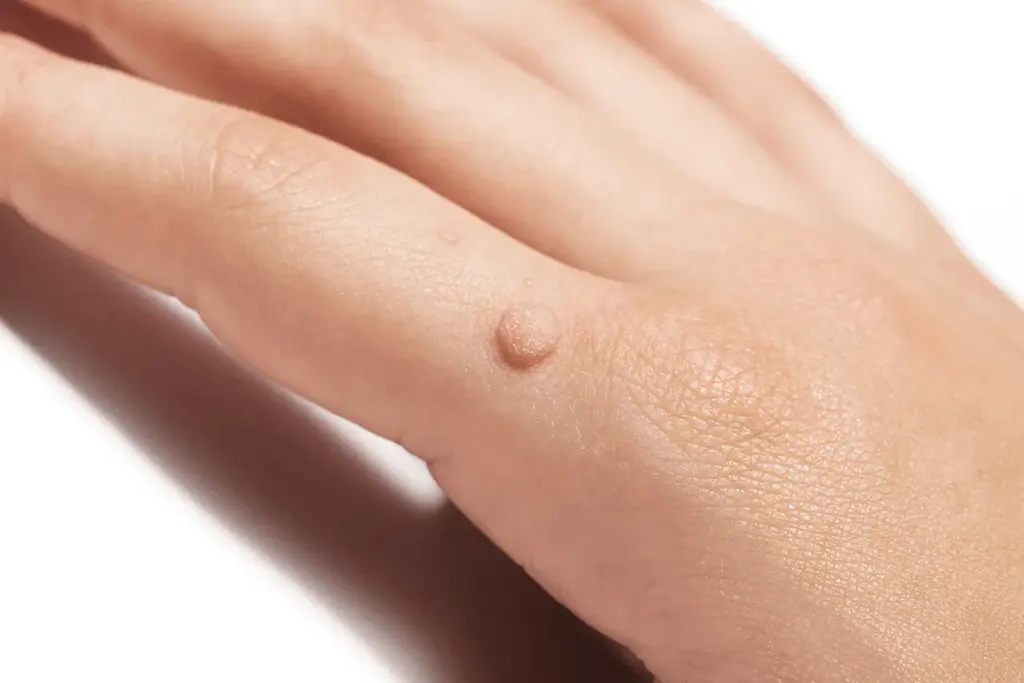
Seeing a bleeding wart can be shocking. It’s natural to worry about your health when you notice blood. Warts are caused by the human papillomavirus, or HPV.
Warts have many small blood vessels close to the skin’s surface. They can break easily if bumped or scratched. At Liv Hospital, we offer top-notch care to keep you safe and comfortable.
We aim to teach you how to stop a bleeding wart at home. Our team follows the latest medical guidelines to help you manage your skin. Dealing with warts requires a calm and informed approach.
This article will guide you on how to stop bleeding wart issues safely. We focus on patient care and reliable advice for the best results. Trust us to handle your bleeding wart with expert precision and care.
Key Takeaways
- Apply steady pressure with a clean cloth to stop blood flow.
- Clean the affected area gently with mild soap and water.
- Use a sterile bandage to protect the site from further irritation.
- Avoid picking or scratching the skin to prevent future injury.
- Seek professional medical advice if the area shows signs of infection.
- Contact a specialist for recurring or painful skin growths.
Do Warts Bleed? Understanding Why Warts Bleed So Much
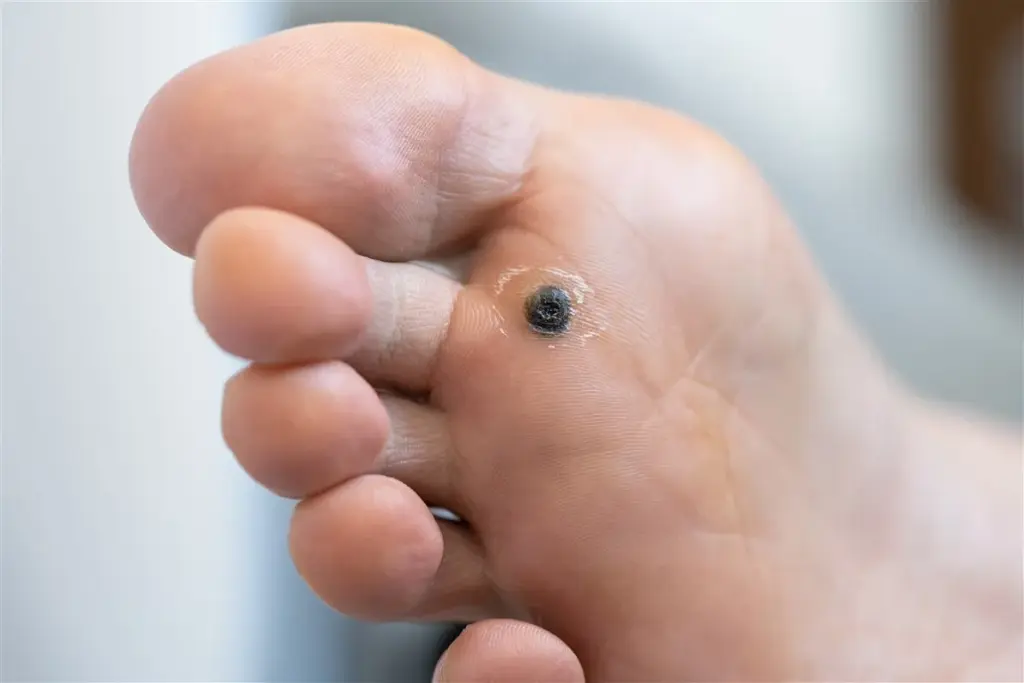
Bleeding warts can be scary, but knowing why it happens is key. Warts are skin growths caused by the human papillomavirus (HPV). They can pop up anywhere on the body. While usually harmless, warts can bleed because of their structure and where they are.
Blood Vessels in Warts Explained
Warts have small blood vessels near their surface. These vessels look like small black dots or “seeds” in the wart. The presence of these blood vessels is why warts can bleed. When a wart gets irritated or hurt, these vessels can burst, causing bleeding.
Common Triggers for a Wart That Bleeds
Several things can make a wart bleed. These include:
- Scratching or rubbing: Direct irritation can cause the small blood vessels within the wart to rupture.
- Friction: Areas prone to friction, such as the soles of the feet or fingers, are more likely to experience bleeding from warts.
- Injury: A direct hit or cut to a wart can cause it to bleed.
Finger Wart Bleeding and Other Problem Areas
Warts in certain spots are more likely to bleed. For example, finger wart bleeding is common because fingers get used a lot and can get hurt or irritated. Warts on the feet, like on the soles or toes, can also bleed. This is because of the pressure and friction from walking or wearing tight shoes.
Knowing why warts bleed and what makes them bleed can help people prevent it. It also helps them know how to handle bleeding if it happens.
How to Stop a Bleeding Wart: Immediate Steps
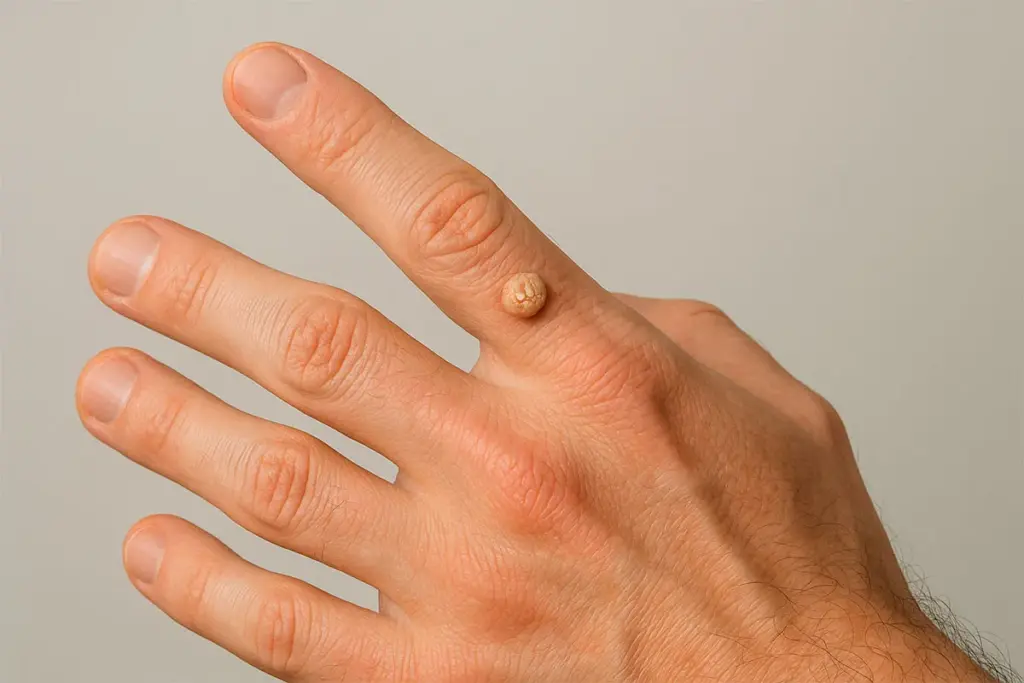
Bleeding warts can be scary, but knowing what to do can help. When a wart starts bleeding, it’s important to act fast. This way, you can stop the bleeding and avoid infection. Here are the steps to take when a wart starts bleeding.
Apply Direct Pressure
To stop a bleeding wart, press the area with a clean cloth or bandage. This action helps to close the blood vessels and stop the bleeding. Keeping pressure on for a few minutes can really help stop the bleeding. It’s best to use a sterile gauze pad for this, as it absorbs blood and helps the clotting process.
Clean and Disinfect the Area
After the bleeding stops, clean and disinfect the area to avoid infection. Wash the wart and the skin around it with mild soap and lukewarm water. Choose an antiseptic solution or soap with antimicrobial properties. This step is key to remove any bacteria or debris that might have gotten into the wound.
Bandage the Area
After cleaning and disinfecting, cover the area with a bandage to protect it. Use a sterile bandage or dressing that’s not too tight. A bandage keeps the area clean and reduces the chance of more bleeding. Change the bandage every day or whenever it gets wet or dirty.
When to Seek Professional Care
While these steps can manage a bleeding wart, sometimes you need professional help. If the bleeding doesn’t stop after 10-15 minutes of pressure, or if you see signs of infection like more redness, swelling, or pus, you should contact a healthcare professional. At Liv Hospital, our team offers care and treatment for warts and skin conditions. We’re here to help you manage your condition and prevent future problems.
If you often have bleeding from a wart, or if it’s causing a lot of pain or discomfort, get professional help. Our specialists can check the wart and give the right treatment. This might include removal to stop bleeding and prevent more problems.
Conclusion
Understanding why warts bleed is key to managing the issue. At Liv Hospital, we’ve explained why warts might bleed. This includes the role of blood vessels and common triggers.
We’ve also shown you how to stop a bleeding wart. This includes applying pressure, cleaning, and bandaging. If you see a bleeding wart, stay calm and follow these steps.
Managing bleeding warts is easier with the right care. At Liv Hospital, we offer top-notch healthcare for international patients. We aim to give you the knowledge to handle your health concerns well.
FAQ
Why do warts bleed so much compared to normal skin scratches?
Warts contain tiny blood vessels close to the surface, so when they’re irritated or cut, they tend to bleed more than typical superficial skin scratches.
How do you stop a wart from bleeding quickly at home?
Apply firm, direct pressure with clean gauze or cloth for several minutes, then clean the area and cover it with a bandage.
Is it common to experience finger wart bleeding during daily tasks?
Yes, warts on fingers can bleed easily because they are frequently exposed to friction, pressure, and accidental चोट during routine activities.
What should I do if I cannot find a way how to stop a bleeding wart?
If bleeding doesn’t stop after 10–15 minutes of steady pressure, seek medical care as it may need professional treatment.
Why would a wart bleed if I haven’t touched it?
Spontaneous bleeding can occur if the wart is irritated internally, dries out, cracks, or has fragile blood vessels that rupture easily.
Can warts bleed if they are being treated with over-the-counter methods?
Yes, treatments like salicylic acid or freezing products can break down wart tissue and expose blood vessels, causing minor bleeding.
Is it normal, or should warts bleed at all during their lifecycle?
Occasional minor bleeding can happen, but frequent or heavy bleeding is not typical and should be checked by a doctor.
What do the small black dots mean when I see blood in wart tissues?
The black dots are clotted or dried blood from tiny capillaries inside the wart, often called “seed” vessels.
Will warts bleed every time they are bumped?
Not always, but they can bleed easily when bumped due to their delicate blood supply.
How to stop bleeding from wart locations that are difficult to bandage?
Use firm pressure with gauze, apply a liquid bandage or styptic pencil if available, and keep the area clean and dry to help it seal quickly.
References
National Center for Biotechnology Information. Evidence-Based Medical Insight. Retrieved from https://pmc.ncbi.nlm.nih.gov/articles/PMC9825897/



 Departments
 Related Videos
 Our Doctors
 News
News