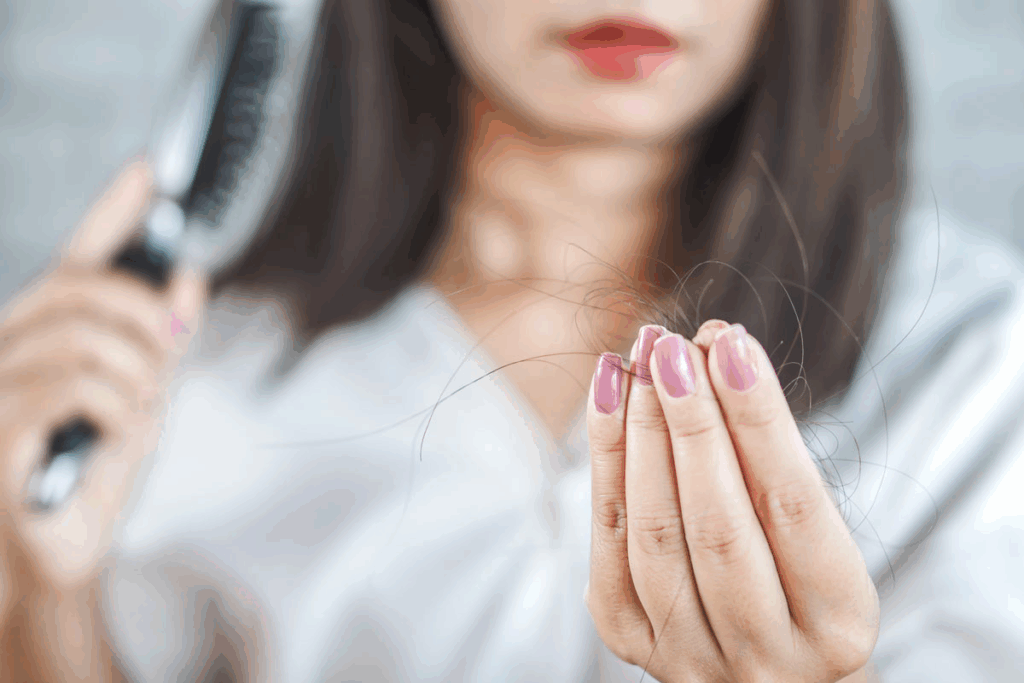
Getting a gastric sleeve surgery can change your life for the better. It boosts your health and confidence. But, many patients worry about telogen effluvium, or hair loss after surgery. This side effect affects about 30-57% of people, leading many to ask how to stop hair loss after gastric sleeve.
At Liv Hospital, we offer top-notch care and tailored nutrition plans. Our goal is to help you manage hair loss after gastric sleeve surgery. We empower you to take control of your health.
Key Takeaways
- Gastric sleeve surgery can lead to temporary hair loss due to nutritional deficiencies.
- Proper pre-operative preparation and post-operative nutritional management can help prevent hair loss.
- Liv Hospital’s care includes personalized nutrition to lower hair loss risk.
- Knowing why telogen effluvium happens is key to preventing and managing it.
- With the right care, hair loss after gastric sleeve surgery can be reversed.
Understanding Post-Gastric Sleeve Hair Loss

Hair loss after gastric sleeve surgery is more common than you might think. This condition, called alopecia, can cause a lot of stress for those going through this surgery.
What is Telogen Effluvium?
Telogen effluvium is when you shed a lot of hair, usually three to six months after surgery. It’s often a reaction to the fast weight loss, hormonal shifts, and nutrient gaps from the surgery.
Prevalence Among Bariatric Surgery Patients
About 30-57% of people who have gastric sleeve surgery lose their hair. This shows how important it is for patients to know about this side effect and take steps to prevent it.
Normal vs. Excessive Hair Shedding
It’s key to tell normal hair loss from too much shedding. While some hair loss is normal after surgery, too much could mean a problem, like not getting enough nutrients.
The Timeline of Hair Loss After Gastric Sleeve
Hair loss after gastric sleeve surgery can worry patients. But knowing what to expect can ease their concerns. Hair loss usually starts a few months after surgery.
When Hair Loss Typically Begins
Hair loss after gastric sleeve surgery often starts 2-3 months after the surgery. This delay is because the hair growth cycle has different phases. The surgery stress pushes more hair follicles into the resting phase, leading to increased shedding a few months later.
Expected Duration of Shedding
Most patients experience hair shedding for 3-6 months. The exact time can vary, but shedding usually peaks at 4-6 months post-surgery. By 9-12 months, most see a big drop in hair loss as their nutrient levels and hormone balance get back to normal.
Signs of Recovery
Signs of hair loss recovery include less hair shed daily and new hair growth. Patients may also notice stronger and healthier hair. Getting enough nutrients and following post-surgery diet advice can help in this recovery.
Understanding the timeline of hair loss after gastric sleeve surgery helps patients prepare. It lets them take steps to lessen its impact.
Why Hair Loss Occurs After Gastric Sleeve Surgery
After gastric sleeve surgery, many patients notice hair loss. This can happen for several reasons. We’ll look at why it happens, including the body’s stress response, the effects of quick weight loss, and hormonal changes.
Surgical Stress Response
The body reacts to surgery by changing in many ways. This stress can make more hair follicles stop growing. The stress from surgery is a big reason for hair loss because it messes with the hair growth cycle.
Rapid Weight Loss Impact
Quick weight loss after surgery is another big factor. Losing weight fast can make the body lack nutrients, which is bad for hair. Crash diets or losing weight too fast can really shock the system, making hair fall out.
Hormonal Fluctuations
Hormonal changes after surgery also cause hair loss. Losing a lot of weight and changing metabolism can upset hormone levels. These changes can make hair stop growing and fall out more.
Factor | Impact on Hair Loss |
Surgical Stress Response | Increases hair follicles in dormant phase |
Rapid Weight Loss | Leads to nutritional deficiencies |
Hormonal Fluctuations | Affects hair growth cycle |
Nutritional Deficiencies That Trigger Hair Loss
Nutritional deficiencies are a big reason for hair loss after gastric sleeve surgery. This surgery changes how the body digests food. It can make it hard for the body to get the nutrients it needs.
Protein Deficiency and Hair Structure
Hair is mostly made of protein. Not getting enough can hurt hair health. After gastric sleeve surgery, eating foods high in protein is key to keep hair strong.
Iron, Zinc, and Ferritin Levels
Iron and zinc are important for hair to grow. If you don’t have enough, you might lose hair. Ferritin, which stores iron, is also important. It’s important to eat enough of these nutrients or take supplements.
B Vitamins and Biotin Importance
B vitamins, like biotin, are key for hair health. Not having enough can cause hair loss. Make sure to get enough B vitamins from food or supplements.
Essential Fatty Acids
Essential fatty acids are good for overall health and hair. It’s important to get enough of these after gastric sleeve surgery.
Knowing about these nutritional deficiencies helps patients fight hair loss after gastric sleeve surgery. They can take steps to help their hair grow back.
How to Stop Hair Loss After Gastric Sleeve Through Diet
Hair loss after gastric sleeve surgery is common. But, a good diet can help a lot. Eating enough protein and nutrients is key to less hair loss.
Achieving 60+ Grams of Daily Protein
It’s important to eat at least 60 grams of protein every day. Good sources are lean meats, eggs, Greek yogurt, and special protein powders for bariatric patients. These foods help your hair grow strong.
High-Bioavailability Iron Sources
Iron loss is common after gastric sleeve surgery, leading to hair loss. Eating foods high in iron like spinach, lentils, and fortified cereals helps. Also, eating foods rich in vitamin C with iron foods boosts iron absorption.
Zinc-Rich Foods for Hair Health
Zinc is vital for hair growth. Adding zinc-rich foods like oysters, beef, chicken, and pumpkin seeds to your diet is good. Without enough zinc, hair loss can happen.
Sample Meal Plans for Hair Regrowth
Having a meal plan with the right mix of nutrients is helpful. Here’s a daily meal plan:
Meal | Food | Nutrient |
Breakfast | Greek yogurt with spinach and fortified cereal | Protein, Iron |
Lunch | Grilled chicken with pumpkin seeds and mixed greens | Protein, Zinc |
Dinner | Beef with lentils and roasted vegetables | Protein, Iron, Zinc |
Snack | Protein shake with almond milk and berries | Protein |
By eating a diet rich in nutrients, you can fight hair loss after gastric sleeve surgery. This diet supports your overall health too.
Pre-Surgery Preparation to Minimize Hair Loss
To lower the chance of hair loss after gastric sleeve surgery, patients can act early. Getting ready before surgery is vital. It helps avoid nutritional gaps that can cause hair loss.
Building Nutritional Reserves
Start taking chewable multivitamins two weeks before surgery. This keeps hair strong and fights post-surgery tiredness. Eating a balanced diet full of proteins, vitamins, and minerals is also key. It builds up your nutritional stores.
Baseline Testing for Deficiencies
Testing for nutritional gaps before surgery is important. It checks for iron, zinc, and vitamin B12 levels, among others. This helps spot issues early.
Hair Strengthening Protocols
Using gentle hair care products and cutting down on heat styling can help. A healthy scalp and hair follicles can better handle surgery’s stress.
Nutritional Element | Pre-Surgery Recommendation | Benefit |
Protein | Increase intake to 60+ grams daily | Supports hair structure and strength |
Iron | Consume iron-rich foods or supplements | Prevents iron deficiency anemia |
Zinc | Eat zinc-rich foods like oysters and beef | Essential for hair growth and maintenance |
Supplementation Strategies for Hair Retention
To fight hair loss after bariatric surgery, a good plan for supplements is key. Hair loss, or telogen effluvium, often happens after gastric sleeve surgery. It’s mainly because of not getting enough nutrients.
Bariatric-Specific Multivitamins
Bariatric patients should take a daily multivitamin made for post-surgery nutrient absorption. These vitamins are made to fill the nutritional gaps that happen after gastric sleeve surgery.
Biotin and Collagen Supplements
Biotin is important for making keratin, a key protein in hair. Biotin supplements help make hair follicles stronger. Collagen supplements, full of amino acids, help hair grow and keep the scalp healthy.
Proper Timing and Absorption
When to take supplements is very important for best absorption. We tell patients to take their supplements at different times of the day to get the most nutrients.
Supplement Interactions to Avoid
Knowing about possible interactions between supplements is vital. For example, calcium can block iron absorption. We suggest taking these supplements at different times to avoid any problems.
Important supplements for keeping hair healthy include:
- Bariatric-specific multivitamins
- Biotin for keratin production
- Collagen for hair strength
- Iron and zinc for follicle repair
By using these supplement strategies, patients can greatly lower the chance of hair loss after gastric sleeve surgery.
Effective Hair Care Practices After Weight Loss Surgery
After weight loss surgery, taking care of your hair is key. You might lose hair due to diet changes and hormonal shifts. Using gentle hair care can help prevent more hair loss and encourage new growth.
Gentle Washing and Styling Techniques
Soft hair care can lessen hair breakage. Choose a mild shampoo and conditioner that fits your hair type. Stay away from tight hairstyles like braids or ponytails, as they can harm your scalp. Also, using heat styling tools less or with a protectant spray can protect your hair.
Scalp Stimulation Methods
Scalp massages are great for hair growth and blood flow. Massage your scalp with your fingertips in circles for a few minutes daily. This not only boosts hair growth but also eases stress, aiding in your recovery.
Products to Avoid During Recovery
Avoid hair products with harsh chemicals like sulfates and parabens during recovery. These can dry out and damage your hair. Instead, pick products labeled “sulfate-free” and “gentle” to care for your hair.
Volumizing Strategies for Thinning Hair
If you’re dealing with thinning hair, try volumizing methods. Use a shampoo and conditioner made for volume. Also, use a round brush when blow-drying or tease your roots to make your hair look thicker.
Hair Care Practice | Benefit |
Gentle washing | Reduces hair breakage |
Scalp massage | Stimulates hair growth |
Avoiding harsh chemicals | Prevents dryness and damage |
Volumizing techniques | Creates appearance of thicker hair |
Medical Treatments for Post-Bariatric Hair Loss
Medical treatments can help with hair loss after gastric sleeve surgery. Changing your diet and lifestyle is key. But, medical treatments can also help your hair grow back.
Topical Minoxidil Applications
Topical minoxidil is a well-known treatment for hair loss. It’s applied to the scalp to make hair grow and slow down loss. Research shows it works for both men and women.
Prescription Options from Dermatologists
Dermatologists might prescribe extra treatments for hair growth. These can fix hormonal issues or other hair loss causes. Talking to a dermatologist can find the best treatment for you.
Low-Level Laser Therapy
Low-level laser therapy (LLLT) is a non-invasive method. It uses a low-level laser or light device. It’s thought to boost hair growth by improving scalp blood flow. Studies suggest it’s effective, but more research is needed.
Platelet-Rich Plasma Treatments
Platelet-rich plasma (PRP) therapy involves injecting PRP into the scalp. PRP comes from your own blood and has growth factors for hair. While promising, its success can vary, and you might need several treatments.
Treatment | Description | Effectiveness |
Topical Minoxidil | Applied directly to the scalp to stimulate hair growth | High |
Prescription Medications | Address hormonal imbalances or other factors contributing to hair loss | Variable |
Low-Level Laser Therapy | Non-invasive, stimulates hair growth through increased blood flow | Promising |
Platelet-Rich Plasma Therapy | Involves injecting PRP into the scalp to stimulate hair growth | Variable |
The table shows different medical treatments for hair loss. It’s important to talk to healthcare experts to find the best treatment for you.
Lifestyle Modifications to Promote Hair Regrowth
Making lifestyle changes is key to helping hair grow back after bariatric surgery. Stress management, better sleep, and regular exercise are important. They help support hair growth.
Stress Management Techniques
Stress can make hair loss worse. Yoga and meditation are great for managing stress. They help your mind and scalp stay healthy.
Sleep Quality Optimization
Good sleep is vital for health, including hair growth. Try to get 7-9 hours of quality sleep each night. This helps keep hormones in check for hair health.
Exercise Balance for Recovery
Exercise is good, but balance is key. Regular, moderate exercise boosts health without stressing your hair too much.
Environmental Factors Affecting Hair
Things like chemicals and too much heat styling can harm hair. Try to avoid these to protect your hair and help it grow.
By making these lifestyle changes, you can help your hair grow back after gastric sleeve surgery.
Long-Term Hair Health Maintenance After Recovery
Keeping your hair healthy long-term after gastric sleeve surgery is key. It involves several important steps. After losing hair, you need to focus on your diet and overall health.
Ongoing Nutritional Monitoring
Watching your nutrition closely is vital for hair health. Make sure you get enough proteins, vitamins, and minerals. These are important for hair growth.
Regular Blood Work Schedule
Regular blood tests are important. They help find any nutrient gaps early. We suggest regular blood tests to check iron, zinc, and vitamin B12 levels.
Adapting Supplementation Over Time
Your nutritional needs may change. It’s important to adjust your supplements as needed. This could mean changing the types or amounts based on your health.
Signs of Recurring Deficiencies
Knowing the signs of nutrient gaps is important. Look out for hair loss, fatigue, or other health problems. These could mean you need to check your diet and supplements.
By keeping an eye on your nutrition and making changes, you can help your hair stay healthy. This is important for your overall health after gastric sleeve surgery.
Conclusion
Dealing with hair loss after gastric sleeve surgery needs a mix of good nutrition, supplements, gentle hair care, and lifestyle changes. Knowing why hair loss happens and using these methods can help manage and lessen shedding.
We talked about the need for enough protein, eating foods high in iron and zinc, and taking bariatric multivitamins for hair health. Also, gentle hair care, managing stress, and checking for nutritional gaps are important for hair growth.
By using these strategies, people can reduce hair loss and improve their overall health after gastric sleeve surgery. Learning how to stop hair loss after gastric sleeve is essential for a good recovery and long-term health.
FAQ
What is telogen effluvium, and how is it related to gastric sleeve surgery?
Telogen effluvium is a condition where you lose a lot of hair. It happens when you’re stressed, lose weight fast, or don’t get enough nutrients. It’s a common side effect of gastric sleeve surgery.
How long does hair loss typically last after gastric sleeve surgery?
Hair loss starts 3-6 months after surgery. It can last for months. How long it lasts depends on your health and diet.
What nutritional deficiencies can lead to hair loss after gastric sleeve surgery?
Not getting enough protein, iron, zinc, B vitamins, and biotin can cause hair loss. Eating right and taking supplements is key to keeping your hair healthy.
How can I prevent hair loss after gastric sleeve surgery?
To avoid hair loss, eat enough protein and iron. Include zinc-rich foods in your diet. Also, make sure you’re getting all the nutrients you need. Getting ready for surgery by building up your nutrients and doing tests is important too.
What supplementation strategies can help with hair retention after gastric sleeve surgery?
Taking bariatric multivitamins, biotin, and collagen can help your hair. It’s important to take them at the right time and avoid any bad interactions with other medicines.
Are there any medical treatments available for post-bariatric hair loss?
Yes, there are treatments like minoxidil, low-level laser therapy, and platelet-rich plasma. Talking to a dermatologist can help find the best treatment for you.
How can lifestyle modifications promote hair regrowth after gastric sleeve surgery?
Managing stress, getting enough sleep, exercising right, and avoiding hair-damaging things can help your hair grow back.
What is the importance of long-term hair health maintenance after recovery from gastric sleeve surgery?
Keeping an eye on your nutrition, getting regular blood tests, and adjusting supplements as needed is key. Catching signs of nutrient deficiencies early can stop more hair loss.
Can hair loss after gastric sleeve surgery be reversed?
Yes, with the right diet, supplements, and lifestyle changes, you can reverse hair loss and make your hair grow back.
How can I manage thinning hair after gastric sleeve surgery?
Use gentle hair care, scalp massages, and styling tricks to manage thinning hair. Avoid harsh products and don’t overdo it with heat styling.
Is hair loss after gastric bypass surgery the same as after gastric sleeve surgery?
Hair loss causes are similar, but the severity and how long it lasts can differ. Both need attention to nutrition and health.
Reference
National Center for Biotechnology Information. Hair Loss After Gastric Sleeve: Telogen Effluvium Management. Retrieved from https://pubmed.ncbi.nlm.nih.gov/34055500/