
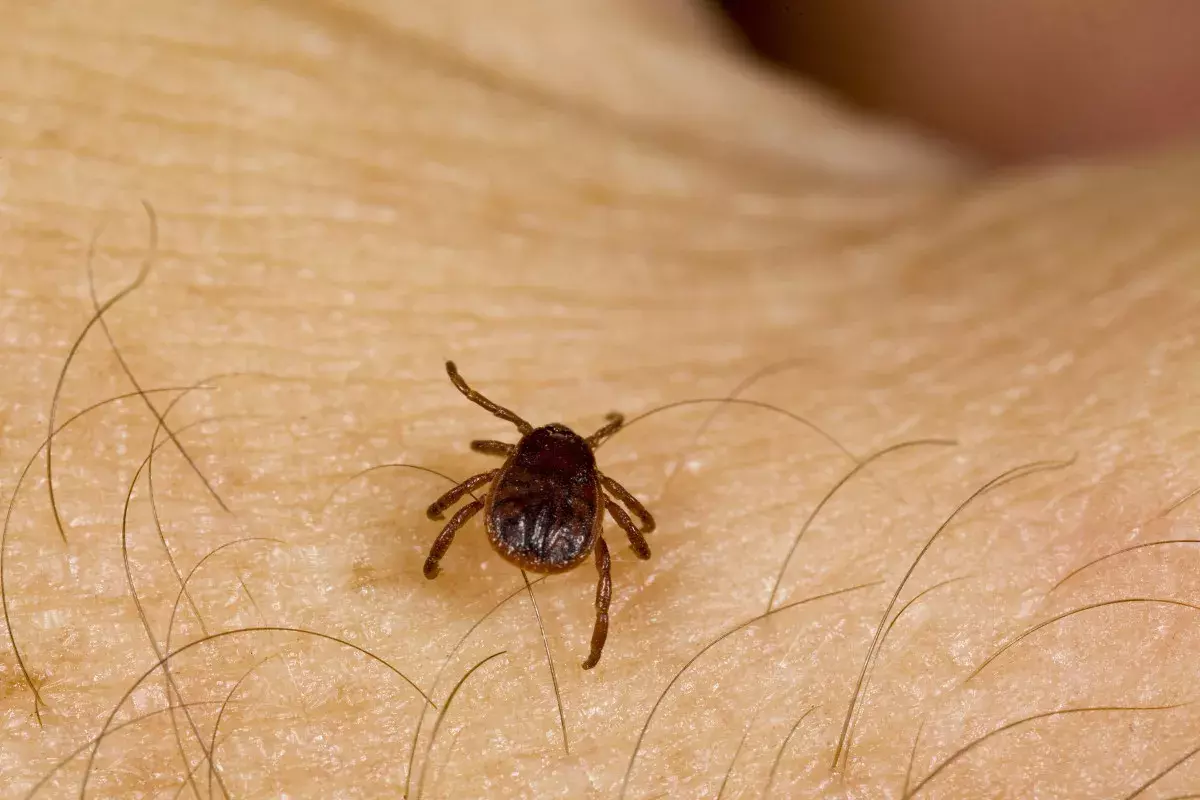
Lyme disease is a big health problem in the U.S. It’s caused by Borrelia burgdorferi. In 2023, over 89,000 cases were reported by the CDC. Early treatment with antibiotics can help a lot. Doxycycline is often used for this.
For early Lyme disease, doctors usually prescribe doxycycline 100 mg twice a day. This is for 7 to 14 days for adults. Knowing the right dose and how long to take it is key for getting better and avoiding serious problems.
Key Takeaways
- Doxycycline is a commonly prescribed antibiotic for treating Lyme disease.
- The recommended dosage for adults is 100 mg twice daily.
- Treatment duration typically ranges from 7 to 14 days.
- Early diagnosis and treatment are critical for effective recovery.
- Lyme disease is a significant public health concern in the United States.
Understanding Lyme Disease and Doxycycline Treatment

Doxycycline is often used to treat Lyme disease. This disease comes from a tick bite carrying Borrelia burgdorferi. We’ll look into Lyme disease, its signs, and how doxycycline fights the bacteria.
What is Lyme Disease and Its Symptoms
Lyme disease has three stages: early localized, early disseminated, and late. The erythema migrans (EM) rash is seen in 60% to 80% of early cases. Experts say, “The EM rash is a key sign of Lyme disease, but not seeing it doesn’t mean you don’t have it.” Learn more about Lyme disease treatment from trusted medical sites.
Symptoms can differ from person to person, making diagnosis tricky. Common signs include fever, headache, and tiredness, along with the EM rash.
How Doxycycline Works Against Borrelia burgdorferi
Doxycycline stops Borrelia burgdorferi by blocking protein making. This slows down the bacteria’s growth, not killing them right away.
| Mechanism of Action | Effect on Bacteria |
| Inhibits protein synthesis | Bacteriostatic effect on Borrelia burgdorferi |
When Treatment Should Begin After Exposure
Starting doxycycline treatment depends on several factors. These include the disease stage and the patient’s health. Early treatment helps stop the disease from getting worse.
The right doxycycline dose and length of treatment vary by disease stage. For example, early disease might need a standard dose, while severe cases might require more.
Recommended Doxycycline Dose for Lyme Disease
Knowing the right doxycycline dose is key to treating Lyme disease well. The dose depends on the disease stage, the patient’s age, and other factors.
Standard Adult Dosage for Early-Stage Lyme
For early Lyme disease, the recommended dosage is doxycycline 100 mg twice daily for 7 to 14 days. This is based on guidelines from the Infectious Diseases Society of America (IDSA) and other medical groups. The National Institutes of Health says this dose works well for early Lyme disease.
Single-Dose Prophylaxis for High-Risk Tick Bites
For high-risk tick bites within 72 hours, a single dose of 200 mg doxycycline is recommended for adults. This can stop Lyme disease from developing. It’s important to follow these guidelines closely for the best results.
Higher Dosage Regimens for Persistent Cases
For those with ongoing symptoms or severe Lyme disease, higher dosage regimens may be considered. Always talk to a healthcare professional before changing your treatment. The decision to increase the dose should be based on your specific needs and medical history.
How to Properly Take Doxycycline
To get the most out of doxycycline, it’s important to take it correctly. Here are some tips:
- Take doxycycline with a full glass of water to reduce the risk of esophageal irritation.
- Doxycycline can be taken with or without food, but taking it with food may help reduce gastrointestinal side effects.
- It’s important to finish the full treatment as your healthcare provider prescribes.
By following the recommended doxycycline dosage and administration guidelines, patients can get the most out of their treatment. This helps reduce side effects too.
Conclusion: Alternative Treatments and When to Consult a Specialist
Doxycycline is the top choice for treating Lyme disease. But, in some cases, other antibiotics might be better. This could be because of pregnancy or if doxycycline can’t be used.
Doctors might choose amoxicillin, cefuroxime, or azithromycin. These are picked based on the patient’s needs and guidelines. Sometimes, cefdinir is used too. Hydroxychloroquine is also being looked at for Lyme treatment, but its success is not yet confirmed.
Doxycycline hyclate is a common treatment because it works well and is safe. Knowing the right dose of doxycycline is key for treating Lyme disease.
It’s best to talk to a specialist for treatment advice. They can look at your situation and suggest the best treatment. This way, you get care that fits your needs, including the right doxycycline dosage.
FAQ
What is the recommended dosage of doxycycline for treating Lyme disease?
Is a single dose of doxycycline effective for preventing Lyme disease after a tick bite?
How does doxycycline work against Borrelia burgdorferi, the bacterium that causes Lyme disease?
What are the alternative treatments for Lyme disease if doxycycline is contraindicated?
How should doxycycline be taken to ensure maximum efficacy?
Can doxycycline be used for treating Lyme disease in children?
What is the treatment duration for Lyme disease with doxycycline?
Are there any specific considerations for taking doxycycline for Lyme disease?
Can rifampin be used in conjunction with doxycycline for treating Lyme disease?
What is the dosage of doxycycline hyclate for Lyme disease?
References
National Center for Biotechnology Information. Evidence-Based Medical Insight. Retrieved from https://www.ncbi.nlm.nih.gov/pmc/articles/PMC2732872/



 Departments
 Related Videos
 Our Doctors
 News
News