
Feeling unwell? Knowing what’s causing your symptoms is key to getting the right treatment. At Liv Hospital, we stress the need to tell apart bacterial and viral infections. This difference greatly affects your treatment’s success.
Bacterial infections come from single-celled organisms. Viral infections, on the other hand, are caused by viruses that need a host cell to grow. Both can make you feel sick, with symptoms like fever, cough, and sore throat. But, how you treat them is different.
Getting a correct diagnosis is vital. It tells us if antibiotics will help or not. At Liv Hospital, we follow the latest academic guidelines. This ensures you get the right treatment for your condition.
Key Takeaways
- Distinguishing between bacterial and viral infections is key for the right treatment.
- Bacterial infections are from bacteria, while viral infections are from viruses.
- Symptoms like fever, cough, and sore throat can be signs of both types of infections.
- Accurate diagnosis is essential for choosing the right treatment.
- Antibiotics work against bacterial infections but not viral ones.
Understanding Bacterial and Viral Infections
The human body can get sick from many things, but knowing if it’s a bacterial or viral infection is key. These infections come from different causes. Knowing the difference helps us treat them right.
Causes of Bacterial Infections
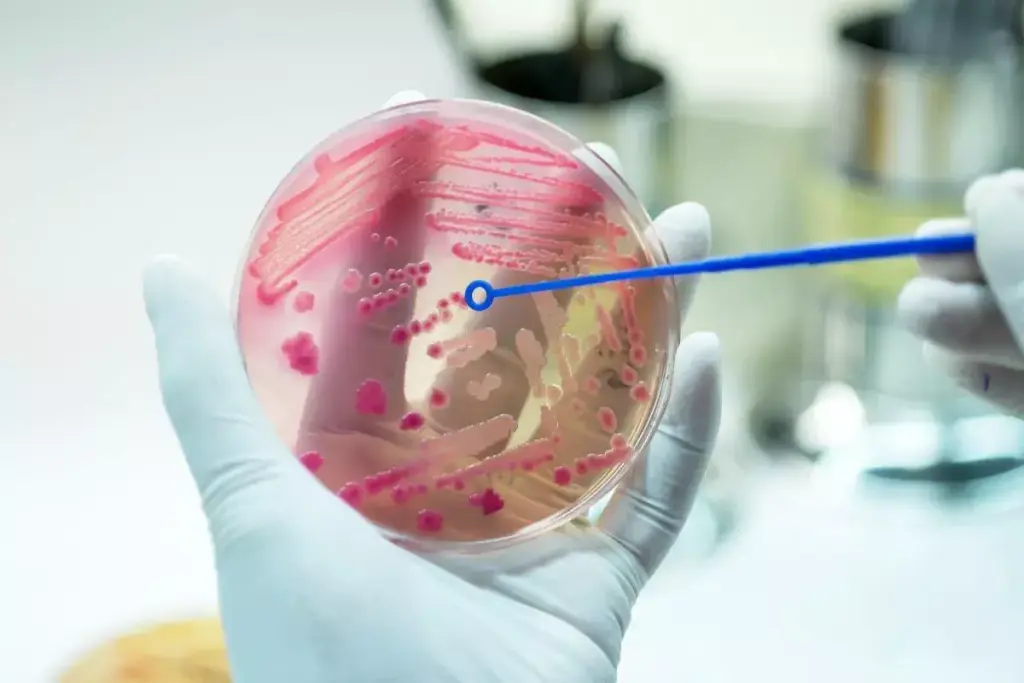
Bacterial infections happen when bad bacteria get into our body and start to multiply. They can get in through contaminated food or water, in the air, or through cuts in our skin. For example, Streptococcus bacteria can cause strep throat, while Escherichia coli (E. coli) can cause urinary tract infections.
We can stop some bacterial infections by keeping clean. Washing our hands often, before eating or after using the bathroom, helps a lot. Knowing how these infections spread helps us stay safe.
| Cause | Examples of Infections | Common Entry Points |
| Harmful Bacteria | Strep Throat, Urinary Tract Infections | Contaminated Food/Water, Airborne Droplets, Skin Injuries |
| Specific Bacteria | Tuberculosis (TB), Pneumonia | Inhalation, Direct Contact |
Causes of Viral Infections
Viral infections come from viruses, which are not living cells but genetic material in a protein coat. They need a host cell to grow and can cause many diseases, from the common cold to serious illnesses like COVID-19. Viruses can get into our body through the air, touching contaminated surfaces, or through insects.
The flu virus spreads mainly through the air when someone who’s sick coughs or sneezes. Knowing how viral infections start helps us take steps to prevent them, like getting vaccinated.
Understanding the difference between bacterial and viral infections is important. Both can be serious, but they need different treatments. Knowing the cause helps us care for them better.
Viral vs Bacterial: Key Differences in Symptoms

It’s important to know the difference between viral and bacterial infections. This helps doctors diagnose and treat them correctly. Both can cause similar symptoms, but they show up and get worse in different ways.
Common Symptoms of Both Infections
Both viral and bacterial infections can make you feel sick in similar ways. You might have fever, cough, sore throat, and feel really tired. For example, both types of pneumonia can make you cough and have a fever.
Differences in Symptom Onset
The way symptoms start is different for viral and bacterial infections. Viral infections usually start slowly and get worse over a few days before getting better. On the other hand, bacterial infections can start quickly and be very severe, sometimes getting worse fast.
Differences in Symptom Duration
How long symptoms last also varies. Viral infections usually go away in 5-10 days, but some, like the common cold, can stick around longer. Bacterial infections can last longer or get worse if not treated with antibiotics. How long they last depends on the bacteria and how well the treatment works.
| Symptom Characteristic | Viral Infections | Bacterial Infections |
| Onset of Symptoms | Gradual, over several days | Abrupt, sometimes within hours |
| Duration of Symptoms | Typically 5-10 days | Variable, can persist without treatment |
| Response to Treatment | No response to antibiotics | Responsive to antibiotics |
How to Identify Your Infection Type
Telling if an infection is from a virus or bacteria can be hard without a doctor’s help. We’ll look at signs that might show if an infection is viral or bacterial. We’ll also talk about when you need lab tests.
When to Suspect a Viral Infection
Viral infections often start slowly. Symptoms like fever, tiredness, and body pain are common. You might also have cold-like symptoms like a runny nose or sore throat. If your symptoms are all over your body, it could be a viral infection.
When to Suspect a Bacterial Infection
Bacterial infections usually have symptoms in one area. For example, a sore throat with white patches or a wound that’s red, swollen, and has pus. If your symptoms come on fast and are very bad, it might be bacterial.
Secondary Bacterial Infections Following Viral Illness
After a viral infection, you might get a bacterial infection. For instance, a cold can turn into bacterial sinusitis. If your symptoms get worse or you start coughing more, it could be a sign of a secondary bacterial infection.
Laboratory Tests and Medical Diagnosis
Lab tests are key in figuring out what’s causing an infection. Tests like cultures, PCR, and serology can tell if it’s viral or bacterial. A doctor will do a physical check, ask about your health history, and order tests to find the right treatment.
| Test Type | Description | Use in Diagnosing Infections |
| Cultures | Growing the pathogen in a controlled environment | Identifies bacterial infections, and some viral infections |
| PCR (Polymerase Chain Reaction) | Amplifying DNA sequences of pathogens | Detects both viral and bacterial DNA, useful for identifying specific infections |
| Serology | Measuring antibodies against pathogens in the blood | Helps diagnose infections by detecting immune response, useful for viral infections |
Conclusion: Seeking Proper Treatment
It’s key to know the difference between bacterial and viral infections to choose the right treatment. Bacterial infections need antibiotics, while viral ones might be treated with antiviral meds or just care to ease symptoms.
Viral infections can sometimes cause bacterial infections, so getting checked by a doctor is important. Knowing the symptoms of each helps find the right treatment.
Getting the right treatment for infections is critical to avoid serious problems and get better fast. We must figure out if an infection is bacterial or viral to treat it correctly. Sometimes, viruses can turn into bacterial infections.
FAQ:
What is the main difference between bacterial and viral infections?
Bacterial infections come from single-celled organisms. Viral infections, on the other hand, are caused by viruses that need a host cell to grow. Knowing this helps in choosing the right treatment.
How can I tell if my infection is bacterial or viral?
Both infections can have similar symptoms like fever and cough. But, there are key differences. Viral infections usually get worse over a few days before getting better. Bacterial infections can get worse quickly and severely.
What are the common symptoms of bacterial and viral infections?
Both can cause fever, cough, and tiredness. But, bacterial infections often cause pain in one area. Viral infections can cause pain all over the body.
Can a viral infection turn into a bacterial infection?
Yes, a viral infection can lead to a bacterial infection. This happens when the viral infection weakens the immune system. Then, bacteria can more easily infect the body.
How are bacterial and viral infections diagnosed?
Lab tests, like cultures and PCR, are key in finding out what infection you have. They help doctors choose the right treatment.
What is the typical duration of symptoms for viral and bacterial infections?
Viral infections usually last 5-10 days. Bacterial infections can last longer or get worse if not treated right.
Can I treat a bacterial or viral infection at home?
Some symptoms can be managed at home. But, it’s important to see a doctor to get the right treatment. Bacterial infections need antibiotics, while viral infections might need antiviral meds or just help to feel better.
How can I prevent secondary bacterial infections following a viral illness?
Good hygiene, rest, and seeing a doctor if symptoms get worse can help prevent secondary infections.
Are there any differences in the treatment approach for bacterial and viral infections?
Yes, bacterial infections need antibiotics. Viral infections might need antiviral meds or just help to feel better.
References:
Distinction between bacterial and viral infections. Current Opinion in Infectious Diseases, 20(3), 304–310. https://doi.org/10.1097/QCO.0b013e3280964db4