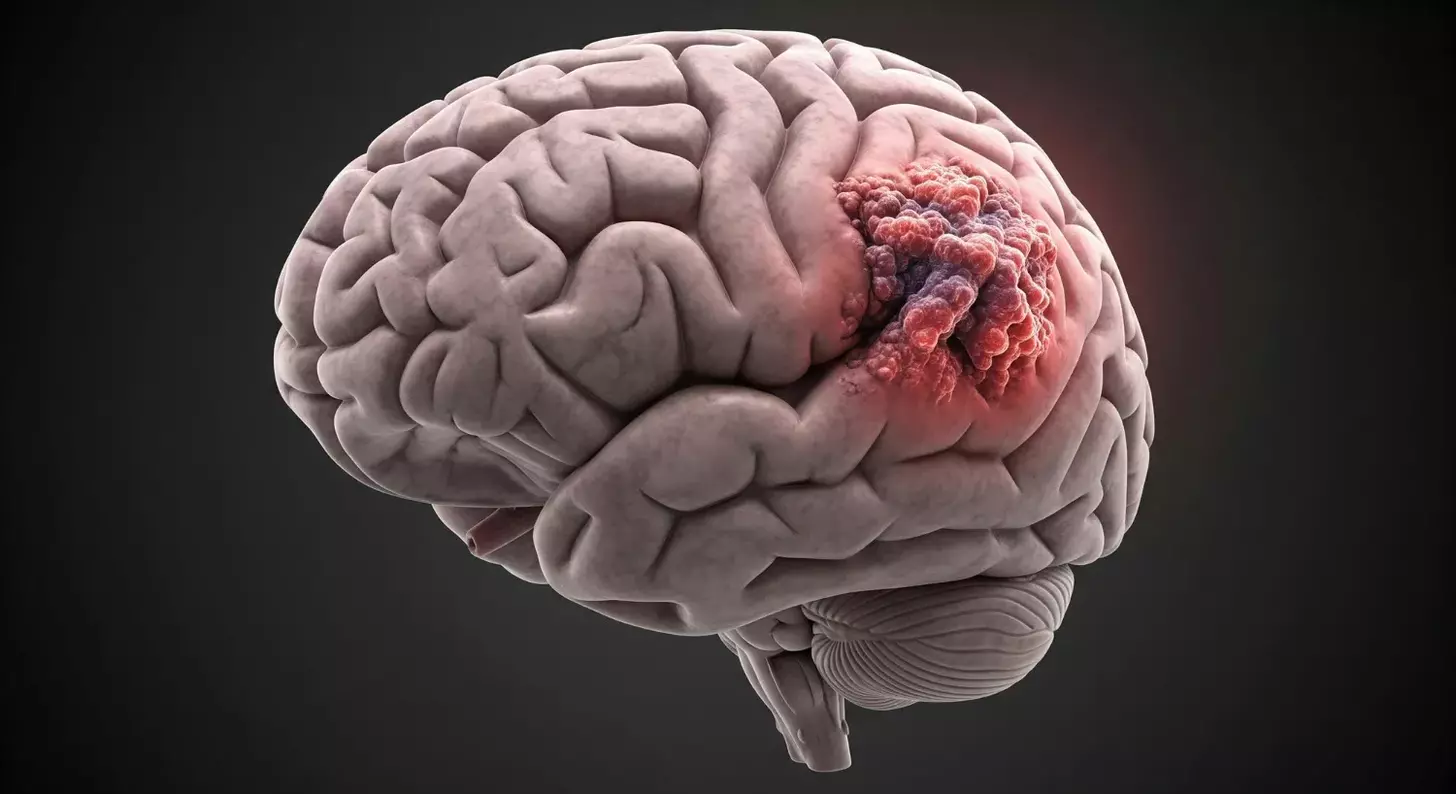
Brain cancer is rare but can happen to anyone. At Liv Hospital, we use international expertise to help you know what to look out for. We focus on your needs first.
Spotting brain cancer early is hard because symptoms like headaches and small changes are easy to miss. It’s key to watch for signs like headaches that won’t go away, vision changes, seizures, and trouble thinking. Also, look out for changes in your personality and unexplained nausea.
Getting help early is vital for good treatment. We offer top-notch care and support for patients from abroad. Knowing the early warning signs of brain cancer helps you get help fast. This can greatly improve your treatment chances.
Key Takeaways
- Recognizing early signs of brain cancer is key for good treatment.
- Brain cancer can affect people of any age or gender.
- Common symptoms include persistent or worsening headaches and vision changes.
- Seizures, cognitive difficulties, and personality changes are also warning signs.
- Unexplained nausea is another symptom of brain cancer.
Understanding Brain Cancer: Prevalence and Risk Factors
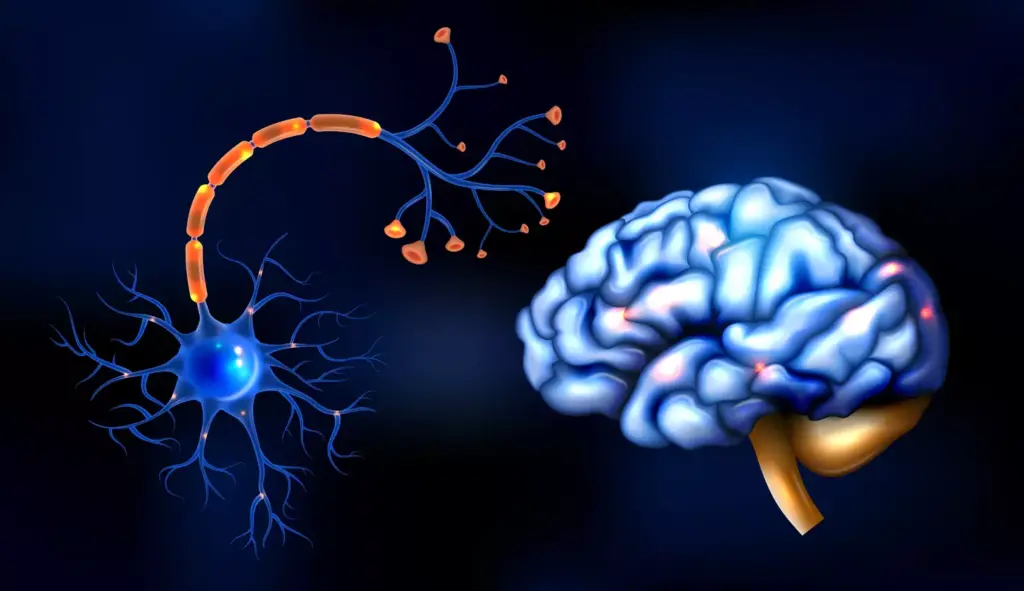
Brain cancer can affect anyone, making it important to know its risk factors and how common it is. We will look at how brain cancer affects different groups and the common types of brain tumors.
Who Can Be Affected by Brain Cancer?
Brain cancer is not just for certain ages or genders. It can hit children, adults, and the elderly, and it doesn’t care if you’re a man or a woman. Research shows that some genetic syndromes and family history can up your risk.
Key risk factors include:
- Age: The risk goes up with age, with most cases in adults over 40.
- Genetic predisposition: Some genetic conditions can raise your risk.
- Exposure to radiation: Past radiation therapy or exposure to ionizing radiation.
Common Types of Brain Tumors
Brain tumors can be either benign or malignant. The most common types are:
- Gliomas: Tumors that start from the brain’s glial cells.
- Meningiomas: Usually benign tumors in the meninges.
- Medulloblastomas: Malignant tumors in the cerebellum, more common in kids.
Knowing these types is key for diagnosis and treatment plans. Each type has its own traits and outcomes, shaping how doctors care for patients.
The Significance of Early Detection
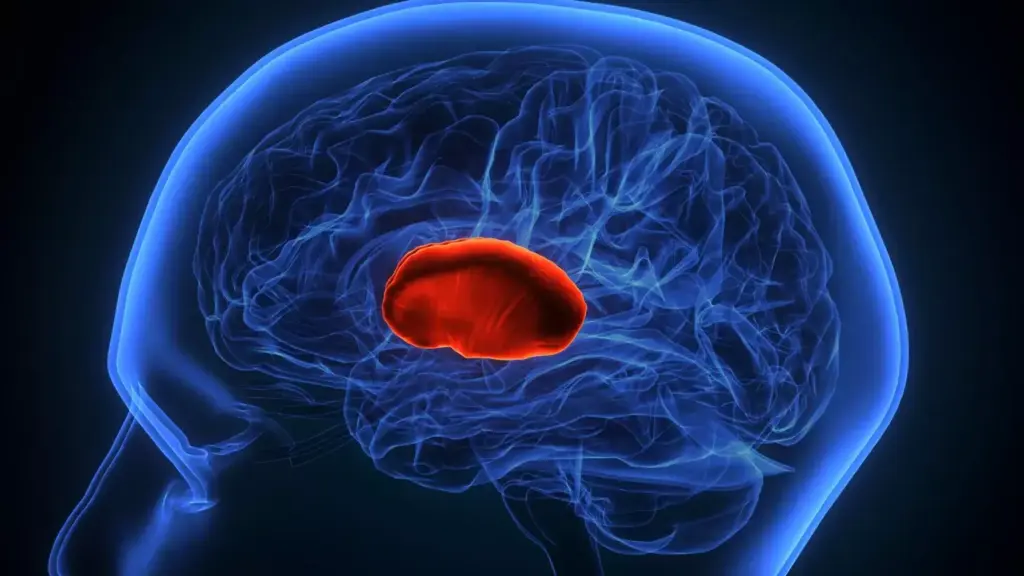
Early detection of brain cancer is key for effective treatment and better patient outcomes. When caught early, treatment options are more effective, and survival chances improve. Recognizing symptoms early is vital for timely medical help.
Why Recognizing Symptoms Matters
Spotting brain cancer symptoms is the first step to early detection. Symptoms vary based on the tumor’s location, size, and type. Common signs include headaches, seizures, and changes in thinking.
Early recognition of symptoms leads to timely diagnosis and treatment. This greatly affects patient outcomes. It’s important to notice body changes and not ignore warning signs.
Challenges in Diagnosing Brain Cancer
Diagnosing brain cancer early is tough. Symptoms can be vague and similar to other conditions. Some tumors may not show symptoms until they grow a lot.
Imaging tests like MRI and CT scans help diagnose brain cancer. But, even with these tools, early and accurate diagnosis is hard. We need a mix of clinical evaluation, patient history, and tests for a correct diagnosis.
How to Tell If You Have Brain Cancer: Key Warning Signs
It’s important to know the warning signs of brain cancer early. Symptoms can vary based on the tumor’s location and type. We’ll cover the main symptoms and when to see a doctor.
Primary Symptoms to Watch For
There are key symptoms that might mean you have a brain tumor. These include:
- Persistent or worsening headaches that are often dull and aching, and may be worse in the morning.
- Changes in vision, such as blurred vision, double vision, or loss of peripheral vision.
- Seizures, which are unusual for people without a history of seizures.
- Cognitive difficulties, including memory problems, confusion, and trouble concentrating.
- Personality changes, such as mood swings, irritability, and altered behavior.
- Unexplained nausea and vomiting, which can occur without an apparent cause.
When to Consult a Doctor
If you or someone you know is showing these symptoms, see a doctor. These symptoms can have many causes, but if they last or get worse, get checked. Finding brain cancer early can greatly improve treatment chances.
Don’t ignore persistent or severe symptoms. If you’re experiencing any of these symptoms, make an appointment with your healthcare provider. They will check you out and suggest tests to find out what’s causing your symptoms.
Brain Cancer Headaches: What Makes Them Different
Brain cancer headaches are unique. They often come with a brain tumor, causing pain due to increased pressure inside the skull.
Characteristics of a “Cancer Headache”
A ‘cancer headache’ is constant and feels like tension or a migraine. It gets worse with coughing or moving. Doctors say these headaches are always there, get worse over time, and come with other brain symptoms.
These headaches are different because they don’t go away and get worse with certain actions.
Morning Headaches and Their Significance
Morning headaches are a big deal with brain cancer. They get worse when you wake up because of increased pressure. This is because of fluid buildup in the skull, pressing on the brain.
“Morning headaches that get worse need to be seen by a doctor right away,” as they might mean something serious like brain cancer.
How Coughing or Movement Affects Brain Tumor Headaches
Coughing, sneezing, or sudden movements make brain tumor headaches worse. This is because they increase pressure inside the skull, stressing the brain and tumor. The pain gets worse because of irritation to the brain’s protective membranes.
It’s important to know that not all headaches that get worse with movement are from brain cancer. But, if they come with other brain symptoms, you should see a doctor.
Distinguishing from Migraines and Tension Headaches
It’s hard to tell brain cancer headaches from migraines and tension headaches because they share symptoms. But, brain cancer headaches usually last longer and come with other brain problems.
Doctors say, “A headache that changes, has brain symptoms, or comes with other symptoms like nausea or vomiting, needs to be checked out.”
Vision Changes as Warning Signs
Changes in vision can be early signs of brain cancer. These changes can signal that a tumor is affecting the brain’s visual centers.
Types of Visual Disturbances
Visual disturbances from brain tumors can vary. Some see blurred vision, while others see double images. Some might lose peripheral vision or see flashing lights.
These changes happen because tumors can press on the optic nerves or brain areas for vision. The type and how bad the vision change is depends on the tumor’s location and size.
Blurred Vision as an Early Indicator
Blurred vision is a common early sign of a brain tumor. It occurs when a tumor affects the brain’s visual processing or presses on the optic nerve. If your vision is getting blurrier, see a doctor.
Other visual symptoms include:
- Double vision
- Loss of peripheral vision
- Seeing flashing lights or floaters
- Difficulty seeing colors or changes in color vision
How Vision Problems Relate to Tumor Location
The location of a brain tumor affects vision problems. Tumors near the optic nerve or optic chiasm can cause specific vision loss. Tumors in other areas might cause more general vision issues.
Knowing how tumor location affects vision can help doctors diagnose and treat better. If you notice unusual vision changes, get medical help to find the cause and treatment.
Neurological Symptoms: Seizures and Cognitive Changes
Seizures and cognitive issues are common in brain cancer patients. These symptoms can greatly affect daily life and well-being. We’ll look at symptoms like seizures, memory and thinking problems, and changes in personality or behavior.
Understanding Seizures in Brain Cancer
Seizures are a common symptom in brain cancer patients. They happen when the brain’s electrical activity is abnormal. This can be due to the tumor or the brain’s reaction to it. Seizures can range from mild to severe.
Types of seizures associated with brain cancer include:
- Focal seizures, which affect only one part of the brain
- Generalized seizures, which affect the entire brain
- Complex partial seizures, which can cause confusion and altered consciousness
Memory and Thinking Problems
Cognitive changes, like memory loss and trouble concentrating, are common in brain cancer patients. These symptoms can depend on the tumor’s location, size, or treatment. Cognitive issues can vary from mild to severe, affecting daily tasks.
Some common cognitive changes include:
- Memory loss, such as forgetting recent events or conversations
- Difficulty concentrating or paying attention
- Problems with language, such as finding the right words
Personality and Behavioral Changes
Brain cancer can also cause changes in personality and behavior. These changes can be due to the tumor’s effect on the brain or the reaction to diagnosis and treatment. These changes can be distressing for both the individual and their loved ones.
Examples of personality and behavioral changes include:
- Increased irritability or mood swings
- Apathy or lack of interest in activities
- Changes in social behavior, such as becoming more withdrawn
It’s important to note that these symptoms can be signs of brain cancer, not just aging or other conditions. If you or someone you know is experiencing these symptoms, seek medical attention for evaluation and diagnosis.
Physical Symptoms Beyond Headaches
It’s important to know all the physical symptoms of brain cancer early. Headaches are a big sign, but there are others too. These symptoms can affect many parts of a person’s health.
Nausea and Vomiting Without Apparent Cause
Nausea and vomiting can mean many things, but without a clear reason, they worry us. In brain cancer, they might happen because of pressure in the brain or the tumor’s effect on nausea control. We should think about these signs along with others that might point to brain cancer.
Balance and Coordination Issues
Problems with balance and coordination can hint at brain cancer, mainly if the tumor hits the cerebellum. People might find it hard to walk, stay balanced, or do small tasks. These issues can really affect daily life and need a doctor’s check-up.
Speech and Language Difficulties
Brain cancer can also mess with how we speak and understand language. Tumors near language areas can cause trouble with speaking, listening, reading, or writing. These signs are clear warnings to see a doctor.
The table below lists physical symptoms beyond headaches linked to brain cancer:
| Symptom | Description | Possible Cause |
|---|---|---|
| Nausea and Vomiting | Feeling sick to the stomach or vomiting without an apparent reason | Increased intracranial pressure or tumor impact on nausea control centers |
| Balance and Coordination Issues | Difficulty walking, maintaining balance, or performing fine motor tasks | Tumor affecting the cerebellum or motor control areas |
| Speech and Language Difficulties | Problems with speaking, understanding speech, reading, or writing | Tumor located in or near language processing areas |
Can You Physically Feel a Brain Tumor?
Many people wonder if they can feel a brain tumor. The connection between physical feelings and brain tumors is complex. It’s important to know the facts to ease worries.
Misconceptions About Feeling Tumors on the Head
Some think you can feel a brain tumor on your head like a lump. But, brain tumors are different because they are inside the skull.
Brain tumors are not typically palpable; you can’t feel them like a skin lump or swollen lymph node. This is because they grow inside the brain, enclosed in the skull.
Localized Pain and Swelling
Even though you can’t feel a brain tumor, it can cause localized pain or swelling. This happens due to increased pressure or swelling of the brain tissue around it.
A tumor can lead to symptoms like headaches, nausea, and pain. But, these aren’t the same as feeling the tumor itself.
When Physical Symptoms Might Be Noticeable
When a brain tumor grows, it can press on brain structures or shift brain tissue. Symptoms depend on the tumor’s size, location, and how fast it grows.
| Symptom | Description | Possible Tumor Location |
|---|---|---|
| Headaches | Persistent and severe headaches, often worse in the morning | Various, depending on tumor location |
| Nausea and Vomiting | Nausea and vomiting without an apparent cause, often accompanying headaches | Typically associated with increased intracranial pressure |
| Localized Pain or Discomfort | Pain or discomfort related to the tumor’s location | Depends on the specific area of the brain affected |
It’s key to understand how physical sensations relate to brain tumors for early detection and treatment. While you can’t feel a brain tumor, knowing the symptoms can lead to seeking medical help.
Do Brain Cancer Symptoms Come and Go?
Brain tumor symptoms often change, which can make finding the right diagnosis hard. This is because symptoms may not always be there.
The Pattern of Intermittent Symptoms
Symptoms of brain cancer can appear and disappear. This is more common when the disease is first starting. It’s important for both patients and doctors to understand this pattern to decide on more tests.
There are many reasons why symptoms might not always be there. The size and growth of the tumor play a big role. Also, where the tumor is in the brain matters.
Why Symptoms May Fluctuate in Early Stages
In the early days of brain cancer, symptoms can change a lot. This is because of changes in pressure inside the skull and how the body tries to adjust. It’s key for patients to keep track of their symptoms and tell their doctor about any changes.
Changing symptoms can sometimes be mistaken for other, less serious problems. So, if symptoms keep coming back or get worse, it’s important to see a doctor.
Progression of Symptoms Over Time
Even though symptoms might change early on, they usually get worse as the tumor grows. The way symptoms get worse can differ from person to person. It depends on the type of tumor, where it is, and the person’s health.
As brain cancer gets worse, symptoms tend to stay and get more serious. It’s important to notice how symptoms change. This helps doctors adjust treatment and provide the right care.
Brain Tumor Symptoms Specific to Women
It’s important to know how brain tumors show up in women early. While brain tumor symptoms can happen to anyone, women might see them differently. This is because of how hormones can change symptoms.
How Symptoms May Present Differently
Women with brain tumors might have symptoms similar to men. But, sometimes symptoms can show up differently. Hormonal changes can make some symptoms worse or more frequent.
Hormonal influences are key in how symptoms appear in women. For example, headaches or vision problems can get worse with hormonal shifts. This might lead to misdiagnosis if not looked at carefully.
| Symptom | Possible Hormonal Influence | Potential for Misdiagnosis |
|---|---|---|
| Headaches | Exacerbated by menstrual cycle or menopause | High – may be attributed to hormonal headaches or migraines |
| Vision Changes | Fluctuations in vision can be affected by hormonal changes | Moderate – could be mistaken for other conditions |
| Seizures | Less directly influenced by hormones, but can be affected by overall brain activity | Low – generally recognized as a serious neurological symptom |
Hormonal Influences and Misdiagnosis Risks
Hormones and brain tumor symptoms can make misdiagnosis more likely. For example, headaches that change with hormones might be seen as menstrual migraines. This could hide the fact that they might be from a brain tumor.
Distinguishing from Hormone-Related Headaches
Telling hormone headaches from brain tumor headaches is key. Hormone headaches can be bad, but brain tumor headaches have their own signs. They might get worse in the morning or change with how you sit.
If you have headaches that don’t go away or are very bad, see a doctor. They can check if it’s something serious like a brain tumor.
First-Hand Experiences: “How I Knew I Had a Brain Tumor”
Many people’s journey to finding out they have a brain tumor starts with small symptoms. These symptoms are often missed at first. Brain tumor survivors share their stories, helping us understand the early signs that led them to see a doctor.
Common First Symptoms Reported by Survivors
Survivors talk about a variety of first symptoms. Headaches are a common one, but they can be tricky. They might feel like regular headaches or migraines.
Other early signs include seizures, memory problems, and speech or language issues. These symptoms can be scary and make people go see a doctor.
Subtle Signs That Were Initially Overlooked
Many survivors look back and see signs they missed at first. For example, small vision changes like blurred vision or double vision can be early signs of a brain tumor.
Some people also remember feeling a bit off mentally. They might have had trouble focusing or remembering things. At first, they thought it was just stress or being tired.
Brain Tumor Survivor Stories and Insights
Survivors’ stories give us a deep look into what it’s like to live with a brain tumor. Their experiences show how important it is to catch problems early.
“I had been experiencing headaches for months, but it wasn’t until I had a seizure that I realized something was seriously wrong. Looking back, there were subtle signs, like occasional blurred vision, that I had dismissed.”
These stories show how tricky it can be to figure out if you have a brain tumor. They remind us to pay attention to our health. By sharing their experiences, survivors hope to help others and encourage them to get checked if they notice anything off.
Diagnosing Brain Cancer: Tests and Procedures
Diagnosing brain cancer is tough because symptoms can look like other health issues. It needs imaging tests and neurological exams to get it right.
Imaging Tests for Brain Cancer
Imaging tests are key for finding brain cancer. Here are some:
- MRI (Magnetic Resonance Imaging): Shows detailed brain images, spotting tumors and where they are.
- CT (Computed Tomography) Scan: Uses X-rays to make brain images, great for urgent cases.
- PET (Positron Emission Tomography) Scan: Shows how active the tumor is, helping to see how aggressive it is.
Neurological Examination
A neurological exam checks how well the brain and nervous system work. It looks at:
- Cognitive Function: Tests memory, focus, and other brain skills.
- Motor Function: Checks muscle strength, tone, and reflexes.
- Sensory Function: Sees how well you feel pain, temperature, and vibrations.
This exam finds any brain or nerve problems linked to the tumor.
Biopsy and Other Diagnostic Tests
At times, a biopsy is needed to confirm the cancer. It removes a tumor sample for lab tests. Other tests might include:
- Lumbar Puncture (LP): Looks for cancer cells in the spinal fluid.
- Genetic Testing: Finds specific genetic changes in the tumor.
These tests help doctors make a correct diagnosis and choose the right treatment.
Conclusion: When to Seek Medical Attention
Recognizing the warning signs of brain cancer is key for early detection and treatment. If you’re experiencing persistent or severe symptoms, it’s important to see a doctor.
We’ve talked about the symptoms of brain cancer, like headaches and vision changes. These can also be signs of other conditions. But, it’s always best to check with a doctor if you’re worried about your health.
Being aware of brain cancer is important for early detection and better treatment. By knowing the risk factors and symptoms, we can help those affected by brain cancer. This way, we can improve their lives.
If your symptoms are getting worse or don’t go away, see a healthcare professional. We urge you to take care of your health and seek medical help if you’re concerned.
FAQ
What does a cancer headache feel like?
A brain tumor headache can feel like a dull, pressure-like sensation. It can also be a sharp pain. It’s often worse in the morning and may be accompanied by nausea and vomiting.
Can brain tumor symptoms come and go?
Yes, brain tumor symptoms can be intermittent. They may be more noticeable in the early stages. As the tumor grows, symptoms can change over time.
How do I know if I have a brain tumor?
If you have persistent or severe headaches, vision changes, seizures, or cognitive changes, see a doctor. They can evaluate and diagnose you properly.
What are the common symptoms of brain cancer?
Common symptoms include headaches, vision changes, seizures, and cognitive changes. Personality changes, nausea, balance issues, and speech difficulties are also common.
Can you feel a brain tumor on your head?
In some cases, a brain tumor can cause localized pain or swelling. But it’s not always possible to feel a tumor on the head.
How do brain tumor symptoms present in women?
Brain tumor symptoms in women can be similar to those in men. Hormonal influences may lead to misdiagnosis. It’s essential to distinguish these symptoms from hormone-related headaches.
What are the first signs of brain cancer?
Early warning signs may include headaches, vision changes, seizures, or cognitive changes. If you’re experiencing these symptoms, consult a doctor.
How is brain cancer diagnosed?
Brain cancer is diagnosed through imaging tests, neurological examinations, and biopsies. A combination of these methods is used for diagnosis.
Do brain cancer symptoms come and go?
Yes, brain cancer symptoms can be intermittent. They may worsen over time as the tumor grows.
What does a brain tumor headache feel like?
A brain tumor headache can feel like a dull, pressure-like sensation. It can also be a sharp pain. It’s often worse in the morning and may be accompanied by nausea and vomiting.
Can brain tumor pain come and go?
Yes, brain tumor pain can be intermittent. Its severity may vary over time.
How can I distinguish brain tumor symptoms from other conditions?
Consult a doctor for a proper evaluation and diagnosis. Brain tumor symptoms can be similar to those of other conditions.
FAQ
What does a cancer headache feel like?
A brain tumor headache can feel like a dull, pressure-like sensation. It can also be a sharp pain. It’s often worse in the morning and may be accompanied by nausea and vomiting.
Can brain tumor symptoms come and go?
Yes, brain tumor symptoms can be intermittent. They may be more noticeable in the early stages. As the tumor grows, symptoms can change over time.
How do I know if I have a brain tumor?
If you have persistent or severe headaches, vision changes, seizures, or cognitive changes, see a doctor. They can evaluate and diagnose you properly.
What are the common symptoms of brain cancer?
Common symptoms include headaches, vision changes, seizures, and cognitive changes. Personality changes, nausea, balance issues, and speech difficulties are also common.
Can you feel a brain tumor on your head?
In some cases, a brain tumor can cause localized pain or swelling. But it’s not always possible to feel a tumor on the head.
How do brain tumor symptoms present in women?
Brain tumor symptoms in women can be similar to those in men. Hormonal influences may lead to misdiagnosis. It’s essential to distinguish these symptoms from hormone-related headaches.
What are the first signs of brain cancer?
Early warning signs may include headaches, vision changes, seizures, or cognitive changes. If you’re experiencing these symptoms, consult a doctor.
How is brain cancer diagnosed?
Brain cancer is diagnosed through imaging tests, neurological examinations, and biopsies. A combination of these methods is used for diagnosis.
Do brain cancer symptoms come and go?
Yes, brain cancer symptoms can be intermittent. They may worsen over time as the tumor grows.
What does a brain tumor headache feel like?
A brain tumor headache can feel like a dull, pressure-like sensation. It can also be a sharp pain. It’s often worse in the morning and may be accompanied by nausea and vomiting.
Can brain tumor pain come and go?
Yes, brain tumor pain can be intermittent. Its severity may vary over time.
How can I distinguish brain tumor symptoms from other conditions?
Consult a doctor for a proper evaluation and diagnosis. Brain tumor symptoms can be similar to those of other conditions.