

Type 1 diabetes is a common chronic disease in kids. It affects their lives and their families a lot. Early diagnosis is key because the age of diagnosis has dropped from 9.5 years to 7.1 years in 50 years. This shows we need to spread the word more to parents and caregivers.
This disease happens when the body’s immune system attacks the insulin-making cells in the pancreas. This leads to a lack of insulin. Insulin is important for moving glucose from the blood into cells for energy. Spotting the signs early is vital for quick testing and managing the disease well.
At Liv Hospital, we focus on caring for our patients. We offer detailed testing and treatments based on science. We make sure your child gets the best care. Knowing how to catch Type 1 diabetes early is important for managing it well.
Key Takeaways
- Type 1 diabetes is a common chronic disease in children, needing early diagnosis and management.
- The mean age at diagnosis has decreased, highlighting the need for more awareness.
- Spotting early signs and symptoms is key for quick testing.
- Comprehensive testing is vital for managing Type 1 diabetes effectively.
- Liv Hospital offers patient-focused care and evidence-based treatments for children with Type 1 diabetes.
Understanding Type 1 Diabetes and When to Test Your Child
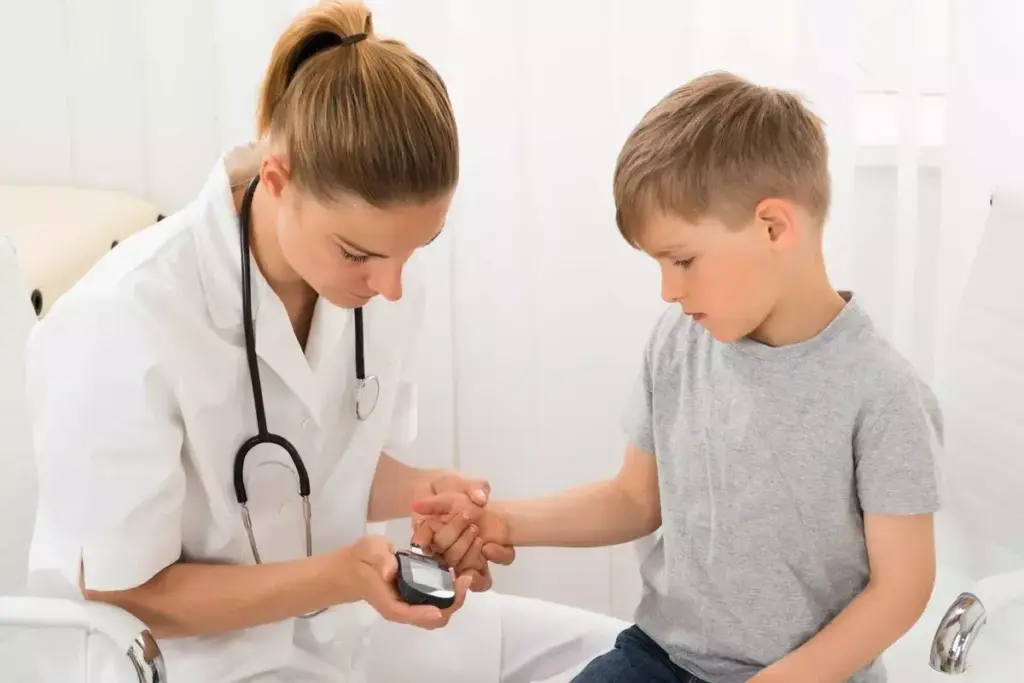
As a parent, knowing the signs of Type 1 diabetes in your child is vital. This condition happens when the body attacks the cells that make insulin. This attack stops the pancreas from making enough insulin, which is key for controlling blood sugar.
What Is Type 1 Diabetes in Children
Type 1 diabetes in kids means their body can’t make insulin because of an immune system attack. This makes it hard for the body to control blood sugar levels. Symptoms can show up quickly, often in just a few weeks.
Recognizing Warning Signs That Require Testing
Children with Type 1 diabetes might show certain signs. These include being very thirsty and urinating a lot, feeling hungry all the time, being tired, feeling irritable, and having blurry vision. If your child shows these signs, it’s important to get medical help right away.
- Increased thirst and frequent urination
- Extreme hunger
- Fatigue or weakness
- Blurry vision
- Unexplained weight loss
Here is a summary of the warning signs and their implications:
| Warning Sign | Implication |
| Increased thirst and urination | High blood sugar levels |
| Extreme hunger | Body’s cells not receiving enough glucose |
| Fatigue or weakness | Lack of energy due to high blood sugar |
How Do You Test for Juvenile Diabetes: Essential Diagnostic Methods
To diagnose juvenile diabetes, doctors use several tests. These tests check blood sugar levels and look for signs of an autoimmune disease. These steps are key to telling Type 1 diabetes apart from other types and starting the right treatment.
Blood Glucose Testing
Blood glucose testing shows blood sugar levels at a specific time. If blood sugar is 200 mg/dL or higher and the child is thirsty or urinating a lot, it might mean diabetes. Random blood glucose testing gives quick insight into a child’s blood sugar.
“A blood glucose level of 200 mg/dL or higher, accompanied by symptoms such as increased thirst and urination, is indicative of diabetes,” as stated by medical guidelines. This test is often used with other methods to confirm the diagnosis.
HbA1c Testing for Average Blood Sugar Control
HbA1c testing shows blood sugar levels over the past 2-3 months. An HbA1c level of 6.5% or higher means diabetes. This test is important for checking how well treatment is working.
Autoantibody Testing to Confirm Type 1 Diabetes
Autoantibody testing is key to proving Type 1 diabetes is an autoimmune disease. Tests for GADA, anti-islet antibodies, and anti-insulin antibodies show the body is attacking its own insulin-making cells.
- GADA (Glutamic Acid Decarboxylase Antibodies)
- Anti-islet antibodies
- Anti-insulin antibodies
These tests help tell Type 1 diabetes apart from Type 2 and other diabetes types.
Additional Laboratory Tests
Other tests are done to check the child’s overall health and for any complications. These might include:
- Complete blood count (CBC)
- Electrolyte panel
- Urine analysis to detect ketones or other abnormalities
These tests give a full picture of the child’s health and help doctors decide on treatment.
Conclusion
Early detection and timely treatment are key to managing Type 1 diabetes in kids. Treatment includes insulin, glucose monitoring, and lifestyle changes. It’s all about keeping the child healthy and happy.
It’s important to tell Type 1 diabetes from Type 2 through accurate diagnosis. Knowing the difference helps create the right treatment plan. New medicines and research are showing promise in preventing Type 1 diabetes in some people.
Preventing Type 1 diabetes in kids is a focus of ongoing research. Studies are looking into ways to delay or stop the condition. By understanding how to treat Type 1 diabetes, parents and caregivers can help kids live healthy, happy lives.
FAQ
What are the common symptoms of Type 1 diabetes in children that require testing?
Symptoms include excessive thirst, frequent urination, unexplained weight loss, fatigue, and blurred vision.
Persistent vomiting or fruity-smelling breath may indicate diabetic ketoacidosis, requiring immediate evaluation.
How is Type 1 diabetes diagnosed in children?
Diagnosis is based on elevated blood glucose levels through fasting glucose, random glucose, or oral glucose tolerance tests.
An HbA1c test is also used to assess average blood sugar over the past 2–3 months.
What is the role of autoantibody testing in diagnosing Type 1 diabetes?
Autoantibody tests detect immune markers that indicate the pancreas is attacking insulin-producing cells.
Positive autoantibodies help confirm Type 1 diabetes and distinguish it from Type 2 diabetes.
Can Type 1 diabetes be prevented or delayed?
Currently, Type 1 diabetes cannot be prevented, as it is an autoimmune condition.
Research is ongoing to find ways to delay onset in high-risk children through clinical trials.
How is Type 1 diabetes managed in children?
Management involves insulin therapy, blood sugar monitoring, a balanced diet, and regular physical activity.
Education for children and caregivers is crucial for proper insulin dosing and preventing complications.
What is the significance of early diagnosis in managing Type 1 diabetes?
Early diagnosis helps prevent diabetic ketoacidosis and reduces the risk of long-term complications.
It allows timely education, insulin therapy, and lifestyle planning for better blood sugar control.
How do blood glucose testing and HbA1c testing contribute to diagnosing and managing Type 1 diabetes?
Blood glucose testing monitors daily fluctuations and guides insulin dosing.
HbA1c testing provides a long-term view of glucose control, helping adjust treatment plans and track management success.
References
National Center for Biotechnology Information. Evidence-Based Medical Insight. Retrieved from https://pmc.ncbi.nlm.nih.gov/articles/PMC8465972/