
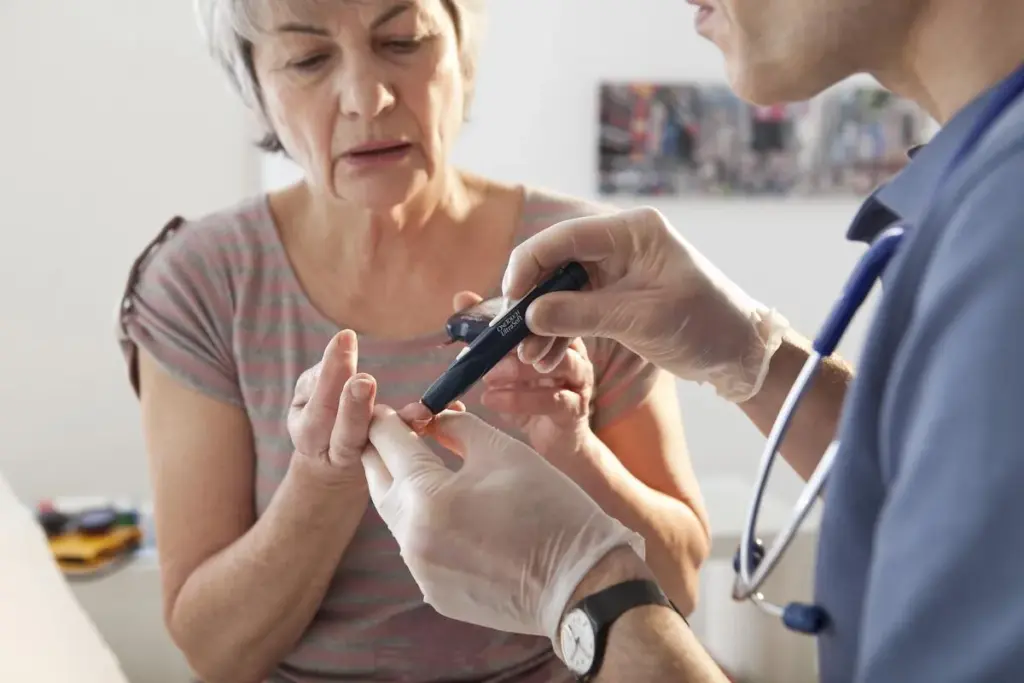
A diabetic emergency happens when blood sugar levels get too high or too low. It’s a serious situation that needs quick action to avoid serious problems. We’re here to help with fast, effective steps based on the latest research and care that puts patients first.
In 2018, about 248,000 cases of low blood sugar were reported. This shows how common these emergencies are. Knowing how to act quickly can make a big difference in avoiding serious harm.
Key Takeaways
- Understanding what constitutes a diabetic emergency is key for quick action.
- Spotting the signs of low and high blood sugar can save lives.
- Acting fast is vital to avoid serious issues.
- Using proven first aid steps can help manage a crisis.
- Putting the patient at the center of care is critical in emergencies.
What Is a Diabetic Emergency and How to Recognize the Symptoms

A diabetic emergency happens when blood sugar levels get too high or too low. This can be very dangerous. Knowing the two main types of emergencies is key to helping someone in need.
Understanding the Two Types of Diabetic Emergencies
There are two main types of diabetic emergencies: hypoglycemia and hyperglycemia. Hypoglycemia is when blood sugar is too low. Hyperglycemia is when it’s too high. Both need quick action to avoid serious problems.
Hypoglycemia can happen fast and can lead to seizures or even death if not treated. Hyperglycemia can cause serious conditions like diabetic ketoacidosis (DKA) or hyperosmolar hyperglycemic syndrome. Knowing the signs of both is very important.
Warning Signs of Hypoglycemia (Low Blood Sugar)
The signs of hypoglycemia include:
- Shakiness or tremors
- Sweating
- Confusion or irritability
- Dizziness or lightheadedness
- Hunger
- Rapid heartbeat
These symptoms can appear quickly. It’s very important to act fast if someone has hypoglycemia.
Warning Signs of Hyperglycemia (High Blood Sugar)
Hyperglycemia has its own signs, such as:
- Increased thirst
- Frequent urination
- Fatigue
- Blurred vision
- Headaches
If not treated, hyperglycemia can cause serious problems. It’s important to know these signs and get medical help if they don’t go away.
Understanding the signs of hypoglycemia and hyperglycemia helps us give the right care in emergencies. Spotting these signs early is the first step to helping someone and preventing serious health issues.
How to Treat Hypoglycemia: Emergency Steps for Low Blood Sugar
Hypoglycemia, or low blood sugar, is a serious condition that demands prompt treatment to avoid serious health risks. When someone experiences hypoglycemia, it’s essential to act quickly and follow the proper protocol.
Step 1: Assess the Person’s Condition and Check Blood Sugar
The first step in treating hypoglycemia is to assess the person’s condition and check their blood sugar levels if possible. This helps confirm whether the symptoms are due to low blood sugar.
Step 2: Give Fast-Acting Carbohydrates Immediately
If the person is conscious and able to swallow, give 15-20 grams of fast-acting carbohydrates such as glucose tablets, fruit juice, or honey. Administering fast-acting carbohydrates can help raise blood sugar levels quickly.
| Fast-Acting Carbohydrate | Quantity |
| Glucose Tablets | 3-4 tablets (15-20 grams) |
| Fruit Juice | 4-6 ounces |
| Honey | 1-2 tablespoons |
Step 3: Wait, Retest, and Repeat if Necessary
After administering fast-acting carbohydrates, wait for 15 minutes and recheck the blood glucose levels. If the levels are low, repeat the process.
Step 4: Call 911 for Severe Hypoglycemia
If the person is unresponsive, having a seizure, or if their symptoms are severe, call 911 immediately. Severe hypoglycemia can lead to serious complications if not treated promptly.
In conclusion, treating hypoglycemia requires prompt action and a clear understanding of the steps involved. By following these emergency steps, you can help manage low blood sugar effectively and prevent serious health risks.
How to Respond to Hyperglycemia: Managing High Blood Sugar Episodes
When someone has hyperglycemia, quick action is key to avoid serious health issues. We’ll show you how to handle high blood sugar episodes well.
Confirm High Blood Glucose Levels
The first thing to do is to check if the blood glucose levels are high. Use a glucometer if you have one. Levels over 240 mg/dL mean hyperglycemia.
Provide Water and Encourage Hydration
It’s important to get the person to drink water. This helps prevent dehydration and gets rid of extra glucose. Staying hydrated is essential for managing high blood sugar.
Test for Ketones If Available
If the blood glucose is over 240 mg/dL, test for ketones if you can. Ketones show up when someone has diabetic ketoacidosis, a serious condition.
Seek Emergency Medical Care
If you find ketones or see severe symptoms like confusion, vomiting, or trouble breathing, get emergency medical help right away. Not treating hyperglycemia can cause serious problems.
Conclusion
Knowing the signs of diabetic emergencies can save lives. It’s important to act fast when someone shows symptoms. This could be low blood sugar or high blood sugar.
For low blood sugar, give fast-acting carbs right away. For high blood sugar, drink water and get medical help if needed. Recognizing symptoms like confusion or dizziness helps you act quickly.
Always get medical help for a diabetic attack. Quick medical care can prevent serious damage. By following these steps, you can help manage emergencies and support others.
FAQ
What is a diabetic emergency?
A diabetic emergency is a severe situation where blood sugar levels become dangerously high (hyperglycemia) or low (hypoglycemia), requiring immediate attention.
What are the symptoms of a diabetic emergency?
Symptoms may include confusion, dizziness, rapid heartbeat, sweating, nausea, vomiting, fruity breath, and difficulty speaking or moving.
How do I treat hypoglycemia?
Consume fast-acting carbohydrates like glucose tablets, juice, or candy, and recheck blood sugar after 15 minutes; repeat if necessary.
What are some examples of fast-acting carbohydrates for hypoglycemia?
Examples include glucose tablets, fruit juice, regular soda, honey, or candies like jellybeans.
When should I call 911 for a diabetic emergency?
Call 911 if the person is unconscious, having seizures, unable to swallow, or symptoms do not improve after treatment.
How do I respond to hyperglycemia?
Check blood sugar, administer insulin if prescribed, stay hydrated, and monitor for signs of ketoacidosis; seek medical attention if levels remain high.
Why is hydration important in managing hyperglycemia?
Fluids help dilute blood sugar, prevent dehydration, and support kidney function to remove excess glucose.
What is diabetic ketoacidosis?
Diabetic ketoacidosis (DKA) is a life-threatening condition caused by extremely high blood sugar and ketone buildup, leading to acidosis.
How can I prevent diabetic emergencies?
Maintain regular blood sugar monitoring, follow diet and medication plans, stay hydrated, and adjust insulin or food intake during illness or activity changes.
What should I do if someone is having a diabetic attack?
Stay calm, check their blood sugar, provide fast-acting carbohydrates for low sugar, call emergency services if severe, and follow their diabetes action plan.
References
National Center for Biotechnology Information. Evidence-Based Medical Insight. Retrieved from https://pmc.ncbi.nlm.nih.gov/articles/PMC11497646/