
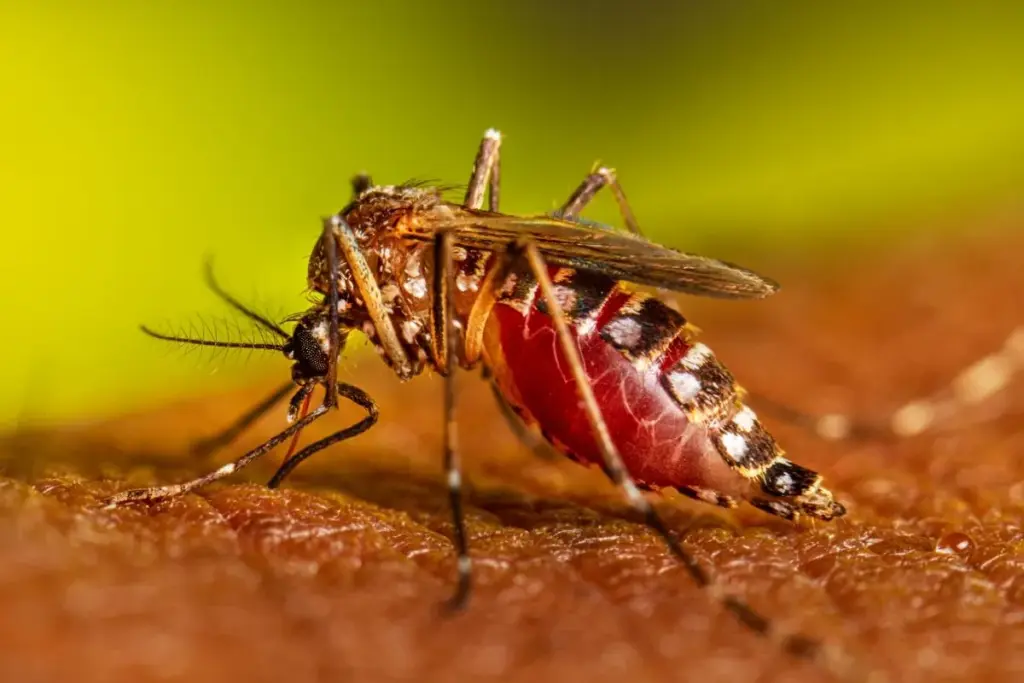
If you’re getting lots of itchy bites on your ankles and feet, you might have been bitten by Aedes mosquitoes. These black-and-white striped insects love to bite ankles and feet. They can even spread diseases like Zika, dengue, and chikungunya.
At Liv Hospital, we know how serious mosquito bites on ankles can be. We’re dedicated to giving you top-notch care and new ways to keep your family safe from these bites.
This article will help you learn about the dangers of aedes mosquito bites. You’ll find out how to spot the signs and what to do to treat them. We want to make sure you and your family stay safe.
Key Takeaways
- Understanding the risks associated with Aedes mosquito bites
- Recognizing the symptoms of mosquito bites on ankles
- Effective treatment options for ankle bites
- Prevention strategies to avoid future bites
- The importance of seeking medical attention if symptoms persist
Understanding Aedes “Ankle Biter” Mosquitoes
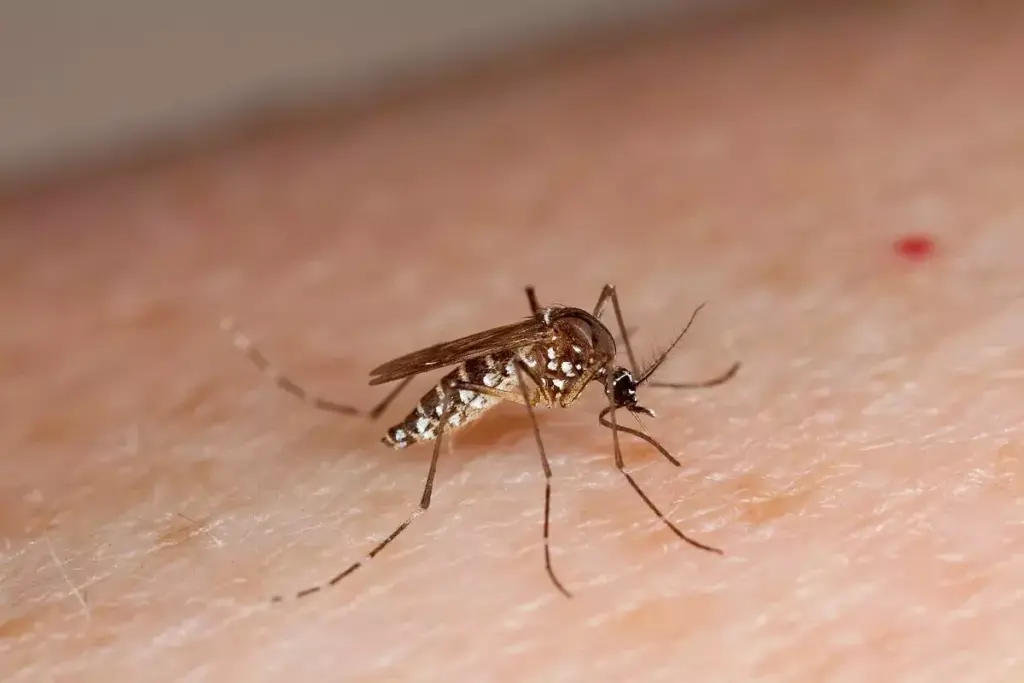
Aedes mosquitoes are called ‘ankle biters’ because they like to bite the lower parts of our legs, like the ankles. They are not just annoying; they can also spread serious diseases. Knowing how they behave and where they live is key to avoiding bites and stopping their spread.
Identifying Aedes Mosquito Species
The main types of ankle biter mosquitoes are Aedes aegypti and Aedes albopictus. These mosquitoes are easy to spot because of their unique markings. Aedes aegypti is known for spreading diseases like dengue, Zika, and chikungunya.
Why These Mosquitoes Target Ankles
Aedes mosquitoes prefer ankles and feet because these areas are often exposed. They are also attracted to the heat and carbon dioxide we give off. Knowing this can help us find ways to avoid getting bitten.
Prevalence in the United States
The CDC says Aedes aegypti and Aedes albopictus mosquitoes are common in the southern and southwestern U.S. They also live in tropical and subtropical areas worldwide. These places are perfect for these mosquitoes to grow, making them a big health risk.
Recognizing Aedes Mosquito Bite Symptoms
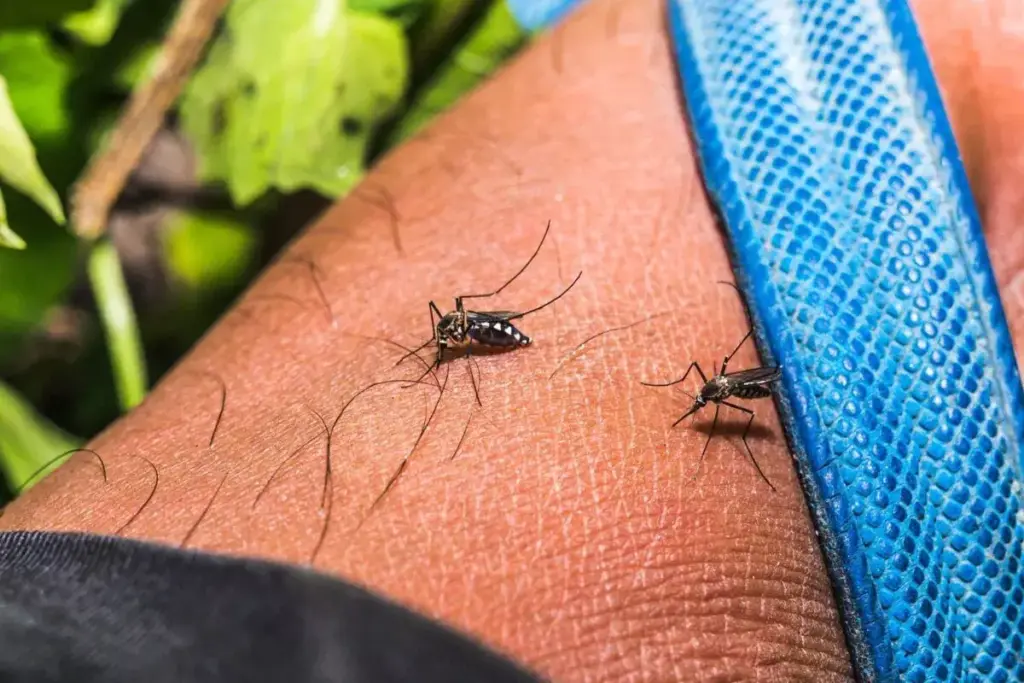
It’s important to know the signs of Aedes mosquito bites. These mosquitoes bite around the ankles and can spread serious diseases. So, it’s key to understand the symptoms of their bites.
Distinctive Characteristics of Ankle Bites
Aedes mosquito bites on the ankles look different. They show up as small, red, itchy bumps or inflamed welts. The ankles are a favorite spot for these mosquitoes because they’re exposed.
These bites can get swollen and sore. Scratching them too much can lead to infections. Watch for signs like more redness, warmth, or pus.
Common Reactions to Aedes Bites
People react differently to Aedes mosquito bites. Some common signs include:
- Itching and redness around the bite area
- Swelling or inflammation
- Pain or discomfort when touched
- Rash or hives in some cases
The US Centers for Disease Control and Prevention say bites can also cause fever, headache, muscle and joint pain, and rash. For more info, check out page on mosquito bites.
When to Seek Medical Attention
Most Aedes mosquito bites aren’t serious, but sometimes you need to see a doctor. Get medical help if you have:
| Symptom | Description |
| Severe Allergic Reaction | Difficulty breathing, rapid heartbeat, or a drop in blood pressure |
| Infection Signs | Increased redness, warmth, swelling, or pus around the bite |
| Fever or Chills | High temperature or shivering, potentially indicating a mosquito-borne illness |
Knowing these symptoms and acting fast is important. Aedes mosquitoes can spread diseases like dengue fever, Zika virus, and chikungunya. Getting medical help quickly is vital.
Effective Treatments for Aedes Mosquito Bites
To deal with Aedes mosquito bites, knowing your treatment options is key. This includes both medical and natural methods. Bites around the ankles can be really uncomfortable. It’s important to know how to ease the symptoms.
Immediate Relief Strategies
Right after getting bitten by Aedes mosquitoes, finding quick relief is important. Washing the affected area with soap and water is a good start. A cold compress or an ice pack wrapped in cloth can also help with swelling and itching.
OTC antihistamines or hydrocortisone cream can help with itching and swelling. But, it’s important not to scratch the bite to avoid infection.
Medical Treatments
If the reaction to an Aedes mosquito bite is severe, you might need to see a doctor. Severe reactions include a lot of swelling, blisters, or signs of infection like redness, warmth, or pus. Doctors might give stronger creams or oral steroids for these cases.
If the bite gets infected, antibiotics might be needed. Always listen to your doctor for the right treatment.
Natural and Home Remedies
There are natural and home remedies that can help with Aedes mosquito bites. A paste of baking soda and water or aloe vera gel can soothe itching and reduce swelling.
The County of San Diego Vector Control Program says getting rid of standing water is key to prevent mosquito breeding. This is a preventive step but shows the need for a full approach to handle mosquito bites.
By using these treatments together, you can manage Aedes mosquito bites on your ankles better. This helps lower the chance of serious problems.
Preventing Future Aedes Mosquito Bites
To stop Aedes mosquito bites on ankles, you need to use several methods. This includes wearing protective clothes, using repellents, and getting rid of breeding spots at home. Knowing and using these steps can greatly lower your chance of getting bitten.
Protective Clothing Strategies
Wearing clothes that cover your skin is a simple yet effective way to avoid bites. Choose long-sleeved shirts, long pants, and socks that reach your ankles. Aedes mosquitoes are drawn to this area. Tucking your pant legs into your socks adds extra protection.
When you’re outside, wear clothes treated with insect repellents. Some clothes have permethrin, a bug repellent, built into them. Permethrin-treated clothing offers long-lasting protection against mosquitoes.
Effective Repellents for Ankle Protection
Using the right insect repellents is also key to avoiding bites. The Centers for Disease Control and Prevention (CDC) suggest using EPA-registered insect repellents with DEET, picaridin, or oil of lemon eucalyptus. Apply these to your skin and clothes to keep bugs away.
For your ankles, put repellent on your socks and shoes, and also on your skin. Always reapply repellents as the label says to keep them working well.
| Repellent Type | Concentration | Duration of Protection |
| DEET | 20-30% | Several hours |
| Picaridin | 20% | Several hours |
| Oil of Lemon Eucalyptus | 30% | Several hours |
Eliminating Breeding Sites Around Your Home
Aedes mosquitoes need standing water to breed. So, it’s important to get rid of any water spots around your house. Check your yard for things that can hold water, like flowerpots, bird baths, and clogged drains.
To get rid of these breeding spots, do the following:
- Empty any standing water from containers
- Clean and dry containers well
- Store containers upside down or covered
- Use larvicides in big water spots if needed
By using these methods, you can greatly lower the chance of getting bitten by Aedes mosquitoes on your ankles. Remember, stopping bites before they happen is the best way to avoid discomfort and health risks.
Conclusion
Knowing how to treat Aedes mosquito bites on ankles is key to feeling better and avoiding bigger problems. These mosquitoes, often called “ankle biters,” can really bother you with their bites.
We talked about how to spot the signs of Aedes mosquito bites, which can differ from person to person. There are many ways to ease the pain, from quick fixes to natural remedies.
To avoid getting bitten again, it’s important to take steps to protect yourself. Wear the right clothes, use strong repellents, and get rid of places where mosquitoes breed. Being smart about these mosquitoes can help you avoid bites.
By learning about Aedes mosquito bites and taking steps to prevent them, we can all enjoy a healthier place. This way, we can all reduce the number of bites on our ankles.
FAQ
What are Aedes “ankle biter” mosquitoes?
Aedes mosquitoes are a type of mosquito that bites humans. They like to bite around the ankles and feet. This is why they are called “ankle biters.”
Why do Aedes mosquitoes target ankles and feet?
Aedes mosquitoes are drawn to the warmth and moisture of human skin. They find this in areas like the ankles and feet. They also like the carbon dioxide and other chemicals humans emit.
What are the symptoms of an Aedes mosquito bite?
After being bitten by an Aedes mosquito, you might see redness and swelling. You could also feel itching and inflammation. Some people might get blisters or rashes.
How can I treat Aedes mosquito bites on my ankles?
To treat Aedes mosquito bites, you can use creams or ointments to ease itching and swelling. You can also take antihistamines to help with allergic reactions. Cold compresses can help reduce swelling.
When should I seek medical attention for an Aedes mosquito bite?
If you have severe symptoms like trouble breathing or rapid heartbeat, get medical help. Also, seek help if you think you might have caught a disease like Zika or dengue fever from a bite.
How can I prevent Aedes mosquito bites?
To avoid bites, wear long pants and socks. Use insect repellents with DEET, picaridin, or oil of lemon eucalyptus on your skin. Also, get rid of standing water around your home to stop mosquitoes from breeding.
What are some effective repellents for ankle protection?
Repellents with DEET, picaridin, or oil of lemon eucalyptus work well. You can put them on your skin or on clothes and gear like socks and shoes.
How can I eliminate breeding sites around my home?
To get rid of breeding sites, find and remove standing water. This includes pet water dishes, flowerpots, and clogged drains. Also, clean and maintain your gutters and downspouts to prevent water from pooling.
References
World Health Organization. Evidence-Based Medical Guidance. Retrieved from
https://www.who.int/news-room/fact-sheets/detail/dengue-and-severe-dengue