

Cholera is a serious disease caused by Vibrio cholerae. It’s a big problem worldwide. But, it can be treated and cured quickly. At Liv Hospital, we know finding out you have cholera can be scary. But, with the right care, you can get better.
The first step in treating cholera is rehydration therapy. This can be done through drinking fluids or getting fluids through an IV. The CDC says that with quick rehydration, over 99% of people with cholera can live. For more info on treating cholera, check out Medical organization’s resources.
Key Takeaways
- Cholera is highly curable with prompt treatment.
- Rehydration therapy is the most important treatment for cholera.
- Oral rehydration therapy (ORT) is effective for most patients.
- Intravenous fluids may be needed for severely dehydrated patients.
- With treatment, the mortality rate drops to less than 1%.
Understanding Cholera: A Highly Curable Disease

Cholera affects millions worldwide each year. It’s caused by eating food or drinking water with the Vibrio cholerae bacterium. This disease is a big problem, hitting people in many places, mainly where sanitation and hygiene are poor.
What Causes Cholera and Its Global Impact
Cholera spreads through the fecal-oral route. This means the bacteria from infected people’s feces get into water or food. Poor sanitation, lack of clean water, and bad hygiene help spread it. Natural disasters or conflicts can make outbreaks worse by damaging water and sanitation systems.
Cholera hits some areas harder than others. This is because of poverty, no clean water, and bad healthcare. The CDC says cholera can cause severe dehydration. This can be deadly in just hours if not treated right away.
Recognizing Symptoms and When to Seek Treatment
It’s important to spot cholera symptoms early. The main signs are watery diarrhea, vomiting, and fever. Severe cases can cause dehydration, with dry skin, sunken eyes, and less urine. If you see these signs, get medical help fast.
Quick tests can confirm cholera. Knowing the causes and symptoms helps treat the disease well.
Cholera Rehydration: The Life-Saving Intervention
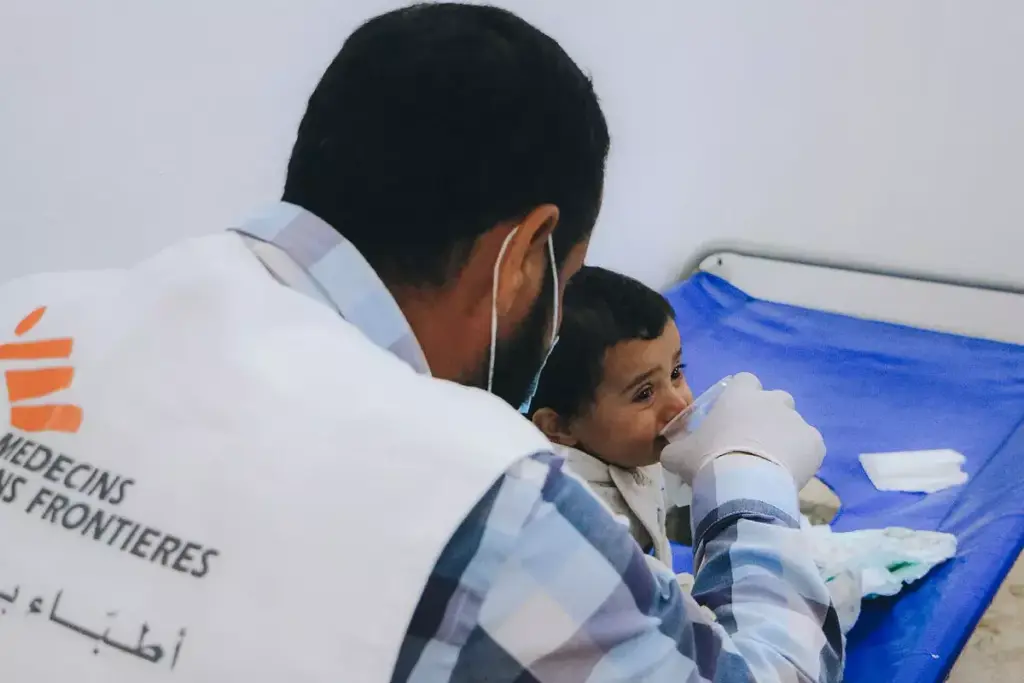
Rehydration is key in treating cholera, saving many lives. When someone gets cholera, we focus on replacing lost fluids and salts. This helps prevent dehydration and its serious problems.
We stress the need to start rehydration therapy quickly. Even on the way to a hospital, it can greatly improve survival rates. Starting therapy early can significantly change a patient’s outcome.
Oral Rehydration Therapy (ORT)
Oral Rehydration Therapy (ORT) is the main treatment for most cholera patients. It involves drinking a special solution that is a bit sweet and salty. This solution helps replace lost fluids and salts.
ORT is a big help, mainly in places where getting IV therapy is hard. The CDC says ORT is the best first treatment for cholera patients with mild to moderate dehydration.
Intravenous Fluid Therapy for Severe Cases
For those with severe dehydration, IV fluids are used. They help prevent shock and fix electrolyte problems. IV fluids quickly restore the body’s fluids and balance out salts.
The type of IV fluid used depends on how severe the dehydration is and the patient’s health. Ringer’s lactate is usually chosen because it matches the lost fluids’ salt levels well.
Comparison of Rehydration Therapies
| Therapy | Indication | Advantages |
| Oral Rehydration Therapy (ORT) | Mild to moderate dehydration | Easy to give, affordable, uses gut absorption |
| Intravenous Fluid Therapy | Severe dehydration | Quickly fixes fluid and salt issues, saves lives in severe cases |
In summary, rehydration therapy is vital in treating cholera. Knowing about ORT and IV fluids helps healthcare workers save lives from this disease.
Recovery and Prevention Strategies
Cholera patients can fully recover with quick and proper treatment. The Centers for Disease Control and Prevention (CDC) says that over 99% of patients survive with timely rehydration. This treatment includes oral rehydration therapy (ORT) and, for severe cases, intravenous fluids. Antibiotics may also be used to shorten diarrhea duration.
To prevent cholera, it’s important to drink boiled or bottled water and eat fully cooked foods. Keeping good personal hygiene is also key. Oral cholera vaccination is another option for those travelling to high-risk areas. For more details, check out the National Center for Biotechnology Information.
Knowing how to cure cholera and using prevention strategies can greatly lower transmission risk. This helps protect global health. It’s vital to have effective treatment and prevention to control outbreaks and save lives.
FAQ:
What is the primary treatment for cholera?
The main treatment for cholera is rehydration therapy. This can be done through Oral Rehydration Therapy (ORT) or intravenous fluids for severe cases.
How does Oral Rehydration Therapy (ORT) work for cholera?
ORT uses a special drink called Oral Rehydration Solution (ORS). It’s sweet and salty. This drink helps replace lost fluids and electrolytes, rehydrating the body.
When is intravenous fluid therapy necessary for cholera treatment?
Intravenous fluids are needed for patients with severe dehydration. They help prevent hypovolemic shock and metabolic disturbances.
Can antibiotics be used to treat cholera?
Yes, antibiotics may be given to severely ill patients. They help shorten the duration of diarrhea, alongside rehydration therapy.
How can cholera be prevented?
To prevent cholera, drink boiled or bottled water. Also, eat fully cooked foods and keep good personal hygiene.
Is there a vaccine available for cholera?
Yes, there’s an oral cholera vaccine for travelers to high-risk areas. Always consult healthcare professionals for prevention and treatment advice.
Is cholera a curable disease?
Yes, cholera is curable with quick and proper treatment. Recovery is very likely.
What are the common symptoms of cholera?
Symptoms include watery diarrhea, often called “rice-water stools,” vomiting, and fever.
Why is prompt medical attention important for cholera treatment?
Quick medical care is key. Cholera can cause severe dehydration and death within hours if not treated fast.
References:
World Health Organization. Evidence-Based Medical Guidance. Retrieved from
https://www.who.int/news-room/fact-sheets/detail/cholera