
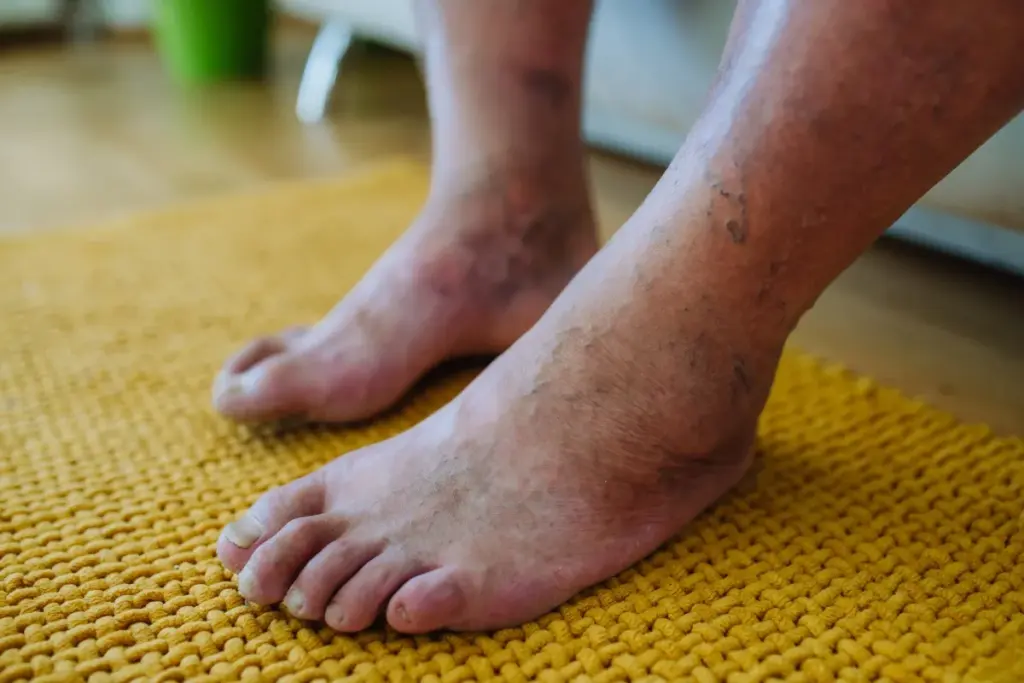
Diabetic blisters on feet, also known as bullosis diabeticorum, are a serious skin condition. They can appear on the feet, hands, arms, or legs. These fluid-filled sacs are a complication of diabetes that needs immediate attention.
Keeping blood sugar levels in check is vital in preventing and treating these blisters. By understanding the causes and taking proactive steps, people with diabetes can lower the risk of getting diabetic foot blisters. This can also help avoid related complications.
Key Takeaways
- Managing blood sugar levels is key to preventing diabetic blisters.
- Diabetic blisters can appear on various parts of the body, including feet.
- Proper care and attention can reduce the risk of complications.
- Understanding the causes is key for effective prevention.
- A step-by-step approach can help in treating diabetic foot blisters.
Understanding Diabetic Blisters and Their Impact
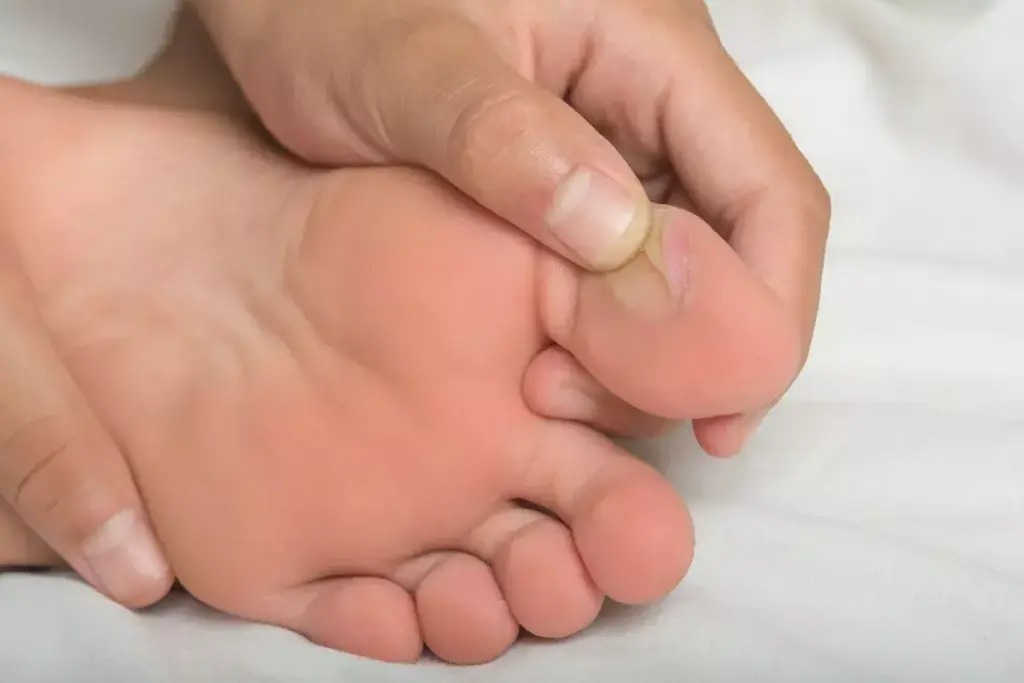
It’s important for people with diabetes to know about diabetic blisters. These blisters can cause serious problems if not treated right. Diabetic blisters, or Bullosis Diabeticorum, are rare but affect about 0.5% of Americans with diabetes.
What Are Diabetic Blisters (Bullosis Diabeticorum)?
Diabetic blisters are fluid-filled blisters on the skin of people with diabetes. They can show up on the feet, hands, arms, or lower legs. These blisters are not caused by friction or injury, but are a diabetes complication. They happen more often in people with long, uncontrolled diabetes.
“Diabetic blisters can be a big worry for people with diabetes,” says a leading diabetes researcher. “They can cause infections and other problems if not managed well,” he adds. This shows why it’s key to understand and tackle diabetic blisters quickly.
Common Causes and Risk Factors
The exact reason for diabetic blisters is not known, but some risk factors are. These include:
- Long-standing diabetes
- Poor blood sugar control
- Neuropathy (nerve damage)
- Peripheral vascular disease
Men get diabetic blisters twice as often as women. Knowing these risk factors helps in preventing and spotting diabetic blisters early.
Identifying Early Signs of Diabetic Blisters
Spotting diabetic blisters early is key to managing them well. Look out for these signs:
- Small, painless blisters on the skin
- Blisters on the feet, hands, arms, or lower legs
- Skin that’s red or inflamed around the blister
Knowing these signs early helps people with diabetes act fast to avoid bigger problems. As we look into treatments next, understanding these points is essential for good care.
Step-by-Step Treatment for Diabetic Blister on Toe and Feet
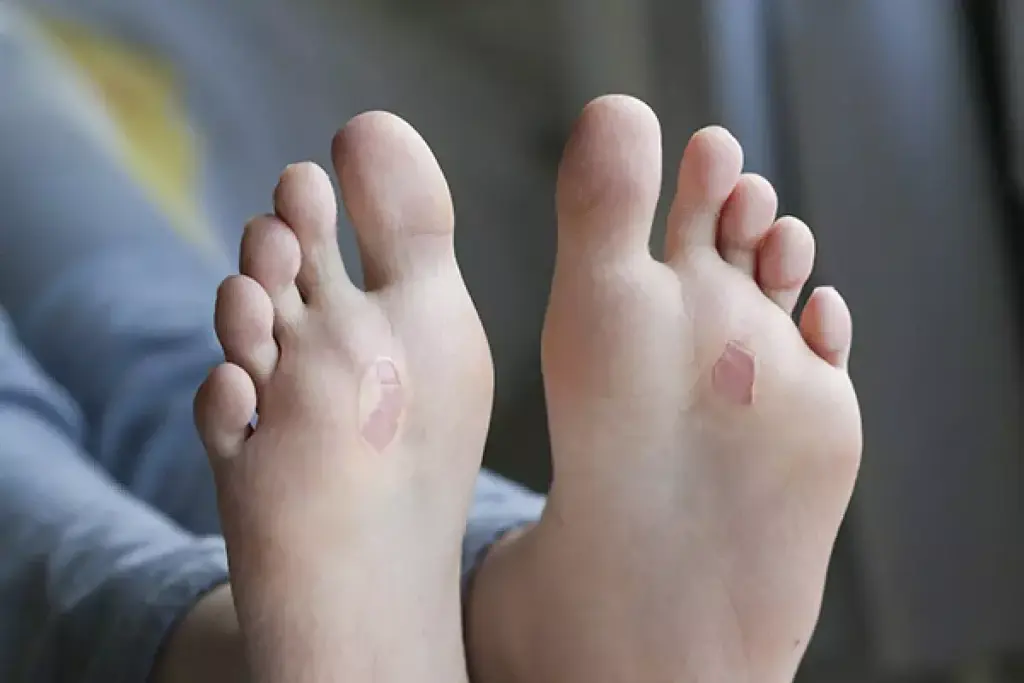
Treating diabetic blisters on toes and feet is important. It helps prevent infection and promotes healing. We have a simple way to manage blood blisters for diabetic patients.
Assessing the Blister
First, check the blister without popping it. This step shows how serious the blister is. It helps decide what to do next.
Cleaning and Protecting
Clean the area well to avoid infection. For diabetic blisters on toes, use a protective dressing. It cushions the blister and lowers friction. This is key for diabetic patients, as they face more risks.
Monitoring Progress
Keep an eye on blood sugar levels. They affect healing. Managing blood sugar helps avoid more problems.
By following these steps, diabetic blister patients can manage their condition well. Proper care improves foot health.
FAQ
What are diabetic blisters, and how do they occur?
Diabetic blisters are painless, fluid-filled sores that form due to fragile skin and nerve damage from diabetes.
Are diabetic blisters a sign of poor diabetes management?
They can indicate long-term diabetes complications and may reflect suboptimal blood sugar control.
How can I treat diabetic blisters on my feet?
Keep the blister clean, cover with a sterile dressing, avoid pressure, and monitor for infection.
Can I pop or break a diabetic blister?
No, popping a diabetic blister is not recommended due to high risk of infection.
How can I prevent diabetic blisters from occurring?
Prevent blisters with good blood sugar control, proper footwear, daily foot inspections, and keeping skin dry.
Are diabetic blisters a serious complication of diabetes?
They can become serious if infected, especially in patients with neuropathy or poor circulation.
Can diabetic blisters be a sign of an underlying nerve damage?
Yes, diabetic blisters often occur in areas affected by neuropathy, indicating nerve damage.
How often should I check my feet for diabetic blisters?
Feet should be inspected daily to detect blisters or other complications early.
References
This unique blistering disorder spontaneously affects the skin of the extremities in individuals with diabetes mellitus, particularly those with longstanding https://www.ncbi.nlm.nih.gov/books/NBK539872/