

Diabetic ketoacidosis (DKA) is a serious medical emergency. It needs quick, proven treatment. To manage DKA well, we must focus on a few key things. These include fixing fluid levels, balancing blood sugar, and avoiding serious problems.
Medical organization says fluid resuscitation and insulin therapy are key. They help replace lost fluids and lower blood sugar. A clear, step-by-step plan is vital for top-notch care.
Key Takeaways
- DKA is a life-threatening condition requiring immediate attention.
- Fluid resuscitation is critical in managing DKA.
- Insulin therapy helps correct metabolic acidosis and ketosis.
- A step-by-step protocol ensures complete care.
- Effective management of DKA prevents complications.
1. Initial Assessment and Patient Stabilization
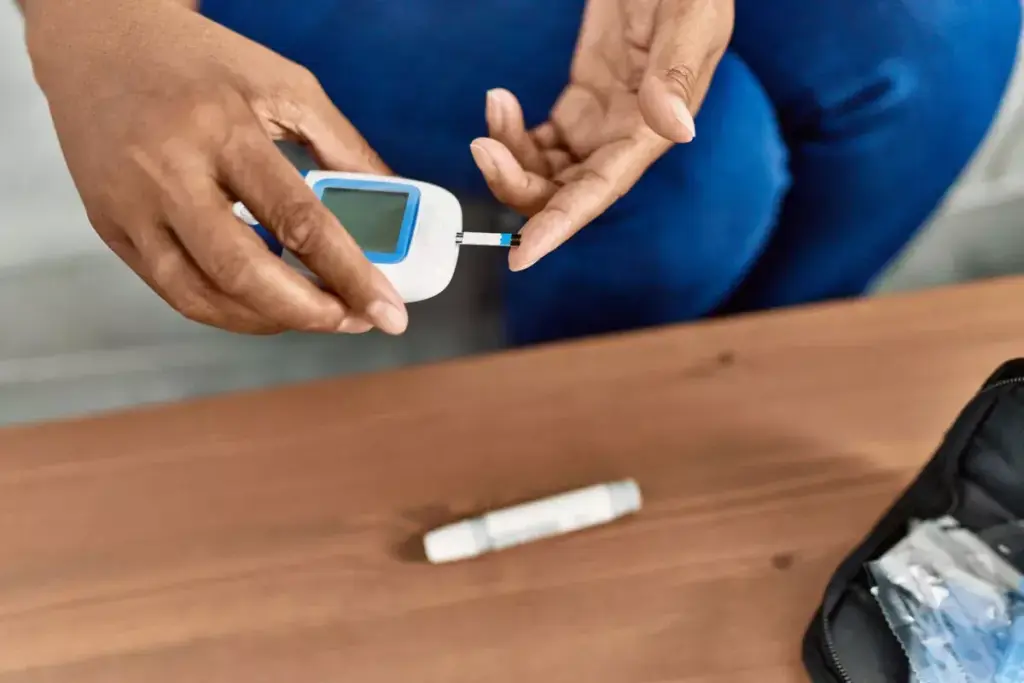
When a patient is suspected to have DKA, several key steps are taken. These steps are vital for confirming the diagnosis and guiding immediate care. They help assess the condition’s severity and ensure the patient’s safety.
Confirm the DKA Diagnosis
Healthcare providers use blood tests to confirm DKA. These tests measure blood sugar, ketone levels, and blood acidity. The Medical organization Staff suggests other tests like blood electrolyte tests and urinalysis.
Establish Intravenous Access and Obtain Laboratory Studies
Getting intravenous access is essential for giving fluids and medications. Laboratory studies, including electrolyte and blood gas analysis, help determine DKA’s severity.
Assess Hemodynamic Stability and Mental Status
Checking hemodynamic stability and mental status is key. This involves looking at the patient’s blood pressure, heart rate, and consciousness. It helps decide if immediate action is needed.
2. Fluid Resuscitation Protocol

Fluid resuscitation is key in managing DKA. It involves a careful plan for the first crystalloid bolus and how to replace fluids later. This helps fix the body’s fluid balance, improves blood flow, and corrects metabolic problems.
Administer Initial Crystalloid Bolus with 0.9% Sodium Chloride
The first step is to give a crystalloid bolus with 0.9% sodium chloride. This quickly increases blood volume and helps the kidneys work better. The amount given depends on how well the patient is doing and how dehydrated they are.
Calculate and Implement Ongoing Fluid Replacement
After the initial bolus, we figure out how much fluid the patient needs to keep getting. We aim for slow rehydration over 24-48 hours. This slow pace helps avoid serious problems.
Apply Pediatric-Specific Fluid Restrictions
In kids, it’s very important to limit fluids to avoid cerebral edema. This is a serious risk. We make sure the fluid rate is not too high and keep a close eye on the patient.
- Initial crystalloid bolus with 0.9% sodium chloride
- Ongoing fluid replacement calculation
- Pediatric-specific fluid restrictions to prevent cerebral edema
3. DKA Treatment: Insulin Therapy and Electrolyte Correction
Insulin therapy is key in treating DKA. It needs careful start and watch. Not just insulin, but also fixing electrolytes, like potassium, is important.
Initiate Continuous Intravenous Insulin Infusion
The Medical organization says insulin fixes DKA. It’s given with fluids and electrolytes through a vein. Starting with 0.1 units/kg/h ensures insulin is given steadily.
Implement Potassium Replacement Before Starting Insulin
Managing potassium is vital to avoid serious issues. Replacing it before insulin helps keep potassium levels right. Aim for 4-5 mmol/L.
Monitor Glucose Trends and Add Dextrose When Indicated
It’s important to watch glucose levels closely. When they hit about 200 mg/dL, add dextrose to IV fluids. This prevents low blood sugar while insulin keeps flowing.
Transition to Subcutaneous Insulin After Gap Closure
When the anion gap closes and the patient is stable, switch to subcutaneous insulin. This move needs careful planning to prevent DKA relapse.
| Parameter | Target Value | Action |
| Serum Potassium | 4-5 mmol/L | Replace as necessary |
| Glucose Levels | Around 200 mg/dL | Add dextrose to IV fluids |
| Anion Gap | Closed | Transition to subcutaneous insulin |
4. Monitoring and Complication Prevention
In DKA treatment, keeping an eye on things and stopping problems before they start are both important. A good plan is to catch issues early, before they get worse.
Prevent Cerebral Edema Through Controlled Rehydration
Cerebral edema is a big worry, mainly for kids. Controlled rehydration is the best way to avoid it. UpToDate says that careful fluid management can really lower the risk of cerebral edema.
Establish Hourly Monitoring Parameters
It’s important to check vital signs, glucose levels, and electrolytes every hour. This helps spot any problems early. Then, we can act fast to fix them.
Recognize Early Warning Signs of Complications
Doctors need to watch for signs of trouble like cerebral edema. Look out for headaches, vomiting, and changes in how someone acts. Catching these signs early can save a lot of trouble.
Effective DKA Treatment: A Comprehensive Approach
Treating Diabetic Ketoacidosis (DKA) needs a quick and detailed plan. The steps mentioned earlier show how important it is to start right away. This includes checking the patient, giving fluids, insulin, and fixing electrolytes, and watching for any problems.
First, a full check-up and making the patient stable are key. Then, fluids are given to fix dehydration and balance electrolytes. Next, insulin and electrolyte fixes are used to control high blood sugar and avoid more issues.
Healthcare teams can manage DKA well by knowing and using these key steps. This summary shows how important it is to work together in treating DKA.
In short, treating DKA well and quickly is vital for the best care. By sticking to the detailed plan, doctors can give top-notch care and better results for patients.
FAQ
What is the primary goal of fluid resuscitation in DKA treatment?
The primary goal is to restore circulating blood volume, improve tissue perfusion, and correct dehydration caused by high blood sugar and osmotic diuresis.
How is the initial crystalloid bolus administered in DKA treatment?
The initial bolus is usually 0.9% normal saline given intravenously at 15–20 mL/kg over the first hour to rapidly expand blood volume.
What is the recommended insulin infusion rate for treating DKA?
Insulin is typically started as a continuous IV infusion at 0.1 units/kg per hour after fluid resuscitation and initial potassium assessment.
Why is potassium replacement critical before starting insulin therapy in DKA?
Insulin drives potassium into cells, which can cause dangerous hypokalemia if potassium levels are low. Replacing potassium first prevents cardiac complications.
How often should patients with DKA be monitored?
Patients should be monitored hourly for vital signs, glucose, and potassium and every 2–4 hours for other electrolytes and ketone levels until stable.
What is a key strategy for preventing cerebral edema in pediatric DKA patients?
A key strategy is careful fluid replacement with gradual correction of dehydration rather than rapid fluid boluses.
When should dextrose be added to the IV fluids in DKA treatment?
Dextrose is added when blood glucose drops to around 200 mg/dL (11 mmol/L) to allow continued insulin infusion without causing hypoglycemia.
What are the signs of effective DKA treatment?
Signs include decreasing blood glucose, resolution of ketones, correction of acidosis, improved mental status, and stabilization of electrolytes.
How is the transition made from intravenous insulin to subcutaneous insulin in DKA treatment?
Once blood glucose and ketones stabilize, subcutaneous insulin is given 1–2 hours before stopping the IV infusion to maintain continuous insulin coverage and prevent rebound hyperglycemia.
References
National Center for Biotechnology Information. Evidence-Based Medical Insight. Retrieved from https://pmc.ncbi.nlm.nih.gov/articles/PMC8465972/