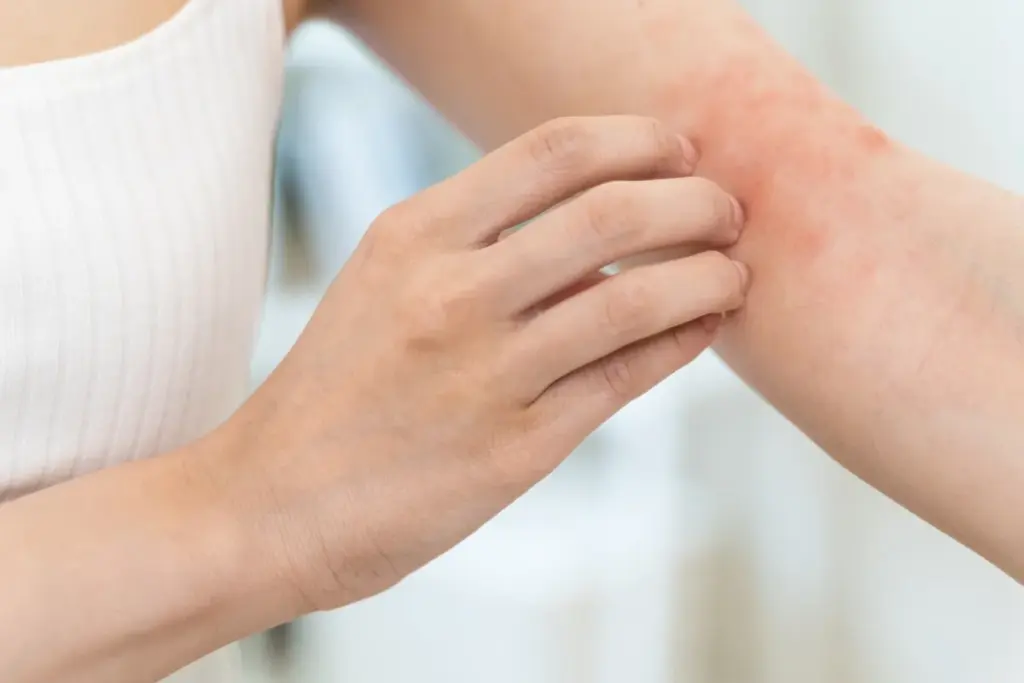
Dealing with constant itching and redness is really tough. We get how much eczema on head under hair affects your daily life and confidence. This condition affects millions worldwide but is often not well understood or treated enough.
At Liv Hospital, we blend top-notch medical care with a caring approach. Our experts handle atopic dermatitis in scalp with custom plans that meet global standards. We aim to offer you lasting relief through caring healthcare and new ideas.
Seborrheic dermatitis often leads to the inflammation and scales seen in scalp atopic eczema. These symptoms usually pop up in areas with lots of sebaceous glands. Our team works hard to soothe the skin and lessen the painful flaking that messes up your life.
We offer a clear way to manage your condition with medical treatments and gentle home remedies. By choosing expert care, you can take back control of your skin health. We’re dedicated to helping you on your way to a healthier, itch-free life.
Key Takeaways
- Scalp irritation often stems from seborrheic or atopic dermatitis.
- Liv Hospital provides personalized care tailored to international patients.
- Sebaceous glands are major factors in triggering visible skin flaking.
- Effective relief includes a mix of medical therapy and home care.
- Early intervention helps prevent long-term inflammation and discomfort.
- We prioritize patient comfort using the latest dermatological innovations.
Understanding Scalp Eczema and Its Impact

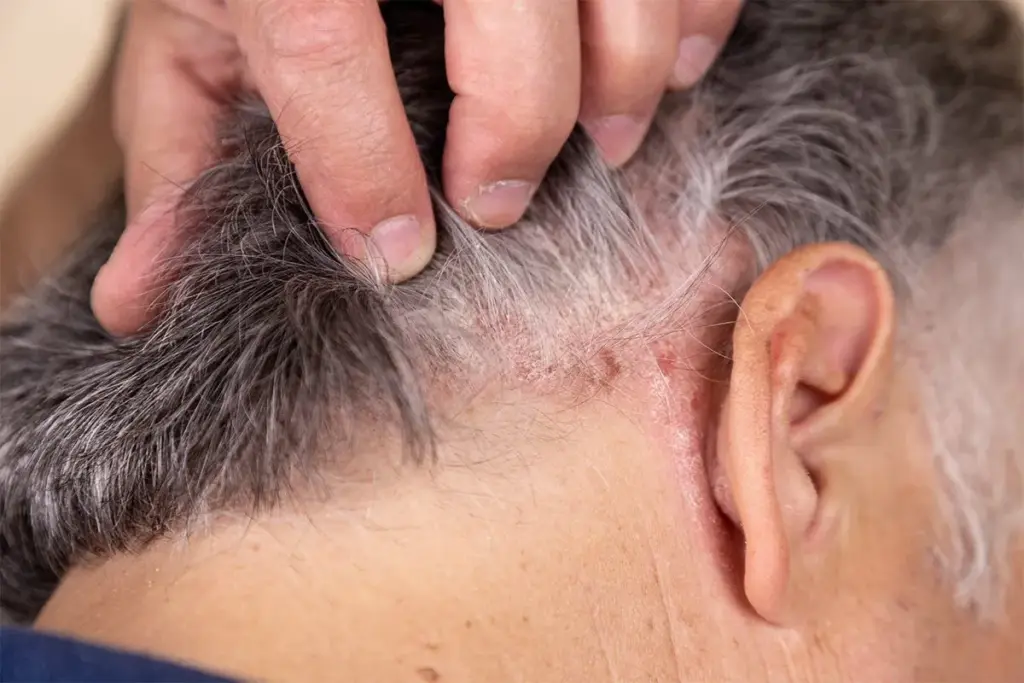
Scalp eczema can really affect a person’s life. It causes inflammation, leading to itching, redness, and flaking. Knowing what causes it and recognizing the symptoms is key to managing it well.
What Is Scalp Atopic Eczema
Scalp atopic eczema, or atopic dermatitis, is a long-term condition affecting the scalp. It’s caused by genetics, environment, and the immune system. The exact reason is not known, but it’s thought to be linked to a genetic mutation that weakens the skin’s barrier.
Common Symptoms of Eczema in Scalp
The symptoms of scalp eczema can differ from person to person. They depend on the skin’s color and how severe the condition is. Common signs include:
- Itching: This symptom can range from mild to very severe.
- Redness and Inflammation: The scalp may turn red and inflamed, showing active eczema.
- Flaking: Skin flakes may appear, looking like dandruff.
- Dryness: The scalp can feel dry and tight.
Triggers and Causes of Scalp Contact Dermatitis
Scalp contact dermatitis is a type of eczema caused by irritants or allergens. Common causes include:
- Harsh hair care products with chemicals that irritate the scalp.
- Certain metals or dyes in hair products.
- Stress and emotional factors, which can make it worse.
Staying away from these triggers is important for managing scalp eczema.
Effective Treatments for Eczema on Head Under Hair
Treating eczema on the scalp needs a mix of medical treatments and lifestyle changes. At Liv Hospital, we tackle scalp eczema from all sides to help you feel better and stop flare-ups.
Medical Treatment Options for Scalp Eczema
Our medical team might suggest medicated shampoos with ketoconazole and salicylic acid. These shampoos can lessen inflammation and itching. They’re a good starting point for treatment.
In some cases, topical steroids are used to cut down inflammation. It’s key to stick to the treatment plan for the best results.
| Medical Treatment | Description | Benefits |
| Medicated Shampoos | Shampoos with ketoconazole and salicylic acid | Reduces inflammation and itching |
| Topical Steroids | Corticosteroid creams or ointments | Effective in reducing inflammation |
Home Remedies and Natural Scalp Eczema Remedies
There are also home remedies that can help with scalp eczema. Aloe vera can be applied to soothe the skin.
Coconut oil can moisturize the scalp, easing dryness and itchiness. Colloidal oatmeal baths can also soothe the scalp and lessen inflammation.
Quick Relief Strategies for Immediate Comfort
Managing stress is key to controlling scalp eczema. Techniques like meditation and yoga can help lessen flare-ups.
It’s also important to avoid triggers. Knowing and avoiding products that irritate the scalp can help reduce symptoms.
Combining medical treatments with home remedies and lifestyle changes can bring significant relief from scalp eczema symptoms.
Conclusion
At Liv Hospital, we know managing scalp eczema is tough. It’s not just about medical treatment. It also involves changing your lifestyle and managing stress.
Stress can make scalp eczema worse. So, it’s important to find ways to reduce stress every day.
Good scalp treatment for eczema needs a mix of things. This includes medical care, lifestyle changes, and natural remedies. Learning to manage stress is also key.
Our team at Liv Hospital is here to help. We offer the best treatment for your scalp eczema, based on your needs. We aim to give you top-notch care and support, no matter where you’re from.
Together, we can help you feel better from scalp eczema. And improve your overall health and happiness.
FAQ
What exactly is scalp atopic eczema and how does it manifest?
Another link to scalp atopic eczema explains that it is a chronic inflammatory skin condition affecting the scalp, often linked to atopic dermatitis elsewhere on the body. It manifests as red, itchy, scaly patches, sometimes with oozing or crusting, and can cause temporary hair shedding due to scratching.
What are the most common symptoms of eczema in my scalp?
Another link to symptoms notes persistent itching, dryness, flaking, redness, small bumps or blisters, and thickened or lichenified skin. Scratching can lead to secondary infection, irritation, or hair breakage.
How can I effectively treat scalp eczema using medical interventions?
Another link to medical treatments recommends medicated shampoos containing low-potency corticosteroids, coal tar, or salicylic acid, as well as topical corticosteroid lotions, calcineurin inhibitors, and oral antihistamines for itch control. Severe cases may require short courses of systemic therapy.
Can lifestyle factors like stress cause an outbreak of eczema on the head?
Another link to triggers shows that stress, lack of sleep, hormonal changes, harsh hair products, and environmental irritants can trigger flare-ups, exacerbate symptoms, or prolong healing on the scalp.
Are there any reliable natural scalp eczema remedies I can use at home?
Another link to natural remedies highlights gentle coconut oil, aloe vera gel, oatmeal-based hair rinses, and fragrance-free moisturizers. These can soothe itching, reduce dryness, and support the skin barrier when used alongside medical treatments.
How do I distinguish between atopic dermatitis and scalp contact dermatitis?
Another link to differentiation clarifies that atopic dermatitis usually has a chronic, recurrent pattern and may affect other body areas, while contact dermatitis is triggered by specific hair products, dyes, or allergens and often presents with sharply defined patches corresponding to the contact area. Patch testing may help identify triggers.
References
National Center for Biotechnology Information. Evidence-Based Medical Insight. Retrieved from https://pmc.ncbi.nlm.nih.gov/articles/PMC9365318/[5



 Departments
 Related Videos
 Our Doctors
 News
News