
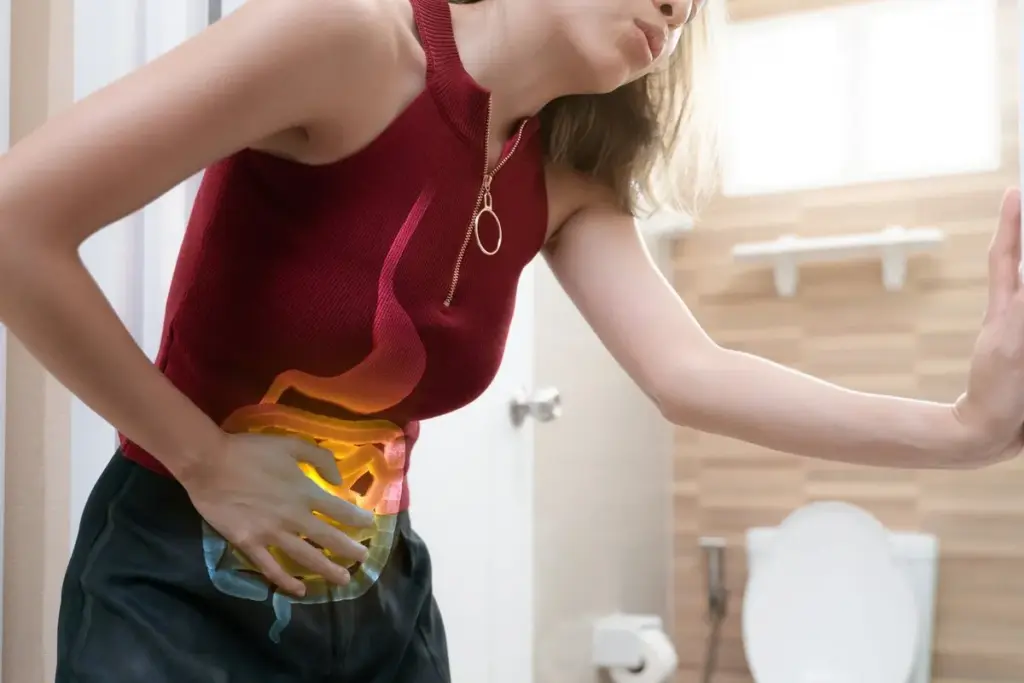
Food poisoning, also known as gastroenteritis, is a big health problem worldwide. It affects millions every year. Symptoms include nausea, vomiting, and diarrhea, caused by bacteria or viruses.
When gastroenteritis hits, it’s important to act fast. Drinking lots of water and taking the right medicine can help avoid dehydration. This article will cover how to treat food poisoning, including antiemetic medicines and first aid tips.
Key Takeaways
- Knowing the medical term for food poisoning is key to treating it right.
- Gastroenteritis can be caused by bacteria or viruses.
- Drinking plenty of water is essential for recovering from food poisoning.
- Antiemetic medicines can help with nausea and vomiting.
- First aid, like oral rehydration therapy, is important for managing symptoms.
Understanding Food Poisoning: Causes, Symptoms, and Risks

Knowing about food poisoning, or gastroenteritis, is key to treating and preventing it. It’s a big problem worldwide, causing 600 million cases and 420,000 deaths each year. This makes it a major health issue globally.
What is Gastroenteritis?
Gastroenteritis, or food poisoning, is when the stomach and intestines get inflamed. This usually happens when you eat something contaminated. Symptoms include nausea, vomiting, diarrhea, stomach pain, fever, and dehydration.
Viral gastroenteritis is the main cause of food poisoning. Knowing its causes and symptoms is vital for good care.
Common Symptoms and Complications
The symptoms of gastroenteritis can be mild or severe. They often include:
- Nausea and vomiting
- Diarrhea
- Abdominal cramps and pain
- Fever
- Dehydration
Most people get better from gastroenteritis without serious problems. But, severe cases can cause dehydration, electrolyte imbalances, and even life-threatening issues. This is true for the elderly, young kids, and those with weak immune systems.
When to Seek Emergency Medical Attention
It’s important to know when to get medical help right away. Go to the emergency room if you or someone else has:
- Severe dehydration
- Blood in stool or vomit
- High fever
- Severe abdominal pain
- Signs of shock
Quick medical help can make a big difference in severe cases of gastroenteritis. This shows how critical it is to know when to seek help.
Best Antiemetic Medicines for Food Poisoning Treatment
Antiemetic medicines are key in treating food poisoning. They help control nausea and vomiting. These drugs can greatly improve life for those with foodborne illnesses. They reduce vomiting, preventing dehydration and electrolyte imbalances.
Over-the-Counter Antiemetic Options
For mild to moderate food poisoning, OTC antiemetics work well. Common ones include:
- Dramamine (dimenhydrinate): It controls nausea and vomiting with its antihistamine properties.
- Pepto-Bismol (bismuth subsalicylate): It helps with nausea and has antimicrobial properties to treat food poisoning causes.
These drugs are easy to find and use as directed. But, always follow the dosage and talk to a doctor if symptoms don’t go away.
Prescription Antiemetics for Severe Cases
For severe food poisoning, prescription antiemetics are needed. Some include:
- Ondansetron (Zofran): It controls nausea and vomiting, often used for chemotherapy or surgery patients.
- Metoclopramide (Reglan): It helps with nausea, vomiting, and gastric emptying, good for gastroparesis or severe food poisoning.
Prescription antiemetics are for when OTC drugs don’t work or the condition is severe. Always talk to a healthcare provider for the right treatment.
Proper Usage and Possible Side Effects
It’s important to follow the dosage of antiemetic drugs to avoid side effects. Common side effects include drowsiness, dizziness, and constipation. Rare but serious side effects may need immediate medical help.
To ensure safe treatment, we suggest:
- Always read and follow the medication label instructions.
- Talk to a healthcare professional before taking any medication, if you have health conditions or are on other drugs.
- Watch your symptoms and tell your healthcare provider about any severe or ongoing side effects.
Knowing the different antiemetic options and using them wisely helps manage food poisoning symptoms. This supports recovery.
First Aid and Home Care for Food Poisoning
Managing food poisoning well needs first aid and home care. When symptoms appear, acting fast is key. This helps prevent dehydration and eases discomfort.
Hydration Strategies and Oral Rehydration Solutions
Staying hydrated is vital when treating food poisoning. Drinking lots of fluids helps replace lost water and salts. Oral Rehydration Solutions (ORS) are great because they have the right mix of salts and sugars.
Use ORS packets from pharmacies or make your own. Mix 1 liter of water with 1 teaspoon of salt and 8 teaspoons of sugar. Drink these solutions often, mainly at the start of food poisoning.
| Fluid Type | Benefits | Precautions |
| Oral Rehydration Solutions (ORS) | Replaces lost electrolytes and fluids | Follow preparation instructions carefully |
| Water | Essential for hydration | May not replace lost electrolytes |
| Clear Broths | Provides some electrolytes and hydration | Avoid if too salty or fatty |
Dietary Adjustments During Recovery
Changing your diet is key when recovering from food poisoning. Start with a bland diet that’s gentle on your stomach. Foods like bananas, rice, applesauce, and toast (the BRAT diet) are good choices.
For more on treating food poisoning, including diet tips, visit https://www.niddk.nih.gov/health-information/digestive-diseases/food-poisoning/treatment.
As you get better, avoid foods that can upset your stomach. Stay away from spicy, fatty, or high-fiber foods. Slowly adding normal foods will help your body heal fully.
Conclusion
Food poisoning, also known as gastroenteritis, is a big health problem worldwide. It needs good treatment and care. Knowing how to treat it is key to getting better and avoiding serious issues.
We talked about the best medicines for food poisoning. These include medicines you can buy without a prescription and those you need a doctor to get. Knowing what medicine works can really help you feel better and get back to normal.
First aid and taking care of yourself at home are also important. Drinking plenty of water and eating the right foods are big parts of getting better. This helps your body fight off the sickness.
Even though food poisoning sounds scary, it can be treated well. If your symptoms don’t get better or get worse, you should see a doctor. They can help stop serious problems.
Understanding how medicine helps with food poisoning is important. It helps you know how to get better. Taking care of food poisoning means using medicine, drinking lots of water, and eating the right foods.
FAQ
What is the medical term for food poisoning?
The medical term for food poisoning is gastroenteritis. It’s a condition that causes inflammation in the stomach and intestines.
What are the common symptoms of food poisoning?
Symptoms of food poisoning include nausea, vomiting, and diarrhea. You might also feel abdominal cramps and become dehydrated. In severe cases, it can lead to serious issues like electrolyte imbalances and shock.
What is the best antiemetic medicine for food poisoning?
The best antiemetic medicine varies based on how bad the symptoms are and what the patient needs. Over-the-counter options like dimenhydrinate and meclizine can work well. For more severe cases, prescription medicines like ondansetron might be needed.
How can I manage dehydration caused by food poisoning?
To manage dehydration, use oral rehydration solutions (ORS). These solutions have the right mix of salts and sugars. They help replace lost fluids and electrolytes, aiding in recovery and preventing further complications.
What dietary adjustments should I make during recovery from food poisoning?
Stick to a bland diet during recovery. Include foods like bananas, rice, applesauce, and toast (BRAT diet). Avoid spicy, fatty, or high-fiber foods to help manage symptoms and aid in healing.
When should I seek emergency medical attention for food poisoning?
Seek emergency help if you have severe symptoms. This includes bloody stools, severe abdominal pain, or signs of dehydration like excessive thirst, dark urine, or dizziness.
Can I take antiemetic medication without consulting a healthcare professional?
No, it’s not wise to take antiemetic medication without a doctor’s advice. They can guide you on the best treatment and check for any drug interactions.
What is the role of antiemetic medication in treating food poisoning?
Antiemetic medication is key in treating food poisoning. It helps manage nausea and vomiting, making it easier for patients to recover and rehydrate.
References
World Health Organization. Evidence-Based Medical Guidance. Retrieved from https://www.who.int/news-room/fact-sheets/detail/food-safety[7