
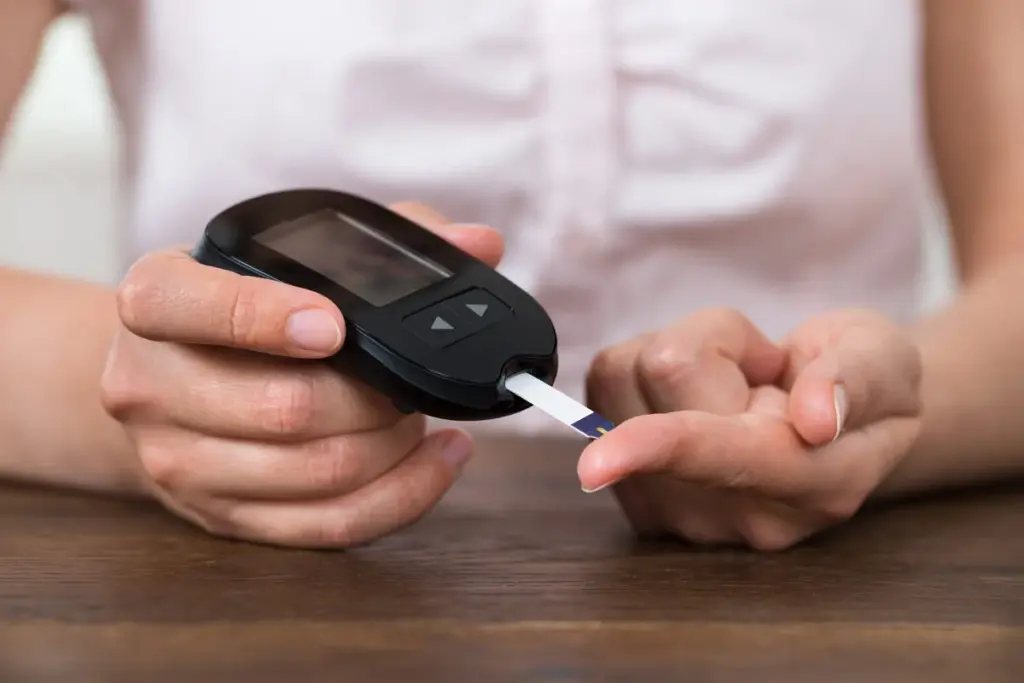
Imagine feeling shaky, sweating, and confused because your blood sugar is too low. Hypoglycemia can happen suddenly. Knowing how to act fast is key to avoiding serious problems.
If you have diabetes, managing your blood sugar is a daily task. Low blood sugar is just as urgent as high. The 15-15 rule is a simple, effective way to treat it right away.
It’s important to know when and how to use this rule. By spotting the signs of low blood sugar, you can take the right steps to treat it.
Key Takeaways
- Recognize the symptoms of low blood sugar to act quickly.
- Apply the 15-15 rule for immediate treatment.
- Understand the importance of balancing blood glucose levels.
- Know when to seek medical help if symptoms persist.
- Be aware of the risks associated with hypoglycemia.
Understanding Hypoglycemia: When Blood Sugar Becomes Dangerous

Blood sugar levels that are too low can lead to serious health complications. It’s vital to understand hypoglycemia. Hypoglycemia, or low blood sugar, occurs when blood glucose levels drop below a certain threshold.
The American Diabetes Association (ADA) defines hypoglycemia as a blood glucose level below 70 mg/dL. This is a critical benchmark for diagnosing and treating this condition.
What Blood Sugar Level Is Considered Too Low
A blood sugar level is considered too low when it falls below 70 mg/dL, according to the ADA’s guidelines. At this level, individuals may start experiencing symptoms of hypoglycemia. These symptoms include shakiness, dizziness, or confusion.
It’s essential to recognize these symptoms early to take prompt action.
Is 69 Too Low for Blood Sugar: Understanding the 70 mg/dL Threshold
A blood sugar level of 69 mg/dL is considered low, as it is just below the 70 mg/dL threshold defined by the ADA. While it may not be classified as severe hypoglycemia, it requires attention. Consuming fast-acting carbohydrates can help raise blood sugar levels back to a safe range.
Dangerously Low Blood Sugar: Levels Below 55 mg/dL
Levels below 54 mg/dL are considered severe hypoglycemia, according to the ADA. Blood sugar levels below 55 mg/dL can lead to more severe symptoms. These include seizures, loss of consciousness, or even death if left untreated.
Understanding the different levels of hypoglycemia is key for effective management. The following table summarizes the key thresholds and corresponding actions:
| Blood Sugar Level (mg/dL) | Classification | Recommended Action |
| Above 70 | Normal | Monitor blood sugar levels |
| 69-54 | Mild to Moderate Hypoglycemia | Consume 15 grams of fast-acting carbohydrates |
| Below 54 | Severe Hypoglycemia | Seek immediate medical attention or administer glucagon |
By understanding these thresholds and taking appropriate actions, individuals can manage hypoglycemia effectively. This prevents serious complications.
The Standard 15-15 Rule: Your Primary Hypoglycemia Supportive Therapy
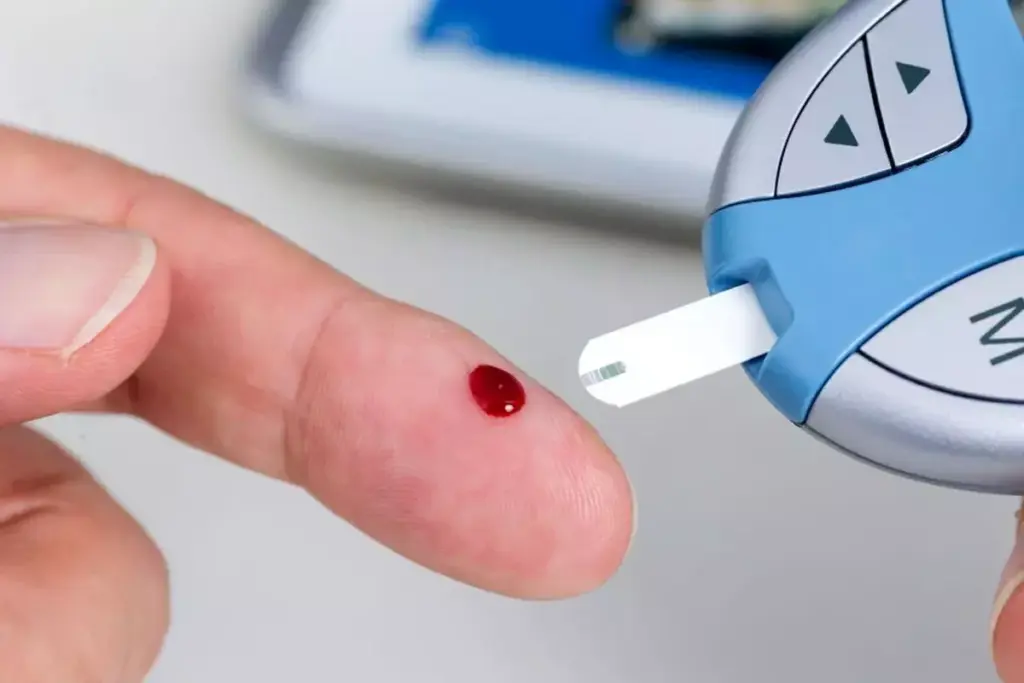
The 15-15 rule is a key way to handle hypoglycemia, backed by health groups. It’s a simple, proven method to keep blood sugar levels in check.
Step 1: Check Your Blood Sugar Immediately
First, check your blood sugar if you think it’s low. This step is to see if your blood glucose is under 70 mg/dL.
Step 2: Consume Exactly 15 Grams of Fast-Acting Carbohydrates
If your sugar is low, eat 15 grams of quick carbs. You can use glucose tablets, gel, or 4 ounces of fruit juice. This helps raise your sugar fast but not too high.
Step 3: Wait 15 Minutes Before Rechecking
After eating the carbs, wait 15 minutes before checking your sugar again. This lets the carbs work and increase your sugar.
Step 4: Repeat if Needed or Follow Up with Protein
If your sugar is not up after the first try, do it again. Once it’s normal, have a snack with protein to keep your sugar stable.
| Step | Action | Details |
| 1 | Check Blood Sugar | Confirm hypoglycemia by checking blood glucose levels. |
| 2 | Consume 15g Carbohydrates | Use glucose tablets, gel, or fruit juice to raise blood sugar. |
| 3 | Wait 15 Minutes | Allow the carbohydrates to take effect. |
| 4 | Recheck and Adjust | Repeat if necessary; follow up with a protein snack. |
By using the 15-15 rule, you can manage hypoglycemia well. It’s easy to follow and supported by science. It’s a solid way to handle low blood sugar.
Modified Treatment Protocols for Severe Hypoglycemia
When blood sugar levels drop too low, we need special treatment plans. Severe hypoglycemia is a serious issue that needs quick and effective care.
What to Do When Blood Sugar Is 56, 52, or 51: The 30-Gram Approach
Studies show that for very low blood sugar, we need a stronger treatment. Eating 30 grams of fast-acting carbs can quickly raise blood sugar.
Key Considerations for the 30-Gram Approach:
- Consume 30 grams of fast-acting carbohydrates immediately.
- Recheck blood sugar levels after 15 minutes.
- Repeat the process if necessary.
- Follow up with a snack or meal that includes protein to help stabilize blood sugar levels.
Managing Hypoglycemia Unawareness in Diabetes
Hypoglycemia unawareness means people with diabetes don’t feel low blood sugar symptoms. To manage this, we need to monitor blood sugar often and adjust treatment plans as needed.
| Strategy | Description | Benefits |
| Regular Blood Glucose Monitoring | Check blood sugar levels frequently to catch low levels early. | Prevents severe hypoglycemia |
| Adjust Treatment Plans | Work with your healthcare provider to adjust medication, diet, and exercise. | Reduces risk of hypoglycemia unawareness |
| Education and Awareness | Learn to recognize subtle symptoms of low blood sugar. | Empowers individuals to take action |
When to Seek Emergency Medical Help
It’s important to know when to call for emergency help with severe hypoglycemia. If you have symptoms like confusion, seizures, or loss of consciousness, call emergency services right away.
Severe hypoglycemia is a medical emergency that requires prompt attention. If you’re not sure about your symptoms or how to treat them, it’s best to get medical help.
Conclusion
It’s important to understand hypoglycemia and how to treat it, if you have diabetes. The 15-15 rule is a well-known way to quickly raise your blood sugar. It involves eating 15 grams of fast-acting carbs, waiting 15 minutes, and then checking your blood sugar again.
If you have severe hypoglycemia, you might need different treatment. Knowing how to handle low blood sugar can prevent serious problems. Quick fixes like glucagon or glucose tablets can help. It’s key to recognize symptoms early and act fast.
By managing your diabetes well, you can avoid the dangers of hypoglycemia. Stay informed and seek medical help when needed. With the right knowledge and support, you can keep your diabetes under control and stay healthy.
FAQ
What is considered a dangerously low level of blood sugar?
Blood sugar below 54 mg/dL is considered dangerously low and requires immediate treatment.
What to do when your blood sugar is low?
Consume fast-acting carbohydrates like glucose tablets, fruit juice, or regular soda, and recheck blood sugar after 15 minutes.
Is 69 too low for blood sugar?
A blood sugar of 69 mg/dL is slightly low and should be treated promptly to prevent further drops.
What is the 15-15 rule for hypoglycemia?
The 15-15 rule involves consuming 15 grams of fast-acting carbs and checking blood sugar after 15 minutes.
What to give for low blood sugar?
Give glucose tablets, 4 ounces of fruit juice, regular soda, or sugar candies to quickly raise blood sugar.
What is a dangerously low blood sugar level?
Dangerously low blood sugar is generally under 54 mg/dL, which can cause confusion, seizures, or loss of consciousness.
How to treat hypoglycemia?
Treat with fast-acting carbohydrates, monitor blood sugar, and follow up with a small meal containing protein and complex carbs.
What are the symptoms of hypoglycemia?
Symptoms include shakiness, sweating, rapid heartbeat, dizziness, hunger, irritability, and confusion.
When to seek emergency medical help for hypoglycemia?
Seek help if unconscious, having seizures, unable to swallow, or blood sugar does not rise after treatment.
How to manage hypoglycemia unawareness?
Increase blood sugar monitoring, adjust insulin or medications, and discuss continuous glucose monitoring or professional guidance with your doctor.
References
National Center for Biotechnology Information. Evidence-Based Medical Insight. Retrieved from https://pmc.ncbi.nlm.nih.gov/articles/PMC8465972/