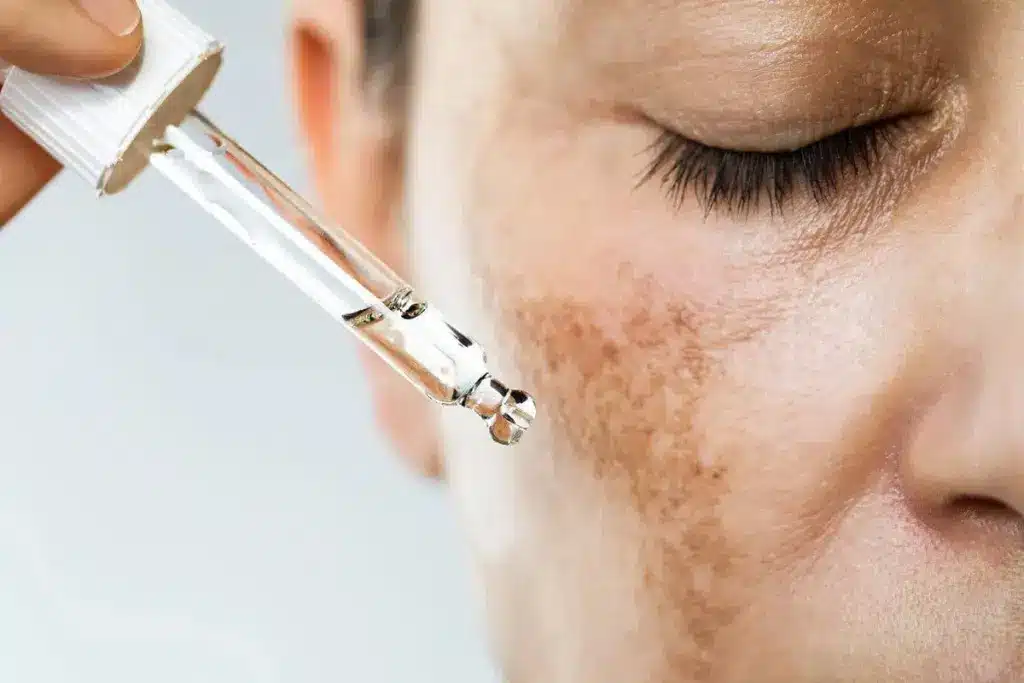
Melasma, a common skin condition characterized by patches of discoloration, can be a source of frustration for many. While conventional treatments are available, a growing number of individuals are seeking natural remedies to address this issue.
Understanding the causes and symptoms of melasma is crucial in determining the most effective natural treatments. Hyperpigmentation resulting from hormonal changes, sun exposure, and genetic predisposition are common factors contributing to melasma.
This article will explore various natural treatments and remedies that can help alleviate melasma symptoms, providing a clearer, more even-toned complexion.
How to treat melasma on face naturally? Discover the amazing and powerful steps you must take for long-term relief and clear skin today.
Key Takeaways
- Understanding melasma causes and symptoms is key to effective treatment.
- Natural remedies can provide a safer alternative to conventional treatments.
- Lifestyle changes and skincare routines play a significant role in managing melasma.
- Certain natural ingredients have been shown to reduce hyperpigmentation.
- A comprehensive approach is necessary for optimal results.
Understanding Melasma: Causes and Symptoms
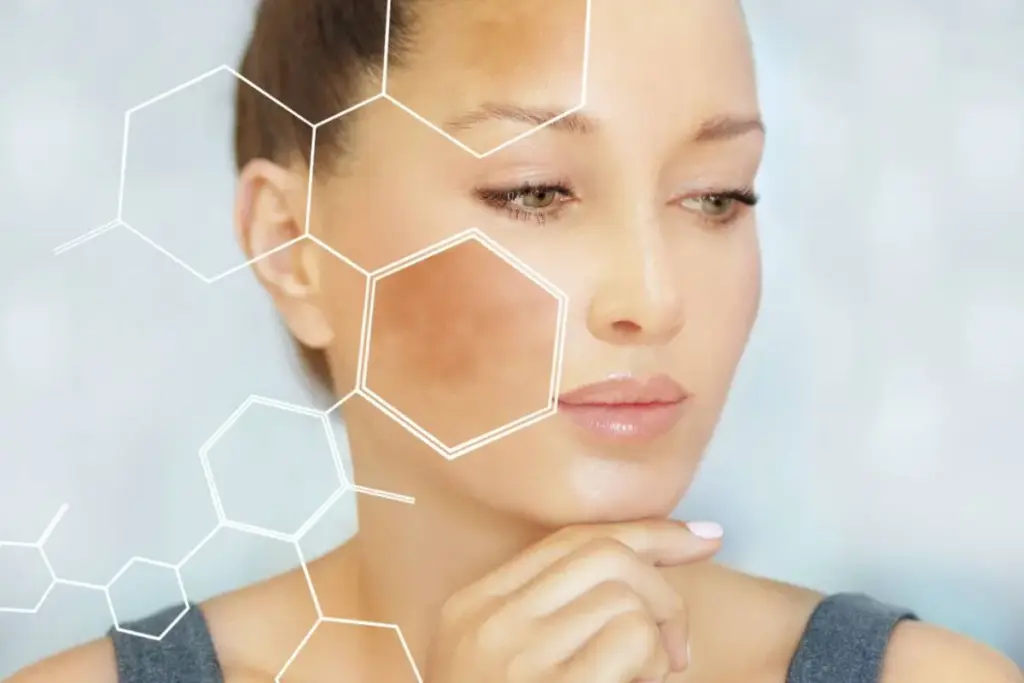
Understanding melasma is crucial for those affected by this condition, which results in noticeable skin discoloration. Melasma is a complex condition influenced by various factors, including hormonal changes, sun exposure, and genetics.
What is Melasma?
Melasma is a skin condition characterized by the appearance of patches of discoloration, typically on the face. It is more common in women, especially during pregnancy, and in individuals with darker skin tones. The condition results from the accumulation of melanin, the pigment responsible for skin color, in the deeper layers of the skin.
Common Symptoms of Melasma
The primary symptom of melasma is the appearance of brown or gray patches on the facial skin, often symmetrically distributed on the:
- Cheeks
- Nose
- Forehead
- Chin
These patches can vary in size and intensity, often becoming more pronounced with sun exposure.
Factors that Contribute to Melasma
Several factors contribute to the development of melasma, including:
- Hormonal Changes: Fluctuations in hormone levels, particularly estrogen and progesterone, can trigger melasma. This is often observed during pregnancy or with the use of hormonal contraceptives.
- Sun Exposure: UV radiation from the sun or tanning beds can stimulate melanin production, exacerbating melasma.
- Genetic Predisposition: Individuals with a family history of melasma are more likely to develop the condition.
- Other Factors: Stress, certain medications, and thyroid disorders can also play a role in the development of melasma.
Understanding these factors is key to managing and treating melasma effectively. Additionally, certain supplements can help with hyperpigmentation by reducing melanin production or enhancing skin health.
The Importance of Sun Protection
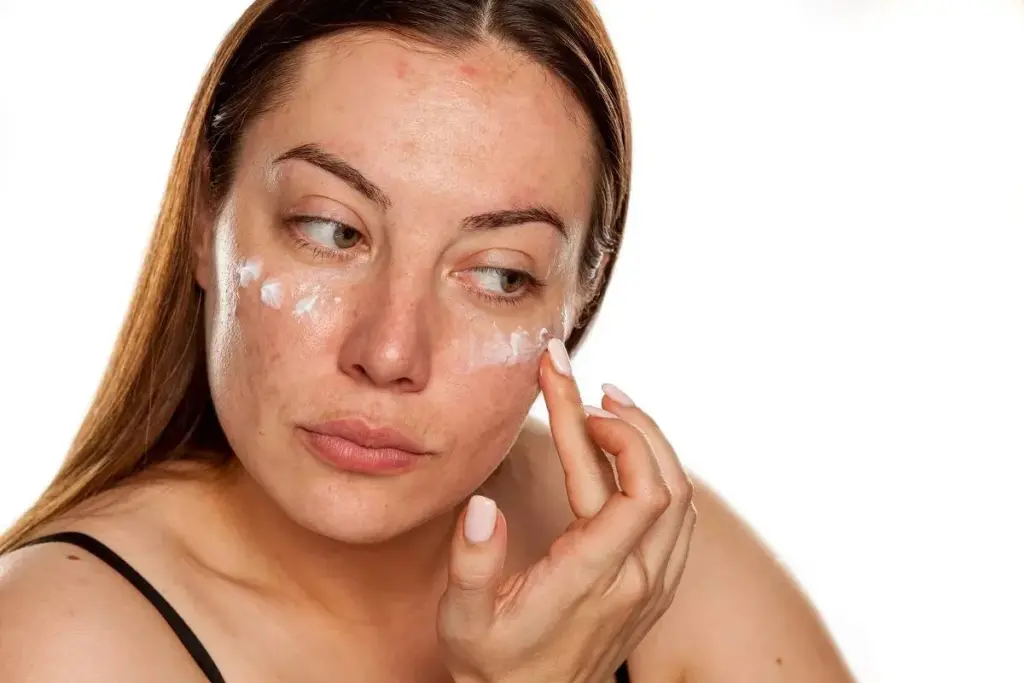
One of the most critical steps in treating melasma is safeguarding your skin against UV rays. Sun exposure is a significant trigger for melasma, and without proper protection, the condition can worsen. Effective sun protection not only helps in managing melasma but also prevents further skin damage.
How UV Rays Affect Melasma
UV rays from the sun stimulate the production of melanin, the pigment responsible for skin color, thereby exacerbating melasma. “UV radiation is a major factor in the development and persistence of melasma,” as noted by dermatological experts. This understanding underscores the need for robust sun protection strategies.
Choosing the Right Sunscreen
When it comes to managing melasma, choosing the right sunscreen is paramount. Opt for a broad-spectrum sunscreen with a high SPF (at least SPF 30) that protects against both UVA and UVB rays. Ingredients like zinc oxide and titanium dioxide are beneficial as they physically block UV rays.
Additional Sun Protection Tips
Beyond sunscreen, additional measures can be taken to protect the skin. These include wearing protective clothing, such as wide-brimmed hats and clothing with a tight weave, seeking shade, especially during peak sun hours (10 am to 4 pm), and using umbrellas or canopies when outdoors.
As
“Prevention is better than cure,”
especially when it comes to sun-induced melasma. By adopting these sun protection strategies, individuals can significantly reduce the risk of melasma worsening.
Natural Remedies to Lighten Melasma
Several natural treatments have been found effective in minimizing the appearance of melasma on the face. These remedies focus on soothing the skin, reducing inflammation, and promoting even skin tone.
Aloe Vera: The Natural Healer
Aloe vera is renowned for its healing properties, making it a popular choice for treating various skin conditions, including melasma. Its gel contains vitamins A, C, and E, which are antioxidants that help in reducing the appearance of melasma by soothing the skin and promoting skin regeneration.
To use aloe vera for melasma, apply the gel directly to the affected area. Leave it on for about 30 minutes before rinsing off with lukewarm water. Repeat this process twice a day for optimal results.
Apple Cider Vinegar: A Potent Solution
Apple cider vinegar is another effective natural remedy for melasma. It contains acetic acid, which helps in balancing the skin’s pH and reducing the appearance of hyperpigmentation. Mix equal parts of apple cider vinegar and water and apply it to the affected area using a cotton ball. Leave it on for a few minutes before rinsing off.
Benefits of Apple Cider Vinegar:
- Balances skin pH
- Reduces hyperpigmentation
- Has antimicrobial properties
Licorice Root Extract: Skin Brightening
Licorice root extract is known for its skin-brightening properties. It contains glabridin, a compound that inhibits the production of melanin, thereby reducing the appearance of melasma. You can find licorice root extract in various skincare products or take it as a supplement after consulting with a healthcare professional.
When using licorice root extract, it’s essential to patch test to avoid any adverse reactions. Start with a small concentration and gradually increase as your skin becomes more tolerant.
By incorporating these natural remedies into your skincare routine, you can potentially lighten melasma and achieve a more even skin tone. Remember, consistency and patience are key, as natural remedies may take time to show results.
Dietary Changes for Skin Health
A well-nourished body is better equipped to fight melasma, thanks to the right dietary changes. Making informed food choices can significantly impact the health and appearance of your skin. By incorporating specific nutrients and vitamins, you can enhance your skin’s natural repair processes and reduce the appearance of melasma.
Antioxidant-Rich Foods
Antioxidants play a crucial role in protecting the skin from damage caused by free radicals, which can exacerbate melasma. Foods rich in antioxidants include berries, leafy greens, and other fruits and vegetables.
- Berries: Blueberries, strawberries, and raspberries are packed with antioxidants.
- Leafy Greens: Spinach and kale are rich in vitamins A, C, and E.
Essential Vitamins for Skin Health
Vitamins are crucial for skin repair and health. Vitamins A, C, and E are particularly beneficial for their antioxidant properties and their role in skin regeneration.
|
Vitamin |
Benefits |
Food Sources |
|---|---|---|
|
Vitamin A |
Promotes skin regeneration, reduces appearance of fine lines |
Carrots, sweet potatoes, liver |
|
Vitamin C |
Boosts collagen production, brightens skin |
Oranges, strawberries, bell peppers |
|
Vitamin E |
Protects skin from damage, supports skin health |
Nuts, seeds, spinach |
The Importance of Hydration
Proper hydration is essential for maintaining healthy skin. Water helps to flush out toxins and keep the skin hydrated, reducing the appearance of melasma.
Drinking enough water throughout the day can improve skin elasticity and texture, making it look more vibrant and healthy.
Herbal Treatments for Melasma
Nature provides several herbal treatments that can help alleviate melasma symptoms. These natural remedies have been used for centuries to address various skin issues, including hyperpigmentation. Herbal treatments offer a holistic approach to managing melasma, focusing on reducing inflammation, fighting free radicals, and promoting overall skin health.
Turmeric: Nature’s Anti-Inflammatory
Turmeric, with its active compound curcumin, is renowned for its anti-inflammatory and antioxidant properties. Turmeric for melasma is gaining attention due to its potential to reduce inflammation and promote skin health. To use turmeric for melasma, you can create a paste by mixing it with water or honey and apply it to the affected areas.
Green Tea: A Calming Antioxidant
Green tea is rich in antioxidants, which help protect the skin from damage caused by free radicals. Green tea benefits extend to reducing inflammation and promoting skin health, making it a valuable herbal treatment for melasma. You can use cooled green tea as a toner or apply a green tea bag directly to the skin.
Other Beneficial Herbs
Apart from turmeric and green tea, other herbs like neem, chamomile, and licorice root have shown promise in managing melasma. Neem has antibacterial properties, while chamomile soothes the skin. Licorice root extract is known for its skin brightening properties. These herbs can be used in various forms, including teas, extracts, or infused oils, to support skin health.
By incorporating these herbal treatments into your skincare routine, you can take a holistic approach to managing melasma. Always consult with a healthcare professional before starting any new treatments.
Lifestyle Changes to Reduce Melasma
To combat melasma, it’s essential to incorporate specific lifestyle changes into your daily routine. These changes can significantly impact the reduction and management of melasma symptoms.
Stress Management Techniques
Stress can exacerbate melasma. Practicing stress management techniques is vital.
- Meditation and Yoga: Regular meditation and yoga practice can help reduce stress levels. These practices promote relaxation and overall well-being.
- Deep Breathing Exercises: Simple deep breathing exercises can be done anywhere and are effective in calming the mind and body.
The Impact of Sleep on Skin
Adequate sleep is crucial for skin health. During sleep, the body repairs and rejuvenates the skin.
- Establishing a Sleep Routine: Going to bed and waking up at the same time every day helps regulate the body’s internal clock.
- Creating a Sleep-Conducive Environment: Ensuring the bedroom is dark, quiet, and cool can improve sleep quality.
Avoiding Triggers
Identifying and avoiding triggers that can worsen melasma is important.
- Hormonal Changes: Being aware of hormonal fluctuations and discussing them with a healthcare provider can help manage melasma.
- Certain Medications: Some medications can trigger or worsen melasma. Consulting with a doctor about alternative medications can be beneficial.
|
Lifestyle Change |
Benefit |
|---|---|
|
Stress Management |
Reduces stress, which can exacerbate melasma |
|
Adequate Sleep |
Promotes skin repair and rejuvenation |
|
Avoiding Triggers |
Minimizes factors that can worsen melasma |
By incorporating these lifestyle changes, individuals can better manage melasma and improve their overall skin health.
Home Remedies for Melasma Prevention
Effective melasma prevention involves using home remedies that promote healthy, balanced skin. By incorporating simple, natural treatments into your skincare routine, you can reduce the appearance of melasma and maintain a radiant complexion.
Exfoliation Techniques
Exfoliation is a crucial step in any skincare routine, helping to remove dead skin cells and promote cell turnover. For melasma prevention, gentle exfoliation techniques are recommended.
- Chemical Exfoliants: Alpha-hydroxy acids (AHAs) and beta-hydroxy acids (BHAs) help dissolve dead skin cells and unclog pores.
- Physical Exfoliants: Gentle scrubs or brushes can be used 1-2 times a week to remove dead skin cells.
Natural Masks and Peels
Natural masks and peels can provide an intense dose of nourishment and brightening to the skin, helping to prevent melasma.
|
Mask/Peel |
Ingredients |
Benefits |
|---|---|---|
|
Turmeric Mask |
Turmeric powder, yogurt, honey |
Anti-inflammatory, brightening |
|
Cucumber Peel |
Cucumber, aloe vera |
Cooling, hydrating |
Moisturizing for Melasma Prevention
Moisturizing is essential for maintaining the skin’s barrier function and preventing dryness that can exacerbate melasma.
Key moisturizing tips:
- Use a moisturizer that contains natural ingredients like aloe vera or hyaluronic acid.
- Apply moisturizer immediately after cleansing and toning.
- Consider using a moisturizer with SPF for added sun protection.
When to Seek Professional Help
If your melasma persists or worsens, it’s crucial to consider seeking help from a dermatologist. While natural remedies can be effective, some cases may require professional dermatological care to address the condition effectively.
Dermatological Treatments Available
Several dermatological treatments are available for melasma, including:
- Topical Creams: Creams containing hydroquinone, retinoids, or corticosteroids can help lighten melasma patches.
- Chemical Peels: A solution is applied to remove the top layers of the skin, helping to reduce melasma appearance.
- Microdermabrasion: A non-invasive exfoliating treatment that can help improve skin texture and reduce melasma.
- Laser Therapy: Laser treatments can help reduce melasma by targeting the pigment.
A dermatologist can recommend the best treatment based on the severity and type of melasma.
Understanding the Risks
While dermatological treatments can be effective, they also come with potential risks and side effects. For example:
- Skin Irritation: Topical creams and chemical peels can cause irritation, redness, or dryness.
- Infection: As with any invasive treatment, there’s a risk of infection with procedures like chemical peels or laser therapy.
- Post-Inflammatory Hyperpigmentation (PIH): Some treatments can lead to PIH, especially in darker skin types.
It’s essential to discuss these risks with your dermatologist to understand how to minimize them.
Questions to Ask Your Dermatologist
When seeking professional help, it’s crucial to ask the right questions. Consider asking:
- What treatment options do you recommend for my type of melasma?
- What are the potential side effects of the recommended treatments?
- How can I prepare for the treatment, and what is the aftercare like?
- Are there any alternative treatments or complementary therapies that can enhance the results?
|
Treatment |
Benefits |
Risks |
|---|---|---|
|
Topical Creams |
Easy to apply, can be used at home |
Skin irritation, dryness |
|
Chemical Peels |
Can significantly reduce melasma appearance |
Risk of infection, PIH |
|
Laser Therapy |
Targets pigment directly |
Risk of PIH, requires multiple sessions |
Melasma is a common skin condition characterized by patches of discoloration, typically on the face. Understanding the available treatments and their implications is vital for effective management. – American Academy of Dermatology
Conclusion: Embracing Natural Treatments
Embracing natural treatments for melasma can be a game-changer for those struggling with this condition. By incorporating daily routines that include sun protection, a balanced diet rich in vitamins and antioxidants, and stress management techniques, individuals can effectively manage melasma.
Effective Daily Routines
Establishing a consistent skincare routine that includes natural remedies such as aloe vera, turmeric, and green tea can help lighten melasma. Daily routines for melasma management also involve staying hydrated and getting adequate sleep.
Commitment to Natural Remedies
Staying committed to natural remedies is crucial for achieving desired results. This involves being patient and persistent in applying these treatments, as well as making lifestyle changes that support skin health.
Final Considerations
Vitamins for melasma treatment, such as vitamin C and E, play a significant role in skin repair and regeneration. By combining these vitamins with other natural treatments and maintaining a healthy lifestyle, individuals can reduce the appearance of melasma and achieve healthier, more radiant skin.
FAQ
What are the best melasma treatments?
The best melasma treatments often involve a combination of natural remedies, lifestyle changes, and sun protection. Some effective treatments include using aloe vera, apple cider vinegar, and licorice root extract to lighten melasma.
Is there a natural cure for melasma?
While there isn’t a single natural cure for melasma, various natural remedies and lifestyle changes can help manage and reduce its appearance. These include dietary changes, herbal treatments, and stress management techniques.
How can I treat melasma naturally at home?
Treating melasma naturally at home involves using natural remedies like aloe vera, apple cider vinegar, and turmeric. Additionally, maintaining a healthy diet rich in antioxidants, staying hydrated, and protecting your skin from the sun are crucial.
What supplements help with hyperpigmentation?
Supplements that can help with hyperpigmentation include vitamins C and E, glutathione, and omega-3 fatty acids. These nutrients can help reduce the appearance of melasma and promote overall skin health.
Can glutathione help with melasma?
Yes, glutathione is known for its antioxidant properties and can help lighten areas of hyperpigmentation, including melasma. It can be taken orally or applied topically.
What vitamins are beneficial for melasma treatment?
Vitamins C and E are particularly beneficial for melasma treatment due to their antioxidant properties. Vitamin C can help brighten the skin, while vitamin E supports skin health and repair.
How can I remove melasma naturally?
Removing melasma naturally involves a consistent skincare routine that includes natural remedies, sun protection, and lifestyle changes. It’s also important to be patient, as natural treatments can take time to show results.
Are there any holistic treatments for melasma?
Yes, holistic treatments for melasma include herbal remedies, dietary changes, stress management, and other natural approaches that aim to balance the body’s overall health and reduce melasma.