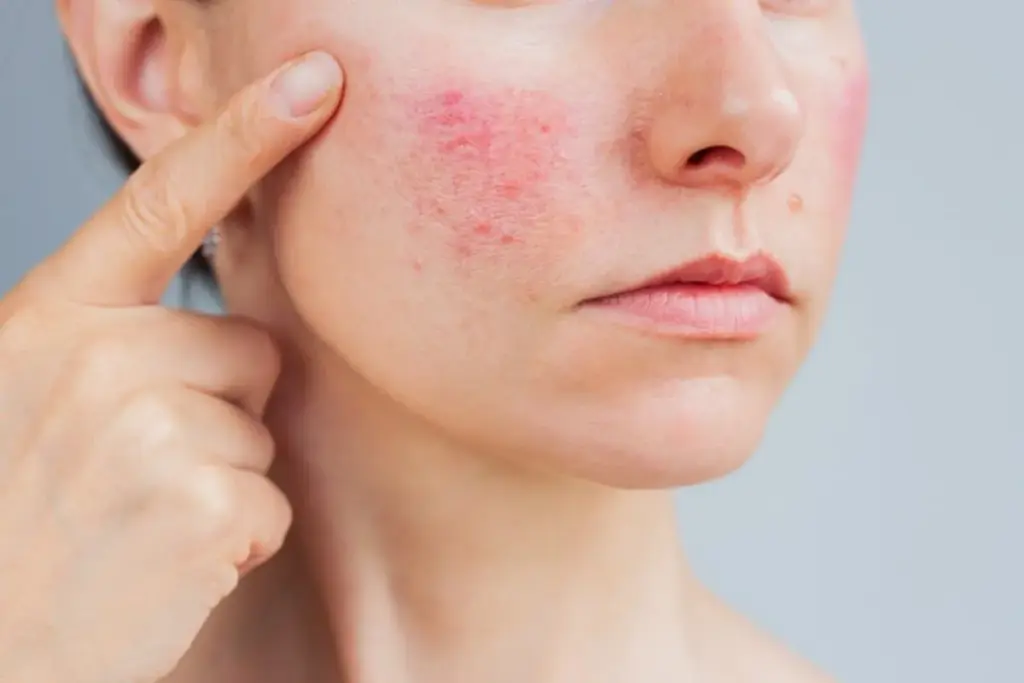
Many people struggle with facial redness every day. This chronic skin condition affects your daily life and how you feel about yourself. But, finding the right rosacea treatment dermatologist can help you achieve healthy, glowing skin.
Rosacea makes your face look flushed or red. You might see small bumps filled with pus that look like acne. At Liv Hospital, we know how hard these symptoms are for our patients.
Our rosacea dermatologist team offers clear, effective care. We provide top-notch healthcare and support for international visitors. We aim to help you get clearer and more comfortable skin with our professional advice.
Managing rosacea starts with knowing your triggers and symptoms. Learning how to treat rosacea helps you feel more comfortable and find lasting rosacea relief. Explore these proven methods to balance your skin’s health.
Key Takeaways
- Rosacea is a chronic condition causing facial redness and small, pus-filled bumps.
- Early intervention by a specialist prevents the symptoms from worsening over time.
- Identifying personal environmental triggers is essential for effective daily control.
- Personalized care pathways help restore self-confidence and skin health.
- Modern medical approaches offer reliable relief for sensitive and inflamed skin.
- Professional guidance ensures you distinguish the condition from standard adult acne.
Understanding Rosacea and Why Professional Treatment Matters
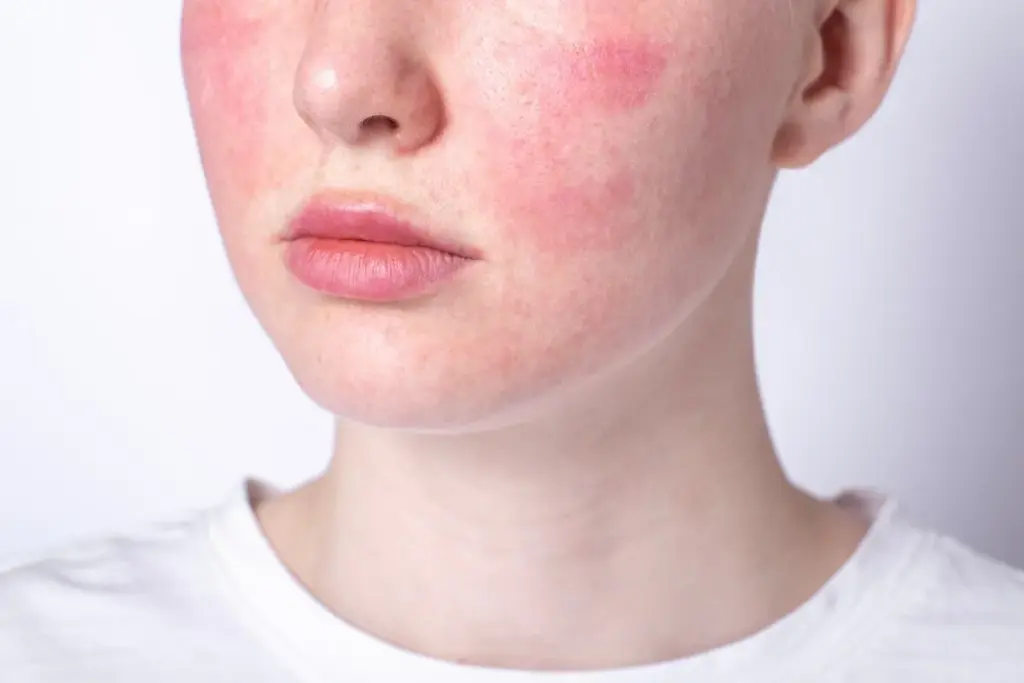
Rosacea affects many people, hitting some more than others. This makes getting professional help very important.
Understanding Rosacea and Its Impact
Rosacea is more than a skin issue. It can hurt how you feel and how you interact with others. With over 16 million Americans dealing with it, finding the right treatment is key.
Anyone can get rosacea, but some are more likely. This includes people in their 40s and 50s, women, and those with light skin. There are four types, and what works for one person might not work for another. So, a treatment plan that fits you is vital.
The Importance of Professional Treatment
Our dermatologists know how to treat rosacea well. They use the newest methods to help symptoms and boost confidence. It’s not just about fixing the symptoms. It’s about finding out why they happen and fixing that too.
Key aspects of professional rosacea treatment include:
- Accurate diagnosis to determine the type and severity of rosacea
- Personalized treatment plans based on individual skin types and needs
- Access to the latest treatment options, including topical and oral medications, laser therapies, and lifestyle modifications
Getting professional help means getting a treatment plan that works for you. It helps not just with symptoms but with your overall life quality.
How to Treat Rosacea: 7 Dermatologist-Approved Methods
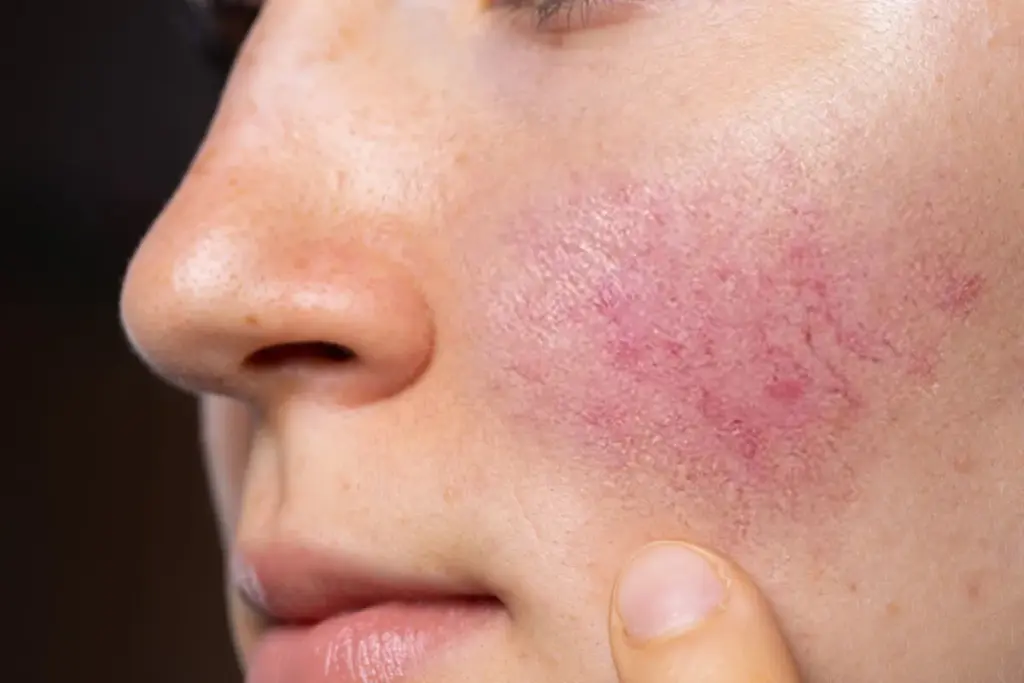
Recent medical breakthroughs have helped over 70% of patients see big improvements in their rosacea symptoms. At Liv Hospital, our dermatologists use the latest methods to help our patients feel better. They focus on improving the quality of life for everyone.
Understanding the treatment options is key to managing rosacea. Our dermatologists create personalized plans to meet each patient’s needs. They use a variety of methods to tackle different rosacea symptoms.
1. Topical Prescription Medications
Topical prescription medications are a mainstay in treating rosacea. Creams and gels with ivermectin and azelaic acid reduce inflammation and fight bacteria. These are applied directly to the affected areas for targeted relief.
These medications help by reducing inflammation and controlling bacteria. This makes them a vital part of many treatment plans.
2. Oral Antibiotics for Inflammatory Rosacea
Oral antibiotics like doxycycline are used for inflammatory rosacea. They reduce inflammation and prevent pimples and pustules. Oral antibiotics are great for managing symptoms, reducing redness and discomfort.
3. Laser and Light-Based Therapies
Laser and light-based therapies are non-invasive ways to reduce rosacea symptoms. They target affected areas with specific light wavelengths. This reduces symptoms without harming the skin.
This method is great for those wanting to hide rosacea signs. It boosts appearance and confidence.
4. Targeted Skincare Routine Modifications
Changing your skincare routine is key in managing rosacea. Avoiding harsh products and triggers helps prevent flare-ups. Our dermatologists suggest a gentle skincare routine to soothe and protect the skin.
A targeted skincare routine helps manage symptoms and prevents future flare-ups. It’s an important part of rosacea care.
Creating Your Personalized Rosacea Management Plan with a Dermatologist
At Liv Hospital, we know managing rosacea needs a special plan. Our dermatologists work with you to make a plan that fits your needs and symptoms.
Creating a plan means knowing your symptoms, what triggers them, and your treatment options. This might include medical treatments and lifestyle changes for clearer, more comfortable skin.
Key Components of a Personalized Rosacea Management Plan:
- Thorough diagnosis to understand your rosacea subtype and severity
- Discussion of treatment options, including topical and oral medications, laser therapies, and skincare routine modifications
- Ongoing support to monitor your progress and adjust the treatment plan as needed
Our method at Liv Hospital combines the latest in dermatology with care that’s just for you. We aim to boost your confidence by making your skin clearer and more comfortable.
Effective rosacea management is a team effort. Working with our dermatologists, you can create a plan that fits your life and tackles your rosacea worries.
| Rosacea Management Strategies | Description | Benefits |
| Topical Prescription Medications | Medications applied directly to the skin to reduce inflammation and redness | Reduces symptoms, easy to apply |
| Laser and Light-Based Therapies | Non-invasive treatments that target visible blood vessels and reduce redness | Long-term reduction in redness and visible blood vessels |
| Skincare Routine Modifications | Customized skincare advice to avoid irritants and soothe the skin | Helps in managing symptoms, improves skin health |
By understanding your unique situation and tailoring treatment, we can manage rosacea well. Our goal is to enhance your skin health and improve your life quality.
Conclusion
Rosacea is a treatable condition. With the right approach, symptoms can be managed well. At Liv Hospital, we offer complete care and support to our patients.
Understanding rosacea and working with our experienced dermatologists can lead to big improvements. You can see better results in your symptoms and life quality.
Effective medical management can greatly improve how you feel and interact with others. Our dermatologists are experts in treating rosacea. They create personalized plans for you.
By getting help from a dermatologist rosacea specialist, you can find relief. You’ll learn how to treat rosacea effectively.
Our approach to treating rosacea can make symptoms less noticeable. This improves your overall well-being. We encourage you to take the first step towards relief. Schedule a consultation with our experienced dermatologists today.
FAQ
How can I achieve long-term rosacea relief and manage flare-ups?
Achieving long-term relief requires a dual approach of medical therapy and strict trigger management. Common triggers include spicy foods, alcohol, extreme temperatures, and emotional stress. Identifying these personal triggers using a daily diary is the first step toward reducing the frequency of flare-ups. Long-term maintenance often involves the daily use of a high-quality, mineral-based SPF 30 or higher, as UV radiation is the most common cause of rosacea progression. Gentle, soap-free cleansers and barrier-repairing moisturizers containing ceramides also help maintain the skin’s defense against external irritants.
How can you get rid of rosacea pimples and pustules effectively?
The inflammatory bumps and pustules associated with papulopustular rosacea are effectively treated with topical medications such as ivermectin, azelaic acid, or metronidazole. These treatments target the inflammation and the microscopic Demodex mites that are often found in higher concentrations on rosacea-prone skin. For more stubborn cases, a dermatologist may prescribe low-dose oral antibiotics, such as 40mg doxycycline, which works as an anti-inflammatory rather than a traditional antibiotic. These medications help clear existing pustules and prevent the formation of new ones without the harshness of standard acne treatments.
What should I expect when visiting a rosacea treatment dermatologist?
During a consultation, a dermatologist will perform a physical examination of your skin texture, redness patterns, and eye health to determine your specific rosacea subtype. They will likely ask about your family history and typical triggers. You can expect a personalized treatment plan that may include a combination of topical prescriptions, oral medications, and a customized skincare routine. The dermatologist may also discuss advanced options like laser therapy for persistent redness or visible blood vessels and will provide guidance on how to avoid common irritants found in over-the-counter products.
Is there a specific treatment for rosacea and acne if I suffer from both conditions?
Treating “acne rosacea” is complex because standard acne treatments like benzoyl peroxide or high-strength salicylic acid are often too harsh for the sensitive skin barrier of a rosacea patient. Azelaic acid is a gold-standard treatment for those suffering from both, as it kills acne-causing bacteria and reduces the redness and inflammation of rosacea simultaneously. Sulfur-based washes are also highly effective as they are anti-bacterial and anti-fungal but gentler than many synthetic acne chemicals. A dermatologist may also utilize oral medications that address both inflammatory pathways without causing excessive dryness.
Are there permanent options for rosacea removal of visible blood vessels?
Visible blood vessels, or telangiectasia, do not typically respond to topical creams or oral medications. The most effective “permanent” removal method is Vascular Laser therapy or Intense Pulsed Light (IPL). These treatments target the hemoglobin in the blood, causing the dilated vessels to collapse and be naturally reabsorbed by the body. While the specific vessels treated are permanently removed, rosacea is a chronic condition, and new vessels may form over several years if triggers and sun exposure are not managed. Most patients require an initial series of treatments followed by a maintenance session every 1–2 years.
Do you provide services for international patients seeking behandling af rosacea or rosacea behandling?
Yes, Liv Hospital provides comprehensive services for international patients traveling for specialized dermatological care, including “behandling af rosacea.” We offer dedicated international patient coordinators who assist with language translation, travel arrangements, and treatment scheduling. Our dermatology department is equipped with the latest laser technologies and medical protocols to provide world-class care for patients from various regions. We ensure that international patients receive a full diagnostic workup and a long-term management plan that can be continued with their local physicians upon returning home.
How can you get rid of rosacea permanently through medical intervention?
While there is currently no “cure” that eliminates the underlying genetic predisposition for rosacea, modern medical intervention can achieve such high levels of clearance that the condition appears to be gone. This state, often called “clear” or “remission,” is achieved through a combination of laser therapy to remove redness, topical anti-inflammatories to stop bumps, and strict lifestyle modifications. By keeping the skin in a calm state for an extended period, the inflammatory cycle is broken, and many patients can maintain clear skin for years with minimal maintenance therapy.
References
National Center for Biotechnology Information. Evidence-Based Medical Insight. Retrieved from https://pmc.ncbi.nlm.nih.gov/articles/PMC12714495/



 Departments
 Related Videos
 Our Doctors
 News
News