
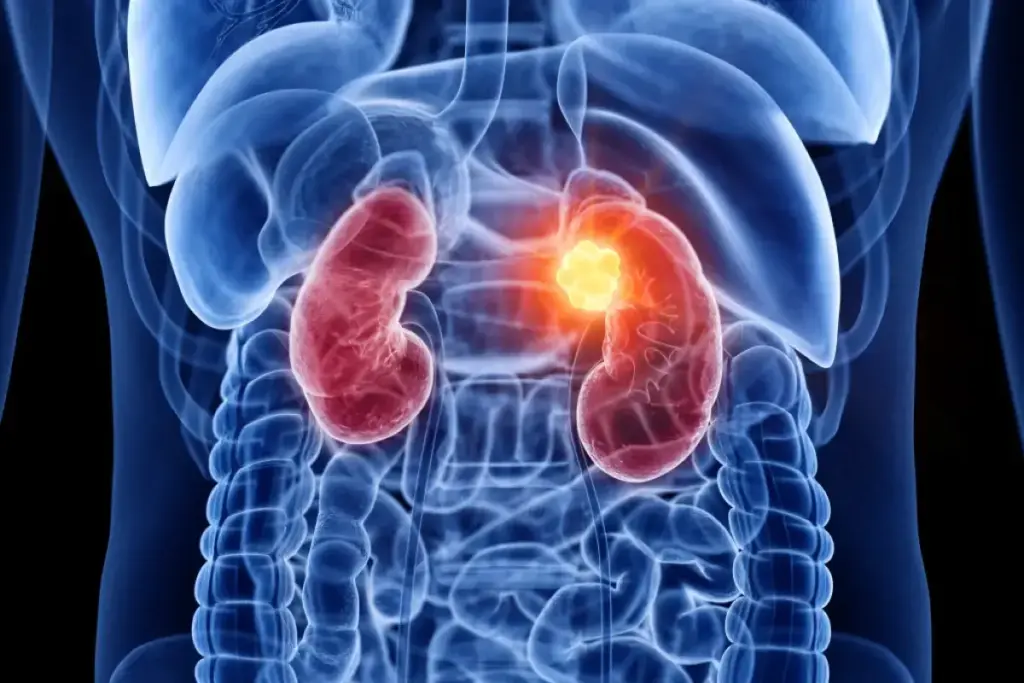
Secondary adrenal insufficiency is a complex condition that affects millions worldwide. It’s different from primary adrenal insufficiency because it happens when the pituitary gland doesn’t send the right signals to the adrenal cortex. This can be due to long-term steroid use or problems with the pituitary gland. It’s important to know how to manage this condition well, as the right treatment can prevent serious health crises.
For those dealing with this condition, learning about treatment options is key. The main goal of treatment is to replace glucocorticoids to act like the adrenal glands. Hydrocortisone is often used for this purpose. We will dive into the different treatment strategies and management approaches in more detail.
Key Takeaways
- Secondary adrenal insufficiency occurs due to inadequate ACTH production by the pituitary gland.
- Glucocorticoid replacement therapy is the cornerstone of treatment.
- Hydrocortisone is typically used for glucocorticoid replacement.
- Treatment doses are adjusted based on individual needs to prevent symptoms.
- Lifelong replacement therapy is often necessary for permanent cases.
Understanding Secondary Adrenal Insufficiency
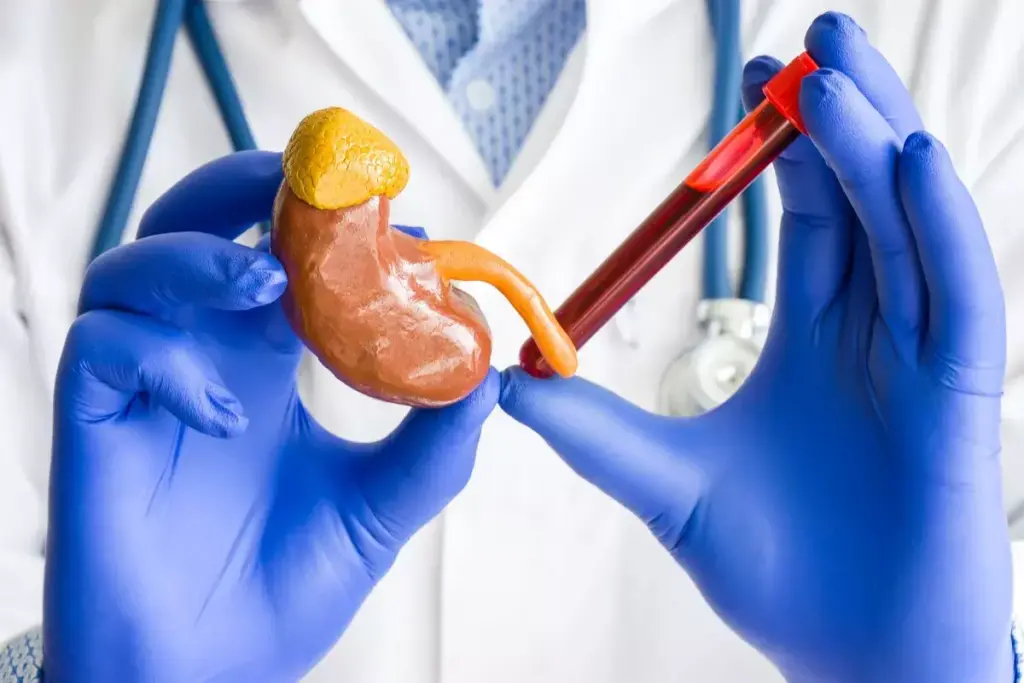
It’s important to understand secondary adrenal insufficiency to help patients. This condition happens when the adrenal glands don’t make enough cortisol. This is because the pituitary gland doesn’t send enough signals.
Definition and Pathophysiology
Secondary adrenal insufficiency is when the pituitary gland doesn’t make enough ACTH. ACTH is needed to tell the adrenal glands to make cortisol. This is different from primary adrenal insufficiency, where the adrenal glands are damaged. Learn more about secondary adrenal insufficiency.
The problem starts with the HPA axis, which is key for stress response and body regulation. It can be disrupted by tumors, radiation, or exogenous glucocorticoid use. This is a common cause.
Prevalence and Risk Factors
Secondary adrenal insufficiency is more common than primary, affecting 150-280 people per million. It can be caused by issues with the pituitary gland or by using glucocorticoids.
| Prevalence Rate | Risk Factors |
| 150-280 per million | Pituitary gland conditions, glucocorticoid use |
Common Causes and Triggers
Pituitary tumors, craniopharyngioma, and exogenous glucocorticoid therapy are common causes. Using glucocorticoids for long periods can suppress the HPA axis. This leads to secondary adrenal insufficiency when stopped or during stress.
Symptoms and Clinical Presentation
Symptoms include fatigue, weakness, low blood pressure, and hypoglycemia. Unlike primary, secondary doesn’t cause hyperpigmentation because ACTH levels are low.
Diagnosis can be tricky and often requires a strong suspicion. It’s key for those with a history of glucocorticoid use or pituitary disease. Knowing this helps in diagnosing and managing the condition effectively.
Secondary Adrenal Insufficiency Treatment Options

Understanding how to treat secondary adrenal insufficiency is key. The main goal is to replace the missing glucocorticoids. This helps restore normal body functions.
Glucocorticoid Replacement Therapy
Glucocorticoid replacement therapy is the main treatment for secondary adrenal insufficiency. Medications like hydrocortisone and prednisone are used. They aim to match the body’s natural cortisol production.
Hydrocortisone is often the first choice because it acts like cortisol. It’s given in two to three doses a day. The biggest dose is in the morning to match the body’s natural cortisol peak.
Individualized Dosing Strategies
Each person needs a unique treatment plan for secondary adrenal insufficiency. The dose of glucocorticoid therapy is adjusted based on how well the patient responds. This includes looking at symptoms and sometimes blood tests.
Things like weight, age, and other health issues also play a role in the treatment plan.
| Medication | Typical Dosage | Administration Frequency |
| Hydrocortisone | 15-30 mg | 2-3 times daily |
| Prednisone | 5-7.5 mg | Once daily |
Managing Treatment During Illness and Stress
It’s important to manage treatment when you’re sick or stressed. This helps avoid adrenal crisis. For minor illnesses, doubling the usual dose is often advised.
Monitoring for signs of adrenal crisis is key. Look out for severe fatigue, dizziness, and low blood pressure. Patients should know when to get medical help and how to adjust their medication.
Conclusion
Managing secondary adrenal insufficiency well is key to avoid serious issues like adrenal crisis. We talked about the need for glucocorticoid replacement therapy. Also, finding the right dose for each patient is important.
It’s critical to know the signs of low cortisol levels early. This helps in acting fast when needed. People with secondary adrenal failure should know what to do when they’re sick or stressed.
Getting better from an adrenal crisis needs careful watching and handling. Knowing how long recovery takes and what precautions to take can help a lot. This knowledge improves patient results.
By sticking to the management plans we discussed, patients can live fully with the right medical care. It’s vital to remember that treatment is for life. This ensures the best life quality possible.
FAQ
What is secondary adrenal insufficiency?
Secondary adrenal insufficiency happens when the adrenal glands don’t make enough cortisol. This is because of a problem with the pituitary gland or hypothalamus, not the adrenal glands themselves.
How does secondary adrenal insufficiency differ from primary adrenal insufficiency?
Secondary adrenal insufficiency is different from primary because it’s caused by issues with the pituitary gland or hypothalamus. Primary is caused by problems with the adrenal glands.
What are the common causes and triggers of secondary adrenal insufficiency?
Common causes include taking too much glucocorticoid medication, having a pituitary tumor, or issues with the hypothalamus.
What is glucocorticoid replacement therapy?
This therapy involves giving patients cortisol medication like hydrocortisone or prednisone. It’s to replace the cortisol they’re not making.
How is glucocorticoid replacement therapy individualized?
It’s tailored to each patient. Doctors consider their medical history, lifestyle, and how they react to treatment.
How should treatment be managed during periods of illness and stress?
During illness or stress, doctors adjust the treatment dose. This helps prevent an adrenal crisis.
What are the symptoms of low cortisol levels?
Symptoms include feeling very tired, losing weight, and having low blood pressure. There are others too.
How long does it take to recover from adrenal crisis?
Recovery time varies. It depends on how severe the crisis is and how well the treatment works.
How to wake up adrenal glands after prednisone?
To wake up adrenal glands after prednisone, doctors slowly reduce the medication. They might also use other treatments to help the glands work better.
What are the treatment options for adrenal insufficiency?
Treatments include glucocorticoid replacement therapy. There are also other treatments to help manage symptoms and prevent complications.
References
Government Health Resource. Evidence-Based Medical Guidance. Retrieved fromhttps://www.nadf.us/secondary-adrenal-insufficiency.html[2



 Departments
 Related Videos
 Our Doctors
 News
News