

When the body doesn’t get enough food for a long time, it can face a serious problem called starvation ketoacidosis. This happens when the body makes too many ketone bodies. This leads to a condition called metabolic acidosis.
It’s important for doctors to know how to spot and test for this condition. The treatment has several steps. First, they check the patient and make sure they’re stable. Then, they fix any imbalances in electrolytes and give intravenous dextrose.
Doctors need to understand how starvation ketosis works and how it shows up in patients. This knowledge helps them take better care of their patients and avoid big problems.
Key Takeaways
- Starvation ketoacidosis is a serious metabolic condition caused by prolonged glucose deprivation.
- Prompt recognition and laboratory diagnosis are critical for effective treatment.
- Treatment involves a step-by-step approach, including initial assessment, electrolyte correction, and intravenous dextrose administration.
- Understanding the condition’s pathophysiology and clinical presentation improves patient outcomes.
- Careful management can prevent serious complications and refeeding syndrome.
Understanding Starvation Ketoacidosis and Its Pathophysiology
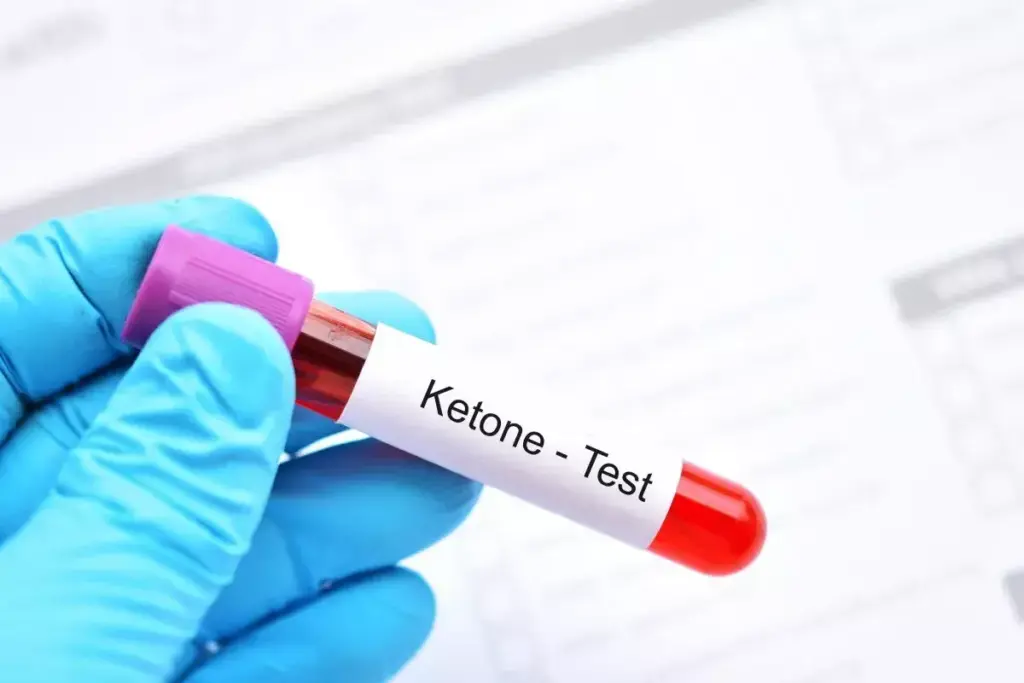
When the body doesn’t get enough glucose, it changes how it uses energy. This leads to starvation ketoacidosis. It’s a state where the body uses different energy sources.
What Happens During Prolonged Glucose Deprivation
At first, the body uses glycogen for energy when fasting. But when glycogen runs out, it starts breaking down fat and protein. This is how the body survives.
The hormone-sensitive lipase plays a big role. It breaks down triglycerides into fatty acids and glycerol. The liver then turns these fatty acids into ketone bodies. These ketones are a new energy source for the body.
The Shift from Glucose to Ketone-Based Metabolism
Starvation ketoacidosis is all about switching to ketones for energy. This change leads to more ketone bodies being made. This can cause metabolic acidosis.
It’s important to understand this shift to treat the condition well. The table below shows the main changes in metabolism during starvation ketoacidosis.
| Metabolic Change | Description | Clinical Implication |
| Glycogen Depletion | Initial energy source depletion | Marks the beginning of fat metabolism |
| Activation of Hormone-Sensitive Lipase | Breakdown of triglycerides to fatty acids and glycerol | Increased production of ketone bodies |
| Ketone Body Production | Conversion of fatty acids to ketones | Alternative energy source; possible metabolic acidosis |
Starvation ketoacidosis needs careful management to avoid serious problems. Knowing the metabolic changes helps doctors create better treatment plans.
Recognizing Symptoms and Laboratory Findings

Patients with starvation ketoacidosis show a range of symptoms. These can be mild or severe. Symptoms include nausea, vomiting, abdominal pain, weakness, lethargy, and acetone-scented breath. It’s important to spot these early to start the right treatment.
Common Clinical Symptoms of Starvation Ketoacidosis
The symptoms of starvation ketoacidosis can vary. But, common ones are:
- Nausea and vomiting
- Abdominal pain
- Weakness and lethargy
- Acetone-scented breath
If these symptoms get worse, it’s a sign to act fast. Early diagnosis and treatment are key.
Characteristic Laboratory Abnormalities and Electrolyte Imbalances
Labs show elevated serum ketones in starvation ketoacidosis. These levels are usually between 3-8 mmol/L. There are also electrolyte imbalances like hypokalemia, hypomagnesemia, and hypophosphatemia. It’s important to fix these imbalances.
| Laboratory Parameter | Typical Finding in Starvation Ketoacidosis |
| Serum Ketones | Elevated (3-8 mmol/L) |
| Potassium Levels | Low (Hypokalemia) |
| Magnesium Levels | Low (Hypomagnesemia) |
| Phosphate Levels | Low (Hypophosphatemia) |
How Starvation Ketoacidosis Differs from Diabetic Ketoacidosis
Starvation ketoacidosis and diabetic ketoacidosis differ mainly in pH level and blood sugar levels. Starvation ketoacidosis has a normal to slightly low pH. Diabetic ketoacidosis has a more severe acidosis. Also, blood sugar is not high in starvation ketoacidosis.
Knowing these differences helps doctors give the right care. It also prevents wrong diagnoses.
Step-by-Step Treatment Protocol for Starvation Ketoacidosis
Managing starvation ketoacidosis needs a clear plan. This ensures patient safety and helps them recover well.
Step 1: Initial Assessment and Stabilization
The first step is to check the patient’s condition and stabilize them. Healthcare providers must check vital signs and hydration. They also look at neurological function. Immediate stabilization is key to prevent things from getting worse.
Step 2: Correcting Electrolyte Imbalances Before Glucose Administration
Before giving glucose, it’s important to fix any electrolyte imbalances. This is critical to avoid worsening conditions like hypokalemia. Correcting these imbalances is done carefully and watched closely. The main electrolytes to focus on are:
- Potassium
- Phosphate
- Magnesium
Step 3: Administering Intravenous Dextrose Safely
After fixing electrolyte imbalances, intravenous dextrose is given to raise glucose levels. This must be done carefully to avoid refeeding syndrome. The rate of administration is controlled, and the patient’s response is closely monitored.
Step 4: Continuous Monitoring and Preventing Refeeding Syndrome
Monitoring the patient is key to avoid refeeding syndrome. This is a serious condition that can happen if nutrition is added too fast. Checks include electrolyte levels, vital signs, and clinical symptoms. The treatment plan is adjusted as needed based on the patient’s response.
The important things to watch include:
- Electrolyte levels
- Glucose levels
- Clinical symptoms and signs of refeeding syndrome
By sticking to this treatment plan, healthcare providers can manage starvation ketoacidosis well. This reduces the risk of complications and improves patient outcomes.
Conclusion
Starvation ketoacidosis is a serious condition that needs quick and careful treatment. It’s important to understand how it works, know the signs, and follow a detailed treatment plan. This is key to helping patients get better.
The treatment starts with stabilizing the patient, fixing electrolyte imbalances, and giving intravenous dextrose. It’s also important to keep a close eye on the patient to avoid refeeding syndrome. Managing electrolytes well is essential for safe glucose treatment and avoiding problems.
Healthcare providers can improve patient care by knowing how to diagnose and treat starvation ketoacidosis. A good treatment plan includes careful monitoring and quick action. This approach helps manage the condition well.
Understanding starvation ketoacidosis and its treatment is critical for healthcare providers. It helps them manage the condition effectively, leading to better care and outcomes for patients.
FAQ
What is Starvation ketoacidosis?
It is a metabolic state where prolonged fasting causes the body to produce excessive ketones, leading to acidosis.
What are the symptoms of Starvation ketoacidosis?
Symptoms include nausea, vomiting, abdominal pain, fatigue, rapid breathing, and dehydration.
How does Starvation ketoacidosis differ from diabetic ketoacidosis?
Unlike diabetic ketoacidosis, it occurs in non-diabetic individuals and is triggered by prolonged fasting rather than insulin deficiency.
What are the characteristic laboratory abnormalities in Starvation ketoacidosis?
Lab findings include elevated ketones, metabolic acidosis with low bicarbonate, and normal or low blood glucose.
How is Starvation ketoacidosis treated?
Treatment involves gradual glucose administration, hydration, and correction of electrolyte imbalances.
Why is correcting electrolyte imbalances before glucose important?
It prevents refeeding syndrome, which can cause dangerous shifts in potassium, phosphate, and magnesium levels.
What is Refeeding syndrome, and how can it be prevented?
It is a potentially fatal shift in fluids and electrolytes when refeeding malnourished patients, prevented by slow reintroduction of nutrients and monitoring electrolytes.
What is the role of intravenous dextrose in treating Starvation ketoacidosis?
IV dextrose provides glucose to halt ketone production and gradually correct metabolic acidosis.
What are the key elements of managing Starvation ketoacidosis effectively?
Effective management includes hydration, electrolyte monitoring, careful glucose administration, and ongoing clinical observation.
References
National Center for Biotechnology Information. Evidence-Based Medical Insight. Retrieved from https://pmc.ncbi.nlm.nih.gov/articles/PMC8465972/