
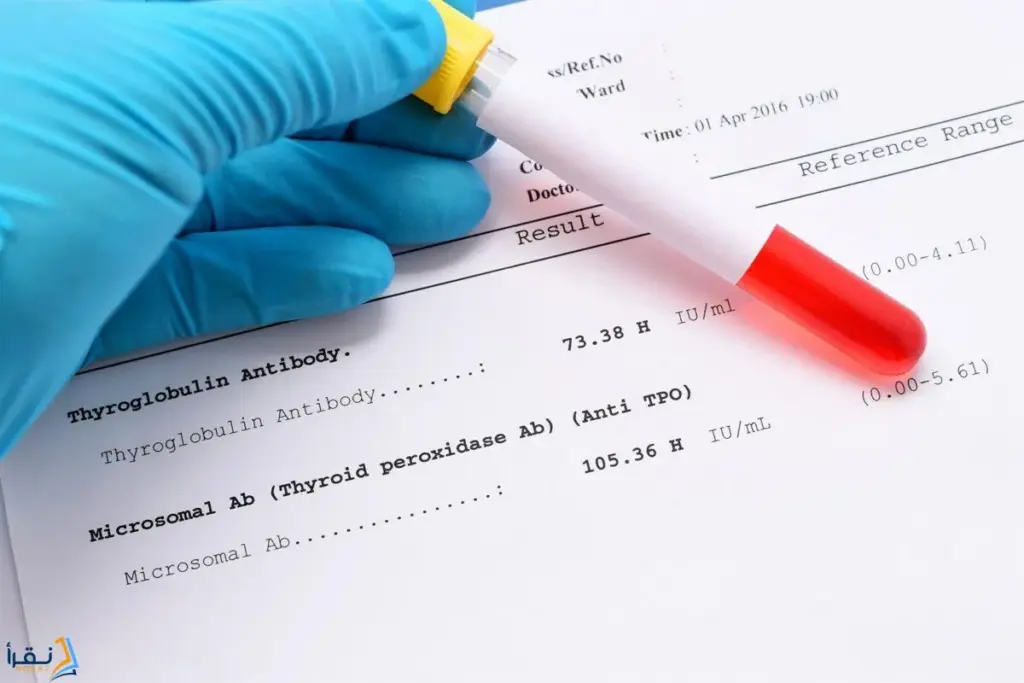
Learning about thyroid peroxidase antibodies is key for spotting and treating autoimmune thyroid diseases. These antibodies are a major clue, showing if you have autoimmune thyroiditis. We’ll dive into why these tests matter and what they mean for patients.
When you get a thyroid peroxidase antibodies test, the outcome shows if you have an autoimmune thyroid disease, like Hashimoto’s disease. This happens when your immune system attacks your thyroid gland by mistake. This leads to inflammation and harm.
Knowing your test results lets you and your doctor create a treatment plan just for you. This plan helps keep you healthy for a long time.
Key Takeaways
- Thyroid peroxidase antibodies are critical for diagnosing autoimmune thyroid disorders.
- These antibodies are present in 70 to 90 percent of patients with chronic thyroiditis.
- Understanding test results helps in developing a personalized treatment plan.
- Autoimmune thyroid disorders, such as Hashimoto’s disease, can be identified through these tests.
- Early diagnosis enables proactive steps in managing thyroid health.
What Are Anti Microsomal TPO Antibodies?
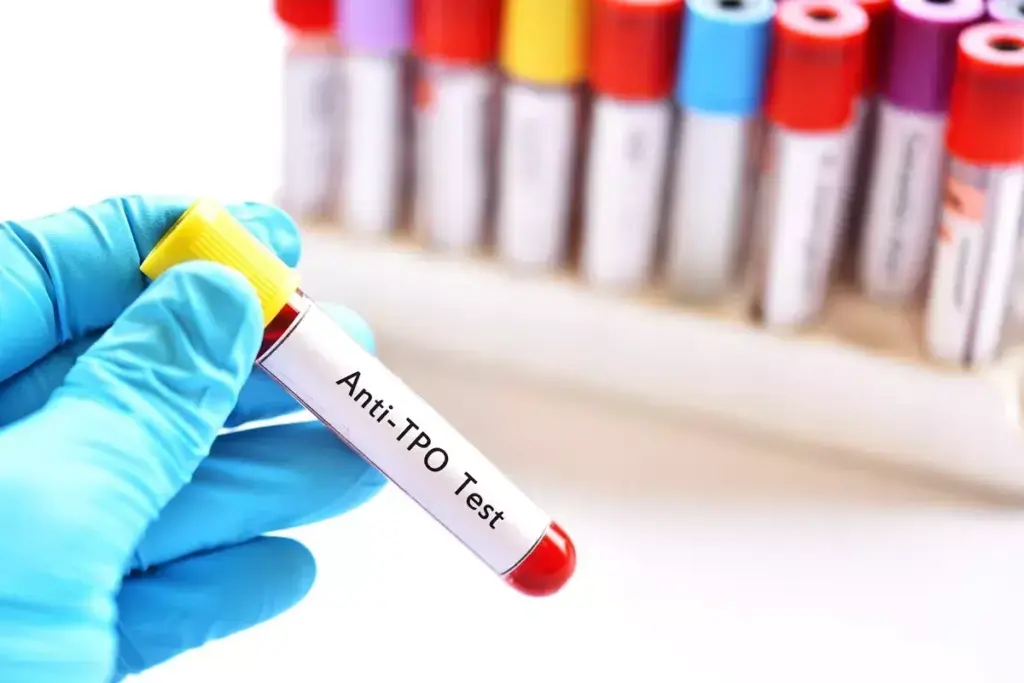
Anti-microsomal TPO antibodies are key in the body’s fight against disease, focusing on the thyroid. They target thyroid peroxidase, an enzyme needed for making thyroid hormones.
Definition and Function in the Body
These antibodies, also known as thyroid peroxidase antibodies, happen when the immune system sees thyroid cells as invaders. This leads to an attack on the thyroid gland, causing inflammation and damage.
Thyroid peroxidase is vital for making thyroid hormones, like T4 and T3. Anti-microsomal TPO antibodies can block this enzyme, reducing hormone production. This might lead to hypothyroidism.
Key aspects of anti-microsomal TPO antibodies include:
- They are a hallmark of autoimmune thyroid disease.
- Their presence is associated with conditions like Hashimoto’s thyroiditis.
- They can be detected through blood tests, serving as a diagnostic tool.
Role as Diagnostic Markers
Finding anti-microsomal TPO antibodies is vital for checking thyroid health. High levels show an autoimmune attack on the thyroid gland.
Some key points about their role as diagnostic markers include:
- They help tell autoimmune thyroiditis apart from other thyroid problems.
- High levels are often linked with Hashimoto’s thyroiditis and Graves’ disease.
- Their presence and amount guide treatment choices and track disease progress.
Understanding anti-microsomal TPO antibodies helps doctors give better diagnoses and treatment plans for autoimmune thyroid diseases.
The Anti Microsomal TPO Testing Process
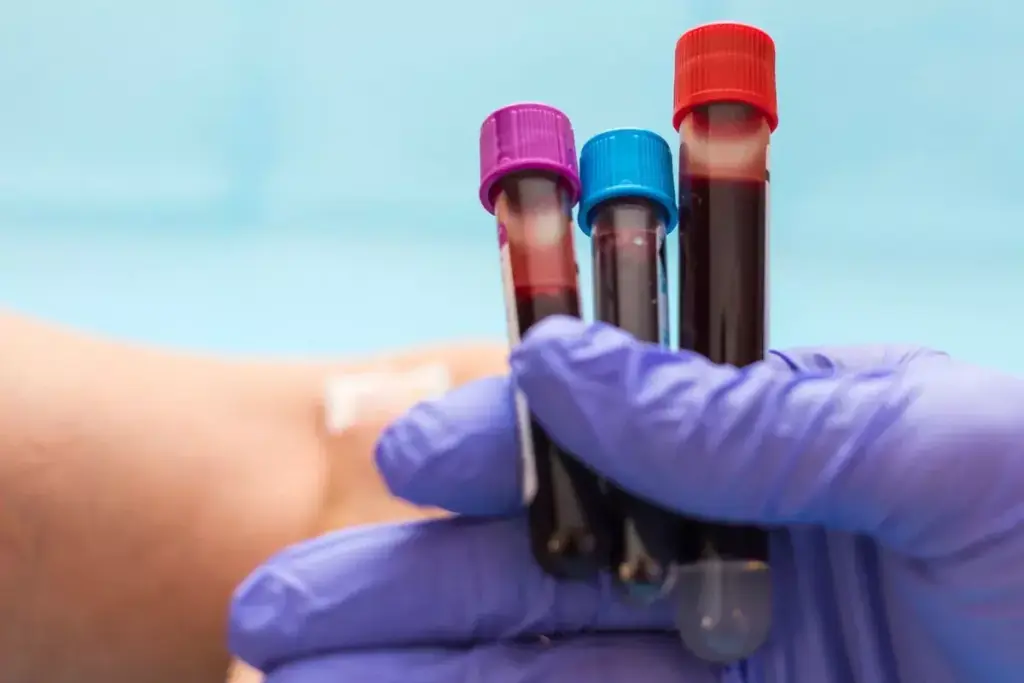
We’ll walk you through the anti-microsomal TPO testing process. It’s a key test for checking thyroid health, helping spot autoimmune thyroid diseases.
How the Blood Test Is Performed
The test involves a simple blood draw. A healthcare professional will collect a blood sample from a vein in your arm. It’s best to fast overnight for accurate results.
A tourniquet is used to make veins visible. The skin is cleaned with an antiseptic. Then, a needle is inserted to collect the blood. The whole process takes just a few minutes.
When Testing Is Recommended
Testing for anti-microsomal TPO antibodies is suggested for those with suspected autoimmune thyroid disease. Symptoms like fatigue, weight changes, and hair loss may lead to this test. People with a family history of thyroid disease or other autoimmune conditions should also consider it.
- Symptoms of thyroid dysfunction
- Family history of thyroid disease
- Presence of other autoimmune diseases
What to Expect During Testing
On test day, avoid eating or drinking except water before the blood draw. Wear easy-to-access clothing for your arm. The blood test is quick and causes little discomfort.
After, the blood is analyzed in a lab. Your doctor will explain the results, discussing your thyroid health and any next steps.
Understanding Your Test Results
Your anti-microsomal TPO test results can tell a lot about your thyroid’s health. It’s important to know what they mean for your thyroid health. This helps in diagnosing and managing your condition.
Normal vs. Elevated Antibody Levels
Normal levels of anti-microsomal TPO antibodies are below 30 IU/mL. But, this number can change based on the lab. High levels might show you have an autoimmune thyroiditis.
Elevated antibody levels often mean you have Hashimoto’s disease or Graves’ disease. We’ll look into these conditions to help you understand your results better.
Connection to Hashimoto’s and Graves’ Disease
Hashimoto’s thyroiditis and Graves’ disease are autoimmune diseases that affect the thyroid. High levels of anti-microsomal TPO antibodies are common in these conditions.
| Disease | Association with Elevated Anti-Microsomal TPO | Common Symptoms |
| Hashimoto’s Thyroiditis | High levels of anti-microsomal TPO antibodies | Fatigue, weight gain, dry skin |
| Graves’ Disease | Presence of anti-microsomal TPO antibodies, though less common than in Hashimoto’s | Weight loss, palpitations, anxiety |
Predictive Value for Future Thyroid Conditions
High anti-microsomal TPO antibody levels can show current and future thyroid problems. Watching these levels can help catch thyroid issues early.
Talking to your doctor about your results is key. They can help you understand what it means for your health and what to do next.
Conclusion
Anti-microsomal TPO antibody tests are key in diagnosing and managing autoimmune thyroid disease. They help patients and doctors understand thyroid health better.
High levels of these antibodies often point to conditions like Hashimoto’s thyroiditis and Graves’ disease. Knowing this helps people make smart choices about their health care.
Managing thyroid health well means knowing about anti-microsomal TPO antibodies and their role in autoimmune diseases. This knowledge helps patients and doctors create the best treatment plans together.
We stress the importance of knowing about anti-microsomal TPO for good thyroid health. This knowledge lets people take charge of their health, leading to better results.
FAQ
What are anti-microsomal TPO antibodies, and how do they relate to autoimmune thyroid disease?
Anti-microsomal TPO antibodies target thyroid cells. They are a key marker for autoimmune thyroiditis. This includes Hashimoto’s thyroiditis and Graves’ disease.
How is the anti-microsomal TPO test performed, and what does it measure?
The test is a simple blood test. It checks for thyroid peroxidase antibodies. It helps diagnose and manage autoimmune thyroid conditions.
What do elevated anti-microsomal TPO antibody levels indicate, and what are the implications for thyroid health?
High levels of these antibodies suggest autoimmune thyroid disease. This includes Hashimoto’s or Graves’ disease. They also raise the risk of overt hypothyroidism, more so in those with subclinical hypothyroidism.
What is the predictive value of anti-microsomal TPO antibodies for future thyroid conditions?
These antibodies signal a higher risk of thyroid conditions, more so in those with a family history. In subclinical hypothyroidism, they predict a 4.3 percent annual risk of overt hypothyroidism.
How are anti-microsomal TPO test results used in diagnosing and managing thyroid health?
Test results help diagnose and manage autoimmune thyroid conditions. High levels indicate Hashimoto’s or Graves’ disease. They guide treatment to manage thyroid health.
What can I expect during the anti-microsomal TPO testing process?
The test is a simple blood test. Results come back in about a week. We help patients understand what to expect, making the process smooth and informed.
References
https://my.clevelandclinic.org/health/diagnostics/thyroid-antibodies



 Departments
 Related Videos
 Our Doctors
 News
News