
The Anterior Cruciate Ligament (ACL) is key to the knee’s stability and function. It’s important to know how the ACL works to understand its role in knee health. The ACL links the femur to the tibia, made of type I collagen fibers. It stops the tibia from moving too far forward.
For more info on ACL anatomy and functions, check out Gustave Orthopedics. They explain why the ACL is vital for knee stability.
Key Takeaways
- The ACL is key for knee stability and function.
- It connects the femur to the tibia and stops the tibia from moving too far forward.
- Knowing how the ACL works is key to understanding its role in knee health.
- The ACL is made of type I collagen fibers.
- Injuries to the ACL are common in high-impact sports.
Anatomy and Structure of the ACL
The ACL’s anatomy is complex, showing its deep connection within the knee. It’s a key ligament that links the femur to the tibia. This link is vital for knee stability.
Location and Connections Between Femur and Tibia
The ACL sits in the knee’s middle, linking the femur to the tibia. This connection is key for knee stability. The ACL’s main job is to stop the tibia from moving too far forward compared to the femur.
Composition of Type I Collagen Fibers
The ACL is mostly made of type I collagen fibers, about 90% of its dry weight. These fibers give the ACL its strength and ability to stretch. A top orthopedic surgeon says,
“The ACL’s makeup is why it can handle daily activities and sports well.”
The Anteromedial and Posterolateral Bundles
The ACL has two parts: the anteromedial (AM) and posterolateral (PL) bundles. The AM bundle tightens in flexion, and the PL in extension. This setup helps the ACL keep the knee stable in all positions.
| Bundle | Taut in | Function |
| Anteromedial (AM) | Flexion | Provides stability in flexed position |
| Posterolateral (PL) | Extension | Provides stability in extended position |
Knowing the ACL’s anatomy and structure is key to understanding its role in knee stability. The ACL’s complex connections and makeup make it a critical part of the knee.
The Role of the ACL in Knee Stability

The ACL is key for knee stability. It stops the tibia from moving too much. This is important for the knee to work right.
Providing 85% of Restraining Force to Anterior Tibial Displacement
The ACL holds back the tibia by about 85% at certain knee angles. This shows how important it is in keeping the knee stable. It’s vital for quick stops, changes in direction, or direct hits, which are common in sports (Source).
“The ACL is a key ligament for knee stability,” it’s said. Without it, the knee can become unstable, affecting daily life and sports.
Limiting Excessive Forward Movement of the Tibia
The ACL stops the tibia from moving too far forward. This keeps the knee moving right during activities. It’s key for avoiding injuries and keeping the knee healthy, mainly for those in demanding sports.
Maintaining Rotational and Medial-Lateral Stability
The ACL also helps with rotational and side-to-side stability. Its parts work together to keep the knee stable in all directions. It works with the PCL to keep the knee stable from the front and back, stopping it from bending too much or twisting.
Understanding the ACL’s role in knee stability helps us see its importance. It’s vital for knee health and injury prevention in both sports and orthopedic care.
Clinical Significance of ACL Injuries
It’s key to grasp the importance of ACL injuries for better prevention and treatment. ACL injuries are common and serious, mainly in sports that require quick changes, jumping, and landing.
Prevalence: A Significant Public Health Concern
ACL injuries happen a lot, with over 100,000 cases each year in the U.S. This shows we need to focus on prevention, mainly for athletes and those in risky activities.
Impact on Athletic Performance and Daily Life
ACL injuries can really hurt sports performance, leading to long recovery times. They can also affect daily life, causing pain, instability, and lowering quality of life.
Diagnostic Approaches for ACL Assessment
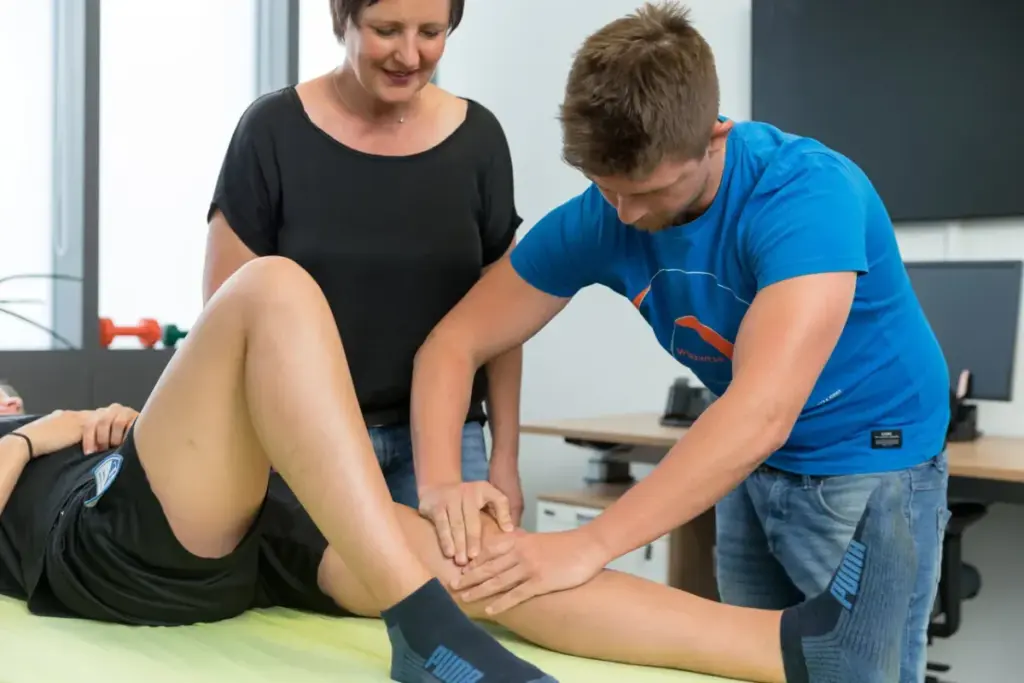
Diagnosing ACL injuries involves several steps. Doctors use clinical tests like the Lachman and pivot shift tests. MRI is the top choice for confirming ACL tears.
| Diagnostic Method | Description | Accuracy |
| Lachman Test | Clinical assessment evaluating knee stability | High |
| Pivot Shift Test | Clinical assessment evaluating knee rotational stability | Moderate to High |
| MRI | Imaging study confirming ACL tears and associated injuries | Very High |
Managing ACL injuries well needs a full plan. This includes prevention, accurate diagnosis, and the right treatment. Understanding ACL injuries helps doctors help their patients better.
Conclusion
The ACL is key to keeping the knee stable and working right. It stops the tibia from moving too far forward. It also keeps the knee from rotating too much.
We’ve looked at the ACL’s structure, its role in knee stability, and why ACL injuries matter. Knowing how the ACL works helps us see its importance for knee health. It’s why diagnosing and treating ACL injuries is so critical.
The ACL does a lot to keep the knee stable. It holds back 85% of the tibia’s forward movement. It also helps with rotational and side-to-side stability. This makes the ACL very important for knee health.
Understanding the ACL’s role helps us see why treating ACL injuries quickly is so important. It keeps the knee healthy and working well.
FAQ
What is the primary function of the ACL in the knee?
The ACL keeps the knee stable. It stops the tibia from moving too far forward. It also helps with rotation and side-to-side movement.
How does the ACL connect the femur to the tibia?
The ACL links the femur to the tibia with strong collagen fibers. This forms a solid connection between the bones.
What is the significance of the anteromedial and posterolateral bundles in the ACL?
The anteromedial and posterolateral bundles help stabilize the knee. The anteromedial bundle tightens in flexion. The posterolateral bundle tightens in extension.
How common are ACL injuries, and what is their impact on daily activities?
ACL injuries happen often, with over 100,000 in the U.S. each year. They can affect sports and daily life a lot.
What are the diagnostic approaches used to assess ACL injuries?
Doctors use physical exams, MRI, and arthroscopy to check ACL injuries. These methods help see how bad the injury is.
What are the treatment options available for ACL injuries?
ACL injuries can be treated with surgery or without it. The choice depends on the injury’s severity, the patient’s activity level, and overall health.
What is the role of the ACL in maintaining knee stability during various activities?
The ACL is key for knee stability in sports and daily life. It provides 85% of the force to stop the tibia from moving too far forward.
References
National Center for Biotechnology Information. Evidence-Based Medical Insight. Retrieved from https://pmc.ncbi.nlm.nih.gov/articles/PMC10929300/