
Glaucoma is often called the “silent thief of sight.” It can lead to permanent blindness if not treated right. Using anti-glaucoma medications well is key to keep eye pressure in check. This is the only thing we can change to slow glaucoma down.
We focus on treatments that are backed by science and put the patient first. Studies show that using prostaglandin F2 alpha analogs with other drugs works best. This makes them a big part of managing glaucoma.
Missing doses can increase eye pressure and harm your eyes. To stay on track, try setting reminders or keeping your eye drops where you use them every day.
Key Takeaways
- Anti-glaucoma medications are key for managing glaucoma and high eye pressure.
- Prostaglandin F2 alpha analog-based combinations are effective in reducing IOP.
- Sticking to your treatment plan is vital for keeping your vision.
- Missing doses can raise eye pressure and cause damage.
- Setting reminders can help you stay on track with your treatment.
1. Understanding Anti-Glaucoma Medication Classes and Their Mechanisms

It’s important to know how anti-glaucoma medications work. They come in different classes, each with its own way of helping. Mixing them can make treatment more effective.
Studies have found that certain combinations can lower eye pressure a lot. For example, prostaglandin F2 alpha analogs with carbonic anhydrase inhibitors can reduce pressure by 7.41 to 5.81 mmHg. Nitric oxide-donating prostaglandin analogs are the most effective as a single treatment.
1.1. Prostaglandin Analogs and Nitric Oxide-Donating Formulations
Prostaglandin analogs are key in treating glaucoma. They help by increasing the outflow of fluid in the eye. Adding nitric oxide to these medications makes them even better at lowering pressure.
Research shows these medications can lower eye pressure by up to 16.8% in three months. The addition of nitric oxide makes them a strong choice for those needing more pressure reduction.
1.2. Combination Therapies With Carbonic Anhydrase Inhibitors
Using different medications together can control eye pressure better. Carbonic anhydrase inhibitors work well with prostaglandin analogs. This combination is very effective because it affects several ways fluid moves in the eye.
Carbonic anhydrase inhibitors reduce fluid production, while prostaglandin analogs increase its outflow. This combination leads to a bigger drop in eye pressure than either medication alone.
1.3. Rho Kinase Inhibitors and Newer Treatment Options
Rho kinase inhibitors, like ripasudil, are a new way to treat glaucoma. They help by improving the outflow of fluid in the eye. Studies show they can lower eye pressure by 16.8% in three months.
Adding rho kinase inhibitors to treatment plans offers more options for those not helped by traditional treatments. They are a promising new tool in managing glaucoma.
2. Step-by-Step Administration Guide for Anti Glaucoma Medications

Using anti-glaucoma medications right is key. It helps them work best and keeps side effects down. Getting it right is important for controlling glaucoma.
2.1. Master the Correct Eye Drop Instillation Technique
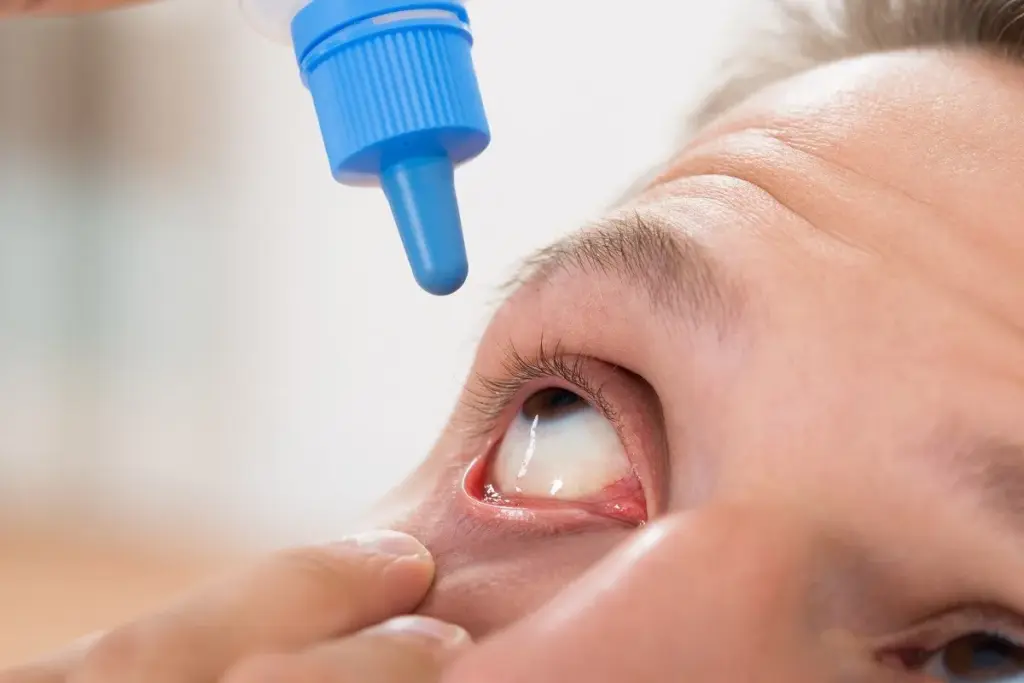
Learning how to put in glaucoma drops is important. Start by tilting your head back and pulling down your lower lid. Then, place a drop in the pocket you’ve made. Close your eyes for a minute after to help the drop soak in better and avoid side effects.
Tips for Effective Instillation:
- Set reminders to take your drops at the same time every day.
- Keep your drops near your toothbrush to remember to take them.
- Avoid touching the dropper tip to your eye or any surface to prevent contamination.
2.2. Follow Prescribed Timing and Dosing Schedules
Sticking to your medication schedule is critical. It keeps the medication working all day.
Strategies for Adherence:
- Use a pill box or a mobile app to remind you of your dosing schedule.
- Talk to your healthcare provider to adjust the timing if it gets in the way of your day.
2.3. Coordinate Multiple Medications and Avoid Washout Effects
When using more than one eye drop, timing is everything. Space out the drops to avoid losing their effect.
| Medication Type | Recommended Interval |
| Prostaglandin Analogs | At least 5 minutes apart from other drops |
| Beta Blockers | At least 5 minutes apart from other drops |
| Combination Therapies | Follow specific instructions from your healthcare provider |
2.4. Implement Adherence Strategies for Long-Term Success
Sticking to your glaucoma medication plan long-term is tough but necessary. Simplify your routine, use reminders, and check in with your doctor to stay on track.
Additional Tips:
- Keep a medication diary to track your adherence.
- Talk to your healthcare provider about any challenges or side effects.
By following these steps and tips, you can manage your glaucoma well and live a better life.
3. Conclusion
We’ve looked at different types of anti-glaucoma medications and how they work. These drugs help keep eye pressure safe, slowing down vision loss. Many people use these drops for a long time, with changes made as needed.
Managing glaucoma needs ongoing care, and these medications are key. It’s important to get regular tests because pressure needs can change. Knowing about the different types and how to use them helps patients manage their glaucoma better.
Sticking to the treatment plan is critical for success. It’s important to follow the schedule for taking your medication and to take all your medications as directed. Regular check-ups help doctors adjust the treatment to keep your glaucoma under control.
FAQ
What are anti-glaucoma medications and how do they work?
Anti-glaucoma medications lower intraocular pressure to protect the optic nerve and prevent vision loss. They either reduce fluid production in the eye or increase fluid drainage.
What are the different classes of anti-glaucoma medications?
Common classes include prostaglandin analogs, beta-blockers, alpha agonists, carbonic anhydrase inhibitors, and Rho kinase inhibitors.
How do prostaglandin analogs help in managing glaucoma?
They increase the outflow of aqueous humor from the eye, effectively lowering intraocular pressure.
What is the importance of adhering to prescribed anti-glaucoma medication regimens?
Strict adherence is essential to maintain stable eye pressure, prevent optic nerve damage, and avoid progression of glaucoma.
How can I effectively administer anti-glaucoma eye drops?
Tilt your head back, pull down the lower eyelid to form a pocket, apply the drop, close your eye gently, and press the tear duct to prevent systemic absorption.
What are some strategies to improve adherence to anti-glaucoma medications?
Use reminders, set a routine, keep medications visible, use medication organizers, and maintain regular follow-ups with your eye doctor.
Can combination therapies improve glaucoma management?
Yes, using two medications with different mechanisms can better control eye pressure when single therapy is insufficient.
What are Rho kinase inhibitors, and how do they work?
Rho kinase inhibitors increase fluid drainage through the trabecular meshwork and may reduce eye pressure, offering a newer option for glaucoma treatment.
References
https://pmc.ncbi.nlm.nih.gov/articles/PMC5419432/